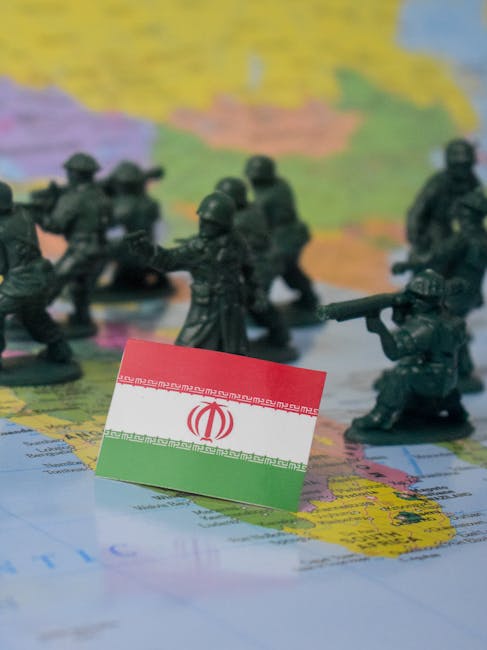
Middle East Conflicts: A Comprehensive Analysis of Drivers, Dynamics, and Destabilization
The Middle East, a region historically rich in culture and strategic importance, has been a persistent crucible of conflict for decades. The origins of these protracted disputes are multifaceted, encompassing a complex interplay of geopolitical ambitions, historical grievances, ethnic and sectarian divides, resource competition, and the enduring impact of colonial legacies. Understanding these underlying drivers is crucial to grasping the persistent instability that plagues the region and its profound global implications.
One of the most significant and enduring sources of conflict is the Israeli-Palestinian issue. Stemming from competing national aspirations over the same territory, this conflict has been characterized by cycles of violence, displacement, and failed peace initiatives. The establishment of Israel in 1948, following the UN partition plan, led to the displacement of hundreds of thousands of Palestinians, an event known as the Nakba. Subsequent wars, occupation of Palestinian territories, and ongoing settlement expansion by Israel have fueled Palestinian resistance and international condemnation. The lack of a lasting political solution, characterized by mutual recognition, secure borders, and the rights of refugees, remains a major destabilizing factor. International involvement, often divided and inconsistent, has further complicated efforts to achieve a just and lasting peace. The rise of extremist groups on both sides, often exploiting the grievances of their respective populations, further entrenches the conflict and diminishes the prospects for dialogue. The humanitarian consequences, including the protracted suffering of Palestinian civilians under occupation and the security concerns of Israelis, are immense and continue to generate regional and global repercussions.
Another deeply ingrained source of instability is the sectarian divide, particularly between Sunni and Shia Islam. While theological differences exist, the political instrumentalization of these divisions has been a primary driver of conflict, especially in recent decades. The Iranian Revolution in 1979 and the subsequent rise of Shia political influence in the region, particularly in Iraq and Lebanon, were perceived as a threat by many Sunni-majority states, most notably Saudi Arabia. This rivalry has manifested in proxy wars and direct interventions across the region. The civil war in Syria, for example, has seen Iran and its allies supporting the Alawite-dominated government of Bashar al-Assad, while Saudi Arabia and other Gulf states have supported various rebel factions, albeit with varying degrees of success and ideological alignment. Similarly, the ongoing conflict in Yemen, where a Saudi-led coalition intervened to restore the internationally recognized government against the Houthi rebels, widely seen as proxies of Iran, has devolved into a devastating humanitarian crisis. The manipulation of sectarian identities by political actors, both within and outside the region, has deepened societal fissures and fueled extremist ideologies, making reconciliation increasingly difficult.
The legacy of colonialism and the artificial borders drawn by European powers after World War I have also contributed significantly to ongoing conflicts. The Sykes-Picot Agreement, for instance, divided the Ottoman Empire’s Arab provinces into spheres of influence, disregarding ethnic and sectarian realities and creating states with diverse and often conflicting populations. This has led to internal struggles for power and autonomy, as seen in the Kurdish question, a stateless nation spread across Turkey, Iraq, Iran, and Syria. The desire for self-determination among Kurdish populations has often been met with repression, leading to armed insurgencies and contributing to regional instability. The arbitrary division of resources and the imposition of political systems not reflective of local aspirations have sown seeds of discontent and resentment, which have often erupted into violent conflict. The failure to establish inclusive governance structures in many post-colonial states has exacerbated these tensions, creating fertile ground for ethno-nationalist and sectarian mobilization.
Resource competition, particularly over oil and water, is another critical element contributing to regional tensions. The Middle East holds a significant portion of the world’s oil reserves, making it a geostrategically vital region and a focal point for global power competition. Control over these resources has often fueled internal power struggles and external interventions. Furthermore, the scarcity of water resources in an arid region intensifies competition among nations sharing river basins, such as the Nile, Tigris, and Euphrates. Disputes over water allocation and dam construction can escalate into significant diplomatic tensions and, in some cases, pose a threat to regional security. Climate change exacerbates these resource pressures, increasing the likelihood of future conflicts as populations struggle to access essential resources for survival and economic development. The unequal distribution of wealth generated from oil resources also fuels internal discontent and can lead to social unrest, further destabilizing governments and creating opportunities for extremist groups to gain traction.
The proliferation of non-state actors, including various militant and terrorist organizations, has fundamentally altered the dynamics of Middle Eastern conflicts. Groups like ISIS, al-Qaeda, Hezbollah, and Hamas have exploited existing grievances, political vacuums, and sectarian divides to gain territory, recruit fighters, and challenge state authority. The rise of these groups has blurred the lines between internal rebellions and international terrorism, demanding complex and often uncoordinated responses from regional and global powers. Their sophisticated propaganda, funding networks, and ability to adapt to changing circumstances make them persistent threats, capable of orchestrating large-scale attacks and destabilizing entire nations. The ideology of these groups often promotes a radical and exclusionary vision, further polarizing societies and making peaceful coexistence extremely challenging. Their presence also complicates efforts to resolve interstate disputes, as they often operate with their own agendas and are willing to engage in prolonged and brutal conflict.
The involvement of external powers, driven by their own strategic and economic interests, has historically played a significant role in shaping and perpetuating Middle Eastern conflicts. The Cold War rivalry between the United States and the Soviet Union, for instance, led to proxy conflicts and arms races across the region. More recently, the interventions of major global powers, including the United States, Russia, and European nations, in countries like Iraq, Afghanistan, and Syria, have had profound and often unintended consequences, contributing to the rise of new threats and exacerbating existing instability. The competition for influence, access to resources, and strategic advantage among these external actors often fuels local rivalries and complicates peace efforts. The arms trade, a lucrative industry for many global powers, also contributes to the cycle of violence by supplying advanced weaponry to various factions, prolonging conflicts and increasing their lethality.
The failure of inclusive governance and the prevalence of authoritarian regimes in many Middle Eastern countries have also been significant contributors to conflict. Lack of political participation, suppression of dissent, corruption, and economic inequality breed resentment and create fertile ground for radicalization and violence. When legitimate avenues for political expression and redress of grievances are absent, populations may turn to extra-legal means, including armed struggle, to challenge existing power structures. The Arab Spring uprisings in 2010-2011, while initially promising widespread democratic reform, ultimately led to further instability and conflict in several countries, including Libya, Syria, and Yemen, as entrenched elites resisted change and existing societal fissures were exacerbated. The absence of strong, legitimate, and inclusive state institutions makes populations vulnerable to manipulation by extremist groups and external actors.
The ongoing economic challenges faced by many Middle Eastern nations, including high unemployment, particularly among youth, and dependence on volatile commodity prices, further exacerbate social and political tensions. When economic opportunities are scarce and the promise of a better future is elusive, individuals become more susceptible to recruitment by extremist groups offering financial incentives, a sense of purpose, or a perceived path to empowerment. The unequal distribution of wealth, often concentrated in the hands of a ruling elite, further fuels popular discontent and resentment, creating a breeding ground for social unrest and political instability. The reliance on oil revenues also makes many economies vulnerable to global price fluctuations, creating cycles of boom and bust that can lead to economic hardship and social instability.
The psychological and social impact of prolonged conflict on societies in the Middle East is profound and long-lasting. Generations have grown up knowing only war, displacement, and loss. This trauma can manifest in various ways, including increased aggression, a heightened sense of grievance, and a diminished capacity for empathy and reconciliation. The cycle of violence becomes deeply ingrained in the collective consciousness, making it challenging to break free from. The destruction of infrastructure, the disruption of education, and the loss of social cohesion further impede recovery and development, perpetuating the conditions that fuel future conflicts. The dehumanization of the "other," often fueled by propaganda from all sides, creates deep societal rifts that are difficult to bridge, even in the absence of active hostilities. The normalization of violence as a means of conflict resolution further entrenches the problems and makes it harder to achieve sustainable peace.
In conclusion, the persistent conflicts in the Middle East are not attributable to a single cause but rather a complex and interconnected web of historical, political, economic, social, and religious factors. The Israeli-Palestinian conflict, sectarian rivalries, the legacy of colonialism, resource competition, the rise of non-state actors, external power interventions, authoritarian governance, and economic hardship all contribute to the region’s chronic instability. Addressing these multifaceted challenges requires comprehensive and nuanced approaches that prioritize inclusive governance, equitable resource distribution, respect for human rights, and genuine efforts towards reconciliation and lasting peace. The global community has a vested interest in fostering stability in the Middle East, not only for humanitarian reasons but also to mitigate the far-reaching consequences of regional conflicts on global security and economic prosperity. The path to enduring peace will necessitate sustained diplomatic engagement, a commitment to addressing root causes, and a willingness from all parties involved to compromise and seek common ground. Without a fundamental shift in the underlying dynamics, the Middle East will likely remain a theater of conflict for the foreseeable future, with devastating consequences for its people and the wider world.
