Boston, Massachusetts, often referred to as the "Cradle of Liberty," is currently undergoing a significant demographic and economic transformation that transcends its historical reputation as a colonial landmark. While many individuals initially relocate to the city for its prestigious educational institutions or its burgeoning healthcare sector, recent data suggests that the retention of residents is increasingly driven by the city’s unique urban fabric, neighborhood-specific identities, and a sophisticated "innovation economy" that blends academic research with physical manufacturing. As the city navigates the post-pandemic era, the intersection of its 17th-century origins and 21st-century technology is defining a new standard for American urban living.
The Academic Foundation as an Economic Engine
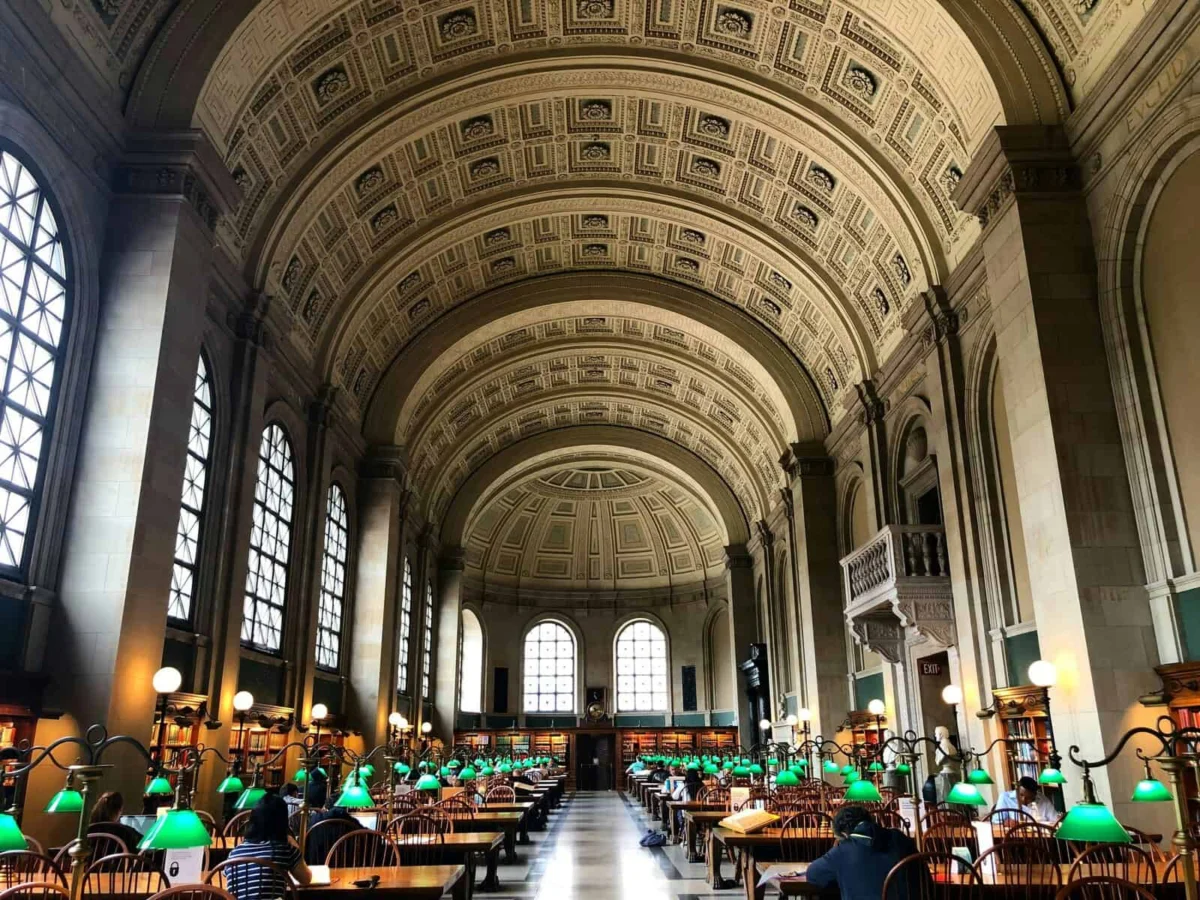
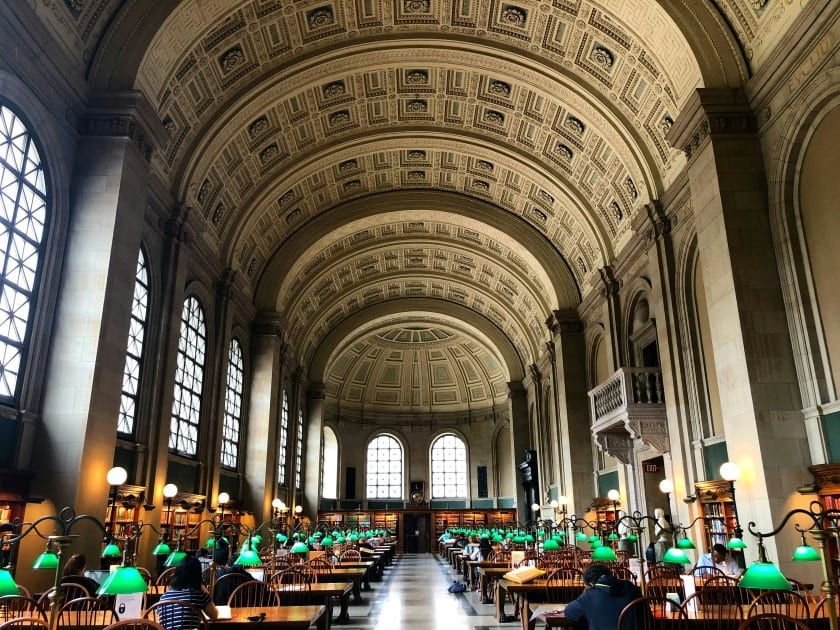
The presence of over 50 colleges and universities within the Greater Boston area provides more than just a seasonal influx of students; it serves as the city’s primary cultural and economic heartbeat. This academic saturation creates a "knowledge spillover" effect that influences every sector of local life, from public broadcasting to specialized medical research. According to Adrianne Mathiowetz, a local portrait photographer who has documented the city’s intellectual landscape, Boston’s identity is inextricably linked to this scholarly culture. Mathiowetz notes that this influence is manifested in the thriving public radio community, top-tier research centers like Boston Children’s Hospital and Dana-Farber, and world-class museums such as the Museum of Fine Arts (MFA).
This environment fosters a unique "culture of inquiry" that attracts creatives and intellectuals. For Mathiowetz, the density of the writing and theater scenes is a direct byproduct of this academic environment. "Everything invites critical thinking, discussion, and further study," she observes, noting that the abundance of writers in the area naturally shifted her professional focus toward literary portraiture. The data supports this observation: Boston consistently ranks among the highest in the nation for the percentage of residents with a bachelor’s degree or higher, currently exceeding 50% of the adult population.
A City of Neighborhoods: The Micro-Urban Experience
Unlike many American metropolises defined by a centralized downtown core, Boston operates as a collection of distinct "villages," each maintaining a specific architectural and social character. The transition from the Federal-style brick row houses of Beacon Hill to the student-centric energy of Allston or the green, community-focused atmosphere of Jamaica Plain offers residents a variety of lifestyle choices within a compact geographic area.
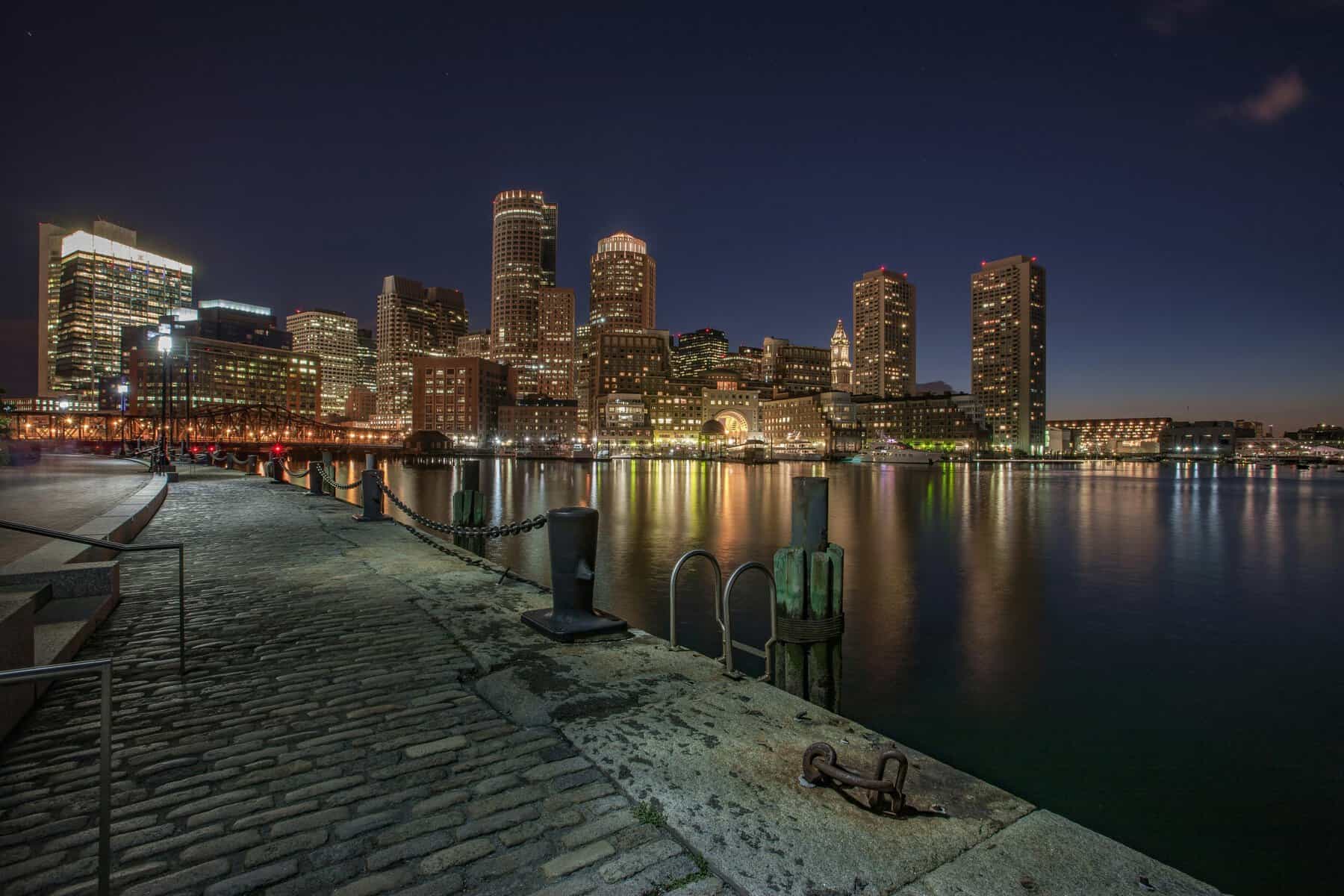
Sashya Thind, of Boston Interior Design, emphasizes that the city maintains a delicate balance between arts, cultural events, and its role as a global center for education and biotechnology. Thind highlights the Charles River and the Back Bay area as central nodes where residents can enjoy the outdoors while remaining integrated into the urban grid. This neighborhood loyalty is a hallmark of Bostonian life; residents often define their identity by their proximity to a local bakery, a specific T stop, or a neighborhood park.
The development of the Seaport District over the last decade serves as a modern counterpoint to the city’s historic enclaves. Once a desolate landscape of parking lots and industrial piers, the Seaport is now a glass-and-steel hub for innovation and luxury living, representing the "new" Boston that exists alongside the cobblestones of the North End.
Infrastructure and the 15-Minute City Model
Boston’s geographic footprint is relatively small—roughly 48 square miles—making it one of the most walkable major cities in the United States. This "human-scale" urbanism is a significant draw for professionals seeking to avoid the traditional American reliance on automobiles. The city’s transit system, the MBTA (locally known as "the T"), alongside a growing network of bike lanes and pedestrian-only zones, supports a lifestyle where daily errands can be managed on foot.
The "Big Dig," one of the most complex highway projects in U.S. history, fundamentally altered the city’s relationship with transportation by moving the elevated Central Artery underground and replacing it with the Rose Kennedy Greenway. This project not only reduced traffic congestion but also reunited the city’s downtown with its waterfront, fostering a culture of outdoor engagement. Today, runners along the Esplanade and groups meeting on the Harborwalk are common sights, reflecting a shift toward prioritizing public spaces.
The team at Joshua Alan Interiors notes that this accessibility offers an "effortless balance of urban sophistication and outdoor living." They argue that Boston’s appeal lies in its "richness of place," where historic landmarks exist in tandem with thoughtfully designed contemporary spaces, providing easy access to the broader New England landscape, including the Atlantic coast and the Appalachian foothills.
The Innovation Economy: Beyond Software and Finance
While Boston has long been recognized as a financial and insurance hub, its modern economy is driven by a convergence of disparate industries. George Zheng, an architect and CEO of Edensign, suggests that the city’s strength lies in the physical proximity of its major players. Zheng, whose AI-driven real estate platform was incubated at Harvard Innovation Labs, points to Kendall Square in Cambridge—often called "the most innovative square mile on the planet"—as the epicenter of this phenomenon.
"Boston is one of the few cities where world-class research, entrepreneurship, technology, and design are deeply interconnected," Zheng explains. The collaboration between Harvard, MIT, the Longwood Medical Area, and the city’s design communities allows for a rapid transition from theoretical research to market-ready products. This innovation-driven culture also dictates the city’s approach to urban development, favoring "thoughtful, modern design" that respects the historic character of the surrounding neighborhoods.
Furthermore, the region’s innovation is not limited to the digital realm. David Degner, an industrial and commercial photographer, highlights the "physicality" of Boston’s technological advancements. Degner’s work has documented a wide range of sectors, including:
- Climate-Tech: Startups at Greentown Labs developing sustainable energy solutions.
- Renewable Energy: Dairy farmers utilizing anaerobic digesters to convert waste into energy.
- Biomedical Engineering: The development of memory-restoring neural implants.
- Infrastructure: Massive offshore wind projects and maritime engineering.
This blend of academic research and skilled trades creates a resilient and diverse job market. Degner notes that the presence of apprentices learning trades in local union halls alongside PhDs in biotech labs is what makes the Boston economy truly distinctive.
Historical Preservation as a Modern Asset
One of Boston’s primary challenges—and strengths—is the coexistence of the past and the present. The city’s strict historic preservation laws ensure that its colonial and Victorian heritage remains intact, even as it accommodates the needs of a global tech hub. This aesthetic duality provides a "sense of place" that many newer cities lack.
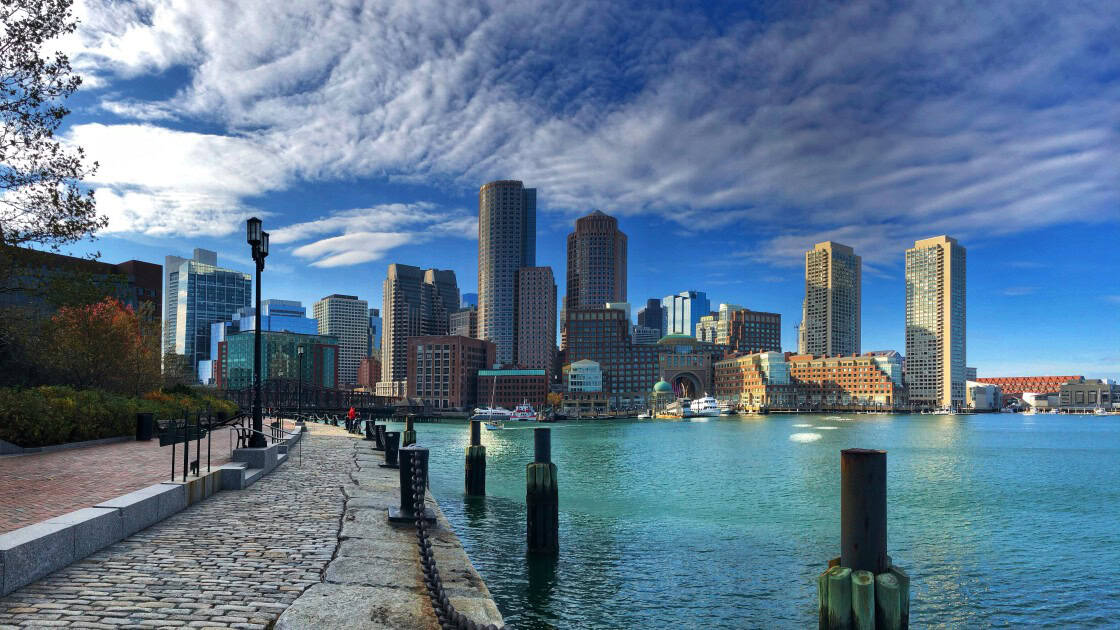
Photographer Heidi Kirn observes that Boston’s character is defined by the way it "blends historic character with the energy of a modern, constantly evolving city." Whether it is the repurposed textile mills of the South End or the modern glass additions to 19th-century brownstones, the architectural dialogue between eras is constant. This preservation is not merely for tourism; it serves as a foundation for the city’s identity, providing a stable environment that attracts long-term residents and investors alike.
Broader Impact and Future Implications
As Boston continues to grow, it faces the "success problems" common to high-demand urban centers: housing affordability and the need for climate resilience. The city’s coastal location makes it particularly vulnerable to rising sea levels, leading to innovative "living shoreline" projects and stricter building codes for new developments in the Seaport and East Boston.
Furthermore, the "Brain Drain" of the past—where students would graduate and immediately leave for New York or Silicon Valley—has largely reversed. The density of the biotech and AI sectors has created a "Brain Gain," where the city now serves as a primary destination for global talent. This shift has implications for the city’s demographics, leading to a younger, more international population that demands high-quality public transit and diverse cultural offerings.
In conclusion, the modern allure of Boston is found not in its status as a museum of American history, but in its function as a laboratory for the future. By leveraging its academic roots to fuel a diverse industrial economy and maintaining a walkable, neighborhood-oriented urban design, Boston provides a template for how historic cities can evolve without losing their soul. The convergence of "Beantown" traditions with the cutting edge of global innovation ensures that the city remains one of the most compelling places to live and work in the 21st century.