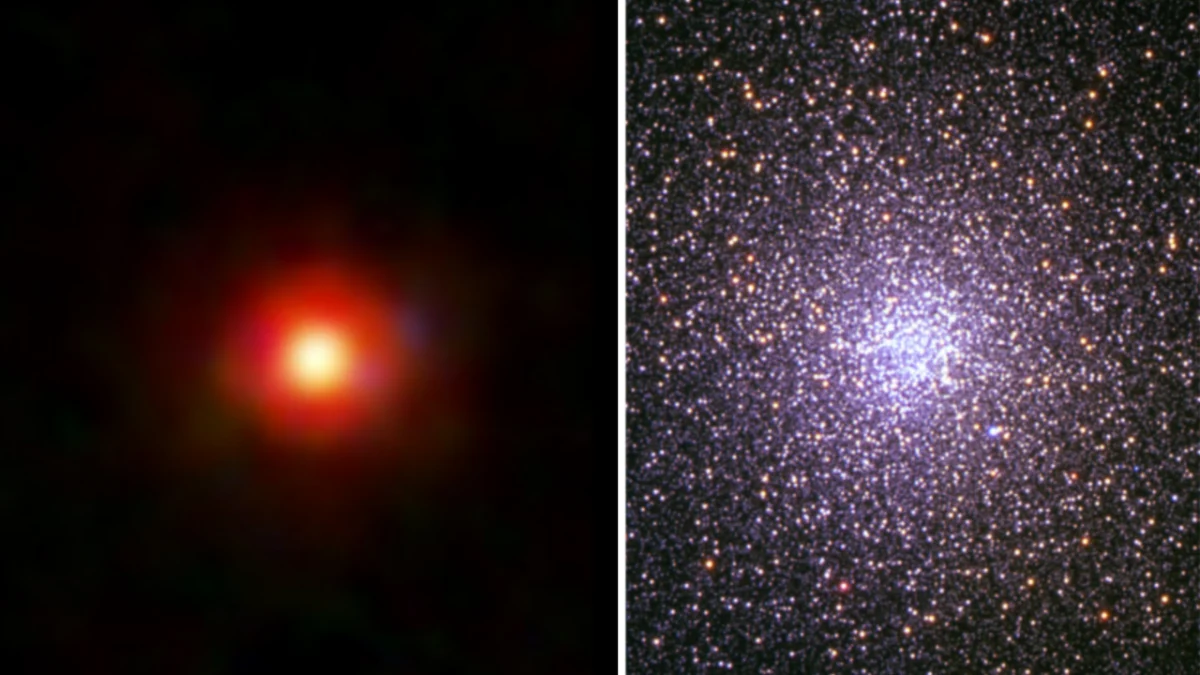
Paleontologists have long understood that many of the creatures we once considered extinct, like the dinosaurs, actually paved the way for modern life, evolving into the birds we see today. Now, new research leveraging the unparalleled observational power of the James Webb Space Telescope (JWST) suggests a similar evolutionary narrative may be unfolding in the cosmos. Astronomers are proposing that enigmatic "Little Red Dots," observed in the nascent universe, might not have vanished but instead transformed into the familiar, densely packed stellar congregations known as globular clusters. This groundbreaking hypothesis offers a compelling explanation for both the transient nature of these early cosmic objects and the perplexing characteristics of ancient globular clusters.
The puzzle of the Little Red Dots began to unfold in 2022 when the JWST, with its advanced infrared capabilities, began routinely detecting them in significant numbers. These objects were observed approximately 600 million years after the Big Bang, a period when the universe was still in its infancy. The scientific community was particularly intrigued because these mysterious entities appeared to fade from view before the universe reached an age of about 2 billion years. This apparent disappearance triggered a wave of speculation and research, with numerous hypotheses put forth to explain their nature. One prominent theory posited that these Little Red Dots could be "black hole stars"—black holes enveloped by extensive clouds of gas and dust. However, the latest research, led by John Chisholm of the University of Texas at Austin, introduces a new, compelling possibility: that these early cosmic structures are the progenitors of globular clusters.
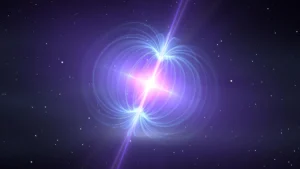
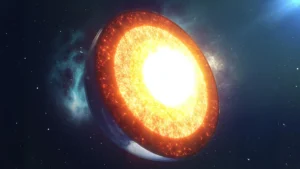
The research team’s theory centers on the idea that a nascent globular cluster, particularly one containing a "supermassive star," could exhibit the observational characteristics of a Little Red Dot. Supermassive stars, a hypothetical class of stellar bodies, are theorized to possess masses ranging from 1,000 to 10,000 times that of our Sun. Their existence, though transient, could play a crucial role in shaping the early universe and resolving long-standing astronomical mysteries.
"These may not be just a strange new JWST population with no connection to the universe around us today," stated team leader John Chisholm in a press release. "Instead, Little Red Dots may persist past the early universe, evolving into something relatively familiar. Little Red Dots could be galaxies, they could involve black holes, or they could be something even more unexpected. Our work shows that forming globular clusters with supermassive stars should be part of that conversation."
The Enigmatic Nature of Little Red Dots
The discovery of Little Red Dots by the JWST marked a significant moment in extragalactic astronomy. Their prevalence in the early universe, coupled with their apparent disappearance in later epochs, presented a substantial challenge to existing cosmological models. The initial observations revealed them as compact, reddish objects, and their spectral signatures suggested they were composed of stars. However, their rapid fading posed a direct contradiction to the expected longevity of stellar populations.
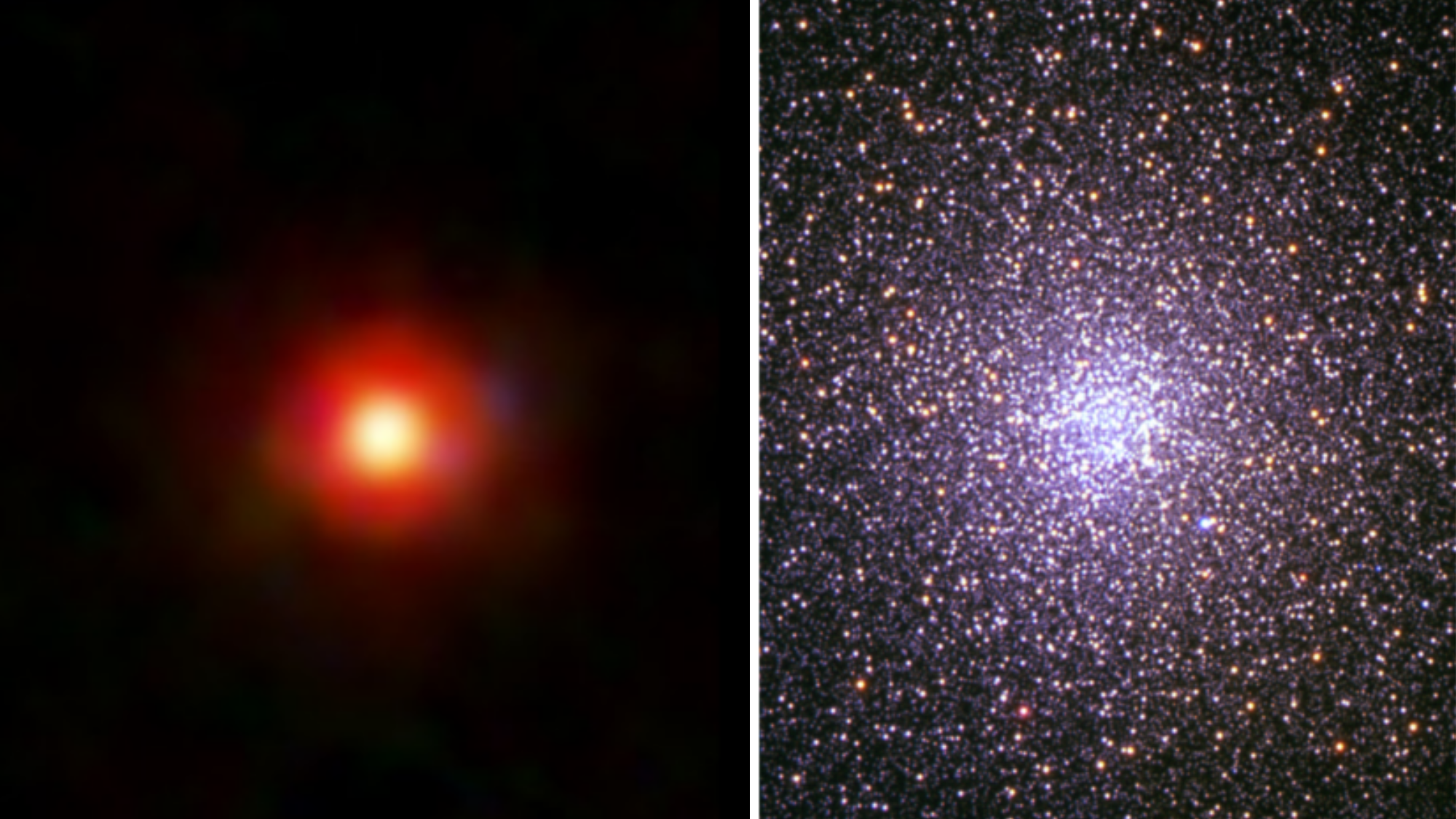
The prevailing theories for their existence were varied. Some suggested they were early galaxies that rapidly evolved and dispersed. Others proposed they were massive star-forming regions that burned brightly and quickly. The "black hole star" hypothesis offered a more exotic explanation, envisioning a supermassive black hole at the core of a dense cocoon of gas and dust, which would emit radiation in a manner consistent with the observed red color and apparent faintness over time. This new research, however, offers a more unified explanation by linking these early phenomena to a well-established class of astronomical objects.
Globular Clusters: Ancient Anchors of the Universe
Globular clusters are among the oldest and most massive structures in the universe. They are spherical collections of hundreds of thousands to millions of stars, tightly bound by gravity. Our own Milky Way galaxy hosts at least 150 such clusters, each a testament to the universe’s ancient past. Despite their ubiquity and long history, the precise mechanisms of their formation remain a subject of intense study and debate among astrophysicists.
"We usually see them [globular clusters] after billions of years of evolution, at a time when their massive stars are gone, their gas has been cleared out, and dynamical processes have changed their masses and structures," explained team member Danielle Berg of UT Austin. "That makes it very hard to reconstruct the original conditions they formed in."
The typical stellar composition of globular clusters presents a significant puzzle. It is widely accepted that the stars within a single globular cluster formed at roughly the same time from the same primordial gas cloud. In the early universe, this gas cloud would have been primarily composed of hydrogen and helium, with only trace amounts of heavier elements, which astronomers refer to as "metals." However, many stars within globular clusters exhibit a peculiar chemical abundance pattern: they are unusually rich in helium and certain heavier elements like nitrogen, sodium, and aluminum, while being deficient in others such as carbon, oxygen, and magnesium. This discrepancy suggests that the star-forming material within these clusters was not solely primordial but must have been enriched by processes that produced these specific elements.
The Supermassive Star Hypothesis: A Bridge Between Eras
The UT Austin team’s hypothesis posits that supermassive stars, born in the dense environments of proto-globular clusters, are the key to understanding this chemical anomaly. In the extremely crowded conditions of the early universe, where stellar densities were much higher, it’s plausible that frequent stellar collisions and mergers could have led to the formation of these colossal stars.
"This specific pattern indicates nuclear fusion at very high temperatures, much higher than in the cores of even massive normal stars," stated team member Mike Boylan-Kolchin of UT Austin. "A supermassive star is precisely the kind of environment that could produce this combination."
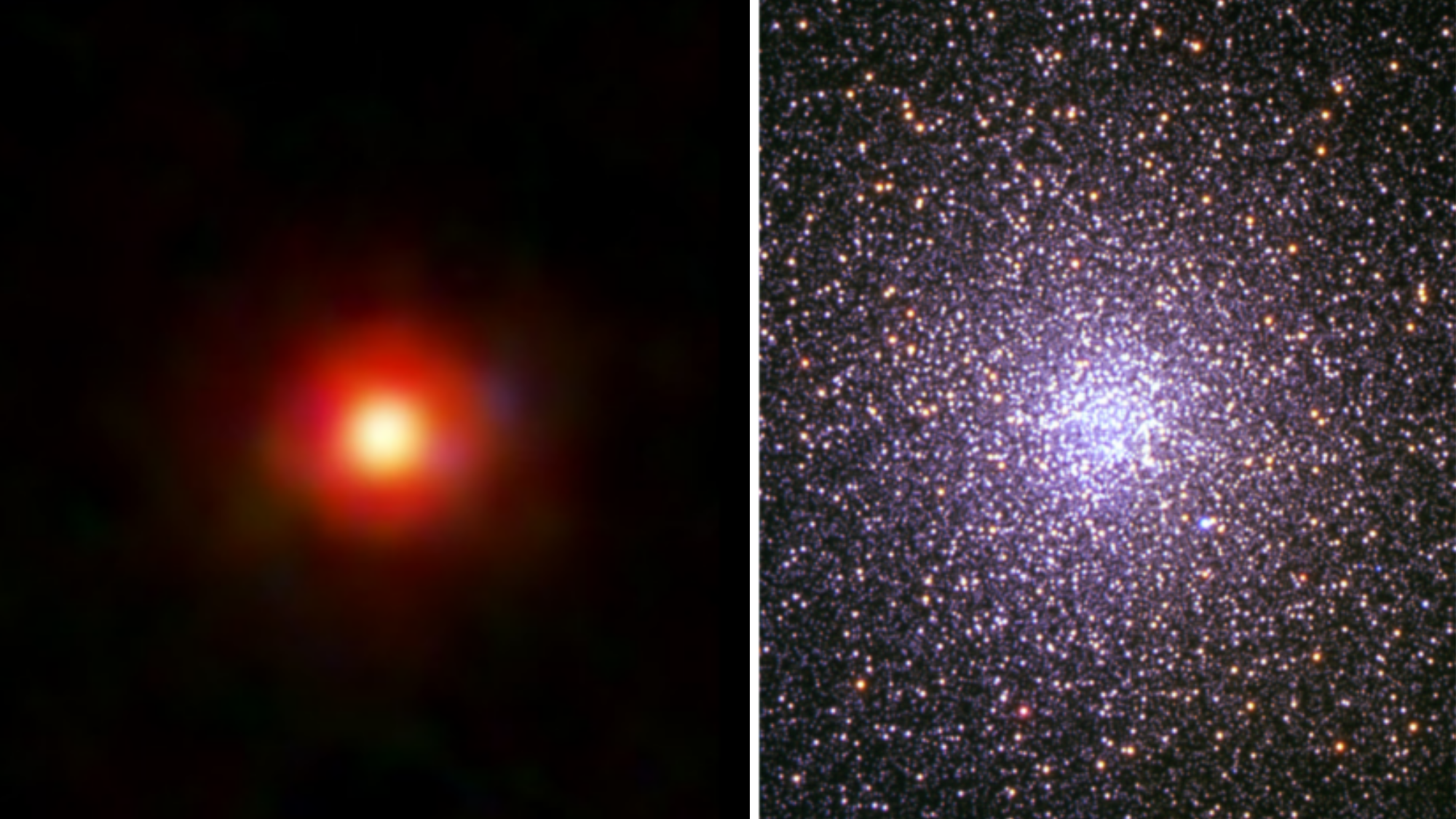
These supermassive stars, due to their immense mass and rapid nuclear fusion rates, would have had extraordinarily short lifespans—perhaps only a million years. In contrast, our Sun, a relatively average star, is currently 4.6 billion years old and is considered to be middle-aged. This brief but intense existence would have allowed these supermassive stars to forge the heavier elements observed in globular cluster stars through extreme nuclear fusion processes.
Upon their inevitable demise, these supermassive stars would have undergone cataclysmic supernova explosions. These explosions would have dispersed the newly synthesized elements into the surrounding gas cloud, enriching it and providing the raw materials for the next generation of stars within the nascent globular cluster. These subsequent stars, inheriting this enriched material, would then display the characteristic chemical signatures observed in modern globular clusters—an abundance of helium, nitrogen, sodium, and aluminum, alongside a deficit of carbon, oxygen, and magnesium.
"In our model, the supermassive star that helps make the object look like a Little Red Dot would live for only a short time," Chisholm elaborated. "Once that star dies, the object may no longer look like a Little Red Dot, even if the cluster itself survives billions of years."
Connecting the Dots: Mass, Distribution, and Timing
Beyond the chemical evidence, the theory also finds support in the estimated masses and spatial distribution of both Little Red Dots and globular clusters. The research suggests that the mass ranges estimated for Little Red Dots align remarkably well with the masses of mature globular clusters observed in the more recent universe. Furthermore, the observed distribution of Little Red Dots in the early cosmos mirrors the distribution patterns of modern globular clusters, hinting at a common origin.
The timeline of these cosmic events also strengthens the proposed link. Little Red Dots are observed emerging around 600 million years after the Big Bang, a period that aligns with theoretical estimates for the initial formation epoch of globular clusters. This temporal correlation suggests that the objects seen as Little Red Dots were indeed the very first stages of globular cluster evolution.
The implications of this research are profound. If confirmed, it would provide a unified explanation for two distinct and puzzling astronomical phenomena: the transient nature of early cosmic objects and the peculiar chemical composition of ancient stellar systems. It suggests a continuous evolutionary pathway from the earliest, most enigmatic structures in the universe to the well-defined, ancient stellar islands we observe today.

Broader Implications and Future Research
The proposed evolutionary link between Little Red Dots and globular clusters opens up new avenues for understanding galaxy formation and evolution. It suggests that the early universe was a dynamic laboratory where extreme stellar phenomena played a critical role in shaping the cosmic structures we observe today. The existence and evolution of supermassive stars, once largely theoretical, now appear to be integral to the formation of some of the oldest stellar systems.
This research also underscores the transformative power of new observational tools like the JWST. Its ability to peer into the universe’s distant past with unprecedented clarity has unlocked mysteries that were previously beyond our reach. The ongoing analysis of JWST data is likely to yield further insights into the early universe and the processes that governed its evolution.
The study is currently available as a pre-print on the arXiv repository, allowing the scientific community to review the findings and conduct further investigations. Future observational campaigns with the JWST and other advanced telescopes will be crucial in verifying this hypothesis. Astronomers will seek to gather more detailed spectral data on Little Red Dots and compare them with the spectral signatures of early-stage globular clusters, if such can be identified. Furthermore, refined theoretical models incorporating the dynamics of supermassive star formation and evolution in the early universe will be essential for solidifying this compelling new narrative of cosmic evolution.
"There’s no single smoking gun at this point that says Little Red Dots are globular clusters, but it would explain a lot of diverse and surprising observations," concluded Boylan-Kolchin. This new perspective offers a tantalizing glimpse into the universe’s formative years, suggesting that even the most ephemeral cosmic apparitions may hold the seeds of enduring celestial structures.