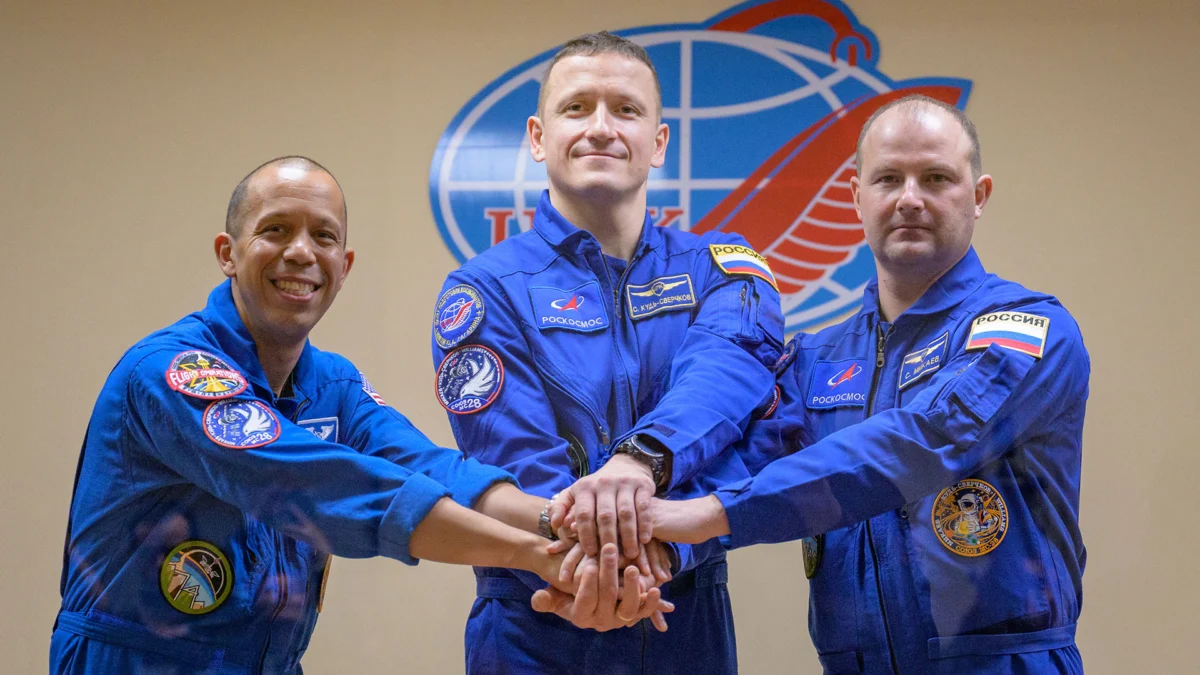
A multinational crew is set to conclude their significant stay aboard the International Space Station (ISS) early Sunday morning, July 26th, with the undocking of the Soyuz MS-28 spacecraft. This pivotal moment in space exploration will mark the return of NASA astronaut Chris Williams and his Russian counterparts, Roscosmos cosmonauts Sergey Kud-Sverchkov and Sergei Mikaev, to Earth after an extended mission of 241 days. The undocking is scheduled for 3:02 a.m. EDT (0702 GMT), paving the way for their landing on the vast steppes of Kazakhstan approximately 3.5 hours later, at 6:26 a.m. EDT (1026 GMT). This homecoming is a testament to the enduring international collaboration that defines human presence in orbit.
Transition of Command and Expeditionary Shift
The final hours aboard the ISS will be marked by significant ceremonial and operational transitions. Coverage of these events began on Saturday, July 25th, at 9:40 a.m. EDT (1340 GMT) with a crucial change-of-command ceremony. During this event, Sergey Kud-Sverchkov will officially hand over the responsibilities of commanding the International Space Station to NASA astronaut Jessica Meir. This handover signifies the formal transition from ISS Expedition 74 to Expedition 75, a moment that underscores the continuous operational cycle of the orbiting laboratory. The official commencement of Expedition 75 is synchronized with the undocking of the Soyuz MS-28 spacecraft.
NASA’s webcast continued throughout Saturday evening, resuming at 11:10 p.m. EDT (0310 GMT on July 26th) to broadcast the crew’s farewells to their colleagues remaining on the ISS. This was followed by the critical procedure of closing the hatches between the ISS and the Soyuz MS-28, anticipated at 11:30 p.m. EDT (0330 GMT). These meticulously planned procedures ensure the safe separation of the spacecraft from the station.
The Undocking and Descent: A Live Spectacle
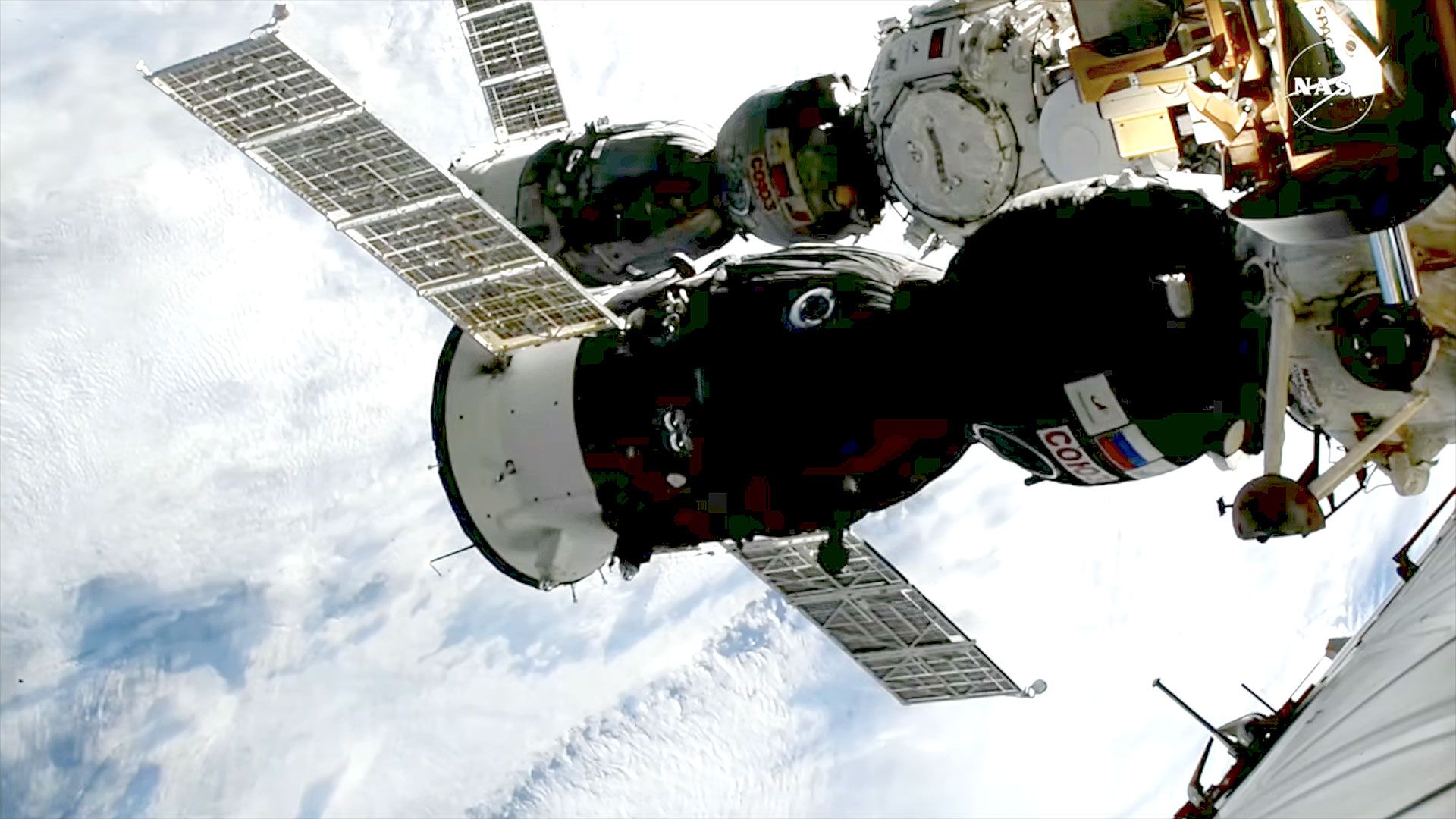
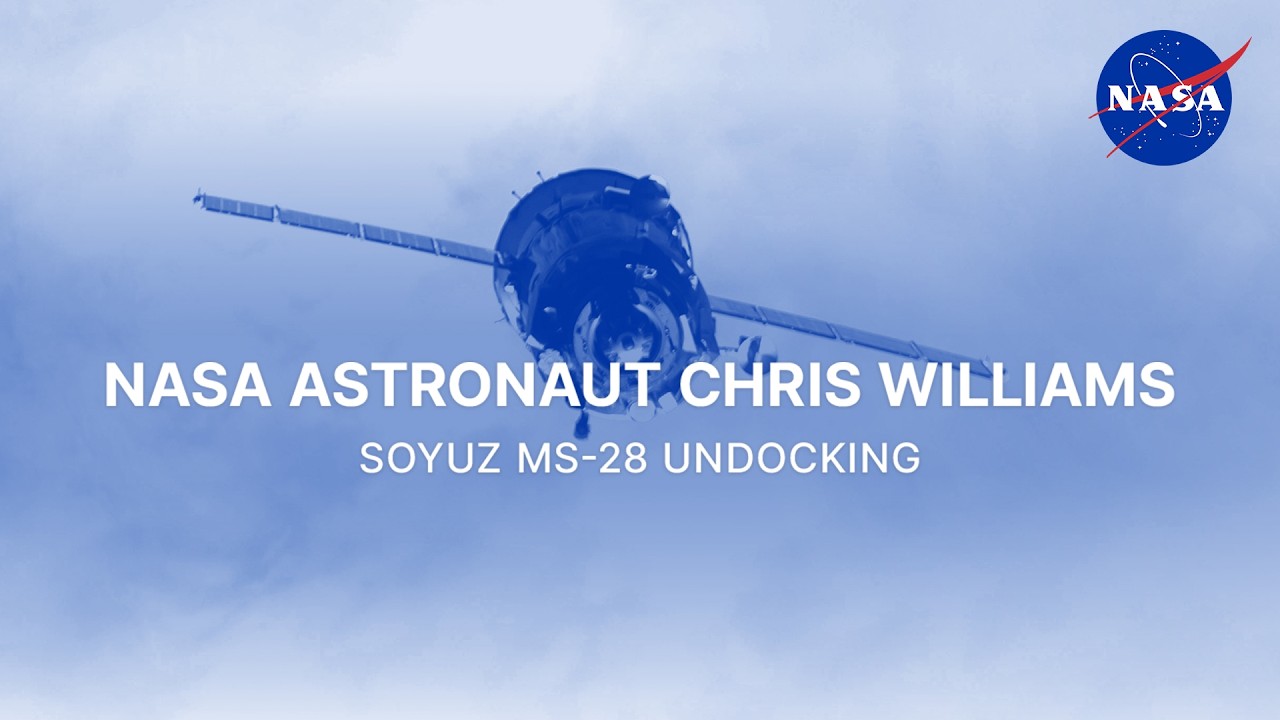
The primary focus of Sunday’s broadcast will be the undocking of Soyuz MS-28. Live coverage of this event commenced on Sunday at 2:30 a.m. EDT (0630 GMT). Following the separation from the ISS, the Soyuz spacecraft will initiate its deorbit burn, a crucial maneuver that alters its trajectory to begin its descent back to Earth. This phase of the mission, along with the subsequent landing activities, will be covered starting at 5:15 a.m. EDT (0915 GMT). The final moments of the mission will culminate with the spacecraft’s parachute-assisted landing southeast of the Kazakh city of Dzhezkazgan, a historically significant site for Russian and Soviet space mission recoveries.
A Mission of Science and Collaboration
The Soyuz MS-28 mission, launched on November 27th, which coincided with Thanksgiving Day in the United States, represented the inaugural spaceflight for both NASA astronaut Chris Williams and Roscosmos cosmonaut Sergei Mikaev. For Sergey Kud-Sverchkov, this marked his second journey to space, building upon his previous experience. Throughout their 241-day expedition, the trio has been instrumental in conducting a wide array of scientific experiments, maintaining the complex systems of the ISS, and contributing to the ongoing international effort to push the boundaries of human knowledge and exploration.
Their mission saw them orbit the Earth an impressive 3,856 times, covering a staggering total distance of over 102 million miles (164 million kilometers). This vast expanse of travel underscores the immense scale of their orbital operations and the dedication required to sustain a continuous human presence in space. The scientific endeavors undertaken during their stay have spanned various disciplines, from fundamental physics and materials science to human physiology and Earth observation. These experiments, conducted in the unique microgravity environment of the ISS, are crucial for developing new technologies, understanding the long-term effects of spaceflight on the human body, and gaining deeper insights into our own planet.
The Soyuz: A Reliable Workhorse of Spaceflight
The Soyuz spacecraft, a venerable and highly reliable vehicle in the history of space exploration, has served as the primary means of transporting crews to and from the International Space Station for decades. The MS-28 variant represents the latest iteration of this iconic spacecraft, incorporating modern advancements in life support, navigation, and safety systems. Its robust design and proven track record have made it an indispensable component of the ISS program, particularly in bridging transportation gaps and ensuring a consistent human presence in orbit. The successful completion of the MS-28 mission further solidifies the Soyuz’s legacy as a cornerstone of human spaceflight.
Post-Landing Procedures and Future Endeavors
Upon their safe touchdown in Kazakhstan, the three astronauts will embark on a series of carefully orchestrated post-landing procedures. They will be transported by helicopter to Karaganda, Kazakhstan, where dedicated recovery teams will be based. From Karaganda, Chris Williams will then begin his journey back to NASA’s Johnson Space Center in Houston, Texas, where he will undergo debriefing and rehabilitation. Meanwhile, cosmonauts Sergey Kud-Sverchkov and Sergei Mikaev will travel to their training and mission control center in Star City, Russia, to debrief and reintegrate with their respective space agency.
The return of the Soyuz MS-28 crew marks not only the end of their orbital mission but also the beginning of a new phase of their careers, potentially including further assignments or roles in space program development. Their experiences and the data collected during their time on the ISS will contribute significantly to future space exploration initiatives, including upcoming lunar and Martian missions.
Broader Implications for International Space Cooperation
The successful execution of the Soyuz MS-28 mission, involving a joint crew from NASA and Roscosmos, serves as a powerful reminder of the importance of international collaboration in space exploration. Despite geopolitical complexities, the partnership aboard the ISS has remained a beacon of cooperation, demonstrating that shared scientific goals can transcend national boundaries. This mission, like many before it, highlights the mutual benefits derived from pooling resources, expertise, and technological capabilities. The ISS itself is a monumental achievement of international engineering and operation, a testament to what can be accomplished when nations work together towards ambitious common objectives.
The continuous operation of the ISS relies heavily on this spirit of collaboration. The seamless integration of American, Russian, European, Japanese, and Canadian modules and systems, along with the coordinated efforts of their respective space agencies, ensures the station’s ongoing success. The safe return of the Soyuz MS-28 crew is a direct result of this intricate and well-rehearsed international partnership. As humanity looks towards future endeavors in space, such as the Artemis program and potential missions to Mars, the lessons learned and the collaborative frameworks established by the ISS program will be invaluable. The enduring success of missions like Soyuz MS-28 reinforces the vital role of international cooperation in achieving humanity’s most ambitious scientific and exploratory goals.
The data gathered from the experiments conducted during this expedition will be meticulously analyzed by scientists worldwide, potentially leading to breakthroughs in medicine, materials science, and our understanding of the universe. The insights gained from studying the effects of prolonged microgravity on the human body are particularly critical for planning longer-duration missions, such as those envisioned for crewed voyages to Mars. The scientific return from such missions is a tangible benefit that extends far beyond the immediate participants, contributing to advancements that can improve life on Earth and pave the way for future human expansion into the cosmos. The return of Williams, Kud-Sverchkov, and Mikaev signifies not just the conclusion of a mission, but the successful culmination of a chapter in scientific discovery and international partnership.