The high-altitude ecosystems of the Himalayas, once considered among the most remote and pristine landscapes on Earth, are currently facing a dual crisis of catastrophic climatic instability and rapid human encroachment. In the Limi Valley of Upper Humla, northwestern Nepal, researchers and conservationists are witnessing a profound transformation of a region that has served as a vital biological corridor between the Nepalese mountains and the Tibetan Plateau. The convergence of glacial lake outburst floods, the rise of large-scale commercial livestock operations, and the erosion of traditional stewardship practices has placed this transboundary refuge at a critical breaking point.
A Landscape in Transition
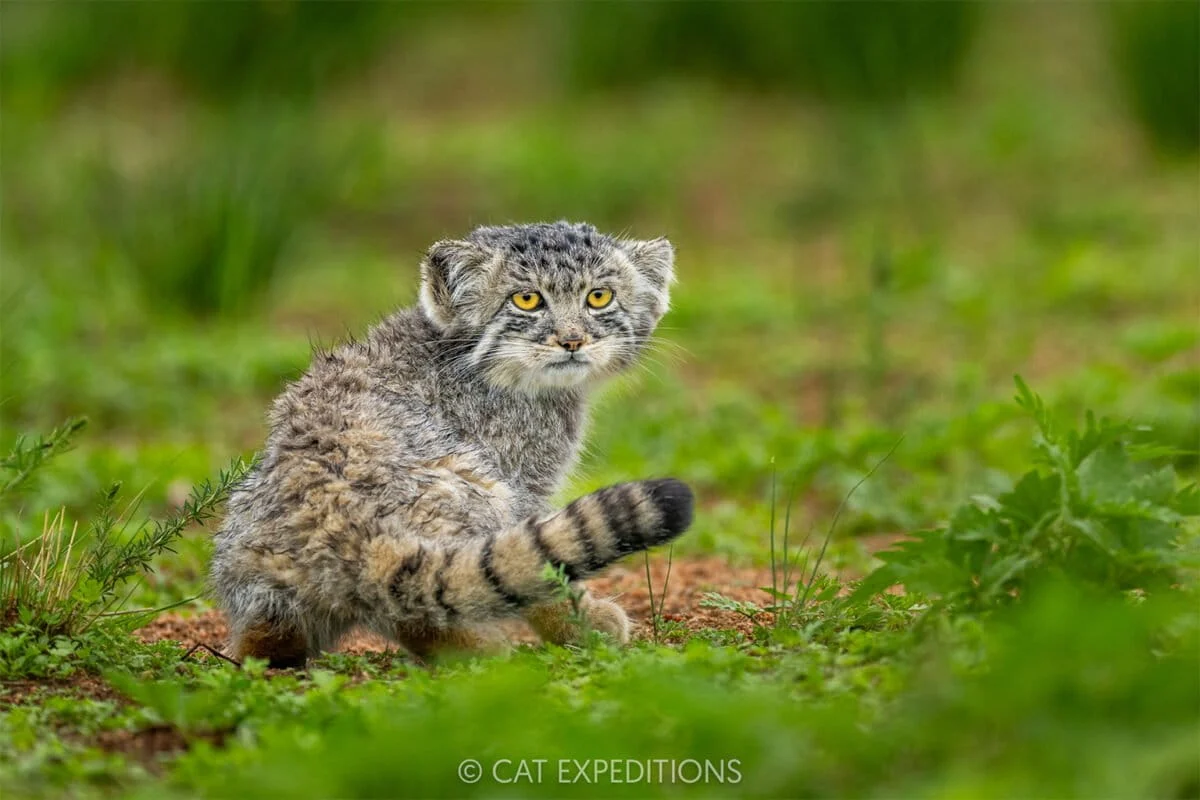
The Limi Valley has long been recognized as a sanctuary for rare and globally threatened species. Biological surveys conducted over the past decade have confirmed the presence of a diverse array of fauna, including the Himalayan wolf (Canis lupus chanco), the snow leopard (Panthera uncia), the Eurasian lynx, the Tibetan brown bear, and the elusive Pallas’s cat. Furthermore, the region supports the largest population of kiang—the world’s largest wild ass—in Nepal, alongside significant populations of wild yak and various marmot and pika species.

However, recent field observations by the Himalayan Wolves Project paint a starkly different picture. Where researchers previously documented the stable denning sites of wolf packs, they now encounter expansive sheep and goat herding camps. These camps, often numbering in the thousands of animals, have moved into areas previously reserved for traditional, low-density yak and jhoppa (a yak-cow hybrid) grazing. This shift is not merely a change in livestock composition; it is a fundamental disruption of the ecological balance that has been maintained by the local Limi people for centuries.
The Dynamics of Ecological Degradation
The ecological impact of this shift is multifaceted, involving direct habitat destruction, disease transmission, and intensified human-wildlife conflict. Unlike traditional yak herding, which is governed by local communal regulations and involves limited, supervised grazing, the new commercial sheep and goat operations are intensive.
Sheep and goats are significantly more destructive to high-altitude flora, grazing on herbs, shrubs, and nascent grass shoots with an efficiency that leaves little for native herbivores. This creates a resource vacuum. As the population of wild herbivores—such as the blue sheep and Tibetan gazelle—declines due to competition and habitat displacement, apex predators like the Himalayan wolf are increasingly pushed toward the only remaining prey source: domestic livestock.

This dynamic triggers a cycle of retaliation. When wolves prey on sheep and goats, local herders—many of whom are not native to the valley and lack the traditional, conservation-minded ethos of the Limi community—often resort to lethal measures, including shooting or poisoning. Poison, in particular, poses an indiscriminate threat, frequently killing not only the targeted carnivore but also scavengers and nontarget species that consume the poisoned remains.
The Role of Unsupervised Domestic Dogs
A significant, often overlooked component of this crisis is the role of free-ranging herding dogs. While trained, supervised dogs are an essential tool for protecting livestock from natural predators, the dogs observed in the Upper Humla region are largely unsupervised and underfed.
Field reports indicate that these dogs roam up to 10 kilometers from their camps, actively hunting marmots, pikas, and woolly hares. More concerningly, these packs have been observed harassing wild ungulates and encroaching on active wolf dens. In one documented instance, a wolf pack was forced to defend its pups against a pack of stray herding dogs just 500 meters from their den. Such disturbances are catastrophic for wolf reproductive success, as evidenced by the lowest pup counts recorded in a decade of monitoring by the Himalayan Wolves Project.

Infrastructure and the Erosion of Stewardship
The degradation of the Limi Valley is exacerbated by the encroachment of physical infrastructure. The construction of roads, ostensibly intended to facilitate religious tourism, has inadvertently provided corridors for illegal wildlife trade and expanded the footprint of commercial interests. These roads are rarely utilized by the local communities for subsistence; instead, they serve as conduits for the transport of livestock into sensitive zones and the movement of illicit wildlife products across the border.
This trend is coupled with a demographic shift. Younger generations, seeking economic opportunities in urban centers, are increasingly leaving the valley. As the traditional stewards of the land depart, their historical management systems—which successfully integrated ecology, culture, and sustainable livelihood—are being dismantled. They are being replaced by transient commercial interests that view the rangelands as a resource for immediate extraction rather than a legacy to be preserved.
The Climatic Context: A Fragile Frontier
The ecological pressures on the Limi Valley are intensified by the broader climate crisis affecting the entire Himalayan region. Glacial instability, evidenced by the increasing frequency of glacial lake outburst floods (GLOFs), has rendered the landscape increasingly hazardous.

On August 26, the Bhote Koshi-Trishuli corridor of central Nepal experienced a massive flash flood, causing significant loss of life and infrastructure. While the recent events in Limi—such as the destruction of bridges—are smaller in scale, they serve as a bellwether for the cascading hazards that threaten high-mountain communities. The loss of traditional grazing lands to climate-driven disasters forces herders into smaller, less resilient pockets of territory, further concentrating livestock and intensifying the strain on the environment.
Policy Implications and the Need for Protection
The scientific community and local advocates are calling for an urgent shift in policy to secure the future of the Upper Humla region. The proposed solution is a formal, government-backed legal framework that establishes designated ecosystem protection zones.
Crucially, experts emphasize that conservation must not come at the cost of local livelihoods. Instead, a dual-track strategy is recommended:

- Zoning for Sustainability: Implementing designated, sustainably managed pasturelands that provide secure, long-term grazing rights for local herders while ensuring that core wildlife habitats remain off-limits to large-scale commercial livestock.
- Community-Led Stewardship: Empowering the remaining Limi community to act as the primary guardians of the land, supported by technical and financial assistance from the Nepalese government and international conservation organizations.
- Border Management and Law Enforcement: Strengthening monitoring along the transboundary corridors to mitigate illegal wildlife trade and enforce regulations regarding the use of poison and the management of herding dogs.
Conclusion: A Time-Sensitive Mandate
The situation in the Limi Valley is a microcosm of the challenges facing high-altitude ecosystems worldwide. As traditional ways of life fade and commercial pressures mount, the "wild" is being pushed into increasingly fragmented corners. The decline in the kiang population and the reduced reproductive success of the Himalayan wolf are not isolated anomalies; they are clear indicators of an ecosystem under severe duress.
Without immediate intervention, the unique biological and cultural heritage of the Limi Valley risks being lost to history. The window for action is rapidly closing. Protecting these high-altitude refuges requires more than just biological research; it demands a political and social commitment to recognize the intrinsic value of the Himalayas as a living, breathing, and deeply fragile entity. The path forward must prioritize a balance where human presence and nature can once again coexist, as they did for a thousand years, before the ecological wealth of the region is irreversibly diminished.