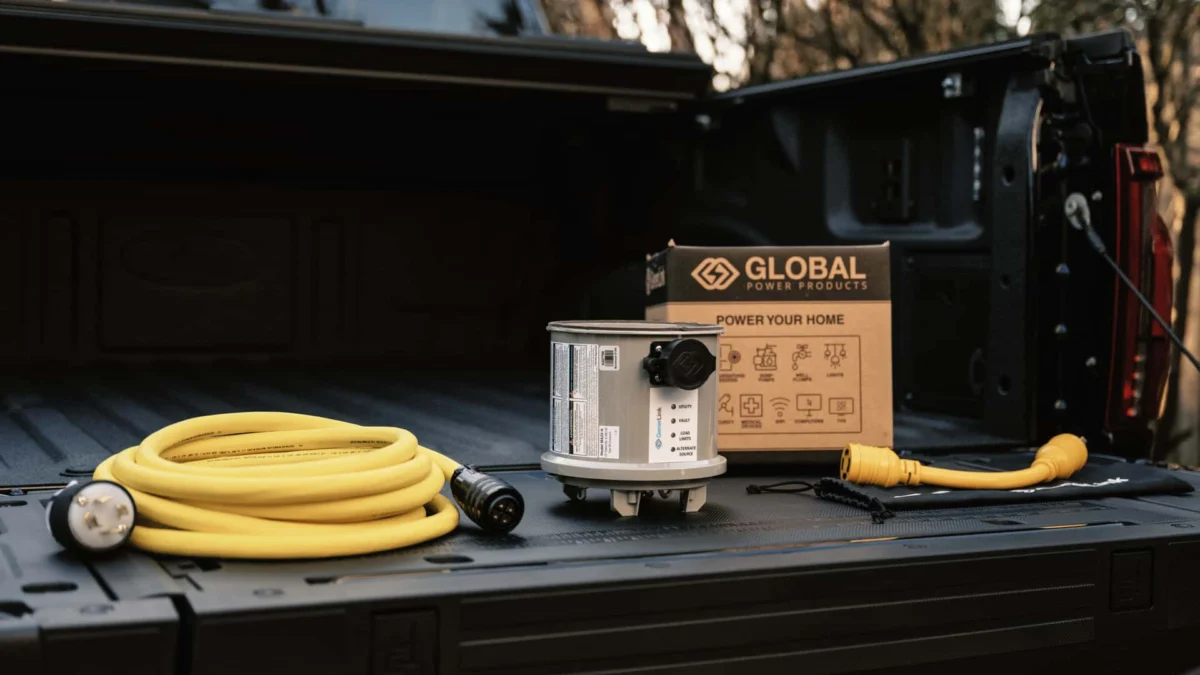
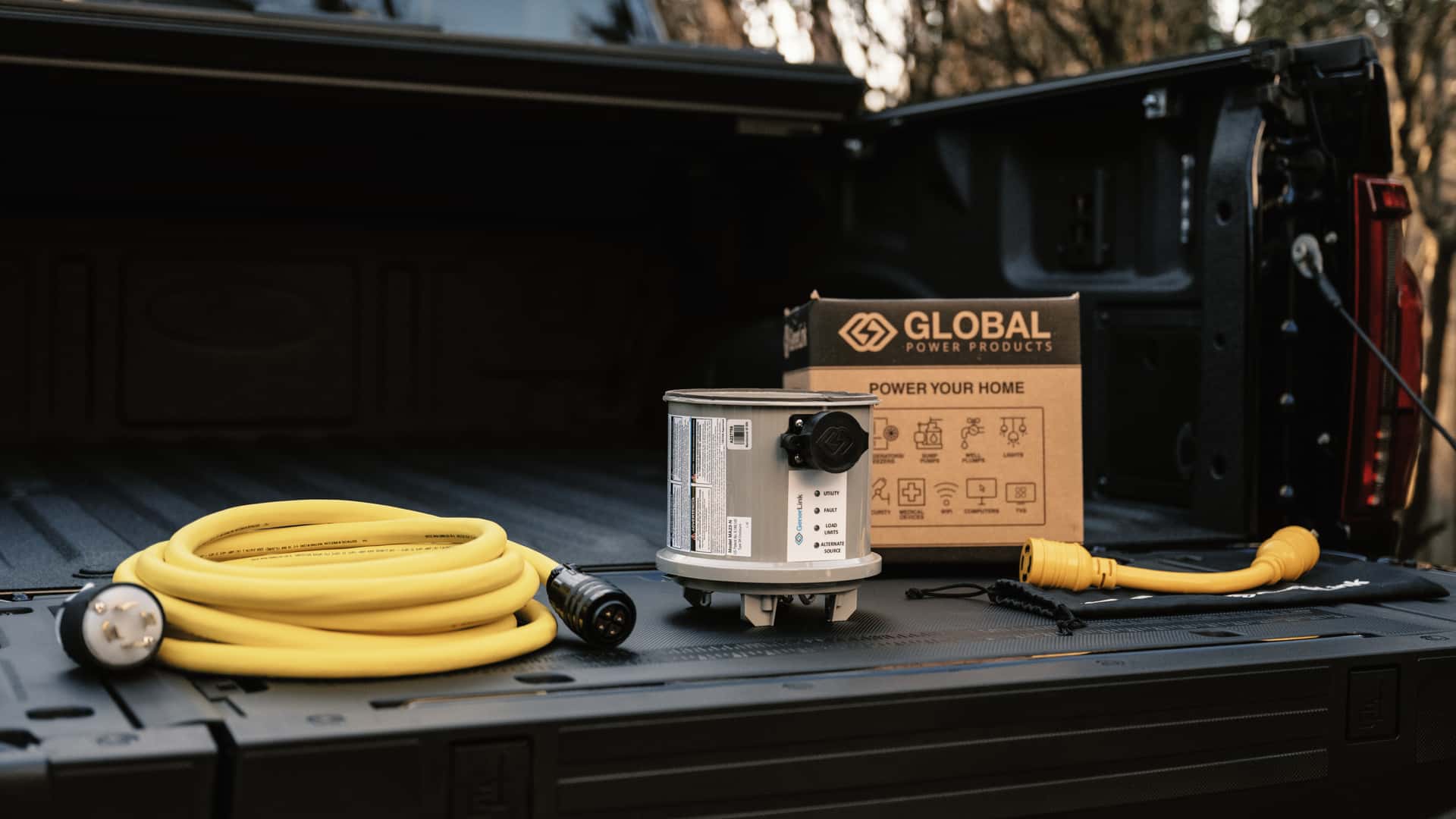
In a significant move toward enhancing the utility of electric and hybrid vehicles for residential resilience, Ford Motor Company has announced a new partnership with Global Power Products to offer a streamlined home backup power solution. This collaboration introduces a specialized version of the GenerLink transfer switch, specifically engineered to be compatible with the Ford F-150 Lightning and the F-150 PowerBoost Hybrid. The initiative aims to lower the barrier to entry for homeowners seeking to utilize their vehicles as emergency power sources during grid failures, replacing the cumbersome and often hazardous reliance on multiple extension cords with a professional, integrated electrical connection.
The centerpiece of this announcement is the compatibility of the GenerLink system with Ford’s Pro Power Onboard technology. This feature, which has become a hallmark of Ford’s modern truck lineup, allows the vehicle to act as a mobile generator. By utilizing a 240-volt outlet located in the truck’s bed, owners can now link their vehicle directly to their home’s main electrical panel. This setup effectively transforms the F-150 from a mode of transportation into a sophisticated residential energy storage and delivery system, capable of sustaining essential household appliances such as refrigerators, well pumps, and lighting systems during prolonged outages.
Technical Specifications and Hardware Integration
The new solution is designed to support two specific configurations of Ford’s flagship pickup. For the all-electric F-150 Lightning, the system integrates with the 9.6-kilowatt Pro Power Onboard system. For the F-150 PowerBoost Hybrid, it utilizes the 7.2-kilowatt variant. While the concept of using a vehicle to power a home—often referred to as Vehicle-to-Home (V2H) technology—is not entirely new, the execution of this partnership focuses on standardizing the connection process.
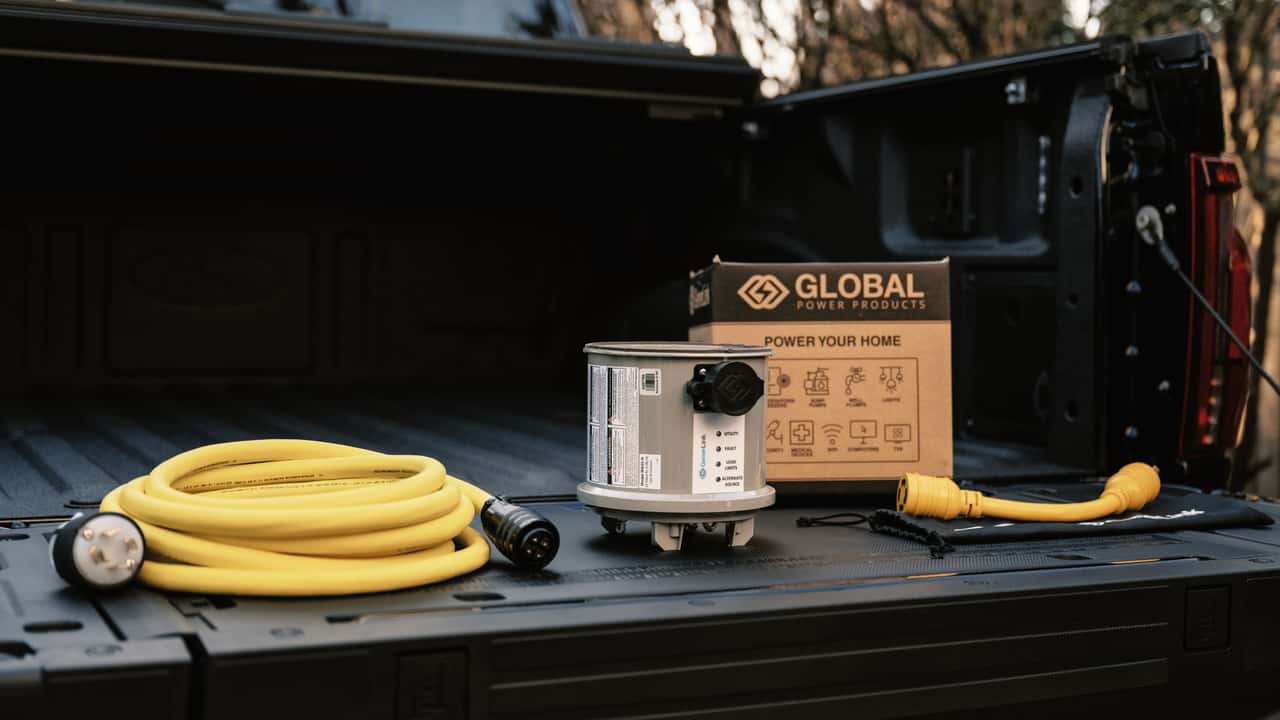
A critical component of this package is the "Ford Vehicle Connector," a proprietary 12-inch cord that serves as the bridge between the truck’s bed outlet and the GenerLink transfer switch. Ford engineers have emphasized that while aftermarket connectors have existed in the enthusiast community for some time, the official Ford-approved hardware has undergone rigorous testing to ensure it does not interfere with the vehicle’s internal safety systems. One common issue reported by owners attempting DIY setups was the frequent tripping of built-in ground-fault circuit interrupter (GFCI) sensors, which are highly sensitive to the grounding configurations of residential electrical panels. The new Ford-approved system is calibrated to mitigate these technical conflicts, providing a stable flow of electricity without triggering safety shut-offs.
The Cost of Resilience: Installation and Hardware Pricing
Ford has positioned this new offering as a more cost-effective alternative to its previous high-end backup solutions. The hardware itself is priced at approximately $1,100. However, the total cost for the consumer will depend largely on the existing electrical infrastructure of their home and local utility regulations.
There are two primary methods for installing the GenerLink system:
- At-the-Meter Installation: This is the most streamlined method, where the transfer switch is installed directly behind the electric meter. Ford estimates the labor for this installation ranges between $250 and $450. It is important to note, however, that not all utility companies permit hardware to be attached directly to their meters.
- Next-to-Meter Installation: In jurisdictions where meter-mounted switches are prohibited, the system must be installed in a separate enclosure adjacent to the meter or the main panel. This more complex installation typically costs between $1,000 and $1,500 in labor and additional materials.
Despite these variables, the GenerLink solution represents a significant price reduction compared to Ford’s original "Intelligent Backup Power" system. That earlier system, developed in partnership with Sunrun, required the Ford Charge Station Pro and a Home Integration System, which together could cost upwards of $4,000 before factoring in high-cost professional installation that often exceeded $5,000. By utilizing the existing Pro Power Onboard hardware already built into the trucks, the new GenerLink partnership offers a "middle ground" for consumers who want reliability without the five-figure price tag of a full-scale solar and battery integration.
Contextual Background: The Rise of Vehicle-to-Home Technology
The launch of this product comes at a time when the American electrical grid is facing unprecedented challenges. According to data from the U.S. Energy Information Administration (EIA), the average American electricity customer experienced over eight hours of power interruptions in recent years, a figure that has trended upward due to extreme weather events and an aging infrastructure.
Ford’s F-150 Lightning was one of the first mass-market EVs to lean heavily into the "workhorse" narrative, moving beyond simple transportation. During the 2021 Texas freeze and subsequent hurricane seasons in the Southeast, social media was flooded with accounts of Lightning owners using their trucks to keep their families warm or to power medical equipment. These grassroots "use cases" proved that there was a massive demand for a simplified, safe way to connect a truck to a house.
Previously, owners had to resort to "back-feeding" their homes through dryer outlets—a practice that is illegal in many areas and extremely dangerous for utility workers—or running a "spider web" of extension cords through cracked windows and doors. The partnership with Global Power Products is Ford’s official response to these safety and convenience concerns.
Chronology of Development
The journey toward this simplified backup solution began shortly after the Lightning’s debut in 2022. While the initial Sunrun partnership targeted early adopters and those seeking a permanent, automated backup solution, Ford realized that a significant portion of its customer base desired a "portable generator" experience.
- May 2021: Ford reveals the F-150 Lightning, highlighting its ability to power a home for up to three days.
- 2022-2023: Early adopters report challenges with the Sunrun installation process, including high costs and long wait times for specialized electricians.
- Early 2024: Ford begins internal testing of the GenerLink system to ensure the truck’s inverter could handle the specific grounding requirements of residential panels.
- Late 2024: Official announcement of the partnership with Global Power Products and the release of the Ford Vehicle Connector.
Official Responses and Safety Implications
In a statement regarding the new product, a Ford spokesperson clarified the company’s stance on safety: "While we recognize the ingenuity of our owners who have found ways to utilize Pro Power Onboard in the past, we cannot endorse the use of uncertified aftermarket connectors. Our partnership with Global Power Products ensures that the electrical handshake between the vehicle and the home is seamless, protecting both the vehicle’s sophisticated electronics and the home’s electrical integrity."
Electrical safety experts have praised the move toward approved transfer switches. A transfer switch is essential because it isolates the home from the utility grid. Without this isolation, a vehicle could "back-feed" electricity into the power lines, potentially electrocuting utility linemen working to restore power. The GenerLink switch provides a physical lockout that ensures the home is drawing power from only one source at a time.
Broader Impact and Market Analysis
The implications of this move extend beyond Ford’s bottom line. It signals a shift in how automakers view the value proposition of electric vehicles. By making the F-150 Lightning and Hybrid more capable "appliances," Ford is creating a secondary utility for the vehicle that justifies its premium price point.

For the F-150 PowerBoost Hybrid, the value is particularly high. Unlike the pure-electric Lightning, which is limited by its battery capacity (typically 98 to 131 kWh), the Hybrid can run its internal combustion engine to recharge its smaller battery as needed. With a full tank of gas, a PowerBoost Hybrid can provide 7.2 kW of power for several days, acting as a highly efficient, ultra-quiet portable generator.
From a market perspective, this move puts pressure on other EV manufacturers to standardize their V2H offerings. While brands like Hyundai and Kia offer Vehicle-to-Load (V2L) through simple adapters, they have yet to roll out a Ford-style integrated home transfer switch solution. Tesla has recently entered this space with its "Powershare" technology for the Cybertruck, but like Ford’s initial Sunrun offering, it remains an expensive and complex installation.
Conclusion: Toward a More Resilient Future
As climate-driven weather events become more frequent and the national grid continues to age, the role of the electric vehicle as a "mobile power plant" is likely to expand. Ford’s partnership with Global Power Products is a pragmatic step in this evolution. By offering a solution that is cheaper than a dedicated home battery (like a Tesla Powerwall) but safer and more convenient than a traditional gas generator, Ford is positioning its trucks as essential tools for modern residential life.
The $1,100 GenerLink solution may not be the right fit for every homeowner, particularly those in areas with highly restrictive utility regulations, but for the average F-150 owner, it provides a clear, manufacturer-approved path to energy independence during emergencies. As the automotive industry continues to transition toward electrification, the ability to "plug in your house" may soon become as standard a feature as four-wheel drive or towing capacity.