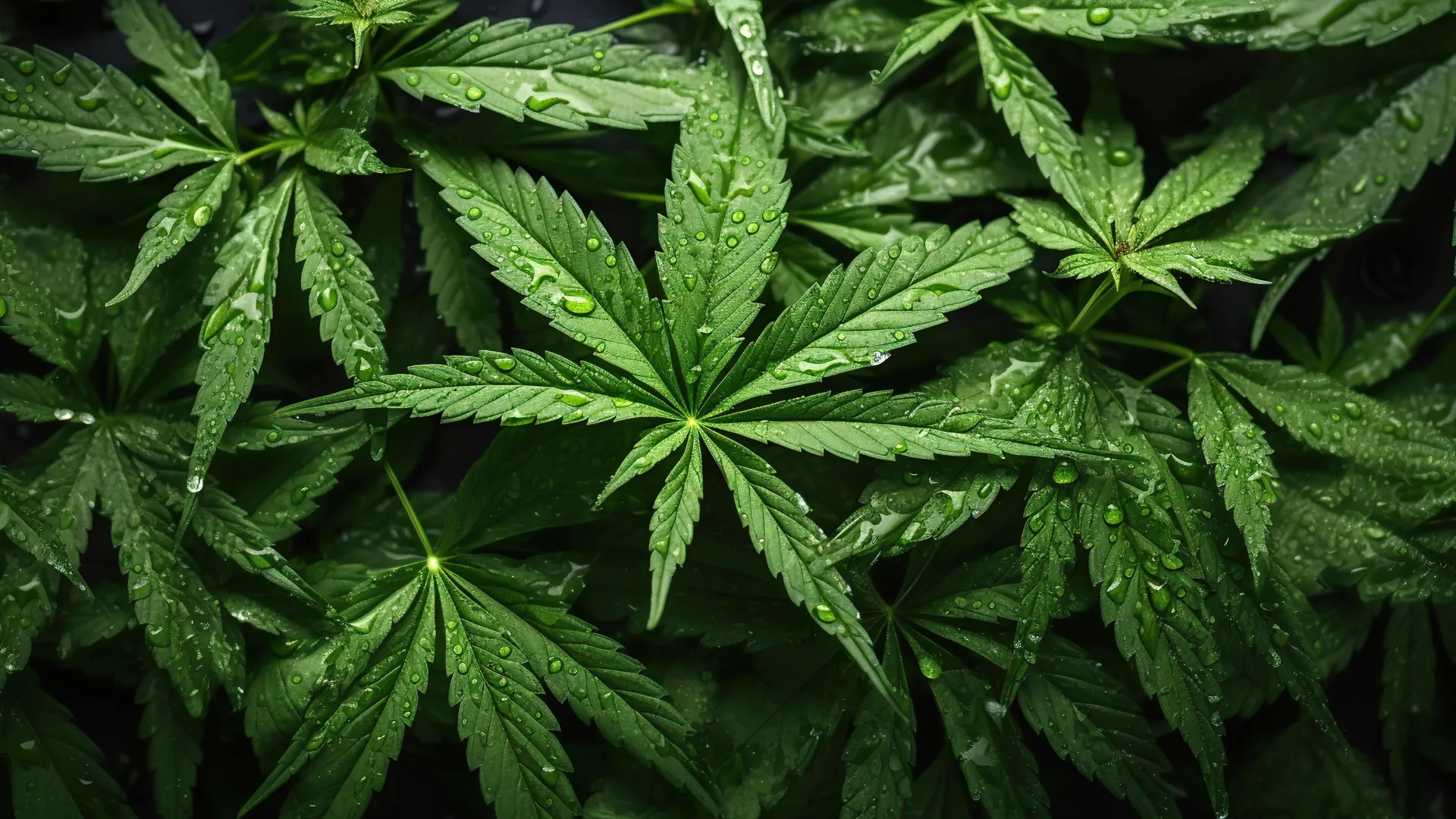
In a discovery that recalibrates our understanding of prehistoric human interaction with psychoactive flora, an international research team has uncovered the oldest directly dated archaeological evidence of cannabis use for its intoxicating effects. Excavated from a 2,800-year-old tomb in the Republic of Tyva, located in the rugged terrain of southern Siberia, the findings offer a rare, scientifically robust glimpse into the ceremonial lives of the Scythians, a legendary nomadic culture of horse-riding warriors who dominated the Eurasian steppe during the Iron Age. The research, recently published in the journal Science, bridges the gap between botanical remains and molecular analysis, providing a definitive link between ancient burial rites and the consumption of cannabis.
The Archaeological Context of the Scythian Burial
The site of the discovery is an elaborate, princely burial mound that has long intrigued archaeologists for its structural complexity and the wealth of artifacts interred within. The Scythians were renowned for their sophisticated metalwork, intricate textiles, and, perhaps most notably, their deep spiritual connection to the natural world and the afterlife. Dr. Gino Caspari, affiliated with the Institute of Archaeological Sciences at the University of Bern and the Max Planck Institute of Geoanthropology, led the international team in conducting a meticulous investigation of this site.
The tomb itself is a testament to the immense power and status of the individuals buried within. Excavations have revealed a grisly yet culturally significant practice of mass animal and potential human sacrifice. Earlier phases of the dig identified the remains of 18 horses meticulously arranged around the burial mound. Further exploration has since expanded this figure to several dozen horses, alongside scattered human skeletal remains. These elements suggest that the burial was not merely a final resting place but a high-stakes performance of wealth, status, and religious devotion. The inclusion of approximately 1,000 cannabis seeds within this context suggests that the plant was viewed as a vital component of the transition to the afterlife, likely serving as a bridge between the physical and spiritual realms.
Chronology and Scientific Methodology
The dating of the site was a multi-stage process that relied on the convergence of radiocarbon dating and stratigraphic analysis. By selecting six individual seeds for radiocarbon dating, the researchers established a high degree of confidence that the deposits date to the early eighth century B.C. This places the burial at the height of Scythian influence in the region, a time when trans-Eurasian trade routes were beginning to coalesce and facilitate the exchange of goods, ideas, and agricultural products.
While the presence of seeds is a common occurrence in archaeological sites across Central Asia, their presence alone is frequently misinterpreted. Historically, cannabis was a "multi-purpose" plant; it provided durable fibers for textiles, nutritious oils from seeds, and potential medicinal or psychoactive compounds from its flowers and leaves. Distinguishing between these uses is notoriously difficult because plant matter decomposes rapidly in most soil conditions. To overcome this, the research team utilized high-resolution mass spectrometry on human hair samples recovered from the tomb’s central chamber.
The detection of cannabinol (CBN) in the hair samples provided the breakthrough. CBN is a degradation product of tetrahydrocannabinol (THC), the primary psychoactive compound in cannabis. The presence of CBN, accompanied by lower-level signatures consistent with THC, confirms that the individuals buried in the tomb had ingested cannabis. Whether this was through direct inhalation of smoke or through the ingestion of a decoction or extract remains a subject of ongoing investigation, as the current evidence is unable to pinpoint the exact delivery mechanism.
The Role of Psychoactive Substances in Prehistoric Rituals
The integration of cannabis into funerary rites is not entirely unprecedented, but the Siberian discovery provides the first instance where the "smoking gun"—molecular evidence within human remains—is directly tied to a specific burial context. This discovery adds a crucial chapter to the global history of intoxicants. While the Scythians may have utilized cannabis for its practical utility in rope-making or food production, the chemical evidence within the hair strongly suggests a ritualistic, mind-altering function.
Anthropologists have long hypothesized that the use of psychoactive substances in burial ceremonies served to facilitate the transition of the deceased or to assist the mourners in entering an altered state of consciousness conducive to communion with the divine. In the harsh, expansive environment of the Eurasian steppe, the use of cannabis may have served to mitigate the psychological stress of the burial process or to reinforce the social cohesion of the group through shared ritual experience.
Broader Implications and Future Directions
The significance of this discovery extends beyond the confirmation of ancient drug use; it opens a window into the domestication and early distribution of cannabis. Because the DNA preservation in the recovered seeds is described by researchers as "excellent," the team is currently engaged in advanced genetic sequencing. This will allow scientists to determine if these seeds belonged to wild landrace strains or if the Scythians were already practicing selective breeding to favor higher concentrations of THC.
"We have already begun sequencing some of the plant samples," says Dr. Caspari. "This will help us learn more about the history of the domestication and spread of this crop soon." If the genetic analysis reveals that these plants were modified or transported over long distances, it would indicate that the Scythians played a far more active role in the agricultural history of Central Asia than previously understood. It would suggest that cannabis was not just a local wild harvest but a traded commodity of significant cultural value.
Scientific and Historical Analysis
The implications of the Tyva tomb findings are twofold. First, they provide a standardized methodology for future archaeological investigations. By pairing botanical remains with molecular analysis of human tissues, researchers can now address questions of substance use with a level of scientific rigor that was previously impossible. This multi-proxy approach will likely become the gold standard for studies involving ancient organic materials.
Second, the findings challenge the narrative of "primitivism" often associated with ancient nomadic cultures. The Scythians were clearly sophisticated in their handling of botanical resources, possessing a nuanced understanding of plant chemistry. The sheer scale of the burial, combined with the presence of carefully stored, high-value organic materials like cannabis, highlights a society that was deeply invested in the complexities of death, memory, and the unseen forces of the world.
As the scientific community awaits the results of the genetic sequencing, the discovery at the Tyva site serves as a poignant reminder of the enduring human fascination with substances that alter perception. From the early eighth century B.C. to the modern era, the relationship between humans and cannabis remains one of the most complex and persistent threads in the tapestry of human civilization. Whether used as a sacrament, a medicine, or a tool for social cohesion, the seeds found in this Siberian tomb continue to influence our understanding of history long after their original purpose was fulfilled.
This study not only cements the Scythians’ place in the history of psychoactive use but also underscores the necessity of interdisciplinary collaboration in modern archaeology. By combining the expertise of botanists, chemists, and historians, the researchers have managed to breathe life into a 2,800-year-old mystery, ensuring that the legacy of these ancient people is better understood, not just through the gold and weapons they left behind, but through the very plants they held sacred.