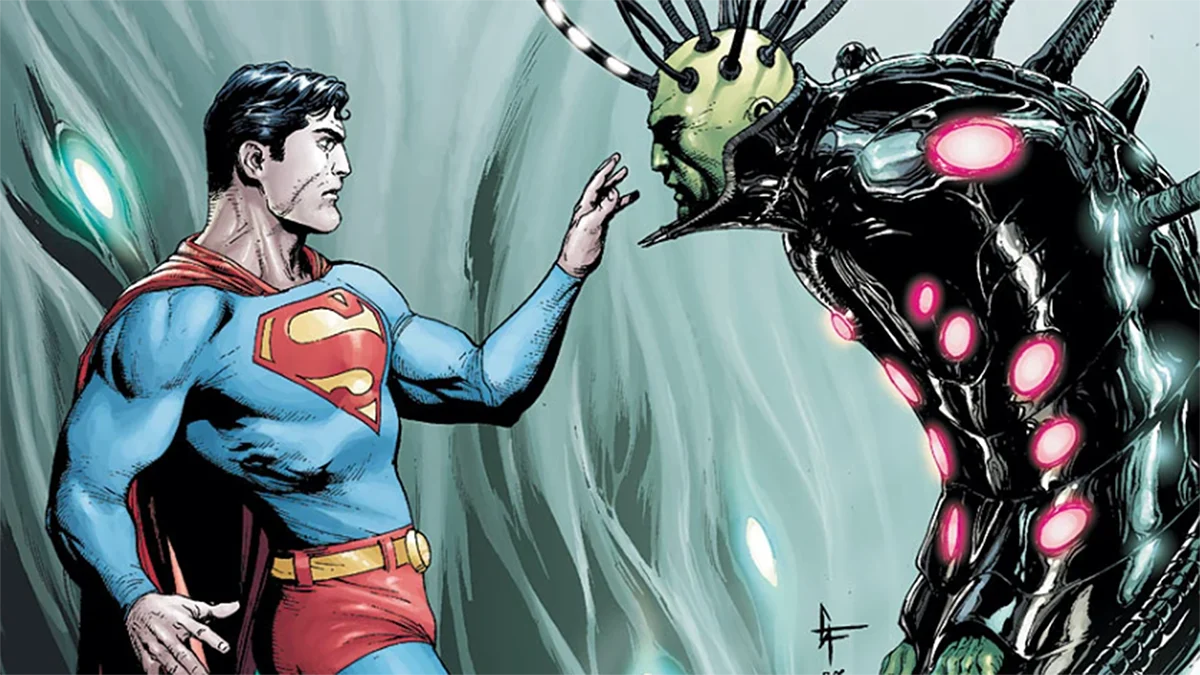
The landscape of modern cinematic universes is undergoing yet another seismic shift, and the ripples are being felt acutely at DC Studios. Following corporate restructuring resulting from the merger between Warner Bros. and Paramount under Skydance, leadership changes at the top have altered the trajectory of the newly minted DC Universe (DCU). James Gunn, who alongside Peter Safran spearheaded the initial ambitious reboot plan titled "Gods and Monsters," has exited his role as co-chairman and co-CEO. Consequently, the upcoming feature film Man of Tomorrow stands as the final entry in Gunn’s envisioned narrative blueprint for the franchise.
As the theatrical release approaches, anticipation surrounds how this concluding chapter will tie together the threads laid down by the initial slate of DCU projects. While the broader future of the DC franchise remains uncertain under incoming corporate leadership, Man of Tomorrow represents a significant milestone: the definitive conclusion of the Gunn-led era of storytelling on the big screen.
Release Date and Theatrical Distribution Strategy
Man of Tomorrow is officially scheduled for a theatrical release in the United States on July 9, 2027. International territories are anticipated to receive the film concurrently or within a narrow window surrounding the domestic debut.
The timeline for the sequel was solidified shortly after the successful box office and critical run of its predecessor, Superman. Warner Bros. Pictures and DC Studios mapped out a two-year production cycle, targeting a mid-summer release slot traditionally reserved for major tentpole blockbusters. Following its exclusive theatrical window—which industry projections estimate will last between 45 and 90 days depending on initial box office performance—the film is expected to transition to Warner Bros. streaming platforms, likely hitting HBO Max by the autumn of 2027.
Plot Dynamics and the Introduction of Brainiac
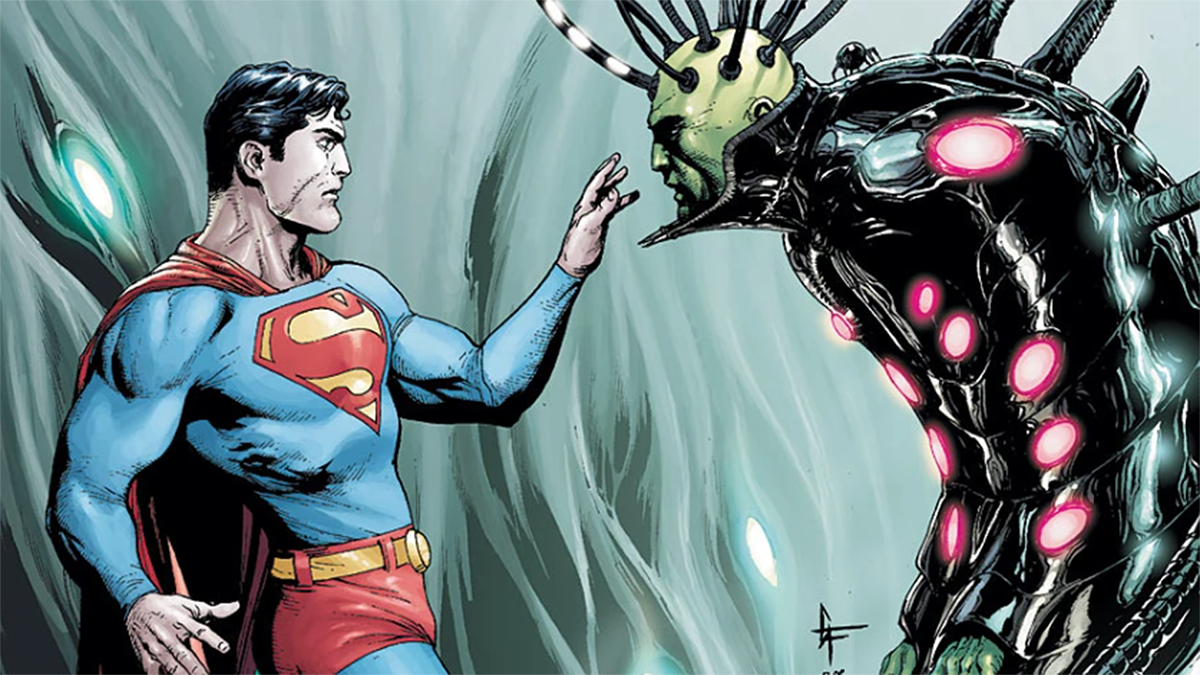
The narrative scope of Man of Tomorrow elevates the stakes from terrestrial conflicts to cosmic threats. Director James Gunn has confirmed that the iconic techno-organic alien intelligence, Brainiac, will serve as the primary antagonist of the film. Hailing originally from the planet Colu, Brainiac’s comic book history is defined by an obsessive quest for universal knowledge, often achieved by shrinking and bottling cities from doomed worlds before destroying the planets themselves.
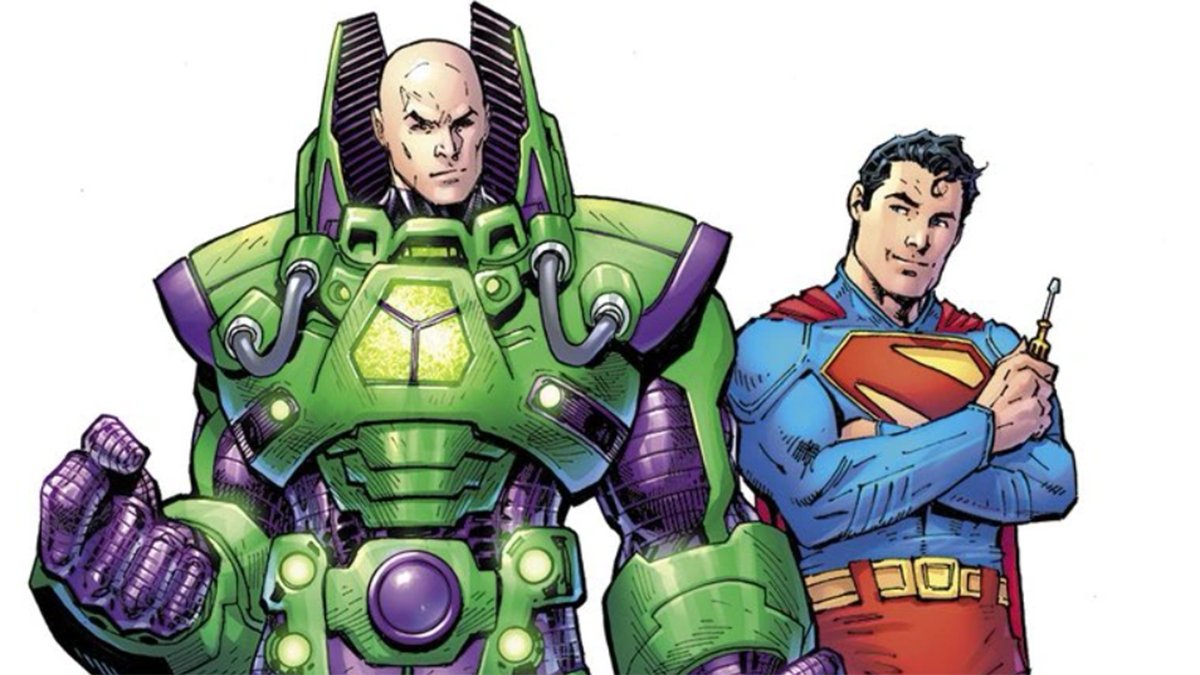
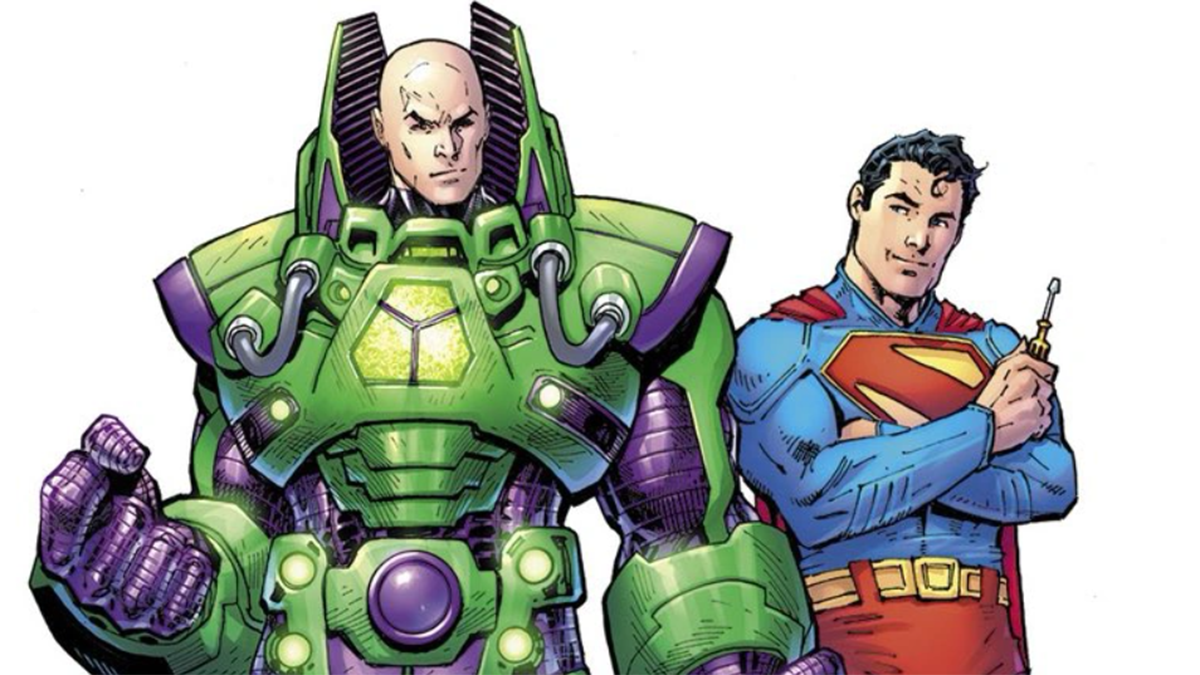
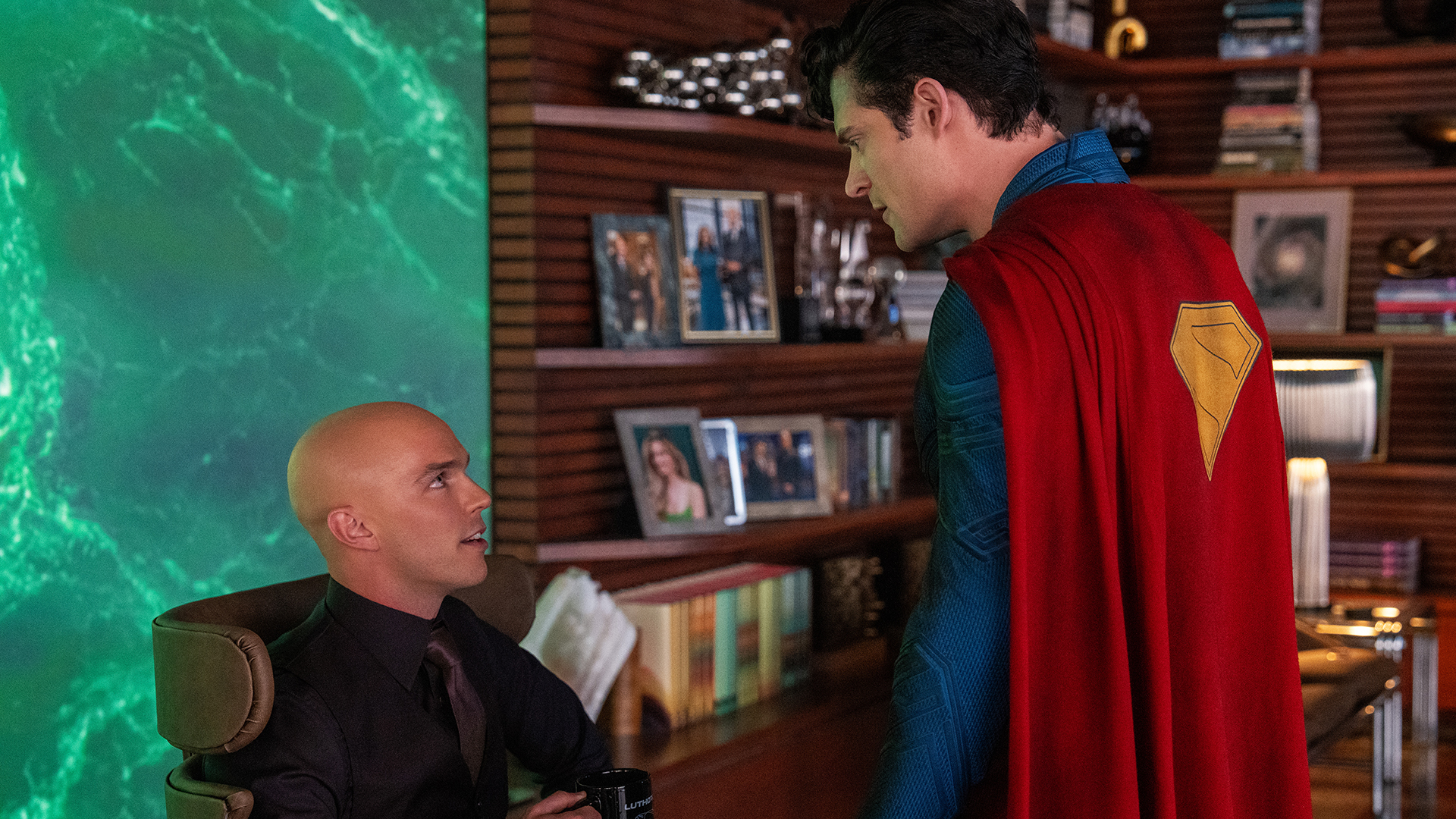
This intergalactic threat necessitates a massive expansion of the film’s roster, bringing together a coalition of heroes. Alongside Clark Kent, the narrative introduces a complex thematic dynamic: a reluctant alliance between Superman and his perennial adversary, Lex Luthor. Following the events of the first film, the formidable intellects of both characters are reportedly pushed to their limits in trying to neutralize Brainiac.
The plot structure hints at an ensemble approach, functioning similarly to a precursor for a cohesive Justice League iteration within the rebooted continuity. Characters from across the wider DCU—including established figures such as Mister Terrific, Guy Gardner, Hawkgirl, John Stewart, Blue Beetle, and Kara Zor-El (Supergirl)—are slated to appear, reflecting the interconnected nature of the "Gods and Monsters" chapter.
Comprehensive Cast and Crew Details
As a direct narrative continuation, Man of Tomorrow retains the core principal cast established in the opening entry of the DCU, alongside several high-profile additions.
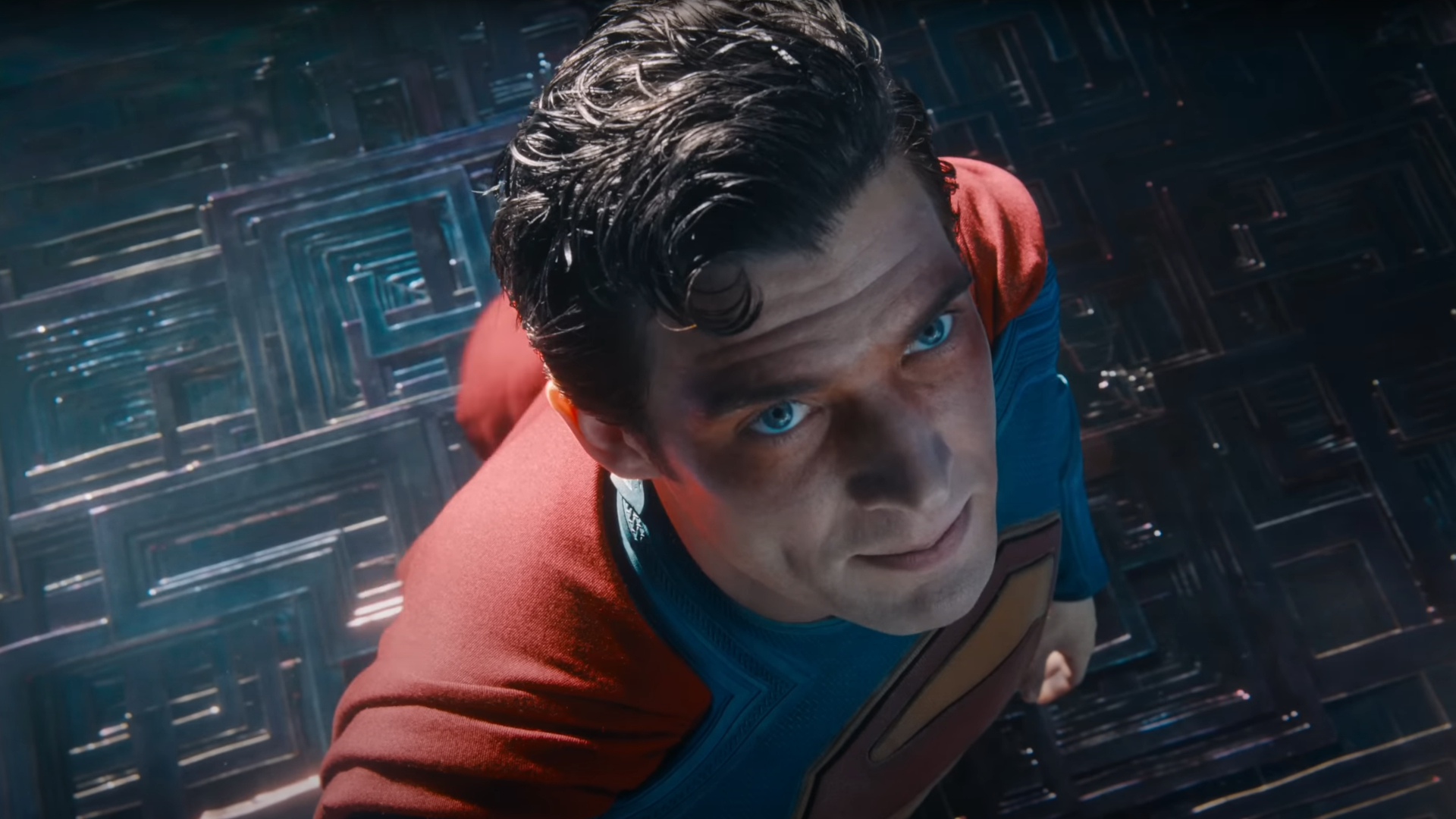
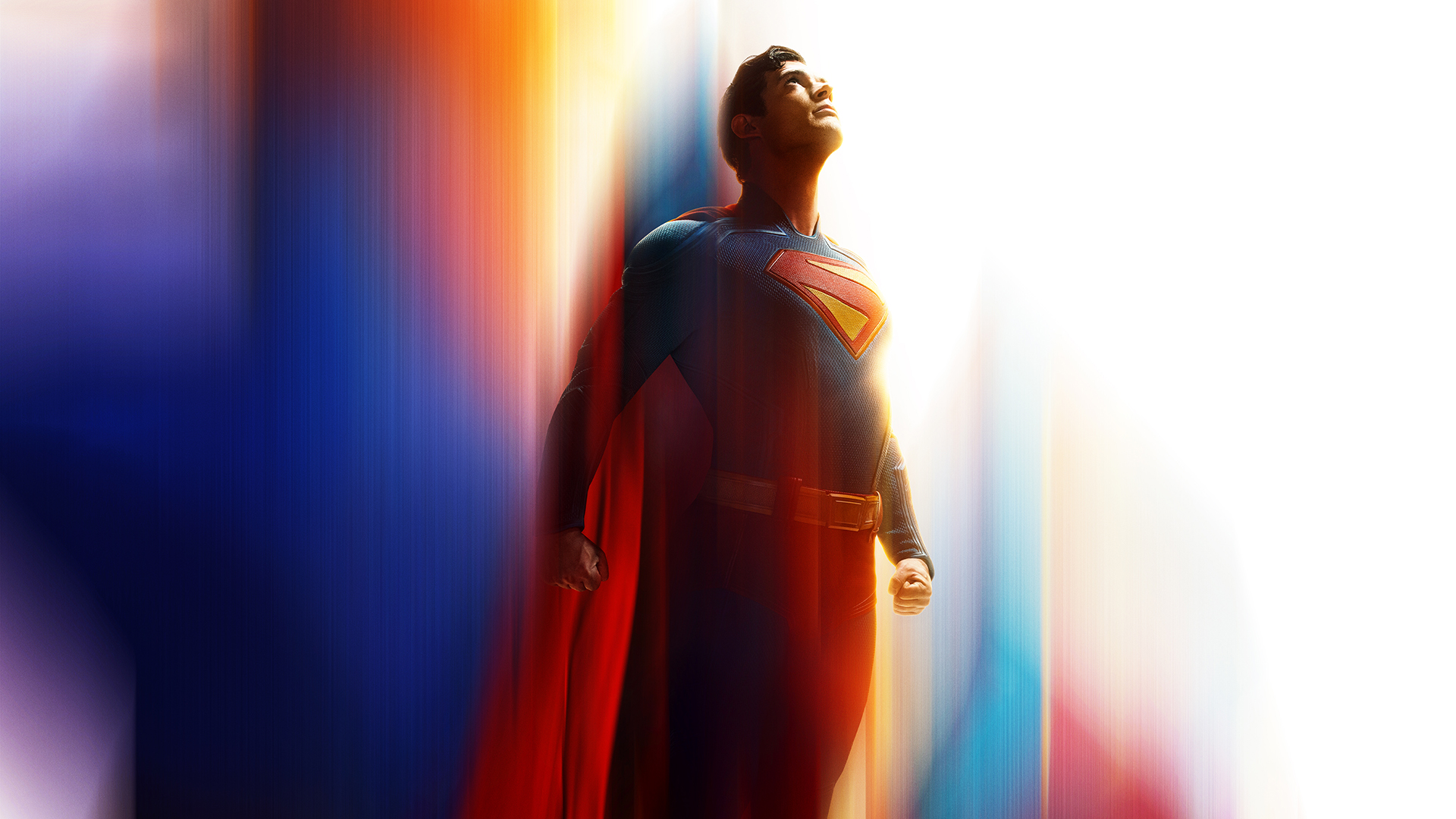
Returning cast members include David Corenswet as Clark Kent/Superman and Nicholas Hoult as Lex Luthor. The expanded ensemble incorporates established heroes and supporting figures from upcoming television and film projects within the shared universe.
New additions to the cast feature notable actors whose specific roles have drawn intense speculation from industry analysts and fans alike. Among them, Adria Arjona’s casting has generated considerable discussion. While initial trade reports linked her to the role of Maxima—an alien conqueror from Almerac with a complex history involving Superman—studio executives have kept official character confirmations strictly under wraps. Other confirmed cast members include Andre Royo, Matthew Lillard, and Sinqua Walls, though their respective affiliations within the narrative remain undisclosed.
Behind the camera, James Gunn maintains total creative control, serving as the sole writer and director. Despite executive restructuring at the studio level, Gunn completed his script duties prior to his departure. The production crew features seasoned collaborators, including cinematographer Sam McCurdy, editor Fred Raskin, and composer David Fleming, ensuring technical and stylistic continuity with the foundational entries of the DCU.
Broader Industry Implications and Franchise Context
The release of Man of Tomorrow carries profound implications for the commercial viability and structural identity of DC’s film adaptations. Historically, Warner Bros. has struggled to establish a cohesive, universally accepted cinematic universe that rivals competing franchises like the Marvel Cinematic Universe, which continues its own massive trajectory with upcoming releases such as Avengers: Doomsday.
Gunn’s approach relied heavily on diversifying the roster beyond just Batman and Superman, integrating second and third-tier comic characters to build a rich tapestry before converging on major team-up events. With Skydance dismantling the overarching long-term roadmap beyond 2027, Man of Tomorrow occupies a unique space: it is both a climactic culmination of a specific creative vision and a standalone event film.
As the industry watches to see how Skydance and incoming studio executives choose to steer the DC intellectual property moving forward, Man of Tomorrow stands as the ultimate test of audience appetite for Gunn’s specific brand of comic book adaptation. Whether the film serves as a hard stop or a flexible pivot point for future iterations will become clearer as the marketing campaign ramps up in the latter half of 2026.