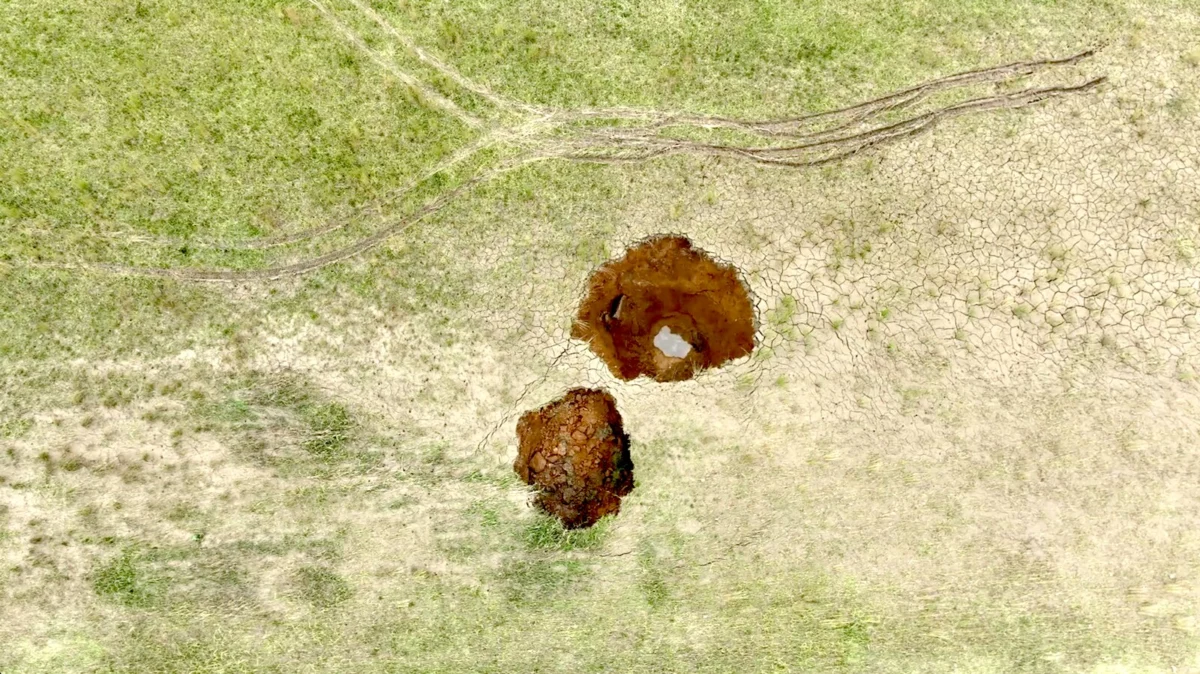
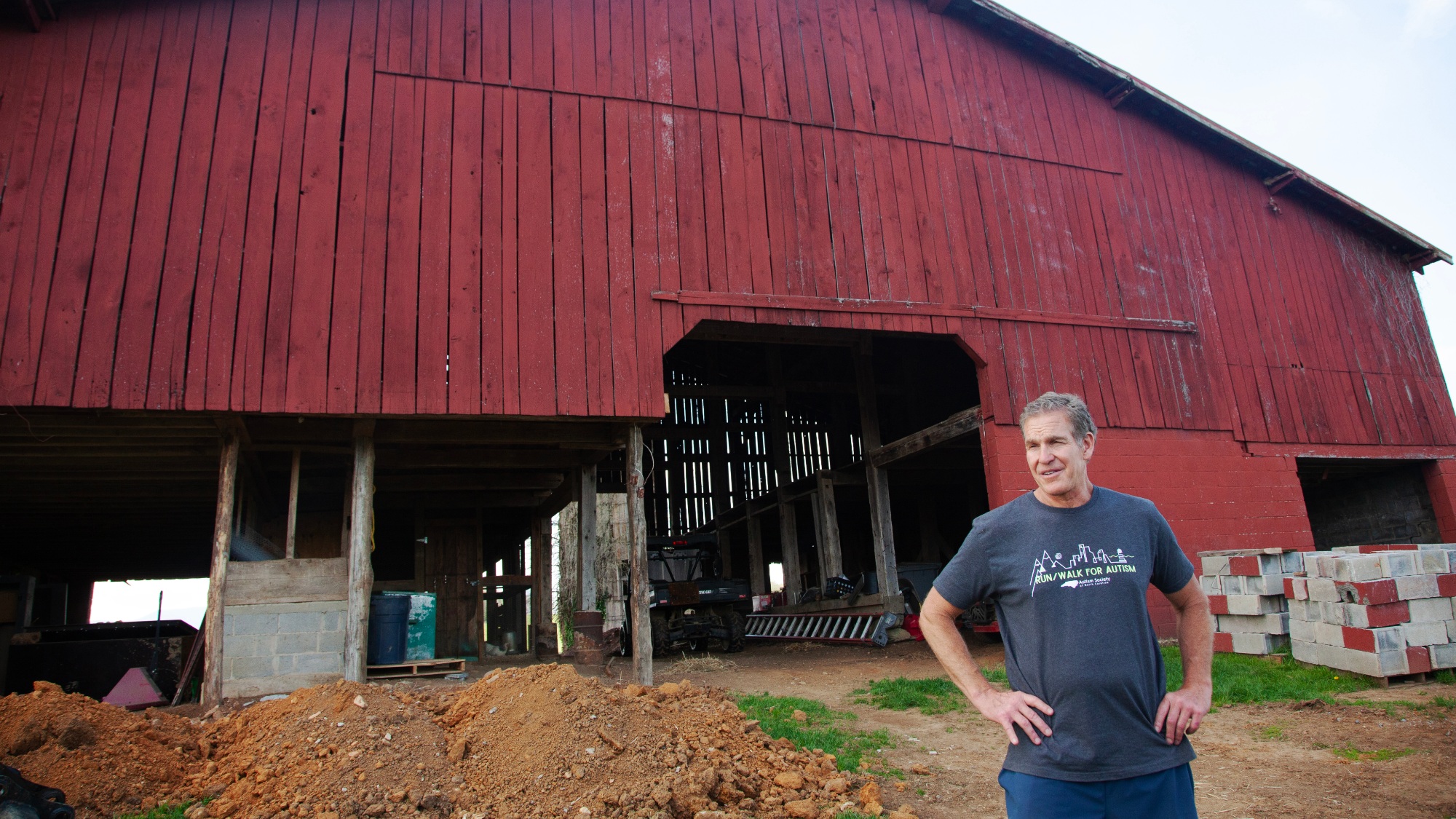
Will Runion’s 736-acre cattle and hay farm is tucked into a horseshoe bend of the Nolichucky River in northeast Tennessee. On the morning of Friday, September 27, 2024, he was in the middle of two major projects: building a riverfront campground on his land to diversify his income and cutting the final hay of the season. Hurricane Helene had been arcing up from Florida toward the Appalachian Mountains, carrying historic levels of moisture. Although the river was high, Runion initially believed the banks would hold. Nevertheless, he began moving cattle and heavy equipment to higher ground as a precaution.
By 11 a.m., the situation turned critical. The Nolichucky River topped its banks with brown, churning water. Runion, along with his fiancée, his son-in-law’s parents, and several neighbors, scrambled to salvage what they could. They were nearly trapped when the rapidly expanding river surged into a low-lying area behind their workspace, effectively cutting them off from dry land. By the afternoon, the river had swollen to approximately 1,200 feet wide—nearly ten times its usual width. Runion described the scene as looking "just like a lake." Mature trees snapped in the current, and the debris of neighbors’ lives—barns, roofs, hay bales, and household furniture—swirled past. The flood eventually swallowed Runion’s hay equipment and swept away a small white house intended for the campground’s office, carrying it across a distant field.
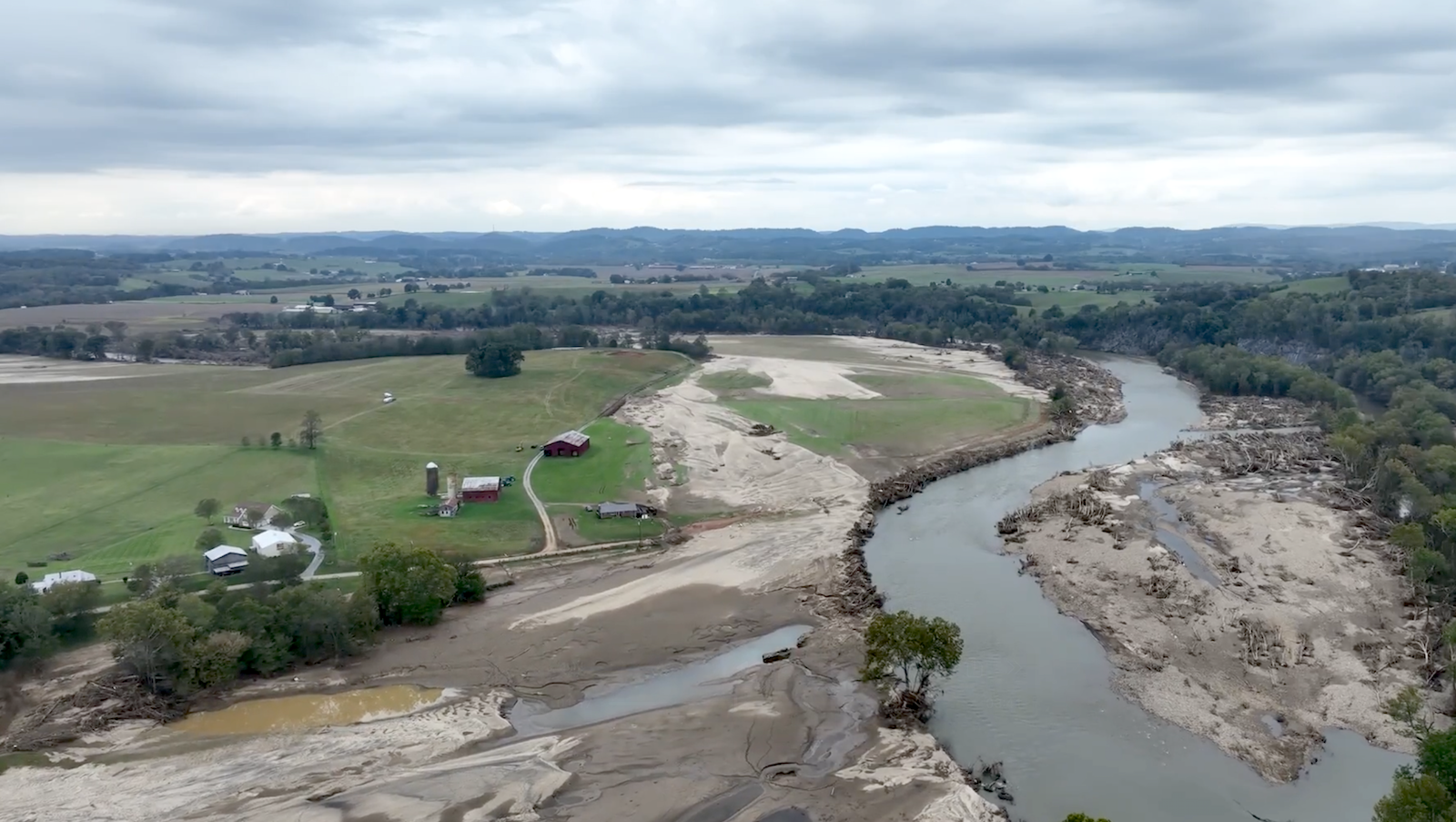
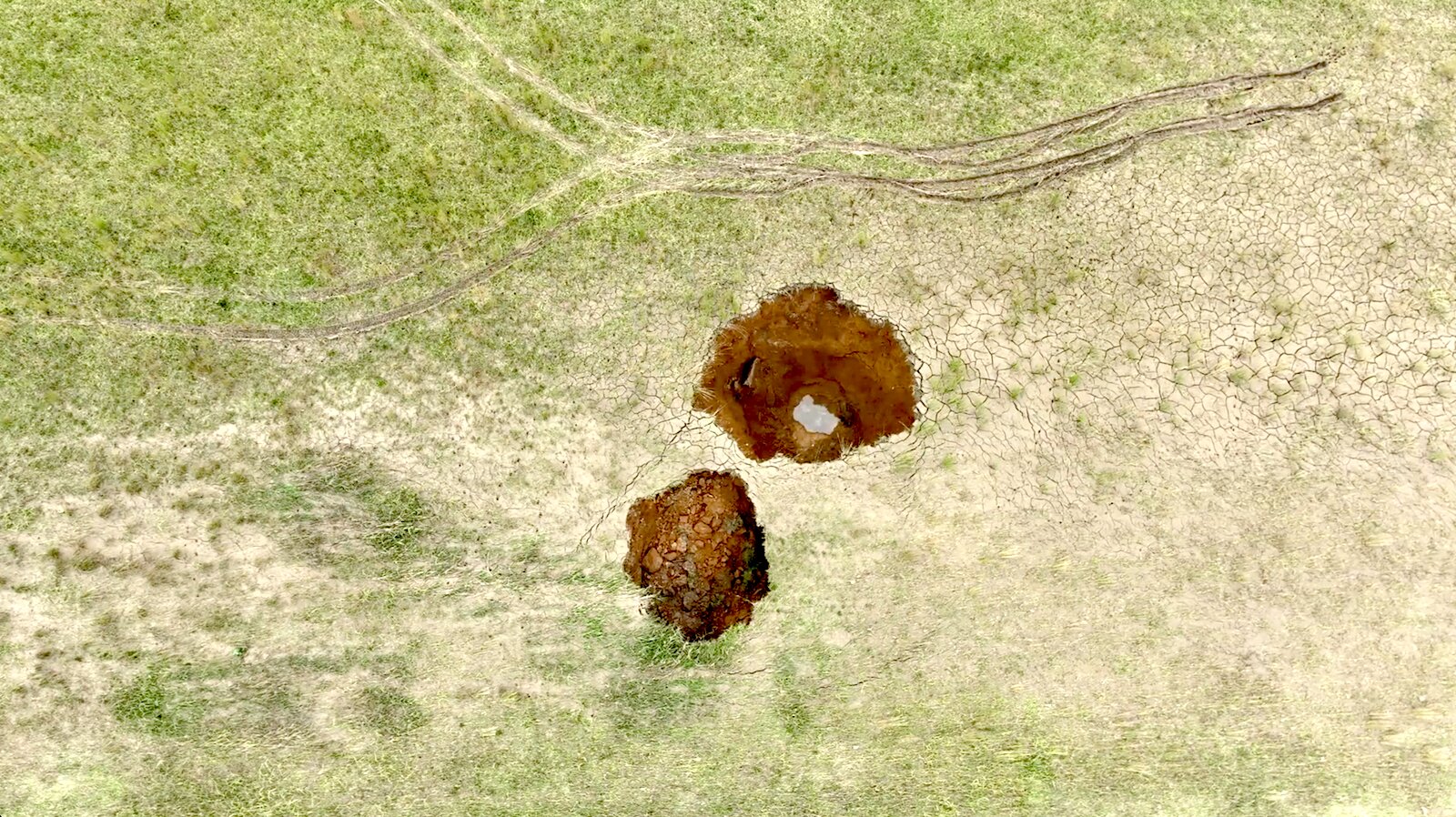
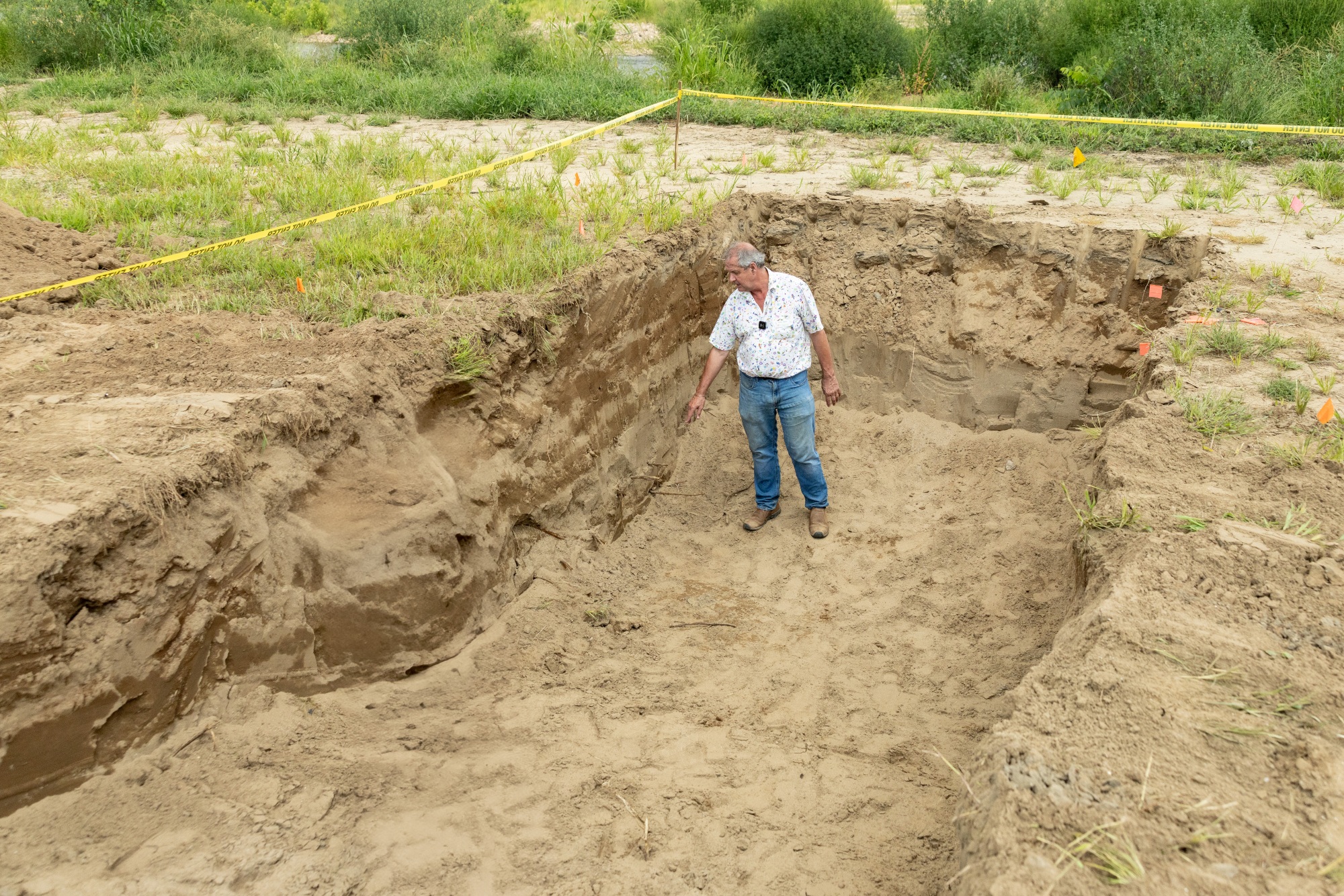
When the water finally receded that evening, Runion was left with a landscape that was fundamentally altered. A third of his fields were choked with debris, dead fish, and thousands of tomatoes washed down from upstream vegetable growers. More alarmingly, the force of the water had gouged two holes the size of football fields into his hay pastures, some reaching depths of 12 feet. Other sections of the farm were buried under eight feet of sand and silt.
The Regional Impact: A Multi-Billion Dollar Agricultural Disaster
Hurricane Helene dropped up to 30 inches of rain on southern Appalachia, triggering catastrophic flooding and landslides across North Carolina, South Carolina, Tennessee, Georgia, Kentucky, and Virginia. This region is defined by its mountainous topography, which forces agricultural activity into narrow, flat, and fertile bottomlands along riverbanks. While these areas are traditionally the most productive, they are also the most vulnerable to the "100-year floods" that are becoming increasingly frequent.
The economic toll of the storm is staggering. In North Carolina alone, Hurricane Helene caused an estimated $4.9 billion in damage to the state’s agriculture sector. In Tennessee, agricultural losses reached approximately $1.3 billion. Beyond the immediate loss of crops, livestock, and infrastructure, thousands of farmers are now facing the loss of their most fundamental asset: the soil itself. Unlike a barn or a fence, topsoil cannot be easily rebuilt; it is a biological resource that takes centuries to accumulate.
The Science of Soil: Why Sand is a Farmer’s Enemy
Soil is not merely dirt; it is a complex ecosystem that can take thousands of years to form. It begins with the slow weathering of rock into mineral particles, which are then enriched by decomposing organic matter from plants and animals. This process creates topsoil—the nutrient-rich uppermost layer, usually less than a foot deep, that contains the nitrogen, phosphorus, and potassium necessary for crop growth. Microorganisms, worms, and insects further develop the soil’s structure, ensuring it is airy enough to hold water without becoming waterlogged.
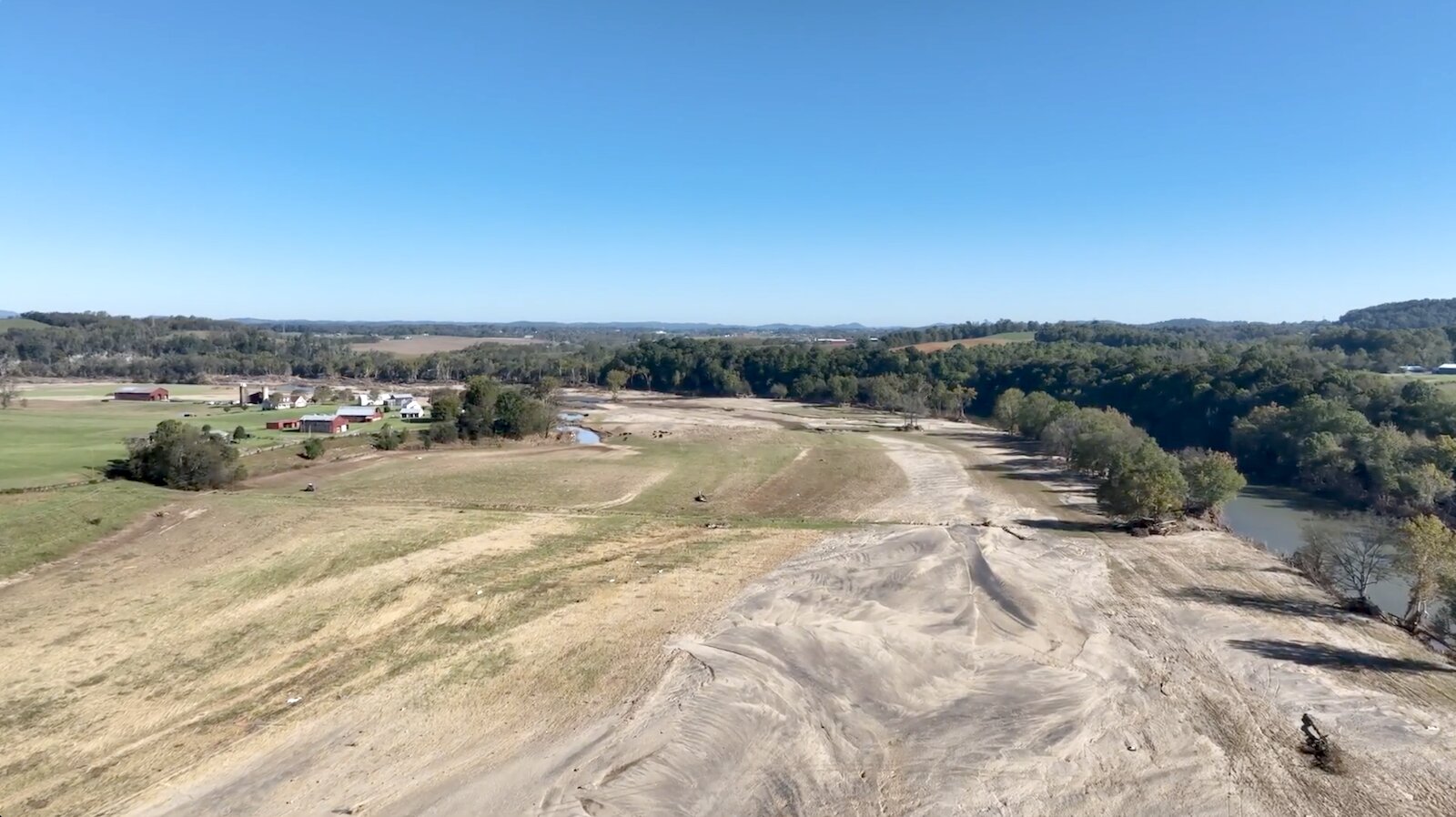
When Hurricane Helene’s floodwaters swept through the Appalachian valleys, they either stripped this topsoil away down to the bedrock or buried it under massive deposits of "new" material. In many cases, this material was raw river sand. "These aren’t soils yet," explained Stephanie Kulesza, a nutrient and soil scientist at North Carolina State University. "They are in their infancy now. The clock has been reset."
For farmers like Runion, the presence of four feet of sand on top of formerly fertile fields is a catastrophic obstacle. Sand lacks the organic matter and physical structure required to retain moisture and nutrients. It is essentially a sterile medium that requires years of intensive management to become productive again.
Chronology of Recovery: From Cleanup to Research
The recovery process for Appalachian farmers has been divided into distinct, grueling phases:
- Immediate Aftermath (October 2024 – April 2025): Farmers focused on debris removal and land stabilization. Runion utilized bulldozers to clear sand and fill massive erosion holes. The Federal Emergency Management Agency (FEMA) assisted by removing and shredding thousands of downed trees.
- The First Growing Season (Spring – June 2025): Farmers attempted to salvage what they could from unflooded fields. Runion managed to produce enough hay for his 125 cattle but had no surplus to sell, losing a third of his usual annual income.
- The Research Phase (Fall 2025 – Present): Realizing that traditional farming methods would not work on the damaged land, Runion partnered with the University of Tennessee Extension to conduct soil trials.
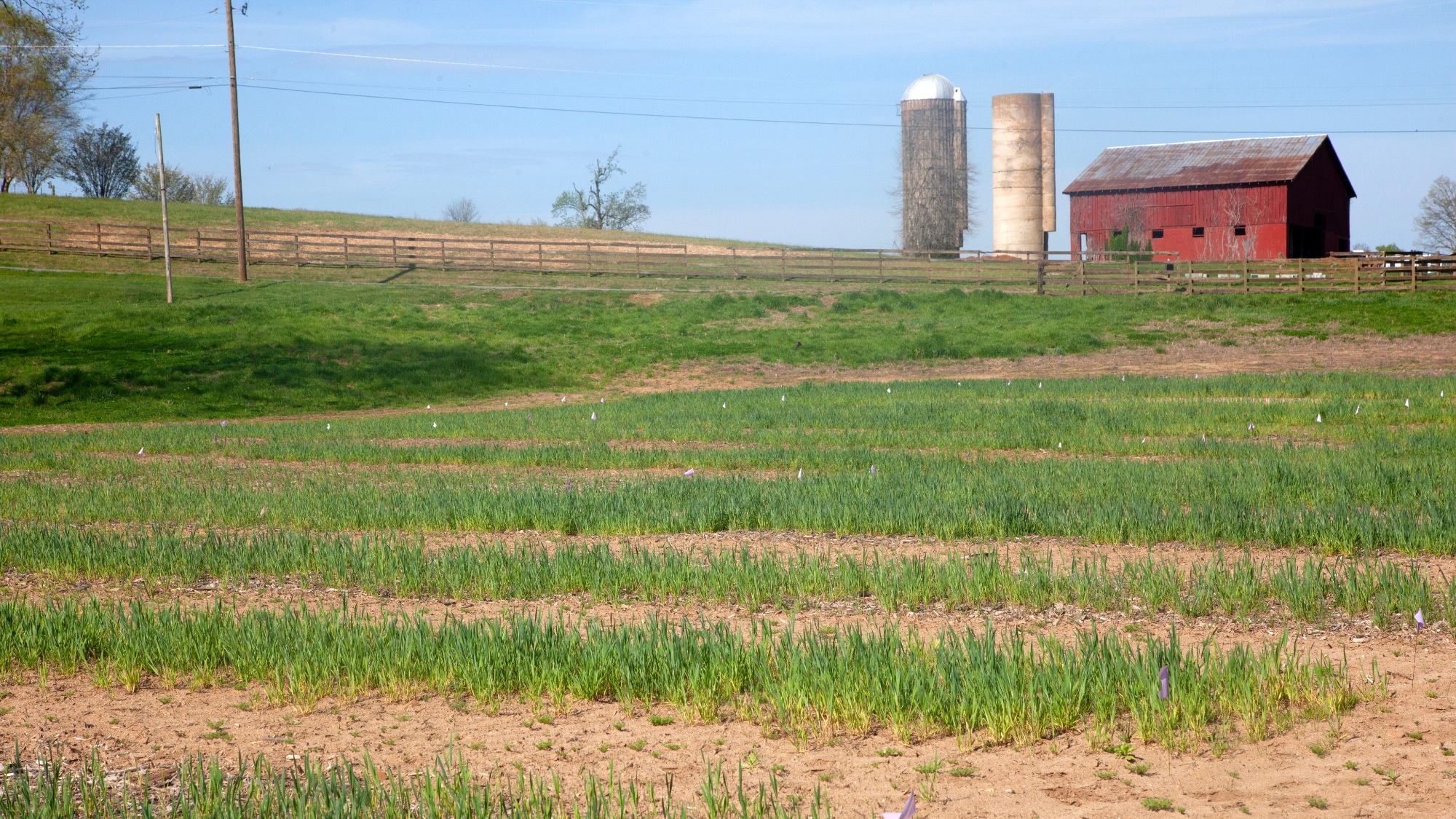
Forbes Walker, an environmental soil specialist, established four major experiments across 300 test plots on Runion’s farm. These trials are testing various soil amendments, including wood chips, poultry litter, and biochar (a type of charcoal that helps soil retain water and fertilizer). The goal is to see which combination best supports the growth of wheat and fescue grasses in the nutrient-depleted sand.
A Scarcity of Data in a Changing Climate
One of the greatest challenges facing the agricultural community is a lack of scientific data on how to recover from massive silt and sand deposits. Historically, floods of this magnitude were rare in Appalachia, meaning there are no established "best practices" for soil restoration in this specific geography.
Research by the U.S. National Science Foundation suggests that "100-year storms" will become three times more likely and 20 percent more severe over the next 50 years. Furthermore, a study found that the rainfall associated with Helene was 10 percent heavier due to human-induced climate change. Despite this increasing risk, scientists like Aimé Messiga, a Canadian soil research scientist, note a "scarcity of data" regarding long-term soil monitoring after floods.
The situation is further complicated by shifting political and economic priorities. In the United States, the Trump administration has previously targeted climate-related research for funding cuts, potentially hindering the ability of land-grant universities to provide the long-term guidance farmers need to adapt to "weather whiplash"—the phenomenon of swinging between extreme drought and extreme flooding.
Economic Fragility and the "Dirt Farmer" Mentality
The loss of soil productivity is particularly devastating given the thin profit margins in modern agriculture. According to North Carolina’s strategic plan for agriculture, of the state’s 42,500 farms, only about 8,000 produce annual gross sales exceeding $100,000. Approximately 40 percent of the state’s farms operated with a positive net income in 2022. For many, a single lost season—or a five-year recovery plan—is a threat to the farm’s very existence.
Some farmers are finding success through sheer perseverance and organic practices. Nicole DelCogliano, who farms near Asheville, North Carolina, saw her entire operation wiped out by the South Toe River. By clearing sand and aggressively applying compost, lime, and cover crops like rye, she managed to have a productive season on her remaining four acres. "Our primary job is to tend the dirt," DelCogliano said. "Because that’s the basis of everything."
Long-Term Implications and the Path Forward
For Will Runion, the road to full recovery has lengthened. Initially hoping for a one-to-two-year turnaround, he now anticipates a four-to-five-year process. The hay he produces in the interim will likely be lower in yield and quality, yet more expensive to grow due to the increased need for fertilizers and soil amendments.
To survive, Runion is leaning into economic diversification. His riverfront campground, now moved 450 feet upland from the river, is slated to open with 45 sites. He views this as a more sustainable source of income that is less dependent on the immediate health of the soil.
The broader implication for Appalachian agriculture is a shift toward "climate-smart" resilience. This includes:
- Intensive Cover Cropping: Using grasses like oats and wheat to prevent further erosion and slowly rebuild organic matter.
- Utilizing Local Waste: Repurposing the "mountains of mulch" left by the storm and nitrogen-rich poultry manure to jumpstart biological activity.
- Land-Use Reevaluation: Moving critical infrastructure and high-value crops further away from the immediate floodplains.
While the landscape of northeast Tennessee and western North Carolina has been permanently altered, the resilience of the farming community remains. As Runion observed while grading the red soil of his new campground, the land still has much to offer, provided the farmers can survive the long, slow process of rebuilding the ground beneath their feet.