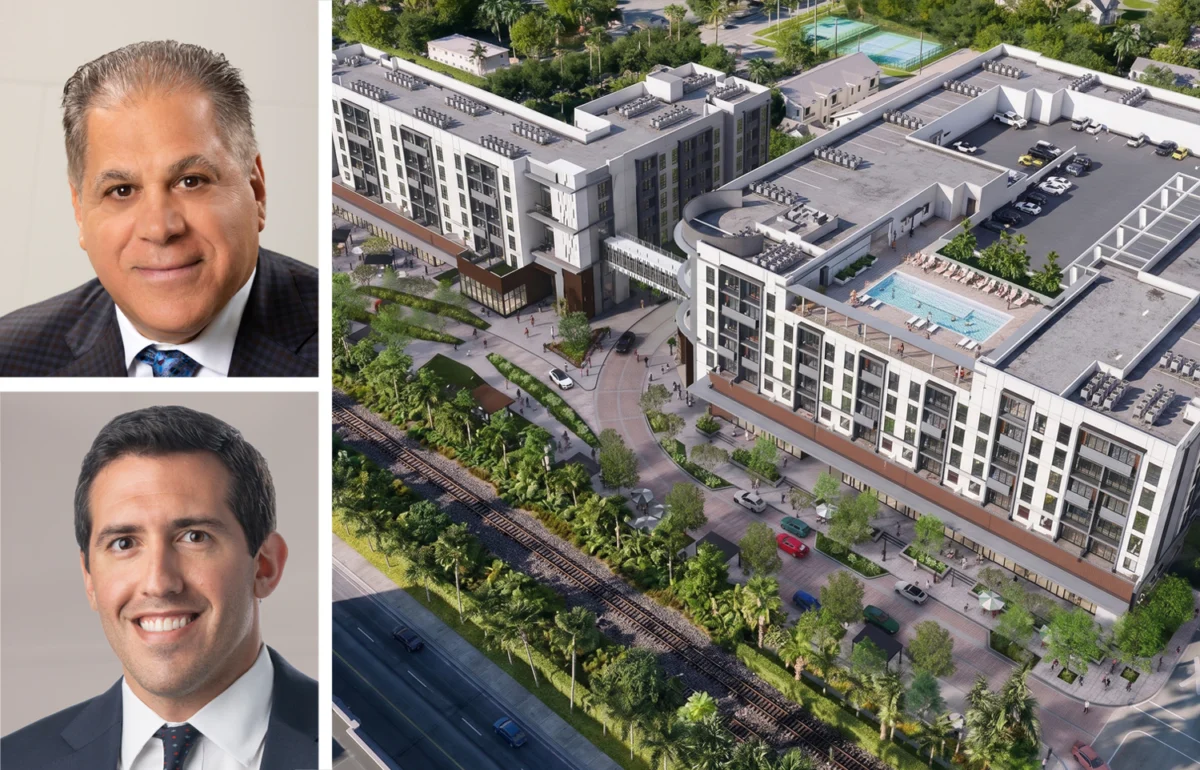
The South Florida real estate landscape continues to evolve through strategic partnerships between institutional lenders and prominent developers, as evidenced by the recent $85.5 million construction loan secured by the Falcone Group for their latest multifamily venture in Oakland Park, Florida. This capital infusion, provided by Bank OZK, marks a significant milestone for the city’s downtown revitalization efforts, facilitating the development of a high-density, mixed-use project designed to address the region’s persistent demand for attainable and modern housing.
Project Specifications and Development Scope
Horizon of Oakland Park is slated to be a six-story landmark within the Broward County municipality. The project, which carries a total estimated development cost of $133 million, is strategically positioned on a four-acre site at the southeast corner of Northeast 12th Avenue and Northeast 38th Street, placing it in immediate proximity to the North Dixie Highway corridor.
The development plan features 311 residential apartment units complemented by 20,700 square feet of ground-floor retail space. Beyond the living quarters, the project emphasizes a lifestyle-oriented approach to urban design. Planned amenities include two dedicated pickleball courts—a rapidly growing recreational trend in Florida—a covered playground, and a secure parking facility capable of accommodating 195 vehicles.
A central pillar of the project’s approval and community integration is its commitment to housing affordability. Approximately 20 percent of the residential units have been designated for individuals earning up to 120 percent of the area median income (AMI). This inclusionary zoning strategy ensures that the new development contributes to the socio-economic diversity of the rapidly gentrifying downtown corridor.
A Chronology of Progress
The project’s inception and path to financing follow a period of intense planning and collaboration between the private sector and municipal authorities. Earlier this month, the Boca Raton-based Falcone Group finalized the acquisition of the four-acre site from the City of Oakland Park for $8.5 million. This land sale served as the catalyst for the current phase of development.
With the $85.5 million senior construction loan now secured, the development timeline is firmly set. Site preparations and vertical construction are anticipated to progress over the next three years, with a targeted completion date in early 2029. This long-term horizon reflects the scale of the project and the current construction climate, which has been characterized by fluctuating material costs and labor availability across the Sunshine State.
The Strategic Role of Bank OZK
The participation of Bank OZK in this venture is particularly noteworthy given the institution’s recent history of loan portfolio management. Over the past two years, Bank OZK has intentionally moderated its lending strategy, announcing a policy to cap individual loan originations under $500 million. This shift represented a departure from its previous aggressive stance, during which it acted as a primary lender for some of the most ambitious high-profile developments in South Florida.
Historical precedents for the bank’s activity include its heavy involvement in luxury developments, such as the Waldorf Astoria Hotel and Residences in Miami and the St. Regis-branded oceanfront project in Sunny Isles Beach. By shifting its focus toward a broader range of multifamily projects like Horizon of Oakland Park, the bank is demonstrating a recalibrated risk appetite, moving toward stabilized, mid-market developments that provide essential housing rather than focusing exclusively on the ultra-luxury, high-risk condo market.
Falcone Group’s Regional Influence
The Falcone Group, led by industry veteran Art Falcone, remains a foundational player in South Florida’s urban transformation. The firm’s reputation was solidified as a master developer of the 28-acre Miami Worldcenter, a massive mixed-use project that redefined the downtown Miami skyline.
The financial strength of the Falcone Group was underscored earlier this year by the high-profile sale of the retail component of Miami Worldcenter for $210 million to Jamestown. This liquidity event likely provided the firm with the capital structure necessary to pursue further acquisitions and expansions in the Broward County market, where suburban municipalities are increasingly looking to replicate the urban density models seen in Miami and Fort Lauderdale.
Urban Revitalization and Municipal Context
Horizon of Oakland Park does not exist in a vacuum; it is a critical component of a broader municipal strategy to revitalize the downtown core. The city has been working to transition from its historic suburban character into a more walkable, transit-oriented destination.
The project sits adjacent to the "Sky Building," a landmark development completed in 2021 by NR Investments. That project, which houses 136 rental units and the new Oakland Park City Hall, served as the proof-of-concept for the city’s urban renewal vision. By adding 311 additional units and a significant retail presence, the Horizon project effectively triples the density of the immediate area, creating a "live-work-play" node that city planners hope will attract younger demographics and retain local workforce talent.
Economic Implications and Market Analysis
The injection of $133 million in total development costs into the Oakland Park economy is expected to have a multiplier effect. Beyond the direct employment generated during the four-year construction period, the introduction of over 20,000 square feet of retail space will broaden the city’s tax base and create recurring commercial revenue.
However, the project also highlights the inherent challenges of the current South Florida housing market. While the 20 percent affordable unit allocation is a step toward addressing housing supply, the rising costs of construction, land, and capital remain significant hurdles. Developers and lenders are increasingly relying on public-private partnerships—such as the land sale from the city—to bridge the gap between high development costs and the price points required for workforce housing.
From an institutional standpoint, the decision by Bank OZK to finance this project signals confidence in the long-term viability of Broward County’s suburban hubs. As Miami becomes increasingly saturated, secondary cities like Oakland Park are seeing significant inward investment. The ability of developers to secure financing in a high-interest-rate environment suggests that these projects are viewed as "essential" rather than "discretionary," providing a measure of security for lenders.
Future Outlook and Stakeholder Expectations
As the project moves toward the breaking-ground phase, stakeholders are focusing on the logistics of integration. The city’s administration has emphasized that the development must adhere to strict design standards to ensure it complements the existing aesthetic of the downtown area.
Local business owners have expressed cautious optimism regarding the influx of 311 households. Increased foot traffic is anticipated to revitalize the retail corridor along the North Dixie Highway, though concerns regarding traffic congestion and parking capacity are expected to be part of the ongoing municipal discourse. The developer’s commitment to providing 195 parking spots is a direct response to these community concerns, balancing the desire for urban density with the reality of Florida’s car-dependent infrastructure.
The Falcone Group’s ability to navigate the complexities of this development will likely serve as a blueprint for future projects in the region. Should the Horizon of Oakland Park reach its 2029 completion date on schedule and within budget, it will stand as a testament to the durability of the partnership between municipal government, private developers, and institutional lenders.
In conclusion, the Horizon of Oakland Park represents more than just a real estate transaction; it is a vital indicator of the economic health of Broward County. By blending luxury-grade amenities with workforce-accessible housing and municipal-backed development goals, the project embodies the modern approach to urban planning in South Florida. As the construction cranes begin to rise over Northeast 12th Avenue, the success of this development will undoubtedly influence the trajectory of future investment in Oakland Park and the wider regional market for years to come.