The casting of a James Bond vehicle is a cinematic tradition as critical as the selection of the lead actor himself. For over six decades, the automobiles driven by 007 have evolved from simple modes of transportation into central, character-defining entities. As speculation mounts regarding the next iteration of the franchise—Bond 26—the automotive industry and film enthusiasts alike are closely monitoring which manufacturer will secure the prestigious role of providing the secret agent’s primary transport.
The historical symbiosis between the Bond franchise and automotive marques, particularly Aston Martin, has served as a cornerstone of brand identity. While casting directors search for the next actor to embody the persona, the engineering teams at major automotive firms are engaged in a parallel, high-stakes competition to ensure their latest models are featured in the next installment of the series.
The Evolution of the Bond Vehicle
The history of 007’s vehicles is a timeline of technological and aesthetic progression. In the franchise’s inaugural 1962 film, Dr. No, the budget constraints were evident; Bond utilized a modest, rented Sunbeam Alpine. This utilitarian choice stood in stark contrast to the later, gadget-heavy vehicles that would define the mid-period of the franchise.
The paradigm shift occurred in 1964 with the release of Goldfinger. The introduction of the Aston Martin DB5, modified by the fictional Q Branch with ejector seats, oil slick dispensers, and rotating license plates, transformed the vehicle from a mere car into a weaponized tactical asset. This specific model established a template that subsequent films would emulate for years, cementing the DB5 as the quintessential Bond car.
Chronology of Iconic Automotive Placements
The trajectory of Bond vehicles can be categorized into distinct eras of strategic brand placement:
- The Foundation Era (1962–1964): Focus on British character and modesty (Sunbeam Alpine, early Aston Martins).
- The Gadgetry Expansion (1965–1989): Introduction of specialized equipment, such as the Lotus Esprit S1 in The Spy Who Loved Me (1977). The "Wet Nellie" submersible conversion remains a landmark in cinematic special effects.
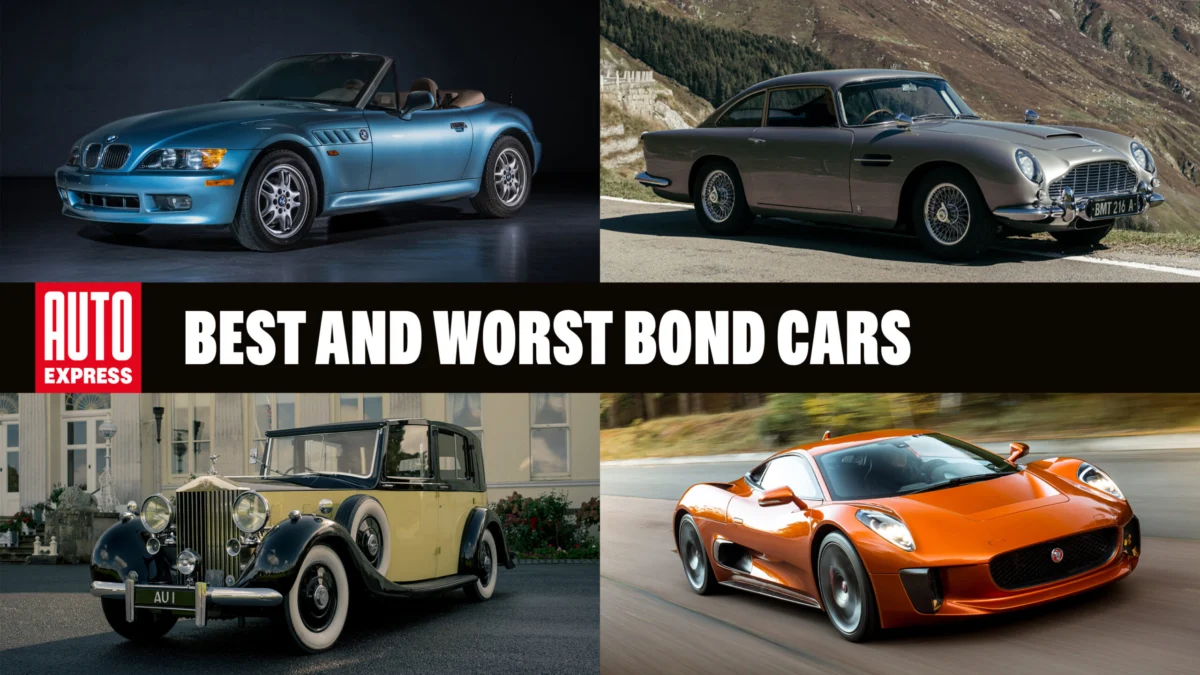
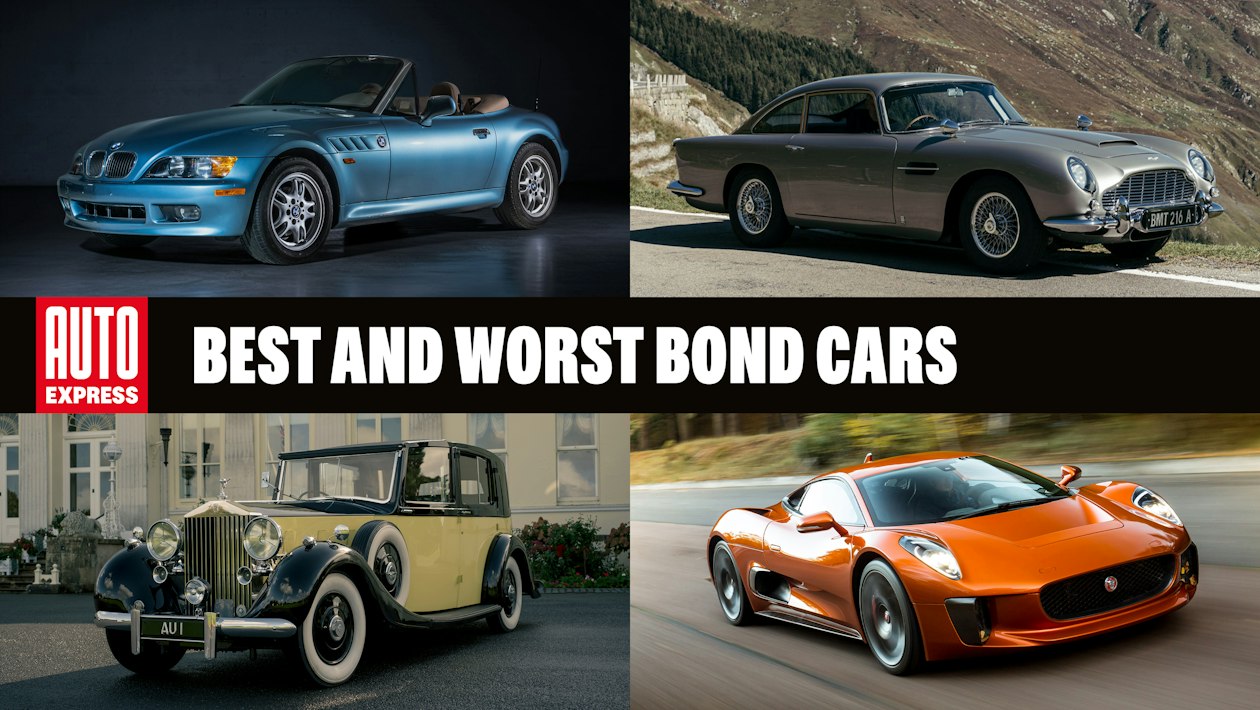
- The Corporate Partnership Era (1995–2002): A period dominated by aggressive product placement, characterized by the inclusion of BMW models like the Z3 and the Z8 in films such as GoldenEye and The World Is Not Enough.
- The Return to Heritage and Realism (2006–2021): A pivot back to Aston Martin, favoring visceral performance and aesthetic prestige over far-fetched technological modifications. The DBS in Casino Royale and the custom-built DB10 in Spectre exemplify this phase.
Data-Driven Impact on Brand Value
The relationship between the Bond franchise and Aston Martin is not merely aesthetic; it is a calculated commercial strategy. Market research conducted following the release of recent films suggests that the "Bond effect" significantly elevates brand recognition and desirability.
For instance, the DB10—a vehicle engineered exclusively for the 2015 film Spectre—was never intended for public sale. Despite this, the collaboration allowed Aston Martin to showcase design elements of the next-generation Vantage years before its market launch. When one of the ten surviving DB10 units was auctioned in 2016, it realized £2.4 million, demonstrating the immense residual value associated with the franchise’s provenance.

Similarly, the Lotus Esprit’s prominence in the 1970s is widely credited with establishing the brand’s global reputation as a manufacturer of high-performance, technologically forward-thinking sports cars. This historical data underscores why manufacturers like Jaguar Land Rover and Aston Martin continue to invest millions in securing these placements.
Official Perspectives and Industry Strategy
Industry leaders have been transparent about the strategic importance of the Bond franchise. Adrian Hallmark, current CEO of Aston Martin, has previously emphasized the franchise’s role in attracting a younger, global demographic to the brand. Even when at the helm of Bentley, Hallmark noted a professional "jealousy" regarding the Aston Martin-Bond connection, acknowledging that Ian Fleming’s original novels positioned Bond behind the wheel of a Bentley.
This indicates that the decision-making process for Bond 26 is influenced by a complex interplay of historical fidelity, corporate marketing needs, and the creative vision of the film’s producers. While the DB5 remains a nostalgic favorite, there is an ongoing internal debate regarding whether the next film will introduce a futuristic electric vehicle or a high-performance internal combustion engine model to maintain the franchise’s reputation for innovation.
Critical Assessment: The Best and the Worst
The classification of "best" and "worst" Bond cars is often determined by the vehicle’s narrative utility versus its commercial shoehorning.
The Standouts:
- Aston Martin DB5: Unrivaled in cultural significance. Its inclusion in recent films like No Time to Die serves as a bridge between generations of viewers.
- Lotus Esprit S1: Represented a peak in creative engineering and "cool factor," effectively defining the Roger Moore era.
- Aston Martin DBS: The definitive choice for the gritty, realistic Daniel Craig era. Its depiction in the record-breaking stunt in Casino Royale remains a pinnacle of practical automotive cinematography.
The Questionable Choices:
- Ford Mondeo (Casino Royale): Frequently cited by critics as a low point in product placement. The vehicle’s mundane, mass-market nature clashed with the refined, elite image of the protagonist.
- BMW Z3 (GoldenEye): While commercially successful for BMW, the car’s limited screen time and lack of utilized gadgets made its inclusion feel forced rather than integrated.
- Invisible Vanquish (Die Another Day): This vehicle is often cited as the point where the franchise’s reliance on "gadgetry over plot" reached a breaking point, leading to a decade of more grounded, realistic automotive choices.
The Role of Baddies’ Vehicles
The vehicles driven by antagonists are equally important in establishing the tone of the conflict. The use of the Jaguar C-X75 in Spectre provided a visual contrast to the Aston Martin, highlighting the tension between the refined hero and the aggressive, innovative technology of the villain. The use of Land Rover Defenders in No Time to Die furthered the narrative of "rugged durability," providing an essential visual counterpoint to the sleekness of Bond’s primary transport. These choices are rarely accidental; they are designed to mirror the personality traits of the characters involved.
Broader Implications for Automotive Marketing
The Bond franchise acts as a high-visibility laboratory for automotive manufacturers. As the industry transitions toward electrification, the selection of the next Bond vehicle will likely serve as a massive global advertisement for the manufacturer’s green credentials. If a legacy brand like Lotus—which is currently pivoting to high-performance electric vehicles with the upcoming Type 135—is selected, it could serve as a powerful signal of the industry’s direction.
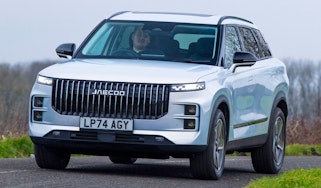
Conversely, the continued use of combustion-engine Aston Martins reinforces the brand’s commitment to heritage and performance. The decision rests on whether the franchise chooses to align with the future of mobility or remains a bastion of traditional luxury automotive engineering.
Conclusion and Future Outlook
As of late 2026, the industry awaits an official announcement regarding the vehicle procurement for the 26th installment of the James Bond series. The decision will be influenced by a triad of factors: the legacy requirements of the franchise, the marketing objectives of the partner manufacturer, and the shifting technological landscape of the automotive sector.
Whether the producers select the venerable DB5 for a return appearance, introduce a new, cutting-edge electric supercar, or explore a collaboration with a brand that has not yet entered the Bond universe, the result will undoubtedly influence public perception of the chosen car for years to come. In the world of 007, the car is never just a car; it is an extension of the agent’s capabilities, a reflection of the era’s technological aspirations, and a vital participant in the history of cinema. As the franchise prepares for its next chapter, the automotive industry stands ready to see which badge will be synonymous with the next generation of Bond.