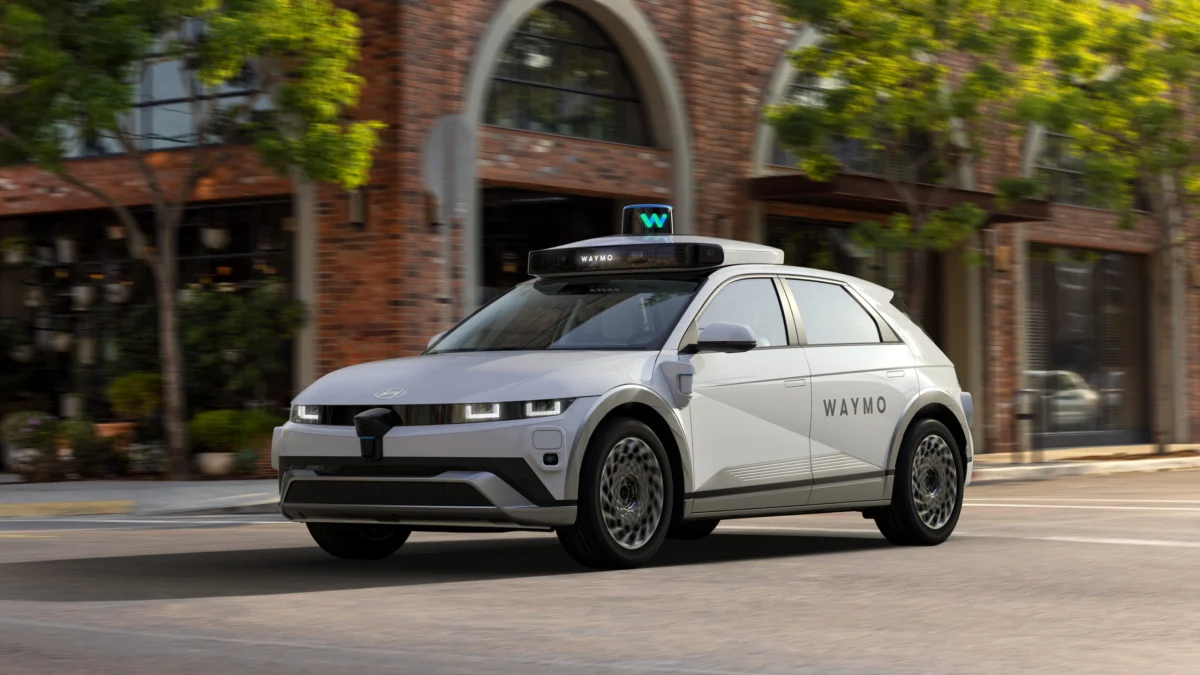
The YouGov survey, conducted in late 2026, provides a comprehensive snapshot of how drivers across different demographics and geographic regions view the prospect of relinquishing control to algorithmic drivers. The data suggests that while familiarity with Advanced Driver Assistance Systems (ADAS) is growing, there remains a palpable "trust gap" that manufacturers and regulatory bodies must bridge before widespread deployment can be considered socially acceptable.
The Evolution of Autonomous Technology: A Chronology
The journey toward autonomous vehicles (AVs) has been marked by rapid technological milestones punctuated by periods of regulatory scrutiny. The timeline of development has evolved significantly over the past decade:
- 2015–2018: The Optimism Phase: Early trials began in controlled environments, with companies like Waymo and Tesla introducing foundational self-driving features. Public sentiment was largely driven by the promise of reduced traffic congestion and increased mobility for the elderly and disabled.
- 2019–2021: Reality Check: Several high-profile accidents involving autonomous or semi-autonomous systems led to increased skepticism. Governments began drafting more stringent testing protocols, shifting the focus from "full autonomy" to "safety-first" incremental development.
- 2022–2024: The Infrastructure Integration Era: Industry focus shifted toward V2X (Vehicle-to-Everything) communication, where vehicles interact with smart traffic lights and road sensors. This period saw the normalization of Level 2 and Level 3 autonomous features in mass-market premium vehicles.
- 2025–2026: The Trust Crisis and Regulatory Push: As fully autonomous taxis began operating in select metropolitan hubs, the YouGov survey highlights that public apprehension has plateaued at a high level. The discussion has moved away from "can we build it" to "do we trust it."
Data Analysis: The Trust Deficit
The visual data from the YouGov study breaks down consumer attitudes into four key categories: safety confidence, privacy apprehension, technical reliance, and ethical comfort.
Perhaps the most striking finding is the correlation between age and trust. The survey indicates that younger demographics (aged 18–34) are significantly more inclined to view autonomous vehicles as a inevitable, positive evolution. In contrast, those aged 55 and above express profound skepticism, with over 65% of this cohort stating they would "never feel comfortable" in a car without a steering wheel.
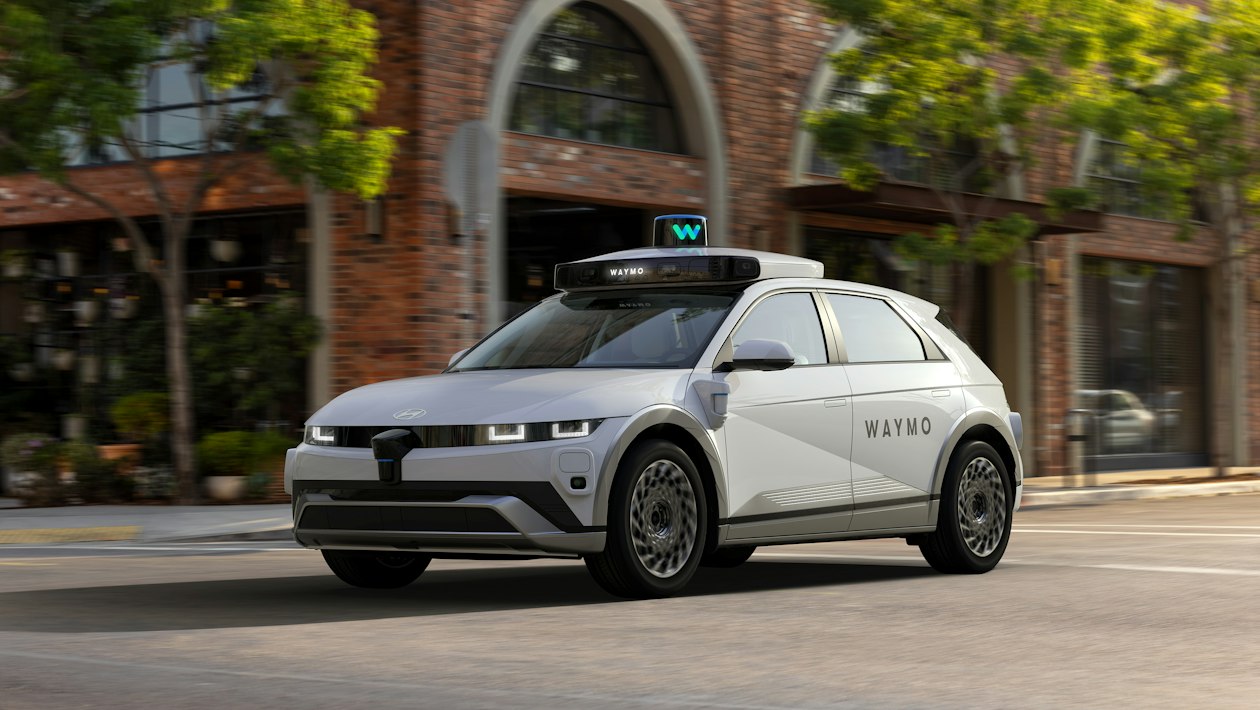
Furthermore, the data shows that gender plays a role in perception, with male respondents demonstrating a higher tolerance for technical glitches in exchange for the benefits of automation, whereas female respondents prioritize passenger and pedestrian safety protocols as the primary metric for success.
Regarding the "Ethical Dilemma" of AI—often categorized as the "Trolley Problem"—the survey reveals that nearly 70% of respondents are uncomfortable with the idea of a vehicle being programmed to make life-or-death decisions in the event of an unavoidable collision. This suggests that the current technical approach to safety is not yet aligned with the moral expectations of the general public.
Industry and Regulatory Perspectives
Automotive manufacturers, including those involved in the ongoing premium EV showdowns currently dominating the market—such as the BMW i3, Mercedes C-Class Electric, and Hyundai Ioniq 6—have recognized that safety-tech integration is now a primary competitive advantage. However, industry leaders acknowledge that the YouGov data reflects a reality they must navigate: consumer trust is not a technical feature that can be "patched" with a software update.
In response to the growing public scrutiny, regulatory bodies in the UK and EU have begun proposing standardized "Autonomy Transparency Reports." These reports would require manufacturers to publish anonymized data on the performance of their autonomous systems, providing consumers with a clearer understanding of how these vehicles handle edge cases, such as extreme weather or unpredictable pedestrian behavior.
"The industry is currently at a crossroads," says an analyst at the Center for Automotive Research. "The transition from Level 2, where the human is the fallback, to Level 4 and 5, where the system is the driver, requires a massive shift in liability. The public is correctly sensing that they are being asked to act as test pilots for systems that are still learning."

Broader Implications: Infrastructure and Urban Design
The implications of the YouGov survey extend far beyond the showroom floor. If the current level of public distrust persists, the potential benefits of autonomous cars—such as reduced insurance premiums, lowered carbon emissions through efficient driving patterns, and optimized traffic flow—may remain locked away.
Urban planners are now assessing how to redesign city centers to accommodate a mix of human-driven and autonomous vehicles. The data suggests that public support for "AV-only lanes" remains low, as many drivers fear that dedicated lanes would exacerbate traffic congestion for those who prefer manual control.
Moreover, the privacy concerns raised in the survey are valid. Autonomous vehicles are essentially high-powered mobile sensors, collecting vast amounts of location and behavioral data. Without robust legislative frameworks ensuring that this data is not exploited for commercial advertising or surveillance, public adoption is likely to remain stagnant.
The Path Forward: Education vs. Innovation
The consensus among experts analyzing the YouGov findings is that the automotive industry has focused too heavily on the "wow factor" of technology and not enough on consumer education. When users understand the mechanics of LiDAR, radar, and vision-based systems, their trust levels tend to rise.
The report concludes that for autonomous vehicles to achieve mass adoption, the industry must undertake a two-pronged strategy:

- Transparency: Providing real-time, plain-language diagnostics to the driver regarding what the vehicle "sees" and why it is making specific decisions.
- Accountability: Developing clearer insurance and liability models that protect the consumer, ensuring that in the event of a system failure, the manufacturer—not the human "supervisor"—is held responsible.
Conclusion: A Measured Pace
While the latest pictures of data visualisations from the YouGov survey paint a picture of a skeptical public, it is important to view this in the context of technological history. Every major shift in transportation, from the steam engine to the internal combustion engine, was met with similar apprehension.
The transition to self-driving cars is not merely a mechanical upgrade; it is a fundamental renegotiation of the relationship between humans and machines. As manufacturers continue to battle for dominance in the electric and autonomous space, the winners will not necessarily be those with the most advanced algorithms, but those who can most effectively translate that complexity into tangible, reliable, and trustworthy safety benefits.
The next twelve months will be critical. With governments preparing to finalize standards for the next generation of autonomous testing, and manufacturers pushing to launch more sophisticated driver-assist packages, the industry must pivot its communication strategy. Addressing the findings of the YouGov survey—not by dismissing them as "lack of understanding," but by addressing the underlying fears of the public—will be the defining challenge for the automotive sector as it moves toward the end of the decade.
Whether it is a premium EV like the new BMW 3 Series variant or an entry-level commuter car, the fundamental requirement remains the same: the driver, whether human or digital, must be worthy of the trust placed in them by those on the road. The road to autonomy is long, and as the YouGov survey shows, the public is not yet ready to take their hands off the wheel entirely.