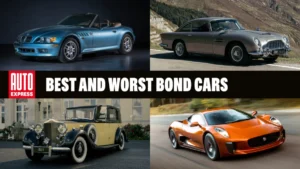
The release of IO Interactive’s action-adventure title 007 First Light has drawn significant critical acclaim for its meticulous recreation of the iconic cinematic atmosphere associated with Ian Fleming’s legendary secret agent. While video game adaptations of film franchises frequently rely heavily on superficial fan service, character recognition, and familiar plot points, IO Interactive—renowned for its critically lauded work on the Hitman series—focused heavily on emotional resonance. Specifically, the development team prioritized the sensation of embodying James Bond, a feat achieved largely through the integration, physics, and contextual narrative placement of the game’s vehicular roster.
To understand the mechanics behind this design philosophy, industry observers have looked closely at the collaborative efforts between the developers and legacy automotive brands such as Aston Martin and Jaguar Land Rover. Art Director Rasmus Poulsen and Audio Director Dominic Vega recently detailed the conceptual architecture of the game’s driving sequences, shedding light on how everyday commuters, high-performance supercars, and heavy industrial machinery were leveraged to replicate the distinct tone of the cinematic universe.
Architectural Balance: From Mundane Sleepers to High-End Exotics
The overarching philosophy of 007 First Light relies on a delicate dichotomy: the contrast between understated, mundane vehicles—often referred to in automotive culture as "sleepers"—and outlandish, high-end exotics equipped with spy technology. According to Poulsen, the development team intentionally avoided filling the game exclusively with hyper-expensive flagship cars, preferring instead to curate a diverse automotive cast that mirrors the eclectic mix found across the official film franchise.
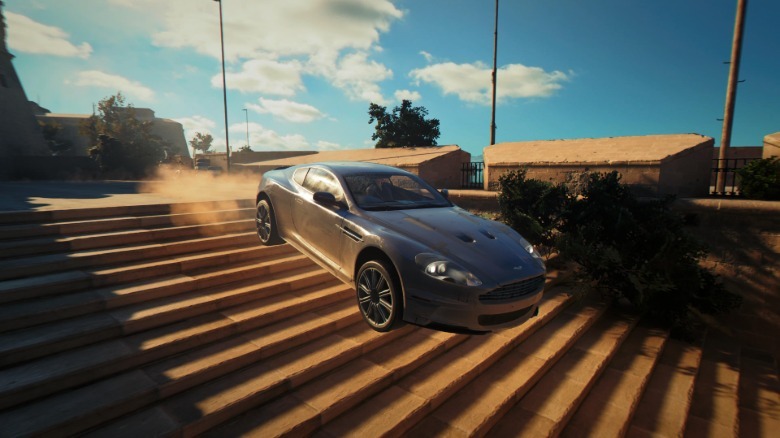
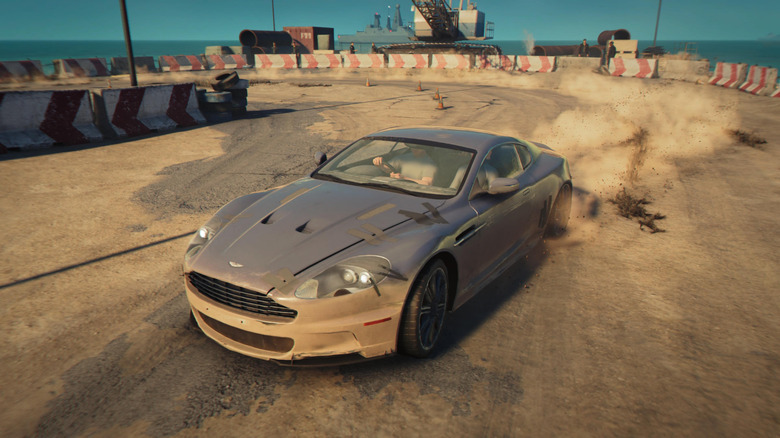
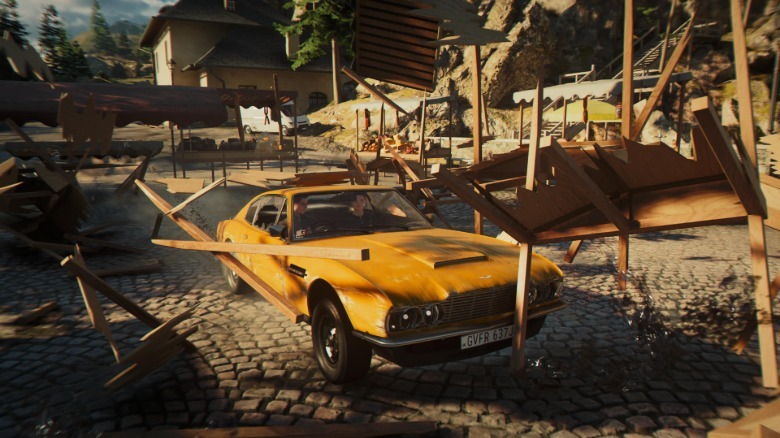
This philosophy manifests early in the campaign during a foundational training mission in Malta. Players are handed the keys to a heavily weathered, duct-taped 2006 Aston Martin DBS—the identical model famously featured in Casino Royale and Quantum of Solace. Despite utilizing arcade-leaning, accessible handling mechanics that encourage aggressive handbrake turns and pinned throttles, the sequence pays immediate homage to the grittier, high-stakes vehicular sequences introduced during the Daniel Craig cinematic era.
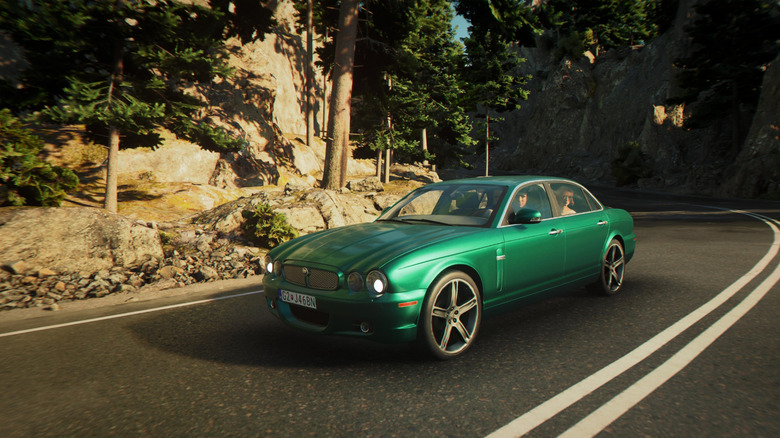
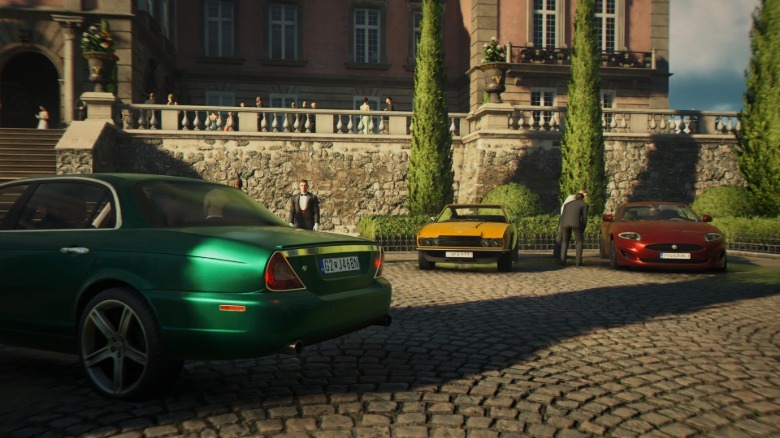
Subsequent missions deliberately pivot away from high-speed chases to embrace atmospheric, slow-paced transitions. In an infiltration sequence set in Slovakia, Bond drives a 2007 Jaguar XJ down a winding mountain road toward the Grand Carpathian Hotel. Operating as a vehicular "walk-and-talk" scene, the player maintains a calm, deliberate pace while characters exchange crucial narrative exposition. This integration of everyday luxury—specifically selected from Jaguar Land Rover’s heritage collection to project an aura of "old money rather than flash"—establishes psychological depth and narrative pacing before escalating into high-stakes action.
Chronology of Production and Manufacturer Collaboration
The integration of vehicles into 007 First Light was not merely a cosmetic choice; it required deep operational partnerships with British manufacturers. Years prior to the game’s launch, IO Interactive personnel visited Jaguar Land Rover’s headquarters in Gaydon, Warwickshire, touring heritage collections, prototyping facilities, and restoration centers. This collaboration allowed the art and design departments to select specific rarities, prototypes, and classic models that would authentically anchor the game’s timeline and mood.
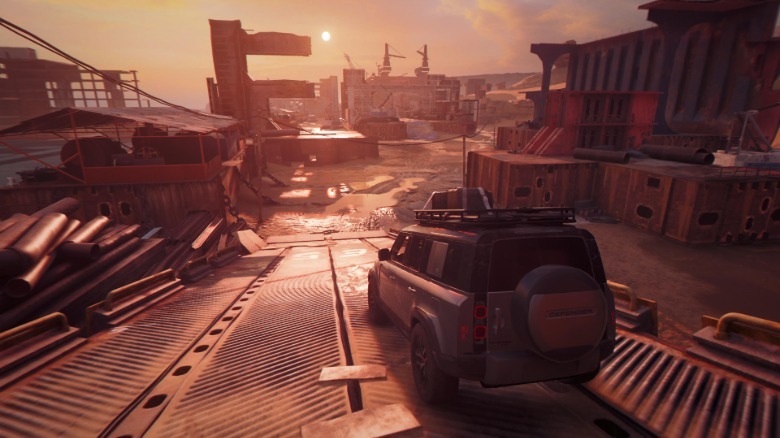
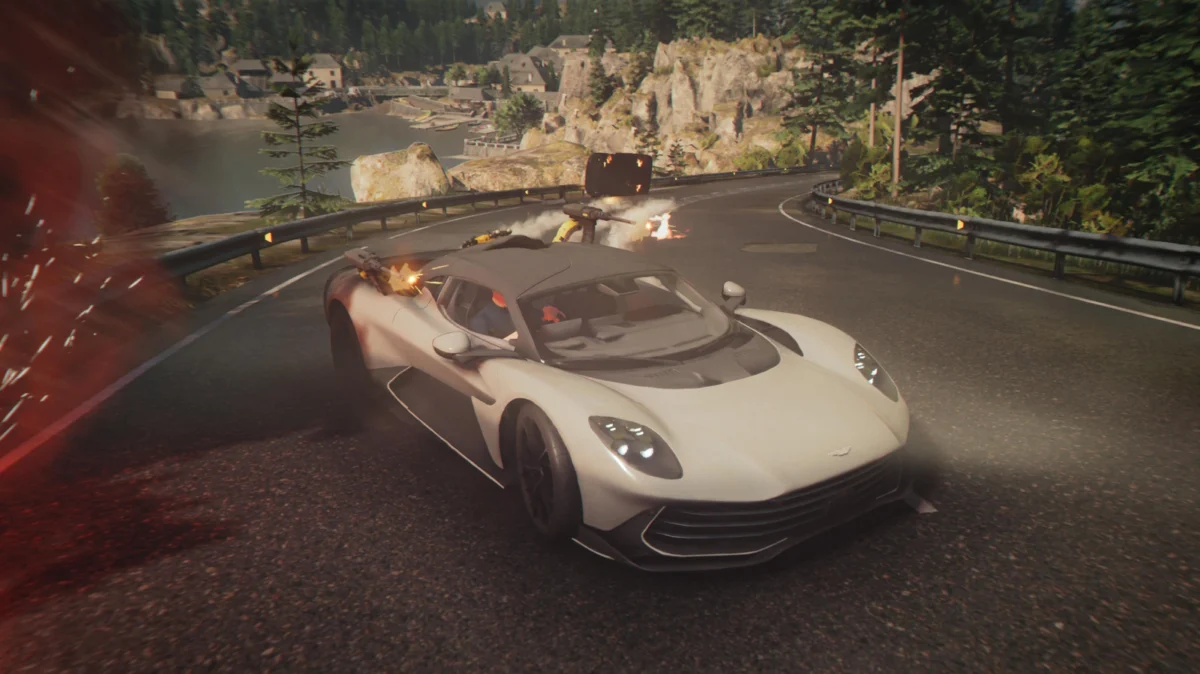
A prime example of this industrial access is the inclusion of the Aston Martin Valhalla. Development on the game began shortly before the Valhalla reached final production readiness, requiring Aston Martin to supply confidential Computer-Aided Design (CAD) files to the studio. This early access allowed IO Interactive to conceptualize how the mid-engine hybrid supercar would function within a Bond narrative, long after its initial concept iteration missed a starring role due to production delays in the 2021 film No Time to Die.
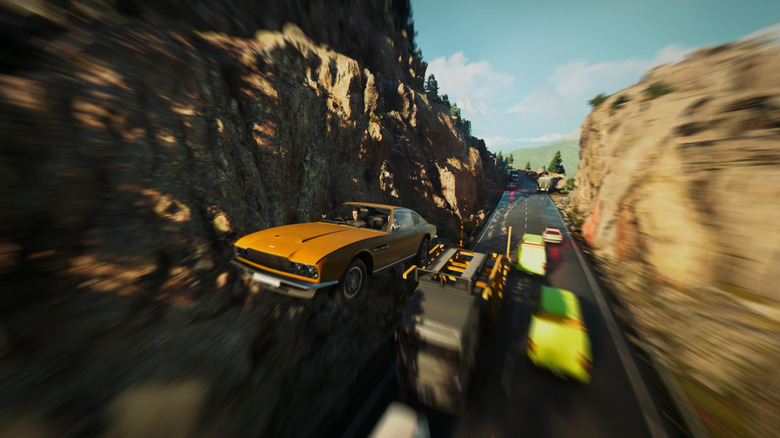
The culmination of this partnership is realized in the game’s climactic sequences, where players finally gain access to Q’s laboratory and pilot the Valhalla. Departing from traditional front-mounted weaponry, the development team designed an innovative deployment system where the rear quarter panels of the carbon-fiber supercar unfold horizontally to reveal automated, multi-axis machine guns and rocket arrays. Remarkably, the proposal was approved by Aston Martin’s design team without bureaucratic friction, largely due to the studio’s careful preservation of the vehicle’s interior architecture and negative space.
Environmental Destruction and Bureaucratic Frustration
Beyond traditional driving dynamics, 007 First Light integrates vehicles directly into the broader sandbox design philosophy pioneered by IO Interactive’s Hitman franchise. Players are frequently encouraged to view vehicles not just as transit methods, but as environmental assets. Combat encounters allow for targeted shooting of fuel tanks to trigger chain-reaction explosions, or remote hacking mechanics to activate localized car alarms and deploy digital smoke screens.
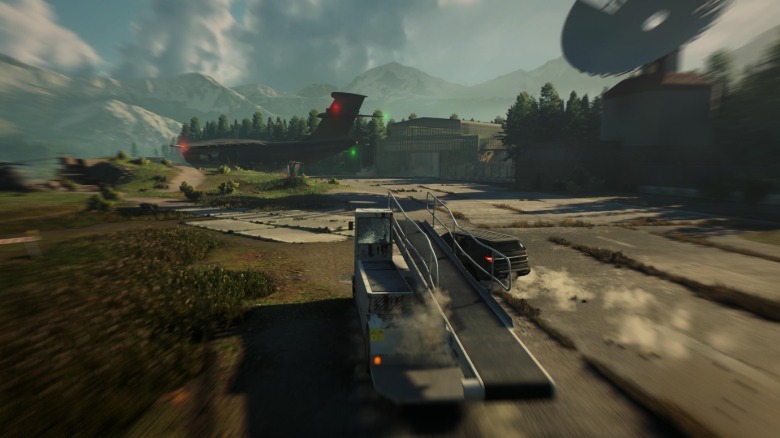
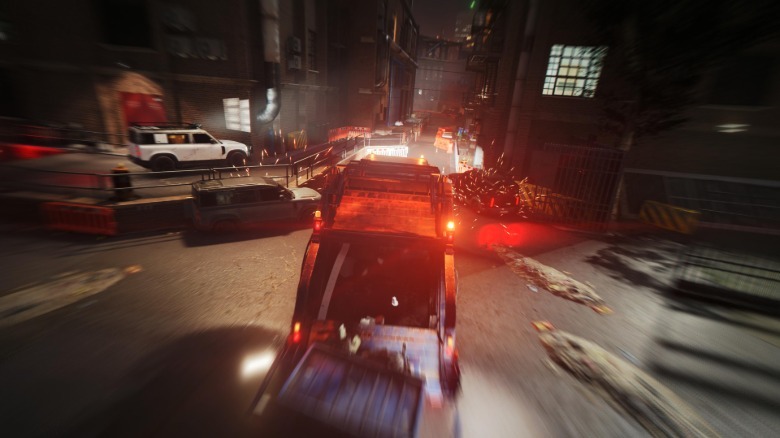
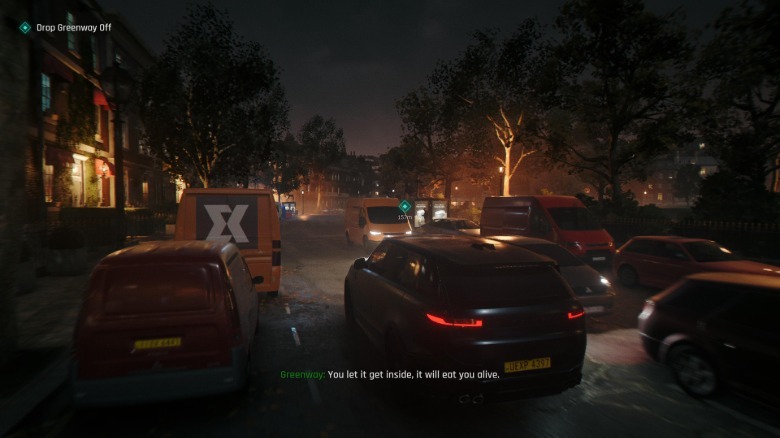
The game also incorporates large-scale, unexpected vehicular commandeering to punctuate narrative beats. In one sequence, a frustrated Bond—initially trapped in London traffic behind the wheel of a luxury Range Rover SV with automated parking sensors actively restricting aggressive maneuvers—suddenly commandeers a municipal garbage truck. Smashing straightforward through physical barriers, the player wreaks havoc across city streets, embodying the direct, uncompromising tactical ethos historically demonstrated by cinematic Bonds portrayed by George Lazenby, Timothy Dalton, and Daniel Craig.
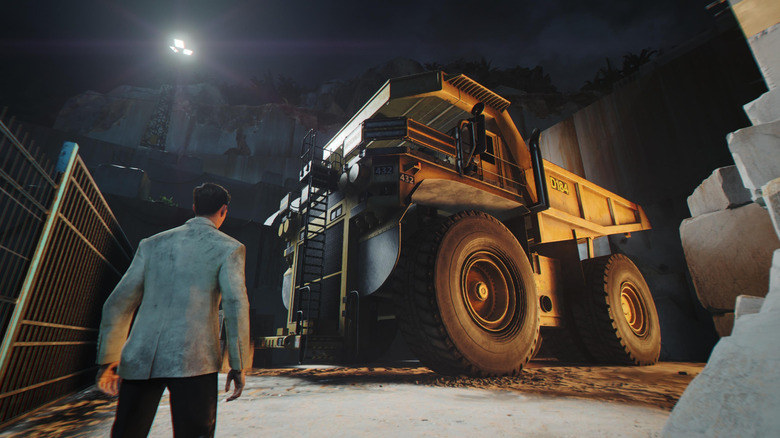
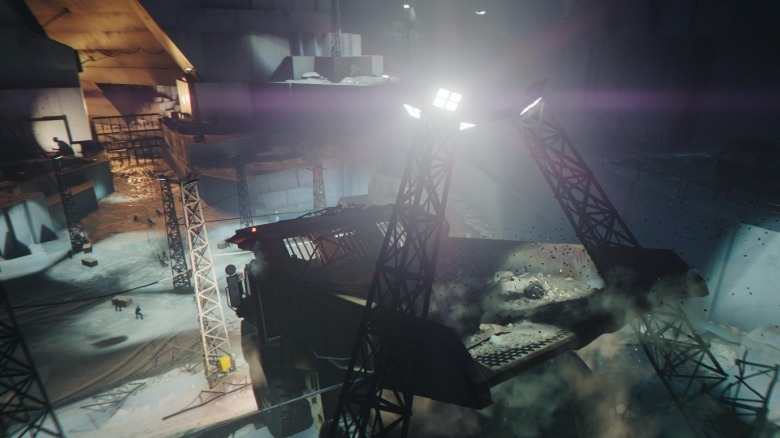
Similarly, a later mission in Vietnam tasks the player with operating a massive mining truck through an active quarry. Rather than offering an open-world sandbox laden with an overwhelming selection of superfluous vehicles, the developers deliberately curated a linear, guided progression. By steadily introducing the massive dump trucks as environmental props earlier in the level, the studio effectively foreshadowed the chaotic escape sequence, ensuring the player’s eventual interaction felt both organic and cathartically satisfying.
Broader Implications and Industry Impact
The critical and commercial success of 007 First Light’s vehicular implementation highlights a broader trend in licensed video game development: the shift away from generic open-world driving simulators toward tightly paced, narrative-driven vehicular set pieces. By treating the automotive roster as a curated supporting cast rather than mere unlockable commodities, IO Interactive successfully bridged the gap between passive cinematic viewing and active digital participation.
Furthermore, the game’s heavy inclusion of cutting-edge automotive displays—such as the digital integration of the Jaguar Type 00 concept spotted during a Mauritania mission—signals a deepening synergy between legacy British automotive marques and interactive entertainment media. As traditional marketing channels evolve, interactive digital spaces increasingly serve as primary testbeds for future vehicle designs, brand placement, and consumer engagement.
For enthusiasts awaiting future cinematic installments or subsequent downloadable content packages—such as the newly released "Valhalla Protocol" time-trial simulations—007 First Light establishes a robust benchmark. It demonstrates that capturing the essence of a half-century-old film franchise relies less on raw graphical fidelity and more on mastering the precise balance between technical credibility, tactical resourcefulness, and unadulterated boyish spectacle.