The landscape of international conservation philanthropy is undergoing a significant paradigm shift as organizations move away from traditional, top-down grant models toward a more nuanced, trust-based approach. At the forefront of this evolution is the Home Planet Fund, an independent, Indigenous-led nonprofit that has spent the last five years challenging the conventional wisdom of how capital is deployed to address the climate crisis. Founded by Dilafruz Khonikboyeva, the organization represents a departure from the "satisfying answer" model of funding, which often prioritizes rigid timelines and bureaucratic metrics over the messy, unpredictable, and vital realities of community-led environmental stewardship.
A New Philosophy of Resource Allocation
The Home Planet Fund operates on the premise that the current global system for conservation funding is fundamentally broken. Khonikboyeva, who serves as the organization’s executive director, notes that Western-headquartered nonprofits often raise significant capital, yet by the time funds filter through regional offices and various administrative layers, only a fraction reaches the local communities actually performing the work. Furthermore, these funds frequently arrive with pre-ordained objectives, imposing external timelines on communities that have long managed their lands through traditional knowledge.
The Home Planet Fund counters this by eliminating the traditional, high-pressure grant application process. Instead of asking local groups to write proposals in languages that are not their own or to adhere to Western reporting standards, the fund engages in direct, long-term relationships. This method prioritizes the expertise of those already embedded in the environment, ensuring that the financial support provided is flexible enough to adapt to crises—whether they be environmental disasters like earthquakes or shifts in regional political stability.
The Four Ecologies and Strategic Geography
To maximize the impact of its interventions, the Home Planet Fund has focused its efforts on four specific ecologies identified by international research bodies, including the United Nations Framework Convention on Climate Change (UNFCCC), as critical nodes for global biodiversity and climate health:
- The Tongass Rainforest (Alaska): A massive temperate rainforest that serves as a vital carbon sink and a cornerstone of Pacific coastal ecosystems.
- The Third Pole: A vast mountainous region spanning Kyrgyzstan, Tajikistan, Afghanistan, Pakistan, and India. Home to the largest glacial stores outside the Earth’s two poles, this region dictates regional weather patterns and monsoons for millions.
- The Grasslands of East Africa: Covering parts of Kenya, Tanzania, and Uganda, these ecosystems are essential for carbon sequestration and host some of the world’s most significant migratory game populations.
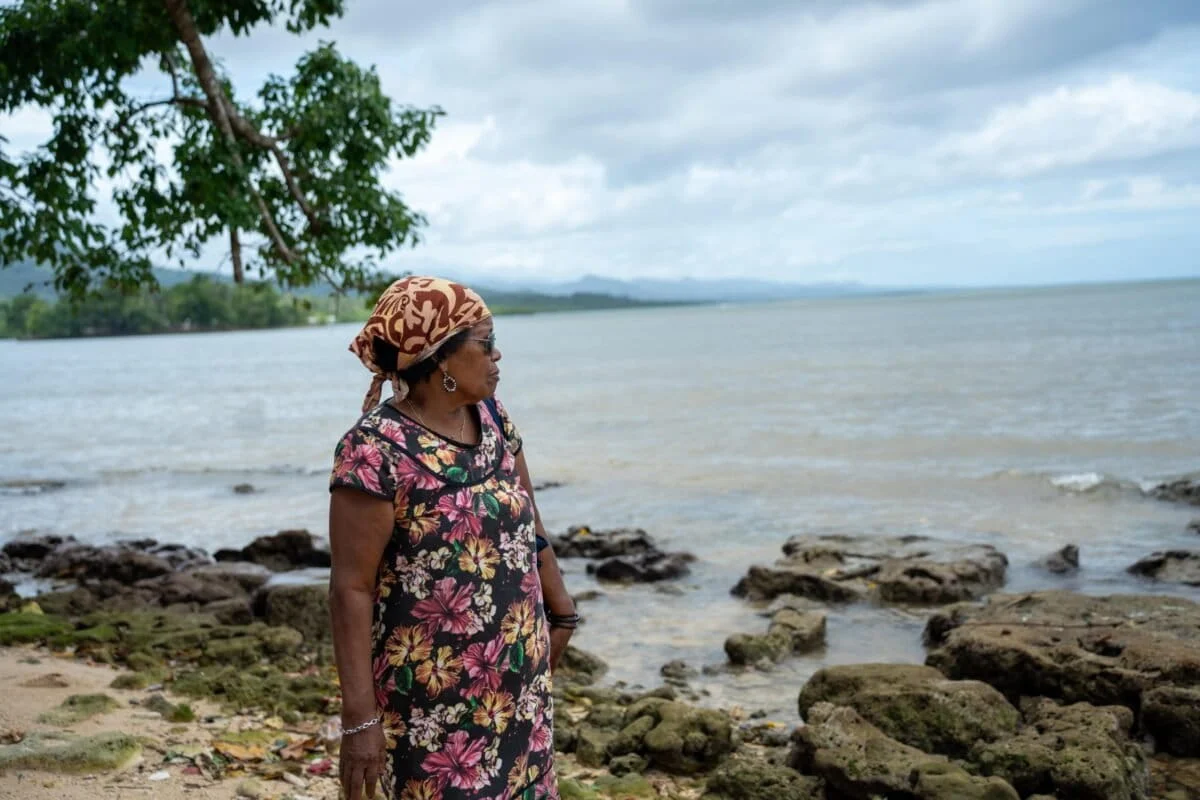
- The South Pacific: A region under constant threat from rising sea levels and ocean acidification, where the fund supports matrilineal women’s collectives in their efforts toward coral restoration and food sovereignty.
By concentrating on these areas, the fund ensures that its resources are not spread too thinly. The selection of these sites is not arbitrary; it is based on scientific data that highlights regions where the human-environment interaction is most critical for global ecological stability.
Historical Context and Personal Ethos
The operational philosophy of the Home Planet Fund is deeply rooted in Khonikboyeva’s personal history. Growing up in the Pamir Mountains of Tajikistan during the final years of the Soviet Union and the subsequent civil war, she witnessed how communities maintained essential services in the absence of institutional support. Her parents, a radio anchor and an engineer, worked to maintain power stations and provide public information without monetary incentive, driven by a commitment to the survival and dignity of their people.
This experience stands in direct opposition to the extractive mentality that often characterizes modern capitalism. Khonikboyeva argues that human beings are fundamentally motivated by gratitude, future-building, and the desire to assist others, rather than mere monetary gain. This belief informs the fund’s commitment to "unrestricted" giving. Contrary to the fear-based narrative that unrestricted funds lead to misuse, the Home Planet Fund treats these resources as a currency of trust, allowing communities to shift priorities when unforeseen events—such as natural disasters—occur.
The Mechanics of Trust-Based Philanthropy
The traditional philanthropic sector relies heavily on "due diligence," which often translates to extensive reporting, rigid KPIs (Key Performance Indicators), and quarterly audits. While the Home Planet Fund maintains robust risk assessment and financial transparency, it redefines the relationship between donor and recipient.
In the event that a project misses a target due to a climate-induced disaster or regional conflict, the partnership does not terminate; rather, it adapts. This flexibility is essential for "durable" conservation. If a community is forced to pivot from planting mangroves to responding to an immediate humanitarian crisis, the fund maintains its support, acknowledging that long-term environmental success is impossible without stable, resilient communities.
Implications for the Broader Conservation Movement
The success of the Home Planet Fund’s model suggests a potential roadmap for the broader philanthropic sector. As the world faces a "polycrisis" involving climate change, biodiversity loss, and political instability, the need for decentralized, agile funding becomes increasingly apparent.
Recent data from the Global Fund for Community Foundations indicates that local organizations receive less than 1% of total global philanthropic funding. By bypassing the intermediaries that characterize current aid architecture, the Home Planet Fund is demonstrating that it is possible to de-risk investments in remote or "unstable" regions while simultaneously empowering those with the most to lose.
However, this model also presents a challenge to potential donors. It requires a high level of comfort with uncertainty. Donors who are accustomed to guaranteed outcomes and polished marketing materials may find the candid, nuanced reporting of the Home Planet Fund to be a departure from their expectations. Yet, as Khonikboyeva emphasizes, the "satisfying answer" provided by traditional metrics is often a facade that masks the true complexity of ground-level conservation.
Healing the Land and the Human Condition
Perhaps the most poignant aspect of the fund’s mission is the explicit focus on the intersection of ecological and psychological health. The organization views the climate crisis not merely as a technical problem to be solved with technology, but as a condition that requires the processing of collective trauma.
By investing in local solutions, the fund does more than protect biodiversity; it supports the dignity and autonomy of Indigenous peoples who have been historically disenfranchised. The philosophy is clear: one cannot heal the land if the people tasked with its stewardship are trapped in cycles of trauma and scarcity. By facilitating the healing of the land, the organization hopes to foster an environment where people can thrive, not just survive.
Future Outlook and Strategic Expansion
Looking ahead, the Home Planet Fund does not seek the rapid, infinite growth characteristic of many NGOs. Instead, it aims for deep, sustainable impact. While there is pressure to expand into dozens of new ecologies, the organization remains disciplined in its focus on its four core regions. The goal is to establish a collaborative fund where multiple donors can contribute to a shared vision of holistic, community-led support, provided they are willing to cede control and embrace the reality of shared power.
As of 2024, the fund has been public for two years, using this time to solidify its partnerships and gather the impact data necessary to defend its model. The organization invites philanthropists to step outside their comfort zones—to hire staff from the communities they intend to support and to favor local leadership over the status quo.
The Home Planet Fund stands as a case study in what is possible when capital is decoupled from control. In a world where the future is increasingly uncertain, the ability to trust, adapt, and invest in the agency of others may be the most critical tool for environmental survival. Whether this model can scale to meet the massive demands of global climate mitigation remains to be seen, but its early results offer a compelling argument that the path forward lies in the hands of those who have lived on the land for generations.