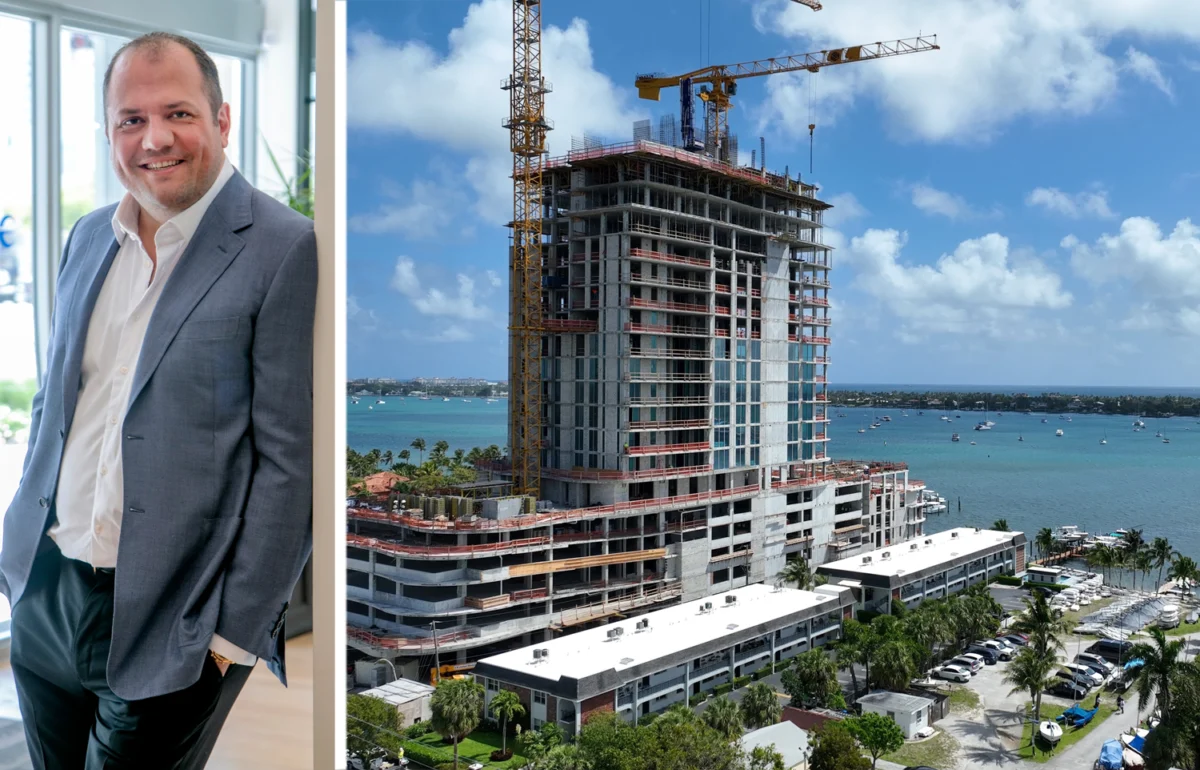
The South Florida luxury real estate market continues to demonstrate resilience as developers navigate the transition from construction to sales stabilization. BGI Companies and Blue Road, the joint venture partners behind the recently completed Alba Palm Beach, have secured a $56.5 million inventory loan from Kriss Capital. This strategic financial maneuver, documented in recent public mortgage filings, is designed to support the remaining unsold inventory at the 22-story waterfront tower located at 4714 North Flagler Drive.
As West Palm Beach evolves into a premier destination for high-net-worth individuals, the project serves as a bellwether for the local luxury condominium sector. The financing encompasses 22 unsold units—representing nearly 40 percent of the building’s 55-unit total capacity—and underscores the capital-intensive nature of delivering ultra-luxury residential assets in the current economic climate.
Project Genesis and Development Timeline
The Alba Palm Beach project was conceived to capitalize on the surging demand for waterfront living along the Intracoastal Waterway. The development journey began in earnest with the acquisition and assembly of the 1.2-acre site, situated approximately three miles north of the bustling West Palm Beach central business district.
Following the initial planning and permitting phases, the developers secured a construction loan to break ground. In April 2022, the project gained significant momentum as financing was structured to move the project from vision to reality. By 2023, the scope and scale of the development required additional capital, leading to a $95 million boost to the original construction financing.
The year 2024 marked a major milestone for the joint venture as construction reached completion. The official formation of the condominium association in April 2024 served as the formal legal transition from a construction project to an active residential community. The tower, which offers residents amenities such as a private marina, extensive parking facilities, and approximately 25,000 square feet of curated lifestyle spaces, now stands as a prominent feature of the Flagler Drive skyline.
Financial Structure and Lender Engagement
The latest $56.5 million infusion from Kriss Capital acts as a bridge to long-term stabilization. According to financial records, this loan includes $36.6 million in new capital, which was combined with $19.9 million in outstanding debt remaining from the previous construction facility. Kriss Capital is serving as both the lender and the administrative agent for this transaction.
The shift from a construction-focused loan to an inventory loan is a standard practice in the real estate development lifecycle. It allows developers to pay down high-interest construction debt while securing more favorable terms for the final sell-out phase of the building. This provides the development team with the financial flexibility to manage sales velocity without the immediate pressure of looming construction debt maturities.
Perspectives from the Development Team
Kenneth Baboun, co-founder of BGI Companies, characterized the move as a logical and expected progression for a project of this scale. In a formal statement regarding the financing, Baboun noted, "This is a customary refinancing process for a condominium project at this stage. We continue to see strong interest in the remaining residences currently available and are very pleased with the overall response to Alba Palm Beach. We look forward to continued momentum as we approach the final phase of sales."
The confidence expressed by the developers suggests that despite broader national concerns regarding interest rates and cooling luxury markets, the specific micro-market of waterfront property in West Palm Beach remains insulated due to high demand and limited supply of new, high-amenity inventory.
The Macro Landscape: West Palm Beach’s Residential Boom
The financing for Alba Palm Beach arrives at a pivotal moment for West Palm Beach. Since the onset of the COVID-19 pandemic, the city has experienced a radical transformation, driven by an influx of wealth from the Northeast and other high-tax jurisdictions. This migration pattern has spurred a wave of luxury condo development, with developers scrambling to deliver inventory that meets the expectations of sophisticated buyers.
The current pipeline for the city is robust. Analysts monitor at least 11 major luxury residential projects across the region. Of these, six are currently in the active construction phase, while five have already launched formal sales campaigns. This competitive landscape includes high-profile developments such as:
- Banyan Tree Residences: A project led by Mast Capital.
- Mr. C Residences: Developed by Terra.
- South Flagler House: A collaboration involving Related Ross.
- Shorecrest: A notable addition to the waterfront residential portfolio.
This rapid expansion has raised questions regarding market saturation. However, developers point to the distinctiveness of these projects—often characterized by brand-name design partnerships, concierge services, and proximity to the growing financial hub of downtown West Palm Beach—as a hedge against potential oversupply.
Future Expansion and Strategic Land Banking
The commitment of BGI Companies and Blue Road to the West Palm Beach corridor extends beyond the success of Alba Palm Beach. Their strategic vision involves a long-term presence in the neighborhood. Earlier this year, the partnership successfully acquired a low-rise condominium building situated immediately adjacent to the Alba site.
Plans have already been filed for a 31-story tower on this neighboring parcel, signaling a clear intent to scale their operations in the area. By controlling contiguous waterfront properties, the developers are effectively creating a cohesive luxury enclave, which helps stabilize property values and provides a streamlined living experience for their high-end clientele.
Economic Implications and Market Outlook
The ability of developers to secure $56.5 million in inventory financing in the current credit environment is a positive indicator for the broader South Florida real estate market. It suggests that institutional lenders remain confident in the "flight-to-quality" trend that has defined the luxury sector for the past four years.
However, the market is not without its challenges. Higher interest rates and the rising cost of insurance and materials have compressed profit margins for many developers. For projects like Alba Palm Beach, the goal is to maintain a steady sales pace. If the absorption rate of the remaining 22 units remains consistent with the developer’s internal projections, the project will successfully deleverage, paving the way for the development of their next planned tower.
The success of these projects is also critical to the city’s tax base. New construction contributes significantly to the municipal coffers through increased property tax valuations, which in turn supports infrastructure improvements in West Palm Beach. As the city matures from a seasonal vacation destination into a year-round corporate and residential hub, the standard for residential development will continue to rise.
Conclusion
The financing of Alba Palm Beach serves as a snapshot of the current state of luxury real estate: high-quality assets in prime locations continue to command institutional support, even as the market shifts from a period of explosive growth to one of disciplined stabilization. With the support of lenders like Kriss Capital, BGI Companies and Blue Road are well-positioned to complete the final phase of their flagship project while simultaneously preparing for their next development cycle.
As the skyline of West Palm Beach continues to evolve, the performance of these luxury towers will remain a critical metric for investors and market watchers alike. For now, the narrative remains one of cautious optimism, underscored by the tangible reality of completed, high-end construction projects that continue to define the new face of the Florida coast.