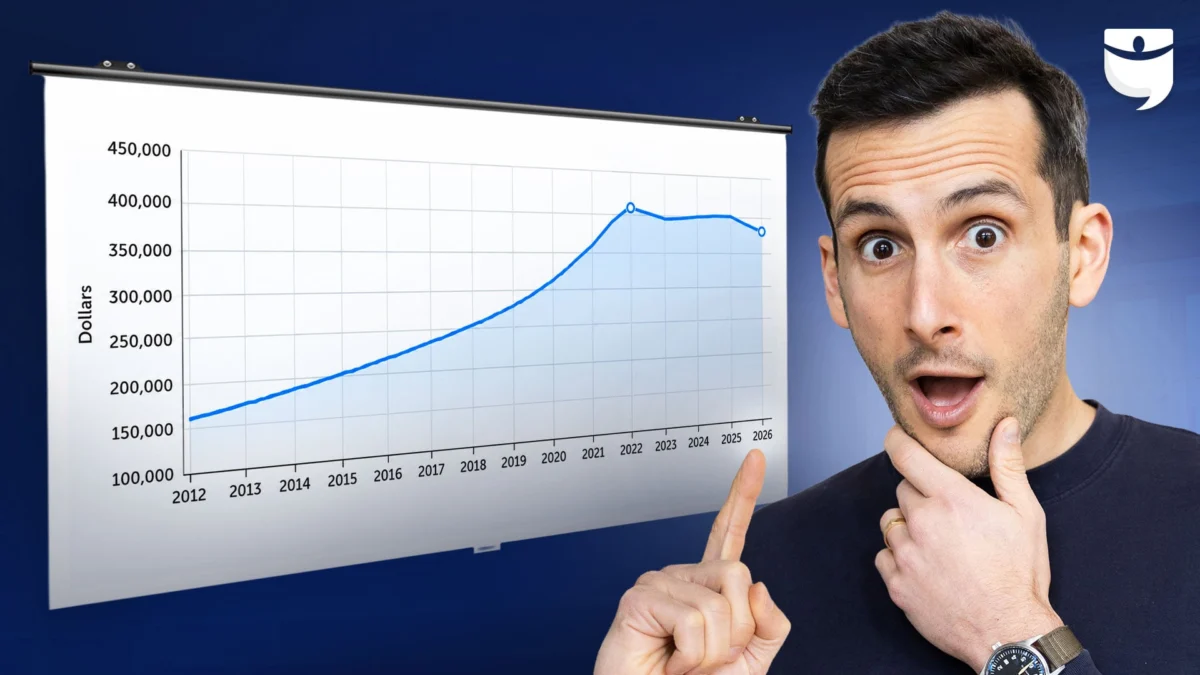
Chronology of the Market Shift
The path to this moment began long before the recent October reports. Following the onset of the pandemic in 2020, the housing market experienced an unprecedented surge in demand fueled by historically low interest rates and a rapid shift in remote work preferences. This environment created a decade-high appreciation cycle. However, the trajectory began to flatten in late 2022 as the Federal Reserve initiated a series of aggressive interest rate hikes to combat rising inflation.
By mid-2023, the market entered a period of volatility. While prices remained resilient for much of the year due to a severe lack of housing inventory—the so-called "lock-in effect" where homeowners refused to sell to avoid giving up low-interest mortgages—the affordability gap became too wide for the average consumer to bridge. The current October data serves as the culmination of these stressors, marking a formal end to the sustained growth streak and validating long-standing projections that a market correction was inevitable.
Economic Pressures and Federal Reserve Policy
The primary driver behind this correction is the confluence of high interest rates and stubborn inflation. The Consumer Price Index (CPI) for October revealed a significant increase in inflationary pressure, with core CPI—which excludes volatile food and energy costs—rising by 0.3% for the third consecutive month. This persistence has prompted the Federal Reserve to maintain a hawkish stance, with market analysts widely expecting further rate hikes to ensure long-term economic stability.
These monetary policies have directly impacted the mortgage market. Average mortgage rates in October climbed toward 7.4%, the highest level in three years. This shift has created both a mathematical and psychological barrier to entry for prospective buyers. Because mortgage rates are heavily influenced by the yield on the 10-year U.S. Treasury, and bond investors remain highly sensitive to inflation reports, the cost of borrowing has remained elevated, effectively suppressing the purchase volume. While some market participants have called for immediate rate cuts to provide relief, economists argue that premature easing could signal a lack of resolve against inflation, potentially leading to even higher bond yields and, subsequently, higher mortgage rates.
Analyzing the Demand and Supply Imbalance
The current market dynamic is characterized by a "great stall" in transaction volume. Pending home sales have fallen by 3.6% month-over-month, reaching the lowest levels seen since 2013, excluding the pandemic-induced shutdowns of early 2020. This decline suggests that the market is no longer merely experiencing a seasonal dip, but a structural reduction in activity.
On the supply side, the data presents a nuanced picture. While total inventory is rising—reaching its highest point since early 2020—it is not the result of a surge in new listings. In fact, new listings have actually declined by 4% year-over-year. Instead, the inventory buildup is attributed to a decrease in the velocity of sales; homes are simply staying on the market longer as buyers remain on the sidelines. This indicates that while the market is tilting in favor of buyers, the lack of forced selling among existing homeowners is preventing a rapid, disorderly collapse.
Risk Assessment and Financial Health
Despite the decline in prices, industry risk reports from institutions like ICE provide a degree of context regarding the overall stability of the sector. The risk of a systemic crash, similar to the 2008 financial crisis, is currently mitigated by the record-high levels of equity held by American homeowners. National homeowner equity is estimated at $17.5 trillion, with a substantial portion of that classified as "tappable equity," allowing homeowners a financial cushion.
Delinquency rates, while showing an uptick, remain within a historically normal range. The national delinquency rate sits at approximately 3.66%. While there is evidence of increased stress among specific loan segments—notably FHA and VA loans, which are more common among lower-credit or lower-down-payment borrowers—this distress is geographically concentrated rather than widespread. The majority of underwater mortgages, currently affecting roughly 2% of total mortgage holders, are largely situated in regions like the American South, particularly in markets such as Austin, Texas, and parts of Florida.
Broader Implications for the Real Estate Sector
The current transition represents a significant shift in leverage. With 61% of homes selling below their list price and the average sale-to-list ratio hovering around 96%, buyers who are still active in the market hold more negotiating power than at any point since 2015. However, this environment creates a distinct set of challenges for different stakeholders:
- For Homeowners: The decline in price is, for many, a "paper loss." Since most homeowners hold fixed-rate debt and have significant equity, there is little incentive to sell at a loss. Market analysts suggest that current homeowners are better served by holding their assets rather than attempting to liquidate in a softening market.
- For Real Estate Investors: The current period offers opportunities for those with the liquidity to acquire properties, but it requires a high degree of caution. Investors must account for higher borrowing costs and focus on properties that offer significant value-add potential. The "buy and hold" strategy remains the most robust, provided the asset is cash-flow positive under current interest rate conditions.
- For House Flippers: This segment of the industry is arguably the most vulnerable to the current transition. Because flippers rely on short-term price appreciation to secure profit margins, the shift from a seller’s market to a buyer’s market can quickly erode projected returns. Extra due diligence is required for any project with a short-term exit strategy.
Future Outlook
Looking ahead, the trajectory of the housing market will be inextricably linked to the labor market and the trajectory of inflation. While price declines are expected to remain in the low single digits on a national scale—likely between 2% and 5%—the risk of a more significant correction would only materialize if the labor market experiences a sharp downturn. Current unemployment levels remain historically low, which has acted as a primary floor for the housing market.
Regional variations will continue to define the recovery. Markets that experienced the most aggressive price growth during the pandemic, such as Austin, Nashville, and Seattle, are likely to see more pronounced corrections as they reconcile with affordability constraints. Conversely, more stable, lower-priced markets may experience less volatility.
In summary, the housing market has entered a period of recalibration. The era of unchecked, rapid price growth has concluded, replaced by a more complex, interest-rate-sensitive environment. For potential buyers, the window for negotiation has widened; for sellers, the reality of a cooling market necessitates a more conservative approach to pricing. As the Federal Reserve continues to monitor inflationary data, the real estate sector will remain in a state of transition, awaiting clearer signals regarding the stabilization of both the broader economy and the cost of debt.