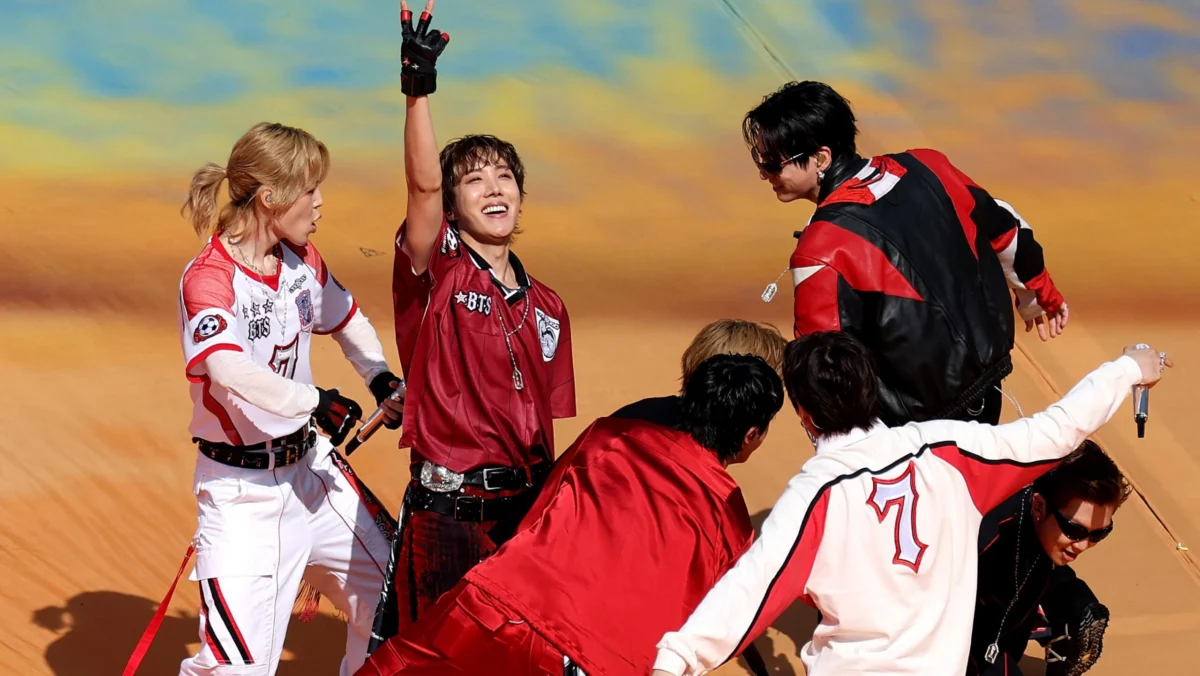
BTS, the seven-member global phenomenon, etched their names into the annals of sports and entertainment history on Sunday by headlining FIFA’s groundbreaking first-ever halftime show. The K-pop titans delivered an electrifying 11-minute mega-mix performance during the highly anticipated World Cup 2026 final match, a clash of titans between Spain and Argentina that captivated billions worldwide. The event, held at the iconic New York New Jersey Stadium, known outside of tournament play as MetLife Stadium, marked a significant cultural crossover, blending the world’s most popular sport with the planet’s most influential musical act.
The performance, a carefully orchestrated spectacle, saw the members – RM, Jin, Suga, J-Hope, Jimin, V, and Jung Kook – command the stage with a dazzling rendition of their 2020 global chart-topper, "Dynamite." This selection was no accident; the infectious disco-pop anthem has become a symbol of optimism and resilience, resonating with audiences across diverse backgrounds and cultures. Its upbeat tempo and universal message of joy perfectly complemented the celebratory atmosphere of a World Cup final, a tournament that unites nations and fosters a sense of shared human experience.
BTS’s inclusion in this historic halftime show placed them in elite company. They shared the monumental stage with a constellation of international stars, including music legends Madonna and Shakira, pop sensation Justin Bieber, Nigerian Afrobeat pioneer Burna Boy, renowned conductor Gustavo Dudamel leading the New York Philharmonic, and even beloved characters from the Muppets. The star-studded lineup underscored the ambition of FIFA and its partners to create a halftime experience that transcended traditional sporting entertainment, aiming for a global cultural moment. Adding a touch of popular television culture, actors Jason Sudeikis and Brendan Hunt made a memorable cameo appearance as their beloved characters from the critically acclaimed series Ted Lasso, further blurring the lines between sports, music, and entertainment. The culmination of the tournament in the United States, Canada, and Mexico represented a significant logistical and cultural undertaking, with matches played across numerous cities in all three host nations, culminating in this grand finale.
The segment featuring BTS commenced with a dynamic opening by the group’s youngest member, Jung Kook. His entrance was heralded by a visually striking nod to the "viking row" celebration, a powerful display of synchronized athleticism and team spirit, perhaps alluding to the collective effort required in both sports and music. Dressed in a unified palette of red, black, and white, a color scheme often associated with passion and victory, Jung Kook, at 28 years old, exuded charisma and confidence. He sported a stylish motto jacket and cool sunglasses, setting a trendsetting tone. As "Dynamite" unfolded, the remaining members of BTS gradually joined him, their individual presences amplifying the collective energy of the performance.
A particularly noteworthy aspect of BTS’s performance was their thoughtful adaptation of the "Dynamite" lyrics. To further integrate their segment with the spirit of the World Cup, the group introduced playful, sport-themed lyrical modifications. Lines like "King Kong, kick the ball" and "Ding-dong, call me on my phone / Ice tea, and a game of football" added a whimsical touch, directly referencing the sport at hand. V, whose real name is Taehyung Kim, delivered the latter line with a charming pantomime of kicking a football, a gesture that was met with enthusiastic cheers from the stadium’s capacity crowd. These lyrical adjustments demonstrated BTS’s ability to engage with their audience on multiple levels, seamlessly blending their established artistry with the specific context of the event.
The production of this unprecedented halftime show was spearheaded by Global Citizen, a renowned non-profit organization dedicated to ending extreme poverty and combating climate change. The musical programming was meticulously curated by Chris Martin, the lead singer of the Grammy-winning band Coldplay, whose own global impact and commitment to social causes align with Global Citizen’s mission. This partnership underscored a deeper purpose behind the spectacle: to raise awareness and funds for the FIFA Global Citizen Education Fund. The initiative aims to secure $100 million to support educational opportunities worldwide, with a commitment of $1 donated to the fund for every ticket purchased throughout the World Cup tournament. This philanthropic angle transformed the halftime show from mere entertainment into a powerful platform for positive social change, amplifying the impact of the event far beyond the final whistle.
The World Cup halftime show represented a significant milestone in BTS’s already extraordinary career. The record-breaking K-pop group has experienced a monumental comeback year. Following their mandatory military enlistments in their native South Korea, all seven members reconvened last year to embark on a new musical chapter. Their highly anticipated album, Arirang, was released in March, marking their official return to group activities. The album has been met with critical acclaim and commercial success, further cementing BTS’s global influence.
Currently, BTS is in the midst of an expansive world tour in support of Arirang. This tour has seen them perform to sold-out stadiums across the globe, showcasing their dynamic stage presence and unparalleled artistry. In May, they took a brief hiatus from their string of sold-out shows in Las Vegas to attend the American Music Awards. Their appearance marked their first return to major award shows post-military enlistment, and they were honored with three prestigious awards, a testament to their enduring popularity and impact on the music industry. Their schedule indicates a return to Las Vegas in September for the iHeartRadio Music Festival, promising yet another memorable performance for their dedicated fanbase.
Adding another layer of significance to their presence in the New York metropolitan area, BTS is slated to return to MetLife Stadium in just a few short weeks. They are scheduled to perform two sold-out shows on August 1 and August 2, further highlighting their immense draw and the continued demand for their live performances. This upcoming residency at the iconic venue will offer fans another opportunity to witness their captivating artistry firsthand, following their monumental FIFA halftime show.
The inclusion of BTS in the FIFA World Cup halftime show is a testament to their status as a truly global phenomenon. Their ability to connect with audiences across cultural, linguistic, and geographical boundaries is unparalleled. By participating in such a high-profile event, BTS not only entertained millions but also contributed to a larger narrative of global unity and shared experience. Their performance served as a powerful reminder that music and sports, at their best, possess the extraordinary ability to bring people together, transcending differences and fostering a sense of collective joy and aspiration. The integration of philanthropic goals into the event further elevates its significance, showcasing how major global platforms can be leveraged for positive social impact. As BTS continues to break barriers and redefine the possibilities of global stardom, their performance at the FIFA World Cup halftime show will undoubtedly be remembered as a pivotal moment in the convergence of entertainment, sport, and social consciousness.
Context and Background of the FIFA World Cup Halftime Show
The FIFA World Cup, often referred to as the "greatest show on Earth," is the most prestigious and widely viewed sporting event in the world. Held every four years, it brings together national football (soccer) teams from across the globe in a month-long tournament that captivates billions of fans. The 2026 edition, co-hosted by the United States, Canada, and Mexico, marked a significant expansion of the tournament, featuring an increased number of participating teams and a wider geographical spread of host cities. This decentralized approach aimed to enhance accessibility and engage a broader audience across North America.
Historically, the halftime show during major sporting events, particularly the Super Bowl in the United States, has evolved into a significant cultural spectacle, often eclipsing the game itself in terms of global viewership and media attention. For FIFA, the introduction of a dedicated, multi-artist halftime show for the World Cup final represented a strategic move to elevate the event’s entertainment value and broaden its appeal beyond traditional football enthusiasts. The decision to enlist Global Citizen as a production partner and integrate a philanthropic component underscores a growing trend among major global events to leverage their platforms for social good. This approach not only enhances the event’s public image but also contributes to tangible positive outcomes.
Chronology of the Event and BTS’s Involvement
- Early Stages of World Cup 2026 Planning: Discussions regarding the format and entertainment for the World Cup final halftime show likely began well in advance of the tournament. FIFA and its partners would have sought artists with immense global appeal and a proven track record of delivering captivating live performances.
- Selection of BTS: BTS, with their unparalleled international fanbase and history of breaking global music records, emerged as a prime candidate. Their ability to transcend language barriers and connect with diverse audiences made them an ideal choice to headline an event aimed at global unity.
- Partnership with Global Citizen and Chris Martin: The involvement of Global Citizen and Chris Martin signaled an intention to create a halftime show with a purpose, aiming to raise awareness and funds for educational initiatives. This collaboration likely involved extensive planning and coordination to align the artistic elements with the philanthropic goals.
- Announcement of Halftime Show Performers: The official announcement of the lineup, including BTS, Justin Bieber, Shakira, Burna Boy, and other notable artists, generated significant excitement and anticipation worldwide, highlighting the caliber of talent involved.
- World Cup 2026 Final Match (Sunday): The tournament culminated in the final match between Spain and Argentina at MetLife Stadium.
- Halftime Show Performance: During the halftime interval, BTS took center stage, delivering their energetic performance of "Dynamite" with lyrical adaptations tailored to the event. The show also featured the other announced artists, creating a diverse and memorable entertainment experience.
- Post-Performance Reactions and Analysis: Following the performance, media outlets and social media platforms buzzed with discussions about BTS’s impact, the success of the halftime show, and the broader implications of integrating global music stars into major sporting events.
Supporting Data and Context
- Global Reach of BTS: BTS has achieved unprecedented global success for a K-pop group. Their albums have topped charts in numerous countries, and they have sold out stadium tours worldwide. Their social media presence is immense, with billions of followers across various platforms, demonstrating their significant influence on a global scale. For instance, their album "Map of the Soul: 7" became the first album by a Korean act to sell over a million copies in the United States.
- FIFA World Cup Viewership: The FIFA World Cup final consistently ranks as one of the most-watched sporting events globally. The 2026 final, with BTS headlining the halftime show, was expected to draw an even larger and more diverse audience, potentially setting new viewership records for a halftime entertainment segment. Reports indicate that previous World Cup finals have garnered viewership figures exceeding a billion people worldwide.
- Global Citizen’s Impact: Global Citizen has a proven track record of mobilizing global action and raising significant funds for various causes. Their campaigns have led to billions of dollars in commitments for poverty eradication, education, and climate action. The partnership with FIFA amplifies their reach and impact.
- MetLife Stadium Capacity: MetLife Stadium, located in East Rutherford, New Jersey, is a major venue with a seating capacity of over 82,000. For a high-profile event like the World Cup final, the stadium was packed to capacity, ensuring a massive live audience for the halftime show.
Analysis of Implications
The decision by FIFA to feature a K-pop group like BTS at the World Cup final halftime show carries significant implications for both the music industry and the world of sports.
- Cultural Convergence: This event signifies a powerful moment of cultural convergence, where the global appeal of K-pop now stands shoulder-to-shoulder with the universal passion for football. It underscores the increasing interconnectedness of global entertainment and sports, with artists and athletes alike achieving widespread international recognition and influence.
- Broadening Appeal of the World Cup: By incorporating a global music phenomenon like BTS, FIFA likely aimed to attract a younger demographic and fans who might not be traditional football followers. This strategic move can help to further solidify the World Cup’s position as a truly global cultural event, transcending its sporting origins.
- K-Pop’s Growing Global Influence: BTS’s participation in such a prestigious event is a clear indicator of K-pop’s ascendance to mainstream global dominance. It validates the genre’s artistic merit and commercial power, opening doors for other K-pop artists to achieve similar levels of international recognition.
- Philanthropic Integration: The integration of Global Citizen’s educational fund highlights a growing trend of social responsibility in major entertainment and sporting events. This approach not only enhances the event’s positive image but also provides a tangible benefit to society, demonstrating that large-scale entertainment can be a force for good. The $1 per ticket donation model is a simple yet effective way to engage fans in a charitable cause.
- Future Halftime Show Strategies: The success of this innovative halftime show format could influence future decisions by major event organizers, including FIFA and the NFL, to incorporate more diverse and globally recognized musical acts. It sets a precedent for more ambitious and purpose-driven entertainment experiences.
The performance by BTS at the FIFA World Cup 2026 final halftime show was more than just a musical interlude; it was a carefully orchestrated fusion of global culture, athletic excellence, and philanthropic ambition. It represented a significant moment in the ongoing evolution of entertainment, showcasing the power of music to unite and inspire on a planetary scale.