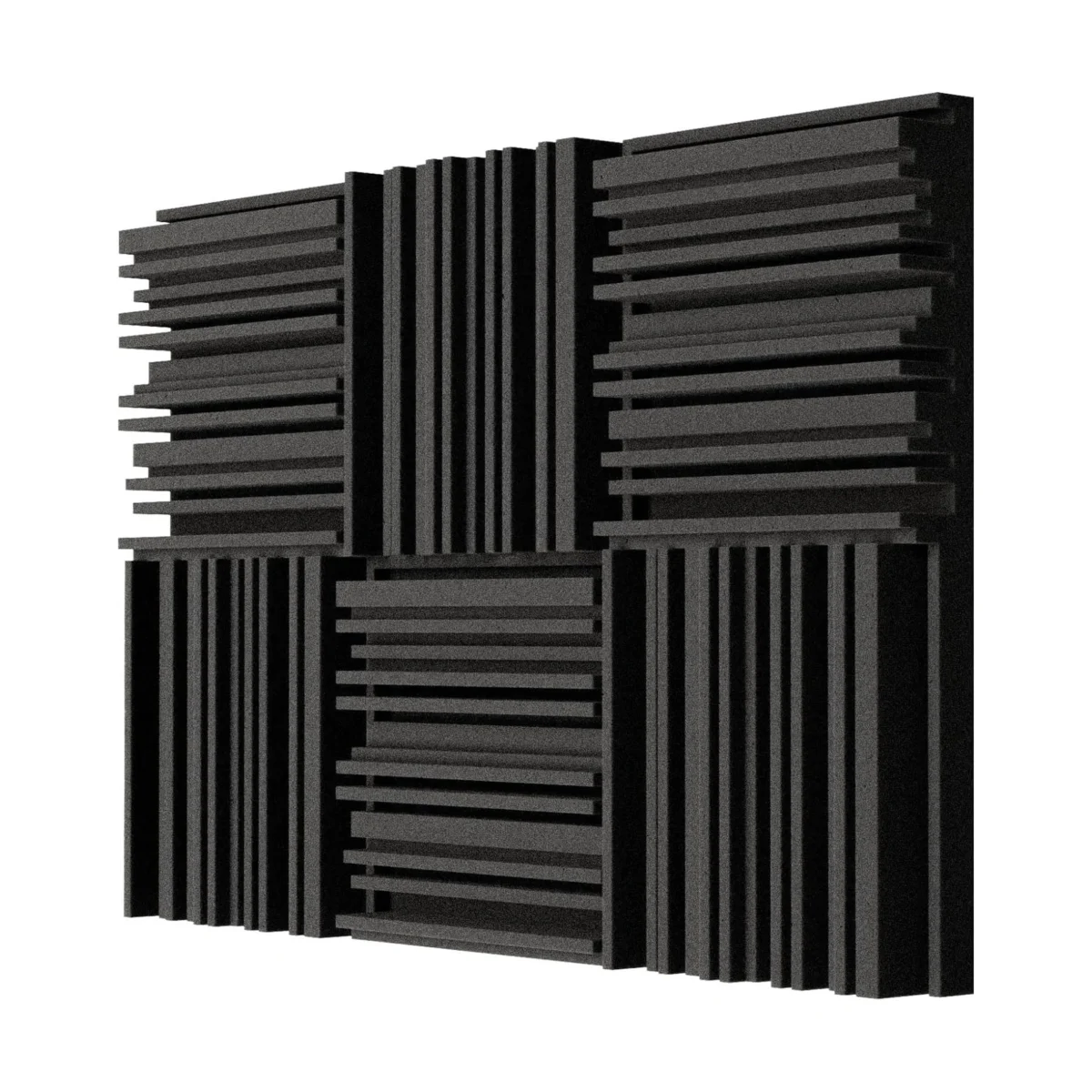
Acoustic panels, once relegated to the hallowed halls of professional recording studios and the dedicated spaces of audiophiles, are rapidly transcending their niche origins. These sound-dampening wall treatments are emerging as surprisingly effective tools for a growing number of individuals seeking to reclaim their domestic spaces from intrusive noise, enhance audio experiences, or simply cultivate an atmosphere of tranquility. From the burgeoning ranks of remote workers and aspiring home musicians to families grappling with the cacophony of modern living, acoustic panels are proving to be a versatile and increasingly accessible solution.
The proliferation of work-from-home arrangements has undeniably amplified the demand for quiet, focused environments. As more professionals conduct virtual meetings and deep work sessions from their residences, the intrusion of household noises – from family members and pets to appliances and external traffic – has become a significant impediment to productivity and well-being. Similarly, the surge in home entertainment, including high-fidelity music listening and immersive home theater setups, has highlighted the importance of controlled acoustics for optimal sound quality. Beyond these practical applications, the simple desire for peace and quiet in an increasingly noisy world is driving many to explore solutions that mitigate the relentless barrage of sound.

Understanding the Science: How Acoustic Panels Work
At their core, acoustic panels function by absorbing sound waves rather than reflecting them. This process is crucial for controlling reverberation and echo within a room. When sound waves encounter a hard, flat surface, they bounce off, creating echoes and a muddy, indistinct audio experience. Acoustic panels, typically constructed from porous materials like specialized foam, fiberglass, or mineral wool, trap these sound waves within their structure. As sound enters the panel, friction converts the sound energy into minuscule amounts of heat, effectively reducing the intensity and duration of the sound waves that would otherwise reflect back into the room.
The effectiveness of an acoustic panel is quantified by its Noise Reduction Coefficient (NRC). This rating ranges from 0 to 1, where 0 indicates no sound absorption and 1 signifies complete absorption. An NRC of 0.3, for example, means the panel absorbs 30% of the sound that strikes it. For most home applications, panels with an NRC between 0.7 and 0.95 offer a significant improvement in sound quality and noise reduction without completely deadening the room, which can sometimes feel unnatural. Panels with an NRC of 1.0 are highly effective for environments where complete sound absorption is paramount, such as professional recording booths or dedicated listening rooms.
Navigating the Market: Choosing the Right Acoustic Panels
Selecting the optimal acoustic panels involves considering several key factors to ensure they meet specific needs and integrate seamlessly into the home environment.

-
Noise Reduction Coefficient (NRC): As discussed, the NRC is the primary metric for sound absorption. Higher NRC values translate to greater sound dampening capabilities. For general echo reduction and noise mitigation, an NRC of 0.7 or higher is recommended. For more critical soundproofing needs, higher ratings are desirable.
-
Size and Coverage: Acoustic panels come in various dimensions. It’s essential to measure the intended space and determine the required coverage area. While foam panels can often be cut to size, pre-sized panels offer convenience. For significant noise reduction, a substantial portion of wall and ceiling surface area may need to be covered, ideally around 15-25% of the total surface area for a noticeable impact.
-
Placement Strategy: The effectiveness of acoustic panels is highly dependent on their placement. While professional studios often aim for full wall and ceiling coverage, this is rarely necessary or aesthetically desirable for home use. Strategic placement is key.

- Home Theaters and Music Rooms: Panels should ideally be placed at the "first reflection points" – the spots on the side walls, ceiling, and floor where sound from the speakers bounces directly to the listener’s ears. Placing a panel opposite each speaker and near the subwoofer can also effectively control bass frequencies and reduce room modes.
- Home Offices and Gaming Setups: For spaces where focused work or immersive gaming is prioritized, panels can be strategically placed on walls shared with noisier areas of the house or on walls that tend to create echo. This helps to minimize distractions and improve the clarity of audio for calls or game sound.
- Apartments and Shared Living Spaces: For those dealing with noisy neighbors or shared living situations, panels can help to both absorb sound originating from within the apartment and reduce the intrusion of external noise. Covering key wall surfaces, especially those adjacent to neighboring units or common areas, can make a significant difference.
-
Aesthetics and Design: Unlike their utilitarian counterparts in professional settings, home acoustic panels are increasingly designed with aesthetics in mind. Options range from traditional black foam panels to fabric-wrapped panels in a myriad of colors, wood-look finishes, and even artistic designs that mimic wall art. The choice depends on the desired visual impact and how the panels will integrate with the existing decor.
-
Installation Difficulty: Most acoustic panels are designed for relatively straightforward installation. Many come with adhesive backing or can be mounted using command strips, velcro, or traditional screws. Foam panels are often lightweight and easy to handle, while wood-slat designs might require more precise mounting. User reviews often provide valuable insights into the ease or difficulty of setup.
A Curated Selection: The Best Acoustic Panels for Diverse Needs
Our selection of top acoustic panels considers effectiveness, visual appeal, value for money, and ease of installation, catering to a wide spectrum of home environments and user preferences.

Editor’s Pick: Reverbeon Minimalist Acoustic Panels
With an impressive NRC of 0.95, these Reverbeon panels stand out for their exceptional sound-dampening capabilities. Available in a wide array of colors and textures, they offer a discreet yet effective solution for a variety of spaces. Each 23.6-inch square panel provides substantial coverage, and a pack of six allows for rapid installation. The 0.95 NRC rating strikes a balance, effectively absorbing most unwanted sound while still allowing for a natural auditory experience. User feedback consistently praises their efficacy in reducing echo and reverb, and the included adhesive pads simplify the installation process, making them an excellent all-around choice.
Best Foam Panels: Geynnple Sound Proof Foam Panels
For those seeking a more traditional and budget-friendly option, the Geynnple foam panels are an excellent choice. These large 48 by 24-inch panels are sold in two-packs and are notably affordable. Their foam construction allows for custom fitting by cutting, ensuring precise application. Users report significant reductions in common external noises like traffic and rain, and importantly, these panels avoid the synthetic odor often associated with cheaper foam alternatives. Their simplicity and effectiveness make them ideal for larger-scale sound treatment.
Best Wood Panels: Vriquor Acoustic Wall Panels
Elevating the aesthetic of acoustic treatment, Vriquor offers stylish wood-finish panels that belie their sound-dampening function. Moving beyond the typical slat design, these panels feature an attractive diagonal pattern that creates a modern visual effect when installed across a wall. Despite their sophisticated appearance, they remain relatively affordable, with a six-pack of 23.62-inch square panels priced competitively. They provide a sophisticated way to improve room acoustics without compromising on interior design.

Ultra Quiet Performance: ATS Acoustics Panel
Boasting a near-perfect NRC rating of 1.0, ATS Acoustics panels offer unparalleled sound absorption. Constructed with a solid wood frame and a durable jute fabric covering, these panels are built for longevity and blend more subtly into a room than typical foam treatments. Their high absorption rate makes them ideal for environments where minimizing sound transmission and reflection is critical, such as home offices, music practice spaces, or bedrooms. The black variant is particularly noted for its ability to absorb both sound and light, reducing glare from screens.
Best Color Options: Ekkogo Acoustic Panels
For users who prioritize both sound control and vibrant aesthetics, Ekkogo acoustic panels present a compelling solution. This 12-pack offers an impressive selection of 21 color choices, ranging from classic neutrals like black and grey to bold and playful hues such as turquoise, candy red, and "70s orange." Beyond their visual appeal, these panels deliver strong acoustic performance with an NRC of 0.95, ensuring effective noise reduction regardless of the room’s sound levels.
Best Value: Audiosoul Acoustic Panels
When value for money is a primary consideration, the Audiosoul acoustic panels are hard to beat. This package provides 52 one-square-foot panels for around $40, offering substantial coverage for one or more walls. Despite their low price point, these panels are praised for their solid construction and effective noise reduction capabilities. Their high Amazon rating, with over 6,000 reviews averaging 4 out of 5 stars, attests to their widespread satisfaction and reliable performance.

Most Stylish: Art3d Wood Slat Acoustic Panels
For a blend of contemporary design and acoustic functionality, the Art3d Wood Slat Acoustic Panels are a top contender. These panels mimic the look of modern wood slats while incorporating sound-absorbing foam beneath the surface. Available in various wood finishes like walnut, teak, and cherry, they offer a sophisticated aesthetic that complements modern interiors. Their visual appeal makes them suitable for living rooms and home theaters where both sound quality and visual presentation are important.
Artistic Sound Solutions: Bubos Art Acoustic Panels
These Bubos acoustic panels cleverly disguise their acoustic purpose by appearing as decorative wall art. With an NRC of 0.9, they effectively absorb sound without sacrificing the room’s aesthetic. Each 16 by 12-inch panel in the eight-pack is designed to blend seamlessly with decor, making them ideal for living rooms and home theaters where a traditional studio look is undesirable. Their artful design allows for sound dampening without compromising the visual harmony of the space.
Best for Percussive Power: TroyStudio Thick Acoustic Foam Panels
For musicians, particularly drummers, who require robust sound control, TroyStudio’s thick acoustic foam panels are a strong choice. These panels are engineered to handle the significant sound output of instruments like drums, making them suitable for music studios, practice rooms, and even home theaters where powerful audio is desired. While an individual package of six 12-by-12 panels might require purchasing multiples for extensive coverage, their affordability and an NRC of 0.8 offer effective sound dampening and echo reduction, allowing for enthusiastic practice sessions without disturbing others.

Highly-Rated Performance: Fstop Labs Acoustic Panels
Consistently receiving high marks on Amazon, with a 4/5-star rating from nearly 4,000 reviews, Fstop Labs acoustic panels are recognized for their aesthetic appeal and effective sound dampening. A minor consideration noted by users is that these panels may require a day or two to fully expand after unwrapping, a common characteristic of compressed foam products. This slight expansion time is a small trade-off for their proven performance and positive user reception.
The Broader Impact: Redefining Home Environments
The increasing adoption of acoustic panels signifies a broader shift in how individuals perceive and interact with their living spaces. In an era where the lines between work, leisure, and personal life are increasingly blurred, the ability to control one’s auditory environment has become a crucial component of well-being and productivity. Acoustic panels offer a tangible and effective means to achieve this control, transforming potentially chaotic or acoustically compromised rooms into havens of focused work, immersive entertainment, or peaceful relaxation.
As manufacturers continue to innovate, offering a wider range of materials, designs, and price points, acoustic panels are poised to become an even more integral part of modern home design. They are no longer just a tool for audio professionals but a versatile solution for anyone seeking to enhance their living experience through the power of sound control. The quiet revolution, it seems, is well underway, one wall panel at a time.