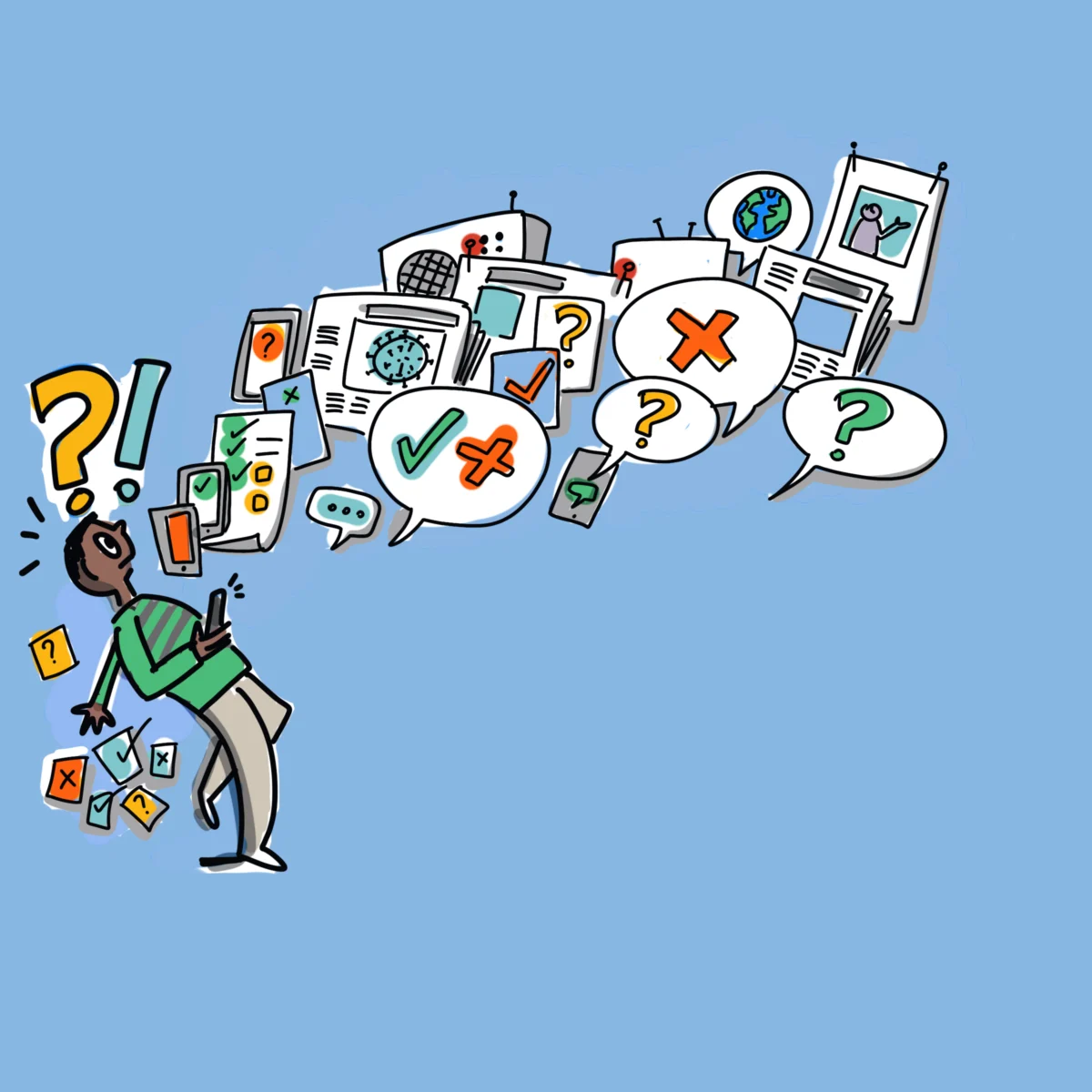
The COVID-19 pandemic stands as an unprecedented historical milestone, representing the first global health crisis where advanced technology and social media have been deployed on a massive scale to keep populations safe, informed, productive, and interconnected. Yet, this same digital infrastructure that sustains modern society has simultaneously enabled and exponentially amplified a secondary, parallel crisis: an infodemic that continues to undermine the global public health response, deepen societal divisions, and jeopardize critical measures required to control the spread of the virus.
An infodemic, as defined by global health authorities, is characterized by an overabundance of information—both online and offline—that includes deliberate, coordinated attempts to disseminate false or misleading narratives. These falsehoods are frequently deployed to actively undermine public health measures and advance the alternative agendas of specific groups or individuals. The proliferation of mis- and disinformation poses a direct threat to human life, affecting both physical and mental well-being. By fostering increased stigmatization, threatening hard-won global health gains, and leading to poor adherence to evidence-based public health interventions, bad actors and viral falsehoods have actively reduced the efficacy of containment strategies, leaving nations increasingly vulnerable to successive waves of infection.
The Anatomy of Misinformation: A Direct Threat to Public Health
The real-world consequences of unchecked digital falsehoods are severe and measurable. Misinformation quite literally costs lives. In the absence of public trust and accurate, verified information, crucial diagnostic testing protocols are frequently ignored or rejected. Immunization campaigns, vital for achieving herd immunity and protecting vulnerable populations, face severe hurdles when targeted by anti-science campaigns and fabricated safety scares, often falling short of their necessary coverage targets. When communities lose faith in institutional guidance, the virus continues to circulate, mutate, and thrive.
Beyond immediate public health roadblocks, the toxic spread of disinformation has heavily polarized public discourse surrounding the pandemic. It has served as a digital megaphone for hate speech, significantly heightened the risk of localized conflict and social violence, and facilitated severe human rights violations against marginalized groups. Over the long term, these information-driven fractures threaten the foundational prospects of advancing democracy, safeguarding human rights, and maintaining fragile social cohesion across diverse global populations.
Chronology of a Crisis: Key Milestones in the Global Response
Recognizing the existential threat posed by the digital infodemic alongside the biological virus, international organizations and member states began mobilizing formal countermeasures early in the pandemic cycle. The chronology of institutional mobilization underscores the growing urgency with which global leaders viewed the manipulation of public information.
In April 2020, as the first wave of the pandemic overwhelmed global healthcare systems and panic-driven rumors flooded social media channels, the United Nations Secretary-General officially launched the United Nations Communications Response initiative. This sweeping multi-agency effort was designed to actively combat the rapidly accelerating spread of mis- and disinformation by flooding the digital ecosystem with verified, science-based messaging.
Shortly thereafter, on May 11, 2020, the United Nations issued a comprehensive Guidance Note on Addressing and Countering COVID-19 Related Hate Speech. This document provided operational frameworks for identifying and mitigating the sharp rise in xenophobic rhetoric and targeted harassment that accompanied the early dissemination of virus-related falsehoods.
Later that same month, during the virtual Seventy-Third World Health Assembly in May 2020, Member States of the World Health Organization (WHO) formally adopted Resolution WHA73.1 concerning the COVID-19 response. This landmark resolution explicitly acknowledged that managing the infodemic is not merely a peripheral concern, but a critical, foundational component of successfully controlling the COVID-19 pandemic as a whole.
Resolution WHA73.1 formally called upon all WHO Member States to proactively provide reliable, accessible COVID-19 content to their citizenry, implement concrete legislative and administrative measures to counter mis- and disinformation, and leverage emerging digital technologies across all facets of their national health responses. Furthermore, the resolution urged international organizations to aggressively address digital sphere falsehoods, work collaboratively to prevent harmful cyber activities designed to undermine health infrastructures, and steadfastly support the provision of transparent, science-based data to the global public.
Data and Insights: The Scale of the Digital Challenge
To understand the necessity of these sweeping international resolutions, analysts and researchers must examine the sheer volume and velocity of digital content generated during the pandemic. Academic studies and independent audits of major social media platforms during 2020 and 2021 revealed unprecedented patterns of engagement with unverified claims. Content questioning the fundamental existence of the virus, promoting unverified and dangerous "cure-all" home remedies, or casting doubt on vaccine efficacy routinely outperformed verified public health advisories in terms of shares, likes, and comments.
According to data compiled by digital rights organizations and infodemiologists, millions of pieces of content were flagged or removed by major technology platforms for violating COVID-19 misinformation policies. However, moderation efforts consistently lagged behind the viral spread of engineered disinformation campaigns. Surveys conducted across multiple continents during the height of the immunization rollouts indicated a direct correlation between high exposure to social media misinformation and vaccine hesitancy. Populations saturated with misleading narratives regarding fertility risks, microchip tracking, or severe adverse reactions exhibited significantly lower rates of vaccine uptake, directly impeding national recovery timelines.
Official Responses and Institutional Mobilization
In the wake of these findings, the UN system, in close partnership with civil society organizations, academic institutions, and frontline healthcare workers, has continually adapted its strategies, pooling collective expertise and knowledge to combat the infodemic. However, as the prolonged nature of the pandemic continues to generate widespread societal uncertainty, psychological fatigue, and persistent anxiety, institutional bodies emphasize that current measures are insufficient.
There is an urgent, non-negotiable requirement for intensified, synchronized action. Effectively managing the infodemic demands a highly coordinated, multi-stakeholder approach uniting national governments, multilateral institutions, local civil society groups, technology corporations, and individual community leaders, all of whom share a distinct responsibility in safeguarding the integrity of the public information ecosystem.
Strategic Action Plan: A Call for Member State Intervention
To shift the tide against digital falsehoods, international experts and governing bodies have outlined a targeted blueprint for national governments. Member States are formally called upon to develop, resource, and rigorously implement comprehensive national action plans dedicated specifically to managing the infodemic.
These action plans must prioritize the timely, transparent dissemination of accurate information grounded firmly in scientific evidence and empirical data. Special care must be taken to ensure this communication reaches all segments of society equitably, with targeted outreach directed toward high-risk, vulnerable, and marginalized communities who are disproportionately targeted by predatory misinformation campaigns.
Crucially, these strategies must achieve a delicate balance: they must actively prevent the spread of, and combat, malicious mis- and disinformation while steadfastly respecting, protecting, and upholding the fundamental human right to freedom of expression. Censorship overreaches can easily backfire, eroding public trust further; therefore, interventions must rely on transparency, persuasive counter-messaging, and digital literacy enhancements rather than arbitrary suppression.
Furthermore, governments are strongly urged to move away from top-down communication models by actively engaging with and listening to their local communities during the formulation of national action plans. By empowering grassroots communities to develop their own culturally resonant solutions, societies can build organic resilience against the manipulation of facts. Communities equipped with critical thinking tools and trusted local conduits of information are proven to be significantly more resilient when confronted with coordinated disinformation campaigns.
The Broader Stakeholder Coalition: Shared Responsibilities
Beyond the actions required of sovereign governments, the broader international community—encompassing every entity with influence over the information pipeline—must step up its commitments. This includes traditional media outlets and modern social media platform operators, who serve as the primary infrastructural conduits through which mis- and disinformation are disseminated globally.
Technology companies are increasingly called upon to refine their algorithms, elevate authoritative public health sources, and provide researchers and technologists with transparent access to platform data so they can design, test, and deploy effective tools to counter the infodemic. Technologists, data scientists, and academic researchers must continue innovating solutions that detect automated disinformation networks and amplify authentic, life-saving guidance.
Simultaneously, civil society leaders, cultural influencers, and community voices hold immense sway over public perception. By collaborating closely with the United Nations system, national governments, and one another, these influencers can leverage their platforms to model responsible information-sharing habits, debunk persistent myths, and reinforce public trust in scientific institutions.
Ultimately, the fight against the COVID-19 infodemic serves as a permanent stress test for modern global society. As the boundaries between physical health and digital safety continue to blur, the lessons learned from managing this historic crisis will dictate humanity’s preparedness for future health emergencies. Only through sustained, collaborative, and evidence-based action across all levels of society can the international community reclaim the information ecosystem, protect public health, and preserve the integrity of democratic discourse for the years to come.