Astronomers have captured an unprecedented view of V445 Puppis, the Milky Way’s sole known helium nova, revealing a spectacular outflow of matter ejected at astonishing speeds of up to 20 million miles per hour. This groundbreaking discovery, made possible by the keen eye of NASA’s Hubble Space Telescope and a suite of other powerful observatories, offers a rare glimpse into the extreme physics of binary star systems and the explosive phenomena they can produce. For over two decades, V445 Puppis remained largely obscured by a dense shroud of dusty debris, a cosmic veil that has only recently begun to dissipate, allowing scientists to finally unravel its mysteries.
The celestial spectacle of V445 Puppis first erupted in the year 2000, but its true nature and the mechanisms behind its explosive outbursts have been a subject of intense scientific curiosity. The dense cloud of dust and gas that enveloped the system following the nova event acted as a significant impediment to detailed observation. This obscuring layer prevented astronomers from discerning the precise characteristics of the stars involved and the dynamics of the eruption itself. However, with the gradual clearing of this dusty cocoon, a dedicated team of researchers, utilizing a powerful combination of space-based and ground-based telescopes, has finally been able to pierce through the remaining haze.
The observational arsenal employed in this study included the venerable Hubble Space Telescope, a workhorse of astronomical discovery for over three decades; NASA’s Transiting Exoplanet Survey Satellite (TESS), primarily designed for hunting exoplanets but also capable of detecting stellar variability; and the Extremely Large Telescope (ELT) in Chile, one of the most advanced ground-based optical telescopes in the world. This multi-faceted approach provided a comprehensive dataset, allowing scientists to not only identify the high-velocity "bullets" of matter being ejected but also to confirm the unusual nature of the binary system at its heart.
Unveiling the Double Act: A Dead Star and its Rare Companion
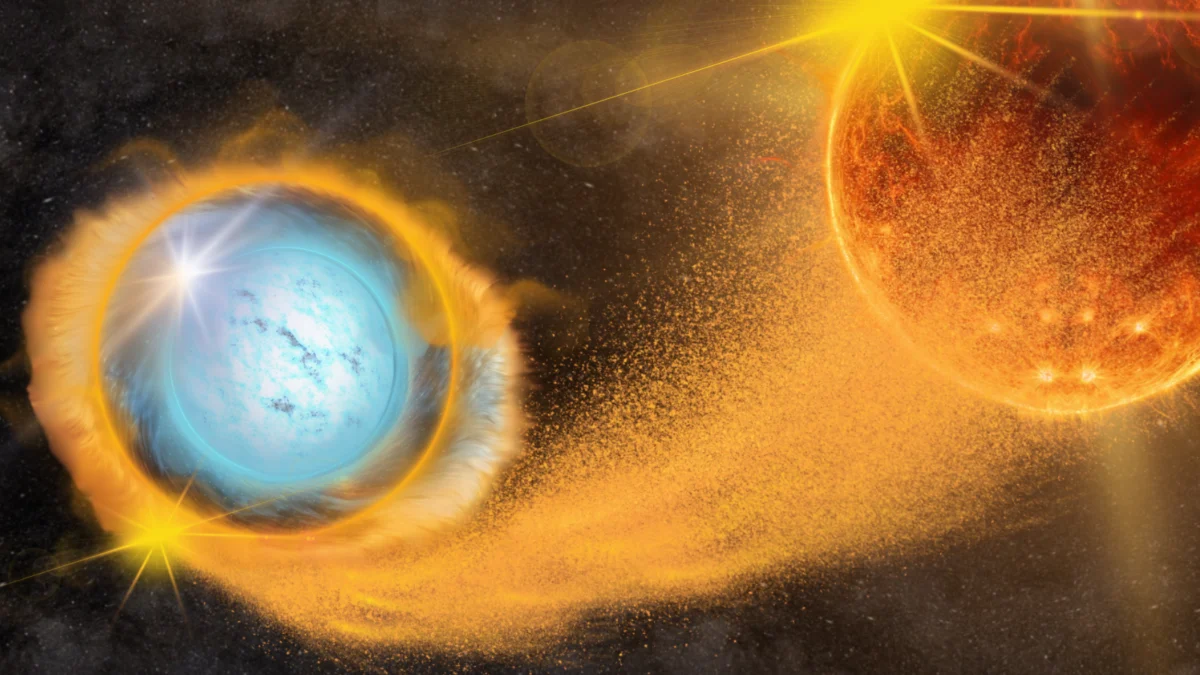
The revelations from these observations paint a fascinating picture of V445 Puppis. The system comprises a white dwarf, the dense remnant of a star that has exhausted its nuclear fuel, in a symbiotic relationship with a "helium star." Helium stars are exceptionally rare celestial objects, representing stars that have already shed their outer hydrogen envelopes, exposing their helium-rich interiors. This particular binary configuration presents scientists with a unique opportunity to study one of the rarest types of stellar pairings and one of the most enigmatic cosmic explosions known.
The ejected matter, described as "bullets" by the research team, is thought to be rich in oxygen, adding another layer of intrigue to the event. "The origin of these ‘bullets’ is a mystery," stated John Mills, a researcher at the University of Warwick in the UK and a member of the study team. "We suspect that these originated post-outburst, but ‘bullets’ of this kind have not been observed in any other nova." This statement, made during the presentation of the findings, highlights the unique characteristics of the V445 Puppis event and the ongoing quest to understand its precise formation mechanism.
The Science of Helium Novae: A Rare Breed of Stellar Explosion
To comprehend the significance of V445 Puppis, it’s crucial to understand what differentiates a helium nova from its more common hydrogen counterpart. Ordinary novas, which are observed with greater frequency in our galaxy, occur when a white dwarf accretes hydrogen-rich material from a companion star. This accreted hydrogen builds up on the white dwarf’s surface, eventually triggering a runaway thermonuclear fusion reaction that results in a bright outburst.
Helium novas, on the other hand, involve a white dwarf drawing material from a companion star that is already hydrogen-deficient and rich in helium. These companion stars are often referred to as "helium stars." The process is similar in that the accreted helium also builds up on the white dwarf, leading to extreme pressures and temperatures that ignite a helium-fueled thermonuclear explosion. This fundamental difference in the accreted fuel is what defines a helium nova and makes V445 Puppis a particularly noteworthy object of study.
A Tale of Two Stars: The Accretion Process
The mechanism driving these powerful explosions involves a relentless process of mass transfer between the two stars. The white dwarf, possessing a strong gravitational pull, acts as a cosmic vacuum cleaner, steadily siphoning helium-rich material from its less massive companion. As this material accumulates on the surface of the white dwarf, it creates a volatile environment. The sheer density of the white dwarf, which is comparable to the mass of our Sun compressed into a volume roughly the size of Earth, contributes to the extreme conditions required for nuclear fusion.
When the accumulated helium reaches a critical threshold, a thermonuclear runaway occurs. This explosion is not powerful enough to destroy the white dwarf entirely, unlike a Type Ia supernova, but it does eject a significant portion of the accreted material and the star’s outer layers into space. This ejected material forms the spectacular outflows and nebulae observed around novae.
The V445 Puppis Outburst: A Two-Decade Spectacle
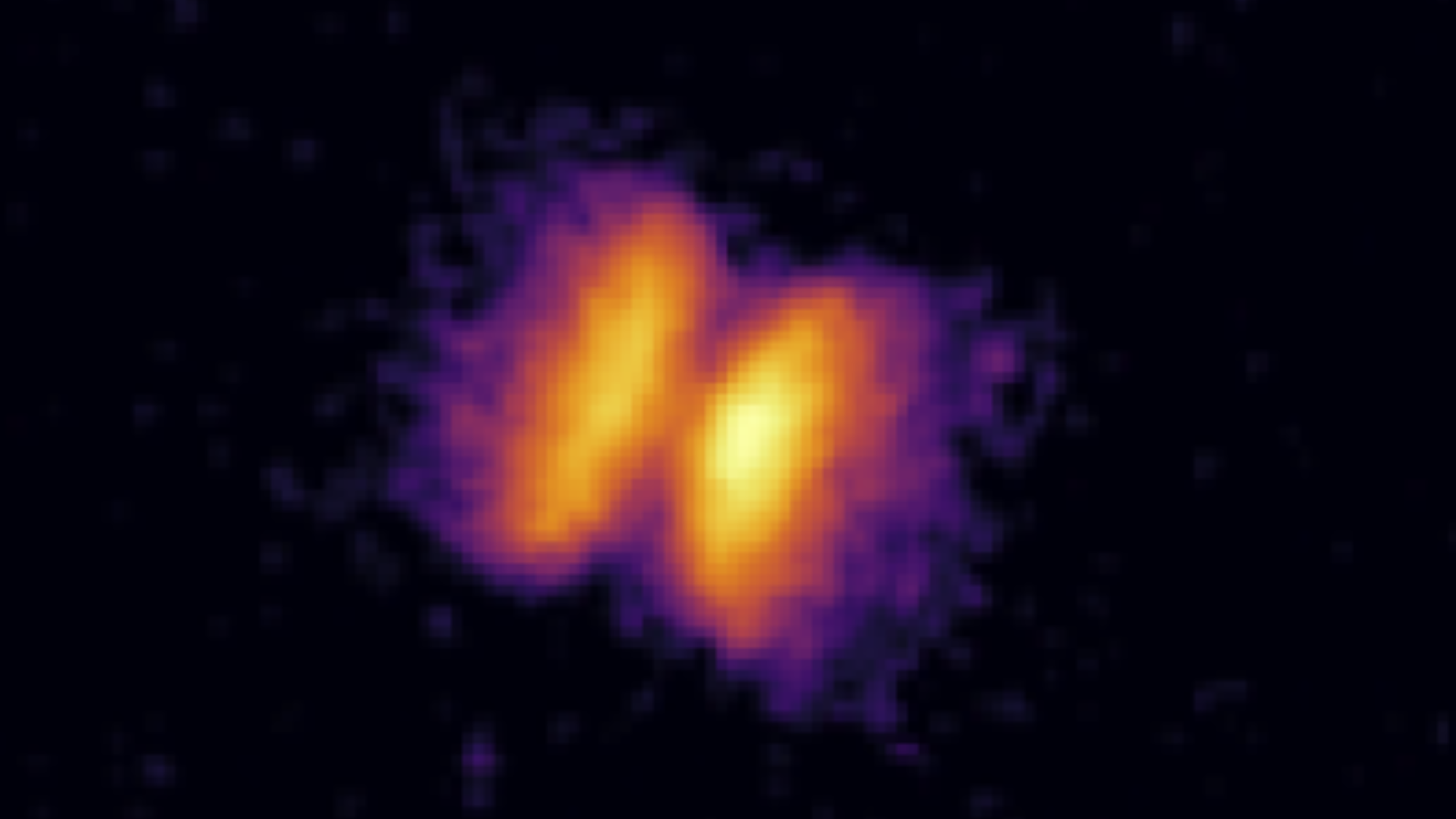
The 2000 eruption of V445 Puppis was particularly dramatic, launching vast, twin plumes of debris that bore a striking resemblance to butterfly wings. These bipolar outflows, stretching across an astonishing distance of over a trillion miles, were initially detected in infrared light. Adding to the complexity of the system, the nova also generated a thick disc of dust that effectively cloaked the binary star system for more than two decades. This obscuring cloud was a major hurdle for astronomers, preventing them from thoroughly investigating the nature of the stars responsible for the blast and the dynamics of the expanding debris.
The Dawn of Clarity: Peering Through the Dust
The persistent clearing of this dusty veil has been a game-changer for researchers. It allowed the team to definitively identify the components of the V445 Puppis system. The confirmation that the system harbors a helium star is particularly significant. Among the hundreds of billions of stars estimated to populate the Milky Way, helium stars are exceedingly rare, with only a few thousand identified to date. This rarity underscores the scientific value of studying V445 Puppis.
"The culprits behind this galactic eruption have been an enduring mystery over the past 25 years, which is why it is very exciting to confirm that this helium nova was the result of a helium star accreting onto a white dwarf," Mills elaborated, emphasizing the long-standing enigma surrounding the system.
Beyond the Bullets: A Glimpse into the Future
The observations have revealed more than just the composition of the system; they have also uncovered phenomena that have never been witnessed in any other nova event. The presence of these peculiar "bullets" of matter is a particularly intriguing aspect of the V445 Puppis eruption. Their origin and the physical processes that accelerate them to such extreme velocities remain a subject of ongoing investigation.
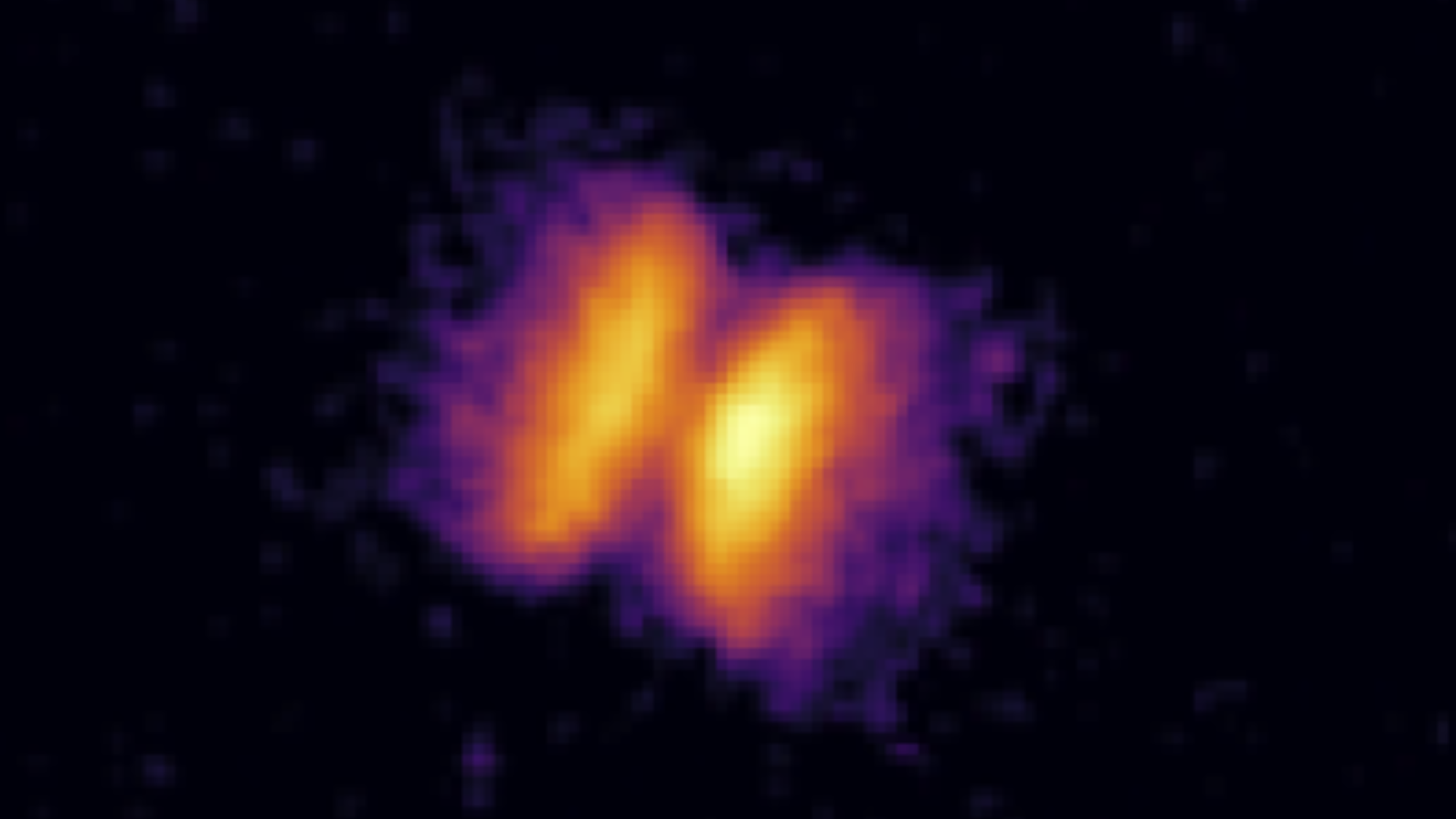
Perhaps even more astonishing is the finding that V445 Puppis may be on the verge of another nova outburst. This prospect holds significant implications for our understanding of stellar evolution and the potential pathways to more cataclysmic events.
The Imminent Threat of a Repeat Performance
According to Mills’s analysis, the white dwarf in V445 Puppis has, in essence, "recovered" from its previous bout of stellar indigestion and has resumed accreting material from its helium star companion. This continuous feeding process is precisely what led to the initial helium nova in 2000. The current rate of accretion suggests that another episode of this rare type of cosmic explosion could be imminent.
Implications for Supernovae: A Bridge to Type Ia Events
The potential for repeated helium nova eruptions from V445 Puppis has profound implications for our understanding of Type Ia supernovae. These supernovae are a specific class of stellar explosions that occur when a white dwarf accumulates too much mass from its companion, leading to its complete destruction in a spectacular blast. Type Ia supernovae are of immense importance to cosmology because their consistent luminosity allows them to be used as "standard candles" for measuring vast cosmic distances. By observing their brightness, astronomers can map the expansion of the universe and investigate the influence of dark energy, the mysterious force driving its accelerated expansion.
Scientists have long theorized that a series of helium nova eruptions could eventually lead to a Type Ia supernova. The white dwarf would undergo multiple smaller explosions, gradually increasing its mass until it reaches the critical Chandrasekhar limit (approximately 1.4 times the mass of the Sun), triggering the cataclysmic detonation. V445 Puppis, with its apparent readiness for another nova event, could provide a crucial observational link in this theoretical chain.
"I look forward to seeing how this result may help us uncover what powers other similar hydrogen-poor astronomical explosions, such as the famous Type Ia supernovas," Mills added, highlighting the broader scientific impact of the V445 Puppis research.
A Glimpse into the Universe’s Engine Room
The findings from the study of V445 Puppis were formally presented at the Royal Astronomical Society’s National Astronomy Meeting in Birmingham, UK, this week. This presentation marks a significant milestone in astronomical research, offering new insights into the complex dynamics of binary star systems and the diverse range of explosive phenomena that occur in the cosmos. The ongoing monitoring of V445 Puppis promises to yield further revelations, potentially shedding light on the ultimate fate of such systems and their contribution to the evolution of galaxies. The "cosmic bullets" fired by this unique stellar performer serve as powerful reminders of the dynamic and often violent nature of the universe.
The research team’s work is a testament to the enduring power of observational astronomy and the crucial role of sophisticated telescopes like Hubble in pushing the boundaries of our cosmic understanding. As the dust continues to settle, both literally and figuratively, the secrets of V445 Puppis are gradually being unveiled, offering a compelling narrative of stellar interaction and explosive power.