Recent Sightings and Development Milestones
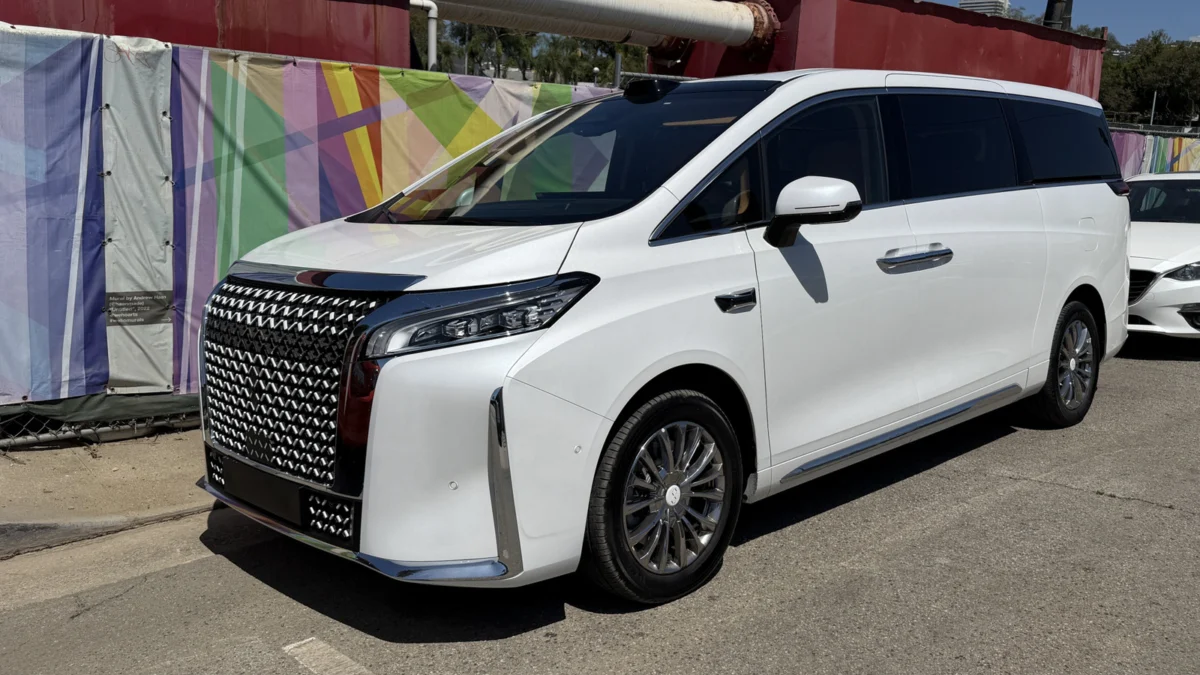
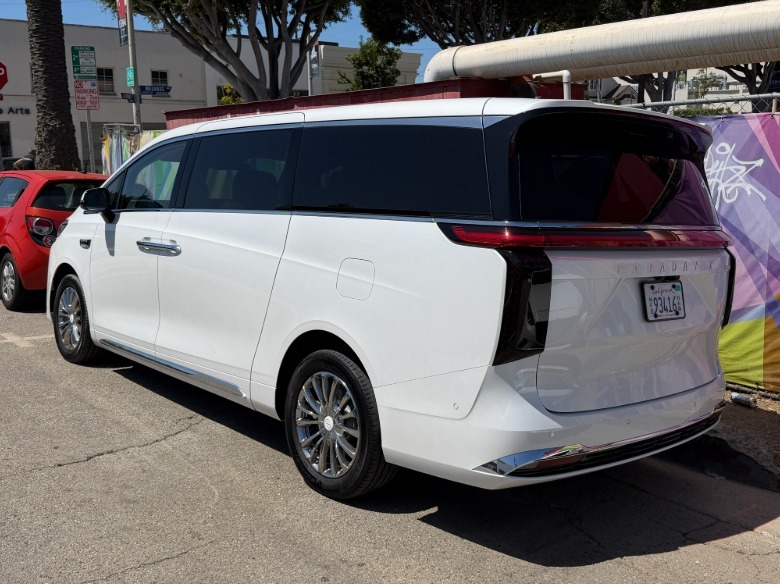
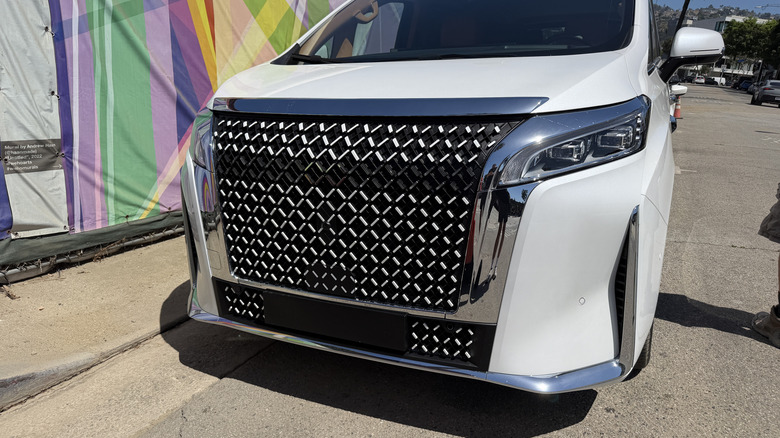
The FX Super One, which has been a subject of scrutiny since its initial conceptual reveal, appears to have entered a phase of rigorous real-world testing. Recent photographs of the test mule reveal a vehicle that closely mirrors the Wey Gaoshan, a premium MPV manufactured by Great Wall Motor (GWM) in China. Observers noted that the test vehicle featured manufacturer license plates and lacked the prominent "F.A.C.E." (Faraday Future AI Communication Ecosystem) screen that was a centerpiece of the prototype shown a year ago.
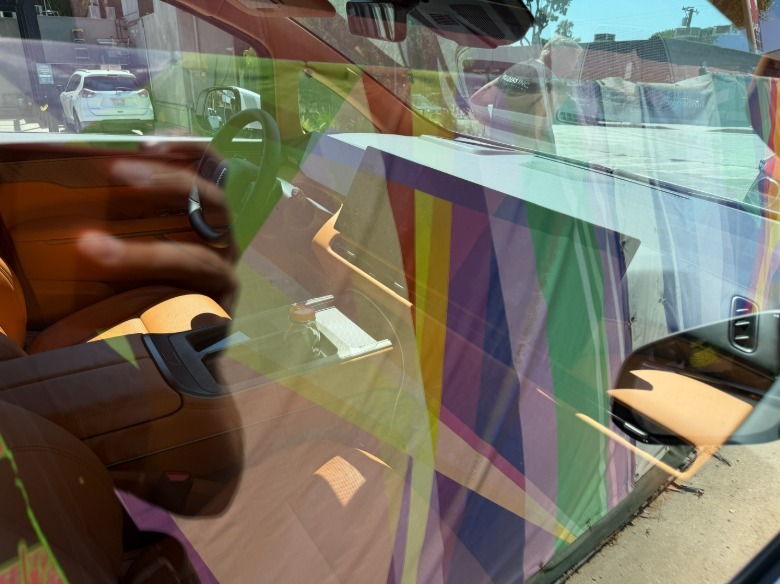
Instead of the interactive external display designed to communicate with pedestrians and drivers, the current test units feature a more conventional grille design utilizing a repeating Faraday Future logo pattern. This development suggests that the company may be focusing on mechanical validation and federalization requirements before integrating its more complex proprietary AI hardware. Inside the cabin, reports indicate that the test mules still retain components from the donor vehicle, including steering wheel emblems from the Wey brand, suggesting that the "Americanization" of the interior remains a work in progress.
The Evolution of the FX Brand and the Wey Gaoshan Partnership
The FX Super One is the flagship of Faraday Future’s "FX" sub-brand, a strategic initiative launched to capture a broader market segment than the $300,000+ FF 91. The FX strategy relies heavily on a "Global R&D" approach, where Faraday Future leverages existing platforms from established Chinese automotive manufacturers and adapts them for the North American market.
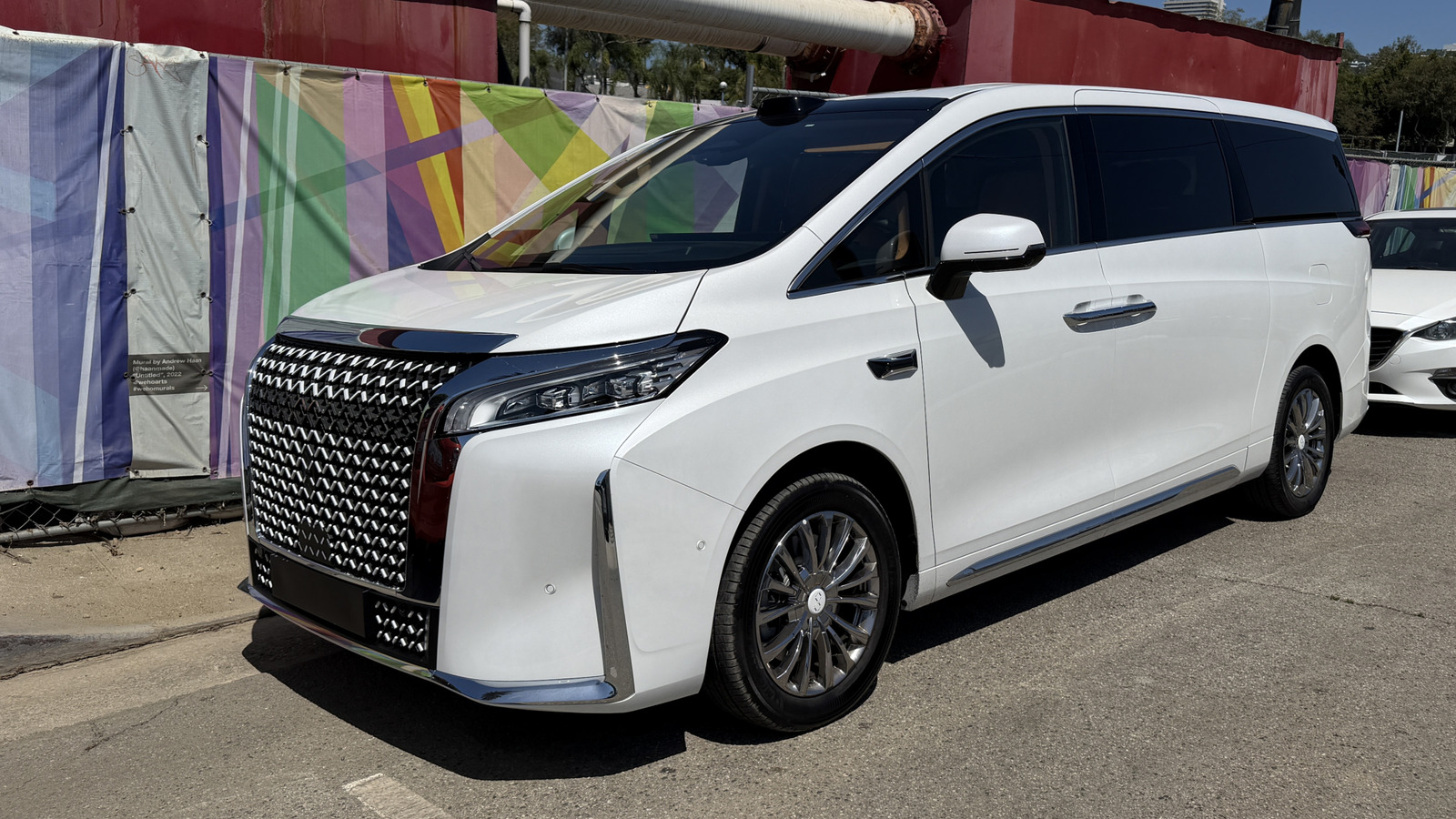
The partnership with Great Wall Motor allows Faraday Future to bypass the astronomical costs of developing a chassis and powertrain from the ground up. The Wey Gaoshan, which serves as the foundation for the FX Super One, is a high-end hybrid or electric minivan popular in the Chinese domestic market. By importing components and assembling them at its Hanford, California, facility, Faraday Future aims to position the FX Super One as a "bridge" between Chinese manufacturing efficiency and American technological innovation.
However, this strategy faces significant hurdles. The United States government has recently intensified its stance on Chinese-made automotive technology, implementing Section 301 tariffs that place a 100% duty on electric vehicles imported from China. While Faraday Future intends to perform final assembly in California to mitigate some of these costs, the high percentage of Chinese-sourced components in the FX Super One may still trigger regulatory scrutiny or high import levies on parts.
Technological Specifications and the Range-Extender Patent
Faraday Future has recently filed patents for a unique range-extender system specifically designed for the FX Super One. While the vehicle was initially touted as a pure battery electric vehicle (BEV), the company is pivoting to include an Extended-Range Electric Vehicle (EREV) variant. This move aligns with broader industry trends where manufacturers like Li Auto have seen massive success in China by using small internal combustion engines to charge the battery on the go, eliminating range anxiety.
The FX Super One is expected to utilize an 800-volt electrical architecture, which allows for significantly faster charging times compared to the 400-volt systems common in many current EVs. This high-voltage system is essential for a vehicle of the Super One’s size and weight, particularly if it is to meet the performance expectations of the luxury segment. The company has promised that the production version will feature "AI-driven performance," though specific horsepower and torque figures remain proprietary.
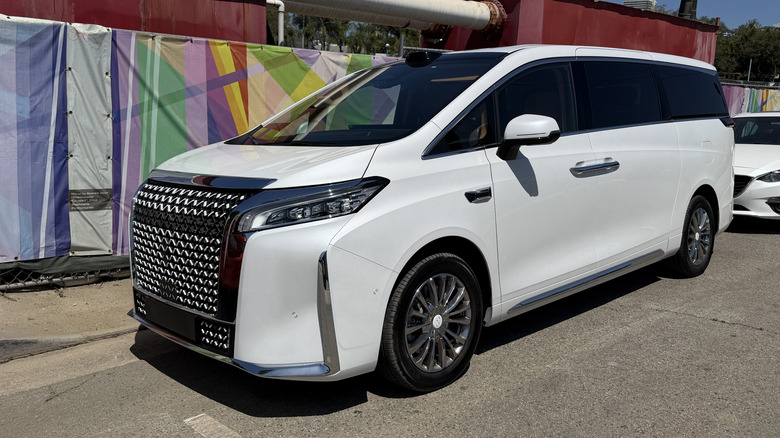
The "F.A.C.E." system, if it reaches production, remains the vehicle’s most controversial feature. Faraday Future describes it as a "window for the Vehicle Embodied Agent to perceive, interpret, and communicate with the outside world." In practice, this is a large external display that can show messages, weather updates, or AI-generated expressions, a feature the company believes will revolutionize the "human-vehicle relationship."
A Decade of Financial Turbulence
To understand the current state of the FX Super One, one must look at the historical context of Faraday Future. Founded in 2014 by Chinese billionaire Jia Yueting, the company was once hailed as a "Tesla killer." Its debut at the Consumer Electronics Show (CES) in 2017 with the FF 91 promised a future of autonomous, ultra-fast, and hyper-connected mobility.
In the years following that reveal, the company burned through billions of dollars in investor capital, faced numerous lawsuits from suppliers, and underwent multiple leadership changes. In 2023, Faraday Future finally delivered its first FF 91 2.0 Futurist Alliance to a customer, a milestone that took nine years to achieve. However, delivery volumes have remained in the single digits, and the company has frequently issued "going concern" warnings in its SEC filings, stating that it lacks the cash to sustain operations without additional external funding.
The FX brand is, in many ways, a last-ditch effort to achieve the scale necessary for survival. By targeting the MPV market—a segment that is underserved in the US but booming globally—Faraday Future hopes to attract a different class of investors who are interested in high-volume potential rather than just low-volume luxury.
Navigating the Geopolitical and Regulatory Landscape
The timing of the FX Super One’s testing is particularly sensitive given the current political climate regarding Chinese technology. Beyond tariffs, there are growing concerns in Washington regarding the data security of "connected vehicles" that utilize Chinese software or hardware.
Faraday Future has attempted to distance its American operations from its Chinese roots by emphasizing its "Global AI Hyper Technology Group" identity. The company argues that its vehicles are "born in California" and that the integration of AI is handled by US-based engineers. However, the reliance on Great Wall Motor for the Super One’s physical architecture makes it a prime target for regulators looking to limit the influence of the Chinese automotive industry in the United States.
Furthermore, the company must navigate the Federal Motor Vehicle Safety Standards (FMVSS). Rebadging a Chinese-market vehicle for US sale is not a simple matter of changing logos; it requires extensive crash testing, software recalibration for US infrastructure, and the installation of safety features like advanced airbag systems and specific lighting configurations that differ from Chinese regulations.
Market Positioning: The Luxury MPV Segment
The decision to produce a luxury minivan is a strategic gamble. In the United States, the minivan has long been viewed as a utilitarian family hauler, dominated by the Chrysler Pacifica, Honda Odyssey, and Toyota Sienna. However, in Asia and parts of Europe, the "executive MPV" is a status symbol used by high-ranking officials and business leaders as a mobile office.
Faraday Future believes there is an untapped market for this "mobile boardroom" concept in North America. The FX Super One is designed to offer reclining "zero-gravity" seats, high-speed internet connectivity, and an interior environment that prioritizes privacy and comfort. If the company can successfully market the vehicle to the livery and corporate sectors, it may find a niche that Tesla and Lucid have largely ignored.
Chronology of Recent Events
- October 2023: Faraday Future hosts a reveal event for the FX Super One, showcasing a prototype based on the Wey Gaoshan and announcing a focus on AI and "Embodied Agents."
- Early 2024: The company announces a shift to an 800V architecture for all future FX models to improve competitiveness.
- Mid-2024: FFIE receives a series of small investment tranches from Middle Eastern and private equity sources, allowing it to continue limited operations.
- Late 2024: Patents are filed for an EREV range-extender system, signaling a move away from a pure-BEV strategy for the FX brand.
- Present: Multiple FX Super One test mules are spotted on public roads in Southern California, indicating that the vehicle has moved beyond the show-car stage into active engineering validation.
Official Responses and Strategic Outlook
While Faraday Future has not released a formal statement regarding the specific West Hollywood sightings, the company’s recent social media activity and investor updates emphasize a "dual-home market" strategy. This involves maintaining a strong presence in both the US and China to leverage the strengths of both regions.
Critics, however, remain skeptical. Industry analysts point out that Faraday Future has a history of showcasing "testing" and "validation" phases that last for years without resulting in mass production. The fundamental challenge remains capital. As of its last quarterly report, the company’s cash reserves were insufficient to fund the start of production for the FX Super One.
The company is currently seeking additional funding through the issuance of new shares and potential partnerships with Middle Eastern sovereign wealth funds. If this funding fails to materialize, the FX Super One may join a long list of Faraday Future projects that never made it past the testing phase.
Broader Impact and Implications
The persistence of Faraday Future is a testament to the complexity of the modern EV startup landscape. Despite overwhelming odds, the company continues to iterate on its designs and push for a place in the market. The FX Super One represents a significant shift in the company’s DNA—from an original equipment manufacturer (OEM) to a technology integrator that "Americanizes" international platforms.
Should Faraday Future succeed in bringing the FX Super One to market, it could provide a blueprint for other Chinese manufacturers looking to enter the US market through local partnerships. Conversely, if it fails, it will serve as a cautionary tale about the difficulties of automotive rebadging and the immense capital requirements of the electric vehicle industry. For now, the sight of a white FX Super One on the streets of Los Angeles serves as a reminder that Faraday Future, against all expectations, is still attempting to navigate the road to production.