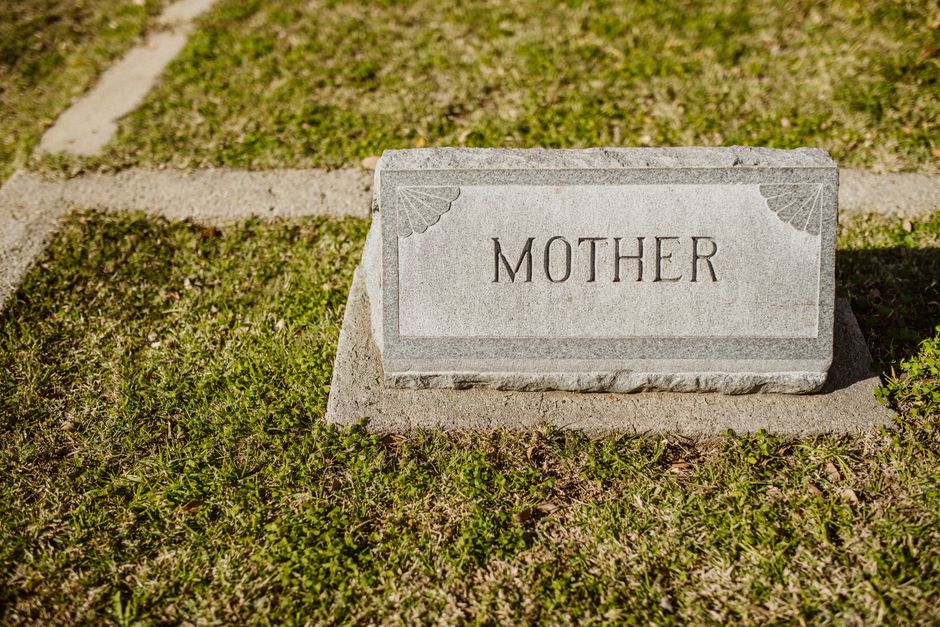
The Unraveling and Reclaiming: Rebecca Soffer’s Profound Essay on Grief and Maternal Loss
Rebecca Soffer’s essay, a searing exploration of grief and maternal loss, transcends mere personal narrative to offer a universal lens through which to understand the profound and often isolating experience of losing a mother. Her prose, unflinching in its honesty, dissects the multifaceted nature of this specific bereavement, illuminating how the absence of a maternal figure reshapes not only individual identity but also the very fabric of one’s perceived reality. Soffer’s work is an essential resource for anyone navigating this difficult terrain, providing solace, validation, and a framework for comprehension within the chaotic landscape of grief.
At its core, Soffer’s essay grapples with the unique void left by a mother’s death. This is not simply the loss of a loved one; it is the severance of a foundational connection, a source of unconditional love, guidance, and often, the very architect of one’s early self. Soffer articulates this with striking clarity, describing the loss as an amputation not of a limb, but of a vital organ of the soul. The maternal bond, she argues, is singular in its ability to shape our understanding of belonging, security, and even our capacity for love. Its disruption can trigger an existential crisis, a profound questioning of "who am I now?" without this primary anchor. This is especially true for adult children, who, even with their own established lives, continue to rely on their mothers for emotional support, historical context, and a sense of continuity with their past. The essay powerfully conveys the sense of being untethered, of a compass spinning wildly without its magnetic north.
A significant theme woven throughout Soffer’s work is the pervasive societal underestimation of maternal loss, particularly for adult children. While the death of a child often garners significant public sympathy and acknowledgement, the grief of an adult child losing their mother, though equally devastating, can be met with a quiet, often dismissive, societal expectation of swift recovery. Soffer critiques this "progress narrative" that pressures the bereaved to "get over it" and "move on" with undue haste. She highlights the insidious ways in which this expectation can lead to silent suffering, with individuals feeling ashamed or even inadequate for continuing to grieve deeply. The essay underscores that maternal loss is not a temporary setback but a fundamental recalcitrant shift, demanding a prolonged and deeply personal process of adaptation. This societal blind spot, Soffer argues, exacerbates the isolation already inherent in grief, making it harder for those affected to find understanding and support.
Soffer’s examination of the practical and emotional implications of maternal absence is particularly poignant. She details the mundane yet deeply symbolic tasks that become fraught with sorrow: sorting through a mother’s belongings, navigating holidays without her familiar presence, or simply reaching for the phone to share news, only to remember she is no longer there. These small moments, seemingly insignificant to an outsider, are powerful triggers for overwhelming waves of grief. The essay emphasizes that these are not just memories but actively felt absences, creating a phantom limb sensation of connection that is constantly, painfully, re-experienced. The absence of a mother also means the loss of a repository of family history, a living archive of shared experiences and intimate knowledge that can be irretrievably lost. Soffer’s words resonate with the feeling of a unique language being silenced, a personal dialect of love and understanding that can never be replicated.
The essay delves into the complex and often contradictory emotions that characterize maternal grief. Soffer is unafraid to explore the anger, guilt, regret, and even the moments of profound loneliness that can coexist with enduring love. She challenges the simplistic notion that grief is a linear progression through distinct stages. Instead, she presents it as a dynamic, swirling vortex of emotions that can shift and resurface unexpectedly. The guilt, in particular, is a powerful force, often manifesting as "what ifs" and "if onlys." Did I spend enough time? Did I say "I love you" enough? Did I appreciate her enough? These questions can gnaw at the bereaved, fueling a sense of inadequacy and self-blame. Soffer’s honest depiction of these difficult emotions serves to normalize them, reassuring readers that they are not alone in experiencing such complex and sometimes uncomfortable feelings.
A crucial contribution of Soffer’s essay is its focus on the concept of "continuing bonds." Rather than advocating for a complete severing of ties with the deceased, as some traditional grief models might suggest, Soffer champions the idea that the relationship with a deceased mother can and should evolve. This involves finding new ways to connect with her memory, her legacy, and the lessons she imparted. This might manifest in embodying her values, pursuing her passions, or sharing her stories with others. The essay suggests that by actively engaging with the continuing bond, the bereaved can find a sense of enduring connection and purpose, transforming the pain of absence into a source of strength and inspiration. This approach offers a hopeful alternative to the often-arduous task of letting go, proposing instead a process of integration and transformation.
Soffer’s prose is characterized by its raw vulnerability and intellectual rigor. She employs vivid metaphors and unflinching self-reflection to convey the profound impact of maternal loss. Her writing is not about platitudes or easy answers; it is about the messy, intricate, and deeply human process of navigating an unbearable reality. The essay’s SEO-friendly nature stems from its direct engagement with keywords such as "grief," "loss," "mother," "maternal loss," and "bereavement," all within a context that offers genuine insight and practical understanding. The essay is a testament to the power of honest storytelling to illuminate shared human experiences, offering a beacon of understanding for those adrift in the ocean of grief.
The essay also implicitly addresses the societal and cultural narratives surrounding death and mourning. Soffer’s work subtly critiques a culture that often sanitizes death and promotes a performative resilience. By detailing the profound, messy, and ongoing nature of her grief, she challenges these norms and advocates for a more authentic and compassionate approach to bereavement. The essay is an important contribution to the broader conversation about mental health and emotional well-being, highlighting the long-term impact of significant loss. The act of articulating such profound pain, as Soffer does, is itself a form of healing and advocacy, opening doors for others to share their own experiences without fear of judgment.
In conclusion, Rebecca Soffer’s essay on grief and maternal loss is a vital piece of literature for anyone grappling with this profound bereavement. Her honest, insightful, and deeply human exploration offers validation, understanding, and a pathway towards navigating the complexities of loss. By illuminating the unique challenges of maternal loss, challenging societal expectations, and advocating for the concept of continuing bonds, Soffer provides a framework for healing and resilience. The essay’s enduring power lies in its ability to transform personal pain into a universal message of hope and connection, reminding readers that even in the face of devastating loss, the bonds of love can endure and transform. This is not just an essay; it is a map for those navigating the uncharted territories of grief, offering a guiding light through the darkness. Her work serves as a powerful reminder that grief is not a destination, but a journey, and that finding one’s way through it is a testament to the enduring strength of the human spirit and the indelible imprint of a mother’s love.
