The arid expanses of central New Mexico have long echoed with the nocturnal howling of desert winds, a phenomenon that local folklore attributes to the wails of the legendary spirit La Llorona. Today, however, those same sweeping gusts are serving a vastly different and modern purpose. Spanning a desert footprint roughly the equivalent of Chicago, more than 900 colossal steel turbines—each standing as tall as the Statue of Liberty—now harness these winds to drive the largest renewable energy generation and transmission undertaking in Western Hemisphere history.
This monumental initiative, known as the SunZia Wind and Transmission project, began feeding power into a sprawling 550-mile high-voltage transmission corridor this June. The system is designed to deliver reliable electricity to over one million homes across the American Southwest, stretching as far west as major urban load centers in California and Arizona. Generating an output that surpasses the historic Hoover Dam, SunZia immediately shattered records for wind-generated energy capacity upon coming online. Yet, the path to this milestone was fraught with legal battles, regulatory hurdles, and fierce environmental debates that spanned nearly two decades, transforming the project into a definitive case study for the future of national energy infrastructure.
A Crucial Turning Point Amid Surging National Electricity Demand
The activation of SunZia arrives at a critical juncture for the United States power grid. Following decades of relatively stagnant electricity consumption, the nation is experiencing an unprecedented surge in power demand. Driven by the explosive growth of artificial intelligence data centers, the electrification of transportation, and widespread industrial expansion, national electricity demand is projected to climb by approximately 25 percent by the end of the decade, and as much as 78 percent by 2050.
This mounting energy crisis has intensified the urgency to scale up renewable generation capabilities. According to estimates provided by Pattern Energy, the developer behind SunZia, the project is expected to prevent roughly 9 million metric tons of carbon dioxide emissions from entering the atmosphere annually by next summer. This dramatic offset aligns with broader federal and state decarbonization goals, providing a scalable blueprint for how the nation might transition away from fossil-fuel-dependent generation toward wind and solar assets.
Despite these environmental benefits, the journey from conception to commercial operation was nearly derailed multiple times. The project’s protracted timeline highlights the complex structural challenges inherent in constructing large-scale green energy projects across diverse state and federal jurisdictions.
A Chronological Timeline of the SunZia Development Saga
The long and complicated history of the SunZia initiative underscores the myriad bureaucratic, financial, and legal obstacles that face modern infrastructure projects in the United States:
- 2006: The SunZia project is officially proposed during a period when coal remains the dominant source of electricity in the United States and national power demand remains virtually flat.
- 2015: Following years of preliminary reviews, the Obama administration places SunZia on a federal "fast track" approval process, leading the U.S. Department of the Interior to issue its foundational permits. Despite this regulatory clearance, the project stalls due to high projected capital costs and a lack of immediate market demand.
- 2018: The New Mexico Public Regulation Commission rejects SunZia’s initial transmission route, citing local environmental and community concerns, forcing developers back to the drawing board.
- 2022: Pattern Energy assumes full control of the transmission portion of the project. The company files for a revised federal permit to circumvent the White Sands Missile Range, secures unanimous approval from the New Mexico Public Regulation Commission following successful routing compromises, and locks down $11 billion in financing.
- Spring 2024–2026: Construction accelerates across multiple states. In June, the wind farm and transmission lines officially go live, breaking regional wind-energy generation records and delivering power across a 550-mile corridor to Phoenix and beyond.
Financial Hurdles and Regulatory Red Tape
While much of the public discourse surrounding SunZia’s delays has focused on protracted permitting processes, energy policy experts point out that market economics and financing played an equally decisive role. David Hayes, who served as deputy secretary of the Department of the Interior during the Obama administration, noted that securing federal permits in 2015 did not automatically translate to immediate construction.
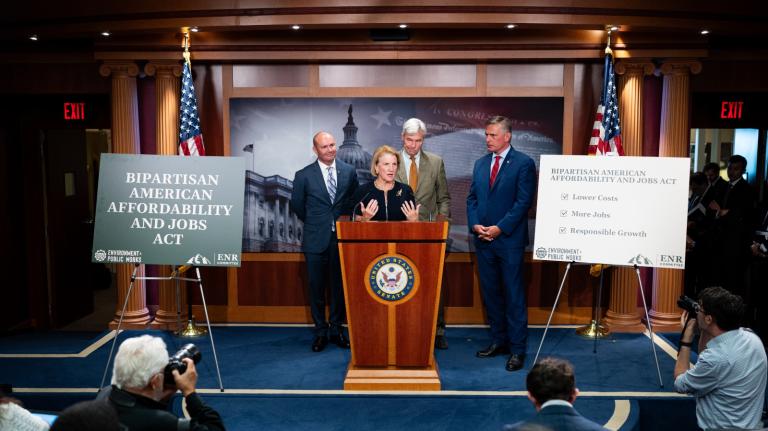
"The facts are the facts, and they got their permit," Hayes observed. "So we finally got the permit done. Hooray, right? And then nothing happens. Nothing happens."
During the project’s early years, the capital expenditures required to engineer a 550-mile high-voltage transmission line across remote desert terrain were prohibitively high, particularly given that regional utilities lacked the immediate appetite for large volumes of imported renewable energy. It was not until 2022—when Pattern Energy took over the transmission line development, restructured the route to bypass military installations, and secured $11 billion from international financial institutions, pension funds, and green energy investors—that the project finally gained the financial momentum necessary for completion.
Balancing Conservation with Clean Energy Infrastructure
The construction of SunZia was not without significant friction involving local environmental groups, wildlife advocates, and Indigenous communities. Early project blueprints threatened to disrupt critical avian migratory flyways, most notably for species like the sandhill crane. Conservation organizations, including the National Audubon Society, raised serious concerns that high-voltage overhead lines would present fatal collision hazards for millions of birds.
However, the transition in project leadership under Pattern Energy marked a shift toward proactive engagement. Developers worked closely with conservationists to reroute portions of the transmission lines, align them alongside existing infrastructure, and equip them with specialized visual warning systems and robotic bird diverters. These constructive compromises proved instrumental in securing the unanimous 2022 approval from the New Mexico Public Regulation Commission.
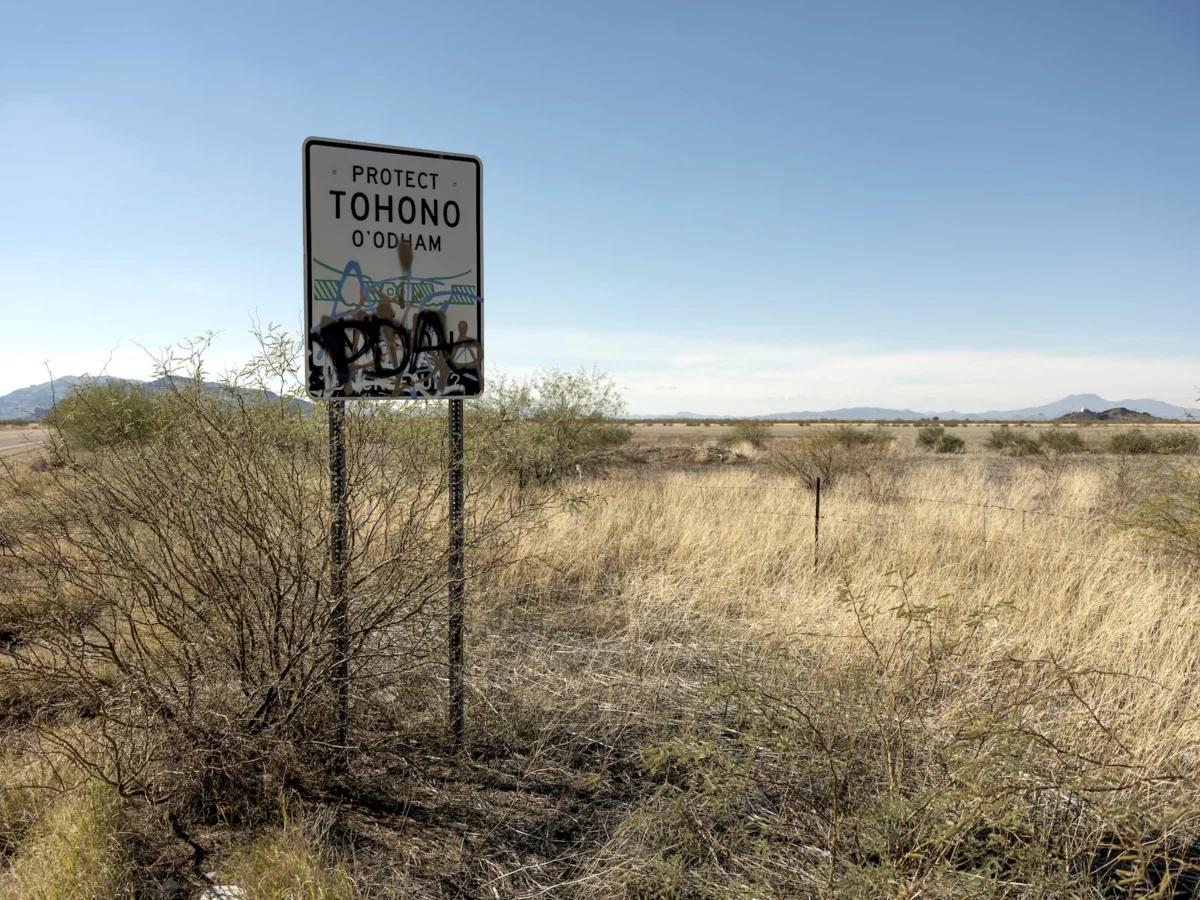
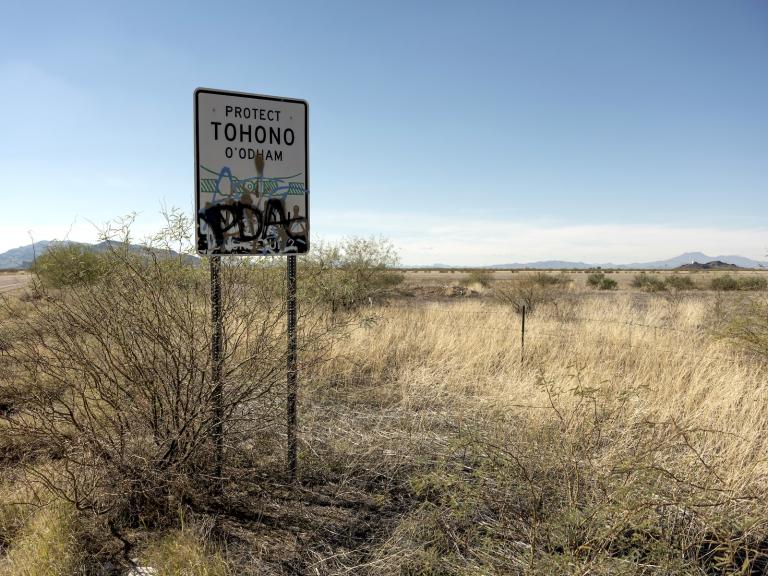
Conversely, tensions remained high in regions where routes could not be easily altered. In Arizona, environmentalists and tribal nations expressed deep opposition to the line’s intrusion into the ecologically sensitive and culturally sacred San Pedro Valley. Local residents and representatives of the Tohono O’odham Nation and San Carlos Apache Tribe argued that the development permanently marred an irreplaceable natural landscape, leading to ongoing legal challenges that persist even as the turbines operationalize.
Broader Implications for National Energy Policy
The ultimate realization of the SunZia Wind and Transmission project offers vital lessons for the future of American infrastructure. As the federal government and private developers seek to accelerate the deployment of clean energy megaprojects to meet soaring electricity demands, projects like SunZia demonstrate both the feasibility and the pitfalls of large-scale grid expansion.
Policymakers point to SunZia as a primary catalyst for ongoing legislative efforts regarding permitting reform, such as proposals aimed at streamlining multi-state transmission approvals and preventing individual jurisdictions from indefinitely stalling interstate power lines. By establishing a framework for early stakeholder compromise and modernizing financing avenues, SunZia serves as a foundational model for forthcoming regional initiatives, such as the upcoming Southline Transmission Project spanning Arizona and New Mexico.
Ultimately, the successful integration of SunZia into the Western power grid illustrates that while the transition to a decarbonized economy requires difficult trade-offs between localized environmental preservation and national energy security, modern engineering and collaborative stakeholder engagement can successfully deliver historic results.