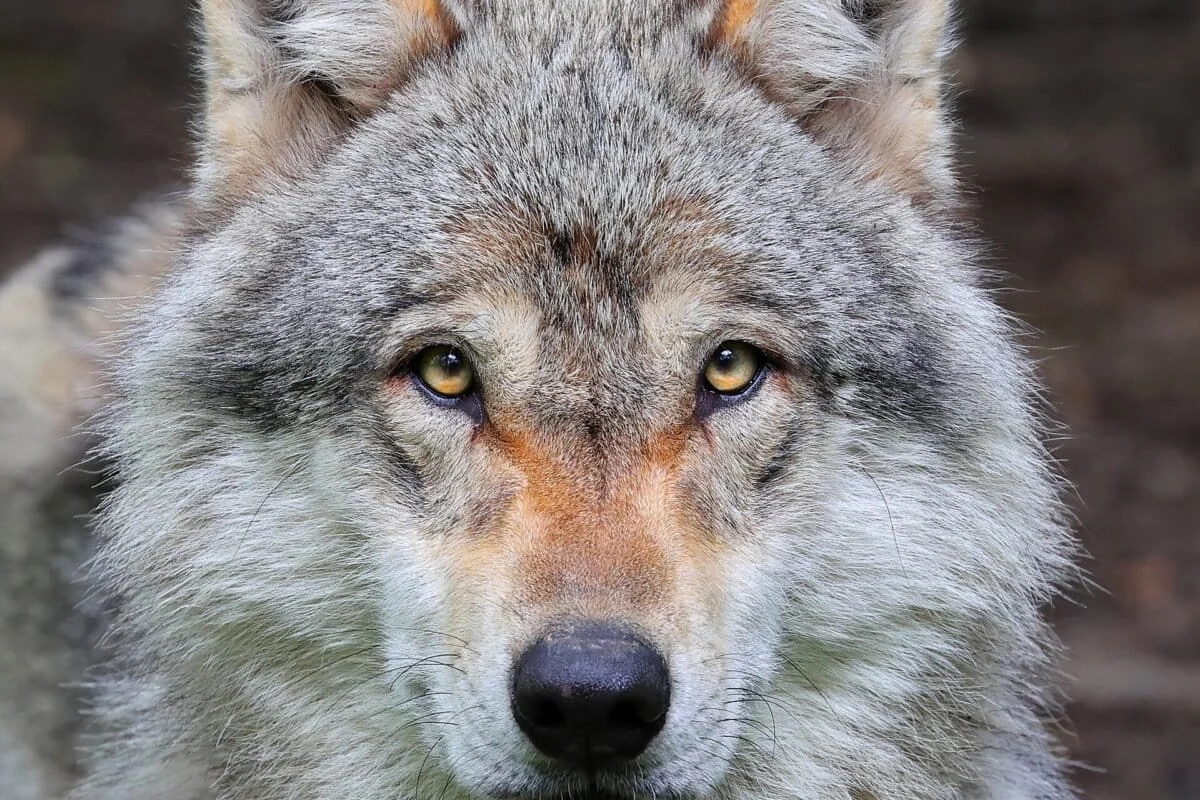
For much of the 19th and 20th centuries, the Eurasian gray wolf (Canis lupus lupus) was systematically pushed to the brink of local extinction across Western and Central Europe. Driven by intense human persecution, habitat fragmentation, and a deep-seated cultural antagonism, the species was eradicated from vast swathes of its ancestral range. However, the last two decades have witnessed a remarkable ecological reversal. Bolstered by stringent conservation mandates—most notably the 1979 Bern Convention on the Conservation of European Wildlife and Natural Habitats—wolf populations have rebounded with unexpected velocity. Between 2012 and 2022, Europe recorded a 58% surge in its gray wolf population, bringing the total estimate to approximately 21,500 individuals. While conservationists celebrate this as a triumph of environmental policy, the return of the apex predator has reignited intense sociocultural tensions, particularly among the continent’s agricultural communities.
A Chronology of Recovery and Conflict
The recovery of the gray wolf has not been a uniform continental phenomenon. The species’ resurgence began in earnest in the late 1970s and 1980s as international legal frameworks provided a shield against hunting and habitat destruction. In countries where wolves had persisted in isolated pockets, populations stabilized and began to expand into neighboring territories. In nations like Germany, where the wolf had been absent for over a century, the first recorded successful reproduction occurred in 2000.
The subsequent twenty-five years have seen a steady recolonization of Central Europe. However, the landscape into which these wolves returned is vastly different from the wilderness of the past. It is now a heavily industrialized, human-dominated environment. As packs expanded into regions like the Netherlands, Belgium, and western Germany, the lack of traditional livestock protection infrastructure—which had long since been abandoned due to the wolf’s absence—left sheep, goats, and cattle vulnerable. This collision between modern agricultural practices and a returning apex predator has turned the wolf into a focal point of European political and social debate.
The Socio-Economic Impact on Agriculture
The primary driver of the current conflict is livestock predation. For farmers, the return of the wolf represents not only a potential financial loss but also a significant disruption to traditional land management practices. In regions where sheep farming has been a cultural staple for generations, the threat of nocturnal attacks has forced a rapid, often expensive, transition in husbandry.
Social scientist Emu-Felicitas Ostermann-Miyashita of the Tokyo University of Agriculture and Technology notes that the burden of this transition often falls disproportionately on the individual farmer. “The conflict is rooted in the fact that protection measures, such as electric fencing or the use of livestock guardian dogs, require significant labor and financial investment,” she explains. In many jurisdictions, financial compensation for lost livestock is available, but the bureaucratic hurdles required to prove wolf involvement often deter farmers from seeking aid. This creates a cycle of frustration, where the perceived lack of institutional support exacerbates hostility toward the wolf as a species.
EU Policy Shifts and the Debate Over Protection
In late 2024, the European Union took a significant step that reflected these mounting pressures: the bloc voted to downgrade the protection status of the Eurasian gray wolf. By moving the species from “strictly protected” to “protected” under the Bern Convention, the EU has granted member states greater flexibility to implement population management strategies, including the potential for lethal control.
The decision has been met with polarized reactions. Agricultural lobby groups and several national governments have hailed the move as a necessary concession to rural reality. They argue that as wolf populations exceed “favorable conservation status” thresholds, current management laws are outdated and rigid. Conversely, environmental organizations like the World Wide Fund for Nature (WWF) have warned that the shift could jeopardize a fragile recovery.
“Wolf populations have barely recovered after going extinct in most parts of Europe, and weakening their protection could jeopardise this recovery,” the WWF stated following the vote. This sentiment is echoed by many ecologists who argue that the decision was driven more by short-term political pressure than by robust, long-term ecological data. The debate currently rests on a fundamental disagreement: at what point does a species’ recovery transition from a conservation success to a population density requiring active, potentially lethal, management?
The Fallacy of Polarization
Despite the headlines frequently depicting a binary struggle—wolves versus livestock—research suggests the reality is far more nuanced. Ostermann-Miyashita’s studies in Germany indicate that public sentiment is rarely as black-and-white as the media portrays. While vocal minorities at both ends of the spectrum—those who view the wolf as a sacred ecological necessity and those who view it as an intolerable threat—dominate the airwaves, the majority of the public holds a more moderate, often ambivalent, view.
“Some people hate wolves, some people love wolves, but all of my studies hint at a much more gray area regarding public attitudes,” says Ostermann-Miyashita. Her research suggests that citizens are generally capable of distinguishing between legitimate management concerns and existential opposition to the species. For instance, public support for lethal control is often conditional, typically restricted to instances where a specific wolf poses a direct threat to human safety, rather than general population reduction.
Toward a Holistic Framework for Coexistence
To move beyond the current impasse, experts advocate for a transition from the confrontational narrative of “wolves versus livestock” to a paradigm of “livestock with wolves.” This approach requires a multi-faceted strategy that combines technological, financial, and social interventions.
- Standardized Monitoring: Currently, monitoring methods for wolf populations vary significantly between European nations. Establishing a unified, cross-border data collection system is essential to understanding the population dynamics of a species that does not respect human borders.
- Collaborative Management Assessment: Countries with longer histories of wolf presence, such as parts of Eastern Europe or Italy, have developed successful mitigation strategies that newer range states can adopt. Sharing these best practices is more efficient than forcing every nation to reinvent its management framework.
- Incentivizing Protection: Moving beyond reactive compensation—paying for dead animals—toward proactive incentives—paying for the presence of wolves and the maintenance of protective measures—could align the interests of conservationists and farmers.
- Addressing the Human Dimension: Effective policy must incorporate the social and cultural needs of rural populations. If the goal is to sustain both nature and traditional cultural landscapes, the government must provide the resources necessary to make coexistence economically viable for the farmer.
Implications for the Future
The question of lethal control remains the most contentious aspect of the debate. While some argue it is a necessary tool for managing problem individuals, current data on its efficacy is inconclusive. There is a risk that poorly implemented culling could disrupt the social structure of wolf packs, potentially leading to increased, rather than decreased, livestock predation by younger, inexperienced wolves.
As Europe navigates the aftermath of the EU’s policy change, the success of the gray wolf’s recovery will likely depend on the willingness of stakeholders to abandon ideological posturing. The path forward requires a move away from Eurocentric models of nature as a controllable resource, toward a broader understanding of humans as participants in a complex ecosystem. Whether the EU can strike a balance that protects both the biodiversity of its forests and the livelihoods of its farmers remains the defining conservation challenge of the coming decade. The situation is not merely an ecological puzzle; it is a test of democratic governance and the capacity for societies to adapt to a changing natural world.