The complex intersection of historical justice and ecological management has come under intense scrutiny following the publication of a landmark study in Nature Sustainability. The research, which examines the environmental consequences of land restitution to Indigenous Mapuche communities in southern Chile, suggests that the return of ancestral territory does not automatically result in immediate improvements to natural forest cover, biodiversity, or carbon sequestration. These findings challenge prevailing international assumptions that Indigenous self-determination is a universal proxy for environmental conservation.
The study, led by an international team of researchers including Associate Professor Robert Heilmayr of the University of California, Santa Barbara, analyzed data from 1,577 properties across 36 Mapuche communities. By synthesizing satellite imagery and administrative records, the research tracked land-use changes spanning nearly three decades—from 1994 to 2022—following the implementation of the Chilean Indigenous Land and Water Fund (FTAI).
A Legacy of Dispossession and the Mechanics of Restitution
To understand the current environmental landscape, one must look to the historical backdrop of the Mapuche struggle. In the late 19th century, military campaigns by the Chilean and Argentine states dismantled more than 90% of original Mapuche territories. The resulting displacement forced communities into isolated reservations where traditional agricultural practices were curtailed. Over the following century, the landscape underwent radical transformation, primarily through the expansion of industrial wheat farming and, more recently, large-scale commercial pine and eucalyptus plantations.

The FTAI, established under the 1993 Indigenous Law, was designed to address this historical dispossession by purchasing land from private or state entities and transferring it to Indigenous communities. However, the program has been plagued by systemic inefficiencies. Managed by the National Corporation for Indigenous Development (CONADI), the restitution process is notoriously slow, with some land claims languishing for up to 25 years. This bureaucratic paralysis has served as a catalyst for ongoing social unrest and violent land disputes, prompting the Chilean government to intervene. In June 2023, President Gabriel Boric established a special commission to address the backlog; official estimates suggest that, at the current rate of processing, it could take anywhere from 80 to 162 years to resolve all outstanding claims.
The Findings: Grasslands Over Forest Cover
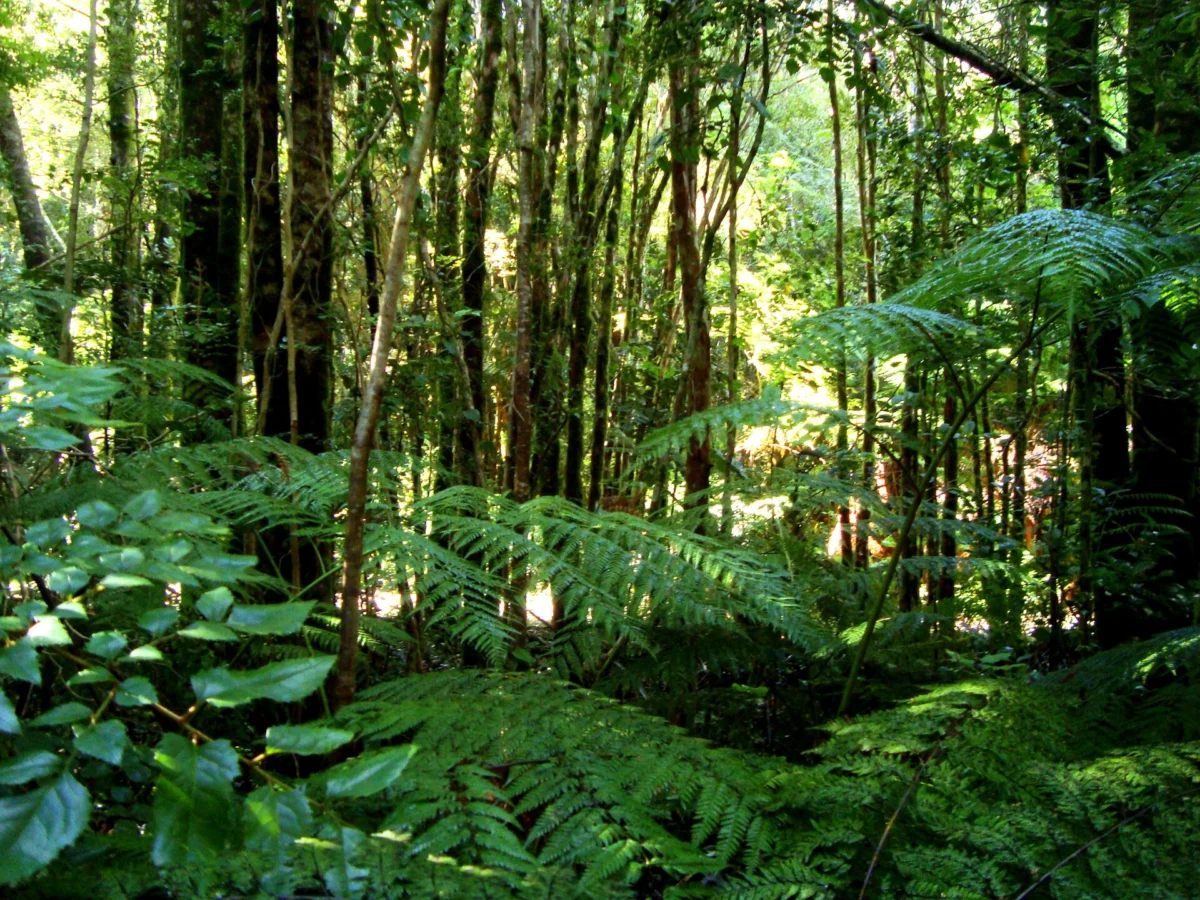
The study’s analysis revealed that when Mapuche communities finally regain title to their lands, they often prioritize the restoration of traditional livelihoods over the conservation of industrial-style forest cover. Researchers noted a significant increase in grasslands utilized for livestock production. While this represents a shift away from non-native, monoculture timber plantations—often associated with the historical dispossession of the land—it does not necessarily translate into the ecological metrics favored by Western conservationists, such as dense native forest canopy or high-carbon storage.
"In the past, conservation advocates have at times adopted romanticized views of what such self-determination would mean, assuming that Indigenous communities will always choose to allocate land towards more natural uses," said Robert Heilmayr. He emphasized that the data "complicates this narrative," suggesting that true self-determination is realized only when communities define land-use priorities based on their own cultural, economic, and spiritual needs, rather than to satisfy external environmental expectations.
Institutional Challenges and Land Degradation
The state of the land upon its return is a critical factor often overlooked in broader policy discussions. Verónica Figueroa Huencho, a Mapuche academic at the University of Chile, notes that the land returned to communities is rarely pristine. "Most communities usually receive fragmented, degraded, or plantation-covered lands," Huencho explains. "Recovering ownership does not mean immediately restoring a native forest or recovering in a few years the soils and water affected for decades by extractive industries."

The logistical hurdles are equally daunting. Often, the restituted lands are geographically detached from the reservations the communities currently occupy. This separation, combined with a lack of infrastructure, capital, and technical support, makes large-scale ecological restoration a luxury that many communities cannot afford. Without state-backed support to transition from degraded plantation land to productive or protected ecosystems, communities often fall back on small-scale livestock farming as a means of immediate economic survival.
The Risks of Conditional Rights
A central theme emerging from the academic and social discourse surrounding this study is the danger of "green-washing" the rights of Indigenous peoples. There is a palpable concern that international and domestic policy may begin to view Indigenous land rights as contingent upon "environmental performance."
"The exercise of the rights of Indigenous peoples could end up becoming a reward conditioned on an environmental performance defined by third parties," Huencho warned. "The lands are not returned because a community captures more carbon, but because there was dispossession and because Indigenous peoples have the right to decide their development priorities."
This perspective highlights a fundamental tension: the difference between the Western conservationist view of "nature" as a resource for carbon sequestration and the Indigenous view of land as a foundational component of sovereignty and cultural continuity. By pressuring Indigenous communities to act as de facto carbon custodians, the state risks shifting the burden of environmental stewardship onto marginalized groups without providing the necessary structural support or holding corporations and state actors accountable for the long-term degradation they have caused.
Broader Implications and Future Outlook
The findings from this study are not necessarily an indictment of Indigenous land management, but rather a call for a more nuanced understanding of post-restitution dynamics. Comparative research in the Amazon shows that the environmental impact of Indigenous stewardship varies wildly by region. In some areas, Indigenous lands serve as vital carbon sinks, while in others, they may function as carbon sources due to specific development needs or land conditions.
The case of the Mapuche illustrates that environmental outcomes are highly dependent on the historical context of the land and the economic realities of the recipients. Moving forward, researchers and policymakers suggest that for restitution to result in positive environmental outcomes, the process must include:
- Technical and Financial Support: Recognizing that restoring degraded land requires significant capital and specialized knowledge beyond the capabilities of many small-scale communities.
- Institutional Reform: Addressing the backlog within CONADI to ensure that land is returned while it is still viable, rather than waiting until it has been exhausted by industrial use.
- Respect for Sovereignty: Decoupling the return of ancestral land from environmental performance metrics. Supporting Indigenous stewardship should be treated as a matter of human rights rather than a transactional exchange for ecosystem services.
The study serves as a critical milestone in the ongoing debate over land reform in Chile. It underscores the reality that rectifying historical injustices is a messy, complex, and long-term endeavor. As the Chilean government continues to navigate the volatile landscape of the Mapuche conflict, the lessons from this research suggest that the path toward peace and environmental sustainability lies in empowering Indigenous communities to define their own future, rather than attempting to force their land-use decisions into the rigid frameworks of external climate policy.
As the commission created by the Boric administration continues its work, the challenge will be to balance the urgent need for land restitution with the equally pressing need for sustainable development—a goal that can only be achieved when the voices and priorities of the Mapuche people are at the center of the conversation.