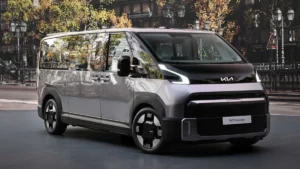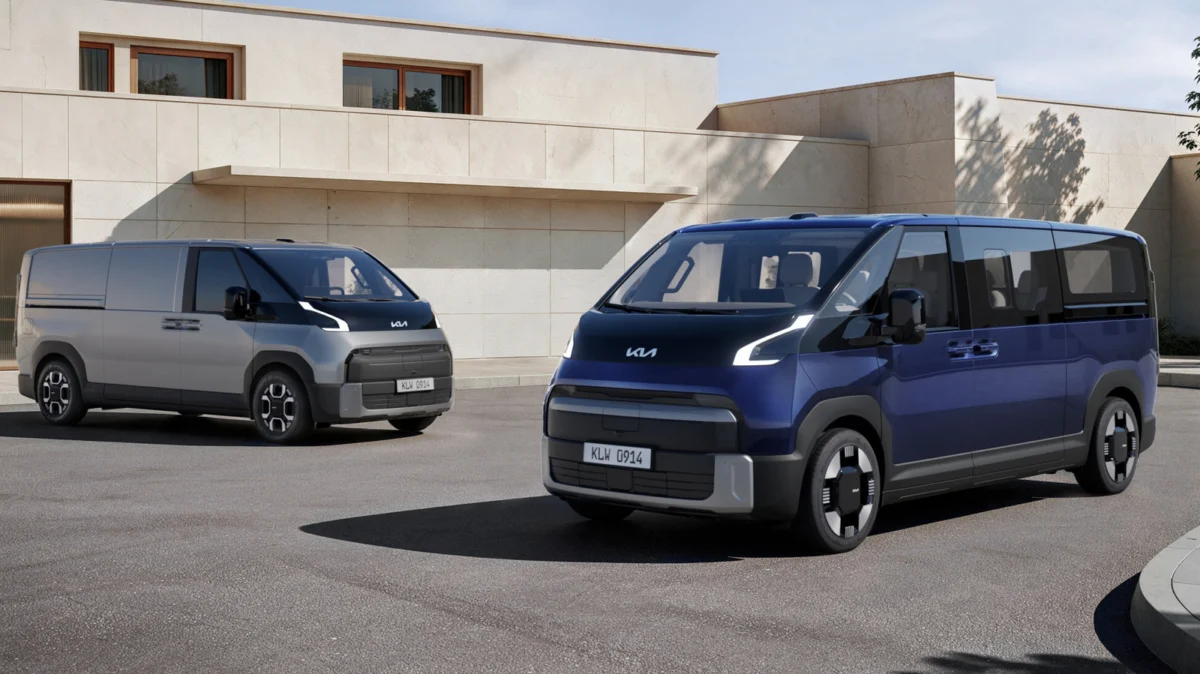
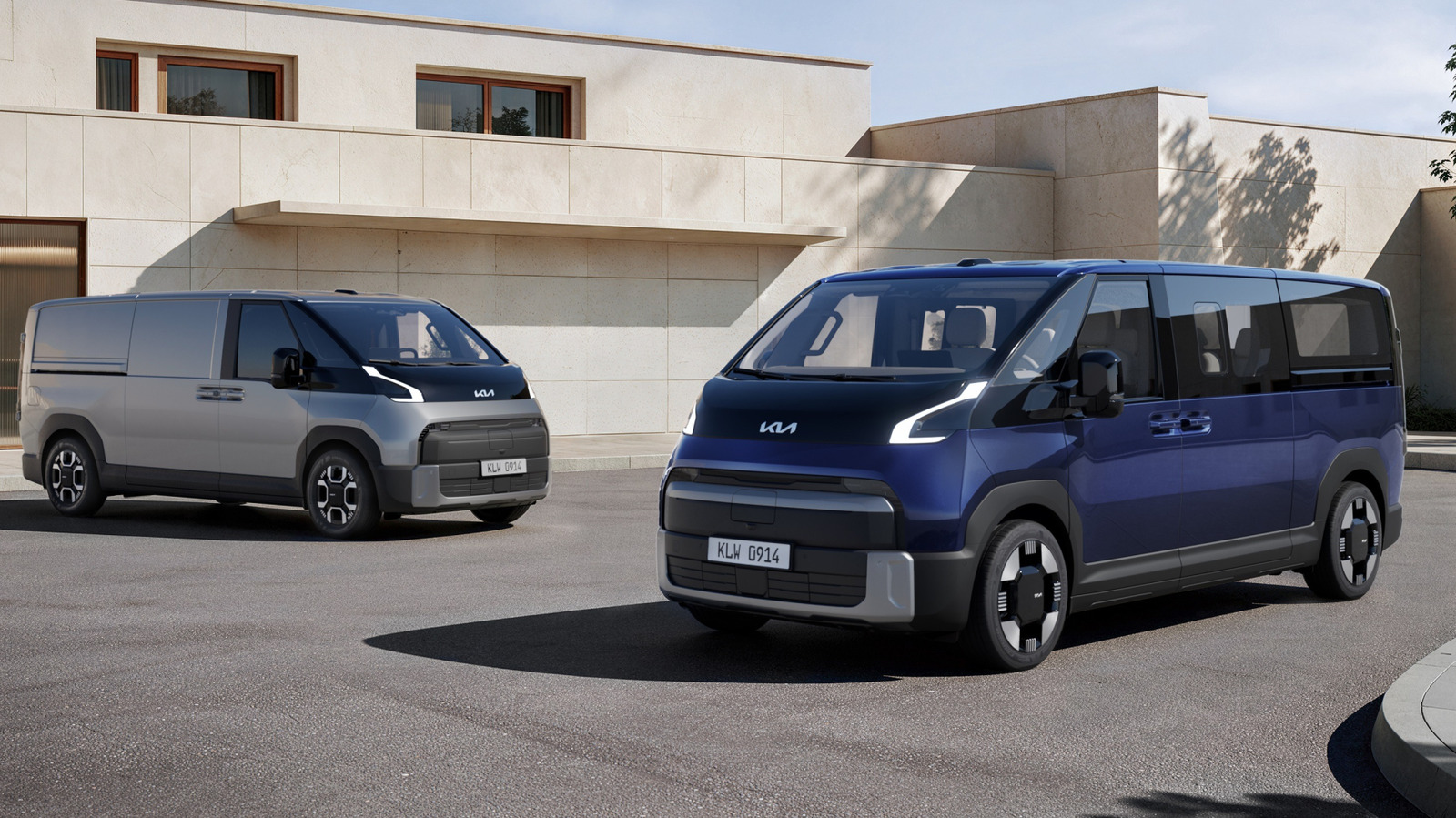
The automotive landscape is undergoing a profound structural shift toward electrification, extending far beyond the consumer passenger car market into the commercial and logistics sectors. South Korean automaker Kia has officially raised the stakes in the commercial EV segment with the global unveiling of the PV7 electric van. Serving as the larger, more powerful sibling to the widely discussed PV5, the PV7 stretches approximately two feet longer than its counterpart while introducing advanced architectural upgrades, high-capacity battery technology, and a striking, futuristic design language designed to challenge established giants like the Ford E-Transit and the Mercedes-Benz eSprinter.
Strategic Evolution of Kia’s Platform Beyond Vehicle Strategy
The introduction of the PV7 is the latest milestone in Kia’s broader corporate transition under its Plan S strategy, which aims to position the company as a leading sustainable mobility solutions provider. Central to this initiative is Kia’s modular Platform Beyond Vehicle (PBV) architecture. Unlike traditional commercial vehicles built on static, dedicated internal-combustion frameworks, the PBV philosophy treats the vehicle as a dynamic, adaptable tool that can be reconfigured to meet the specific demands of modern urban logistics, ride-hailing services, and multi-passenger transport.
The PBV concept made its high-profile public debut earlier in the year with the introduction of the smaller PV5. The PV7 builds directly upon this flexible foundation, utilizing scalable skate-board chassis designs that allow for a vast array of upper body styles and interior layouts. Kia has confirmed that the PV7 will launch with an impressive 23 distinct configurations, encompassing both cargo and passenger variants, multiple roof height options, and varying wheelbase dimensions. This modular versatility is engineered to minimize fleet operational costs while maximizing utility for commercial enterprises ranging from parcel delivery services to municipal shuttle operations.
Technical Specifications, Battery Architecture, and Performance Metrics
Underneath its distinctive exterior, the Kia PV7 introduces critical engineering upgrades tailored to the rigorous demands of commercial fleet operators. While the smaller PV5 utilizes a conventional 400-volt electrical architecture, the PV7 transitions to an advanced 800-volt high-voltage electrical system. This architectural shift yields substantial operational benefits, most notably significantly reduced charging times. The PV7 is designed to support rapid DC fast charging, allowing the battery to replenish from 10 percent to 80 percent capacity in approximately 25 minutes—a crucial metric for reducing vehicle downtime in commercial fleets.
The vehicle will be offered with multiple battery options, beginning with the 71.5-kWh battery pack found in the PV5, while scaling up to a larger 96.2-kWh nickel-cobalt-manganese (NCM) energy storage system. When paired with the larger battery pack in front-wheel-drive cargo configurations, the PV7 is projected to achieve a driving range of approximately 286 miles on the European WLTP testing cycle. Future rollout plans include the addition of an all-wheel-drive variant to handle adverse weather conditions and challenging terrain.
In terms of raw output, the PV7’s electric powertrain generates up to 268 horsepower and 310 pound-feet of torque. Dimensionally, the long-wheelbase variants measure approximately 17.5 feet in length, 6.54 feet in width, and 6.52 feet in height for front-wheel-drive specifications.
Cargo Utility and Passenger Capacity
Commercial utility is defined by practical execution, and Kia has integrated numerous thoughtful design considerations into the PV7 to streamline daily operations for drivers and logistics coordinators. Cargo variants of the PV7 are engineered to optimize interior volume, featuring a floor plan capable of accommodating up to three standard Euro pallets. Further enhancing cargo management are features such as a load-through bulkhead for transporting oversized materials, dual tailgate design options, and a specialized heavy-load driving mode. This intelligent mode dynamically adjusts vehicle performance parameters and stability controls to maintain predictable handling characteristics regardless of payload fluctuations.
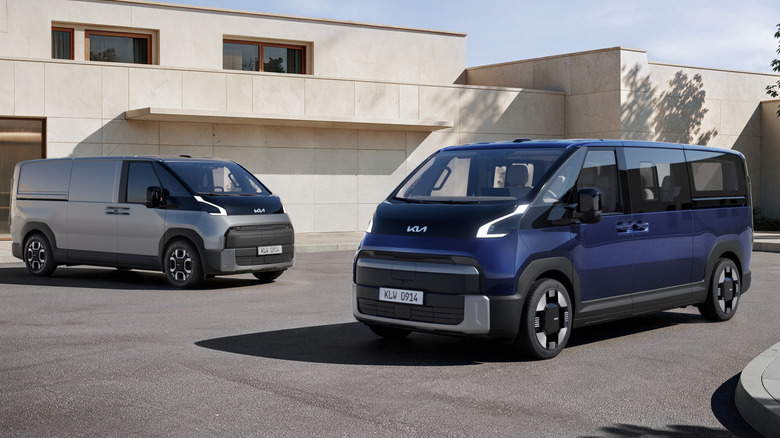
For passenger transportation, the PV7 offers exceptional flexibility. Depending on the chosen chassis length and interior layout, the passenger configurations can comfortably seat seven, nine, or up to 11 occupants. This makes the vehicle an attractive proposition for executive shuttle services, hospitality fleets, and public mass-transit applications seeking zero-emission alternatives.
Exterior Styling and Industrial Design
Commercial vehicles have historically prioritized utilitarian function over aesthetic appeal, typically resulting in uniform, boxy designs. Kia has deliberately broken from this tradition with the PV7, applying a bold, avant-garde design language that immediately sets it apart from traditional fleet offerings.
The PV7 expands upon the blunt nose geometry and futuristic lighting signatures introduced on the PV5, refining them with distinctive geometric light bars and an exceptionally low beltline that improves downward visibility while creating unique visual proportions. Among the most notable design elements are the boxy, subtly blistered wheel arches, which lend the vehicle a rugged yet sophisticated stance. This unapologetically upright and unconventional aesthetic not only enhances brand visibility for commercial fleets utilizing rolling billboards for corporate branding, but also redefines consumer expectations for commercial vehicle design.
Market Context and Competitive Landscape
The commercial van segment is a high-volume, high-stakes battleground. Incumbent manufacturers like Ford with the E-Transit and Mercedes-Benz with the eSprinter have spent decades cultivating deep relationships with fleet managers, logistics conglomerates, and independent contractors. Entering this space requires more than just competitive specifications; it demands a comprehensive ecosystem of fleet management software, maintenance support, and reliable charging infrastructure integration.
Industry analysts note that Kia’s parent group, Hyundai Motor Group, has established a strong reputation for developing highly efficient electric vehicle platforms, such as the Electric-Global Modular Platform (E-GMP). The translation of this EV expertise into the commercial sector through the PBV lineup positions Kia as a formidable new competitor. By offering rapid charging capabilities, extensive configuration modularity, and a distinct visual identity, Kia is directly targeting fleet operators seeking to modernize their carbon-neutral logistics fleets without compromising on operational efficiency.
Broader Implications and Future Outlook
The commercial rollout of the Kia PV7 underscores the accelerating transformation of global commercial transportation. As regulatory frameworks surrounding urban emissions tighten globally—with numerous major metropolitan areas implementing strict low-emission and zero-emission zones—commercial enterprises face mounting pressure to electrify their fleets.
Vehicles like the PV7 provide a scalable solution that addresses both regulatory compliance and economic viability through reduced maintenance requirements and lower per-mile energy costs. Furthermore, the integration of 800-volt charging architecture highlights how advanced technologies originally reserved for luxury consumer EVs are rapidly cascading down into commercial work vehicles.
Despite the high level of industry interest generated by the PV7’s design reveal, important questions remain regarding its global commercial availability. As of the initial unveiling, Kia has not confirmed whether the PV7 will be introduced to the North American market, leaving domestic commercial buyers waiting for definitive regional distribution plans. Nonetheless, the debut of the PV7 signals a clear intent from Kia to disrupt the status quo of commercial vehicle design and engineering, setting a new benchmark for what businesses can expect from an electric van.