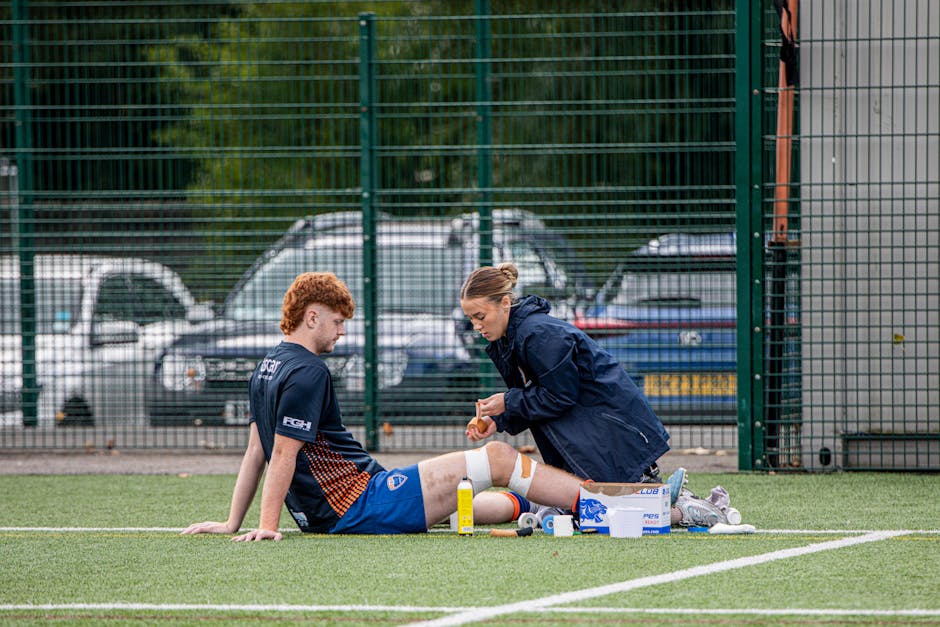
Harry Kane’s Summer Stumble: A Hamstring Injury Casts a Shadow Over England’s Home Campaign
The roar of the crowd, the expectant hush before a penalty, the primal celebration of a goal – these are the sensory hallmarks of a major international tournament, especially when hosted on home soil. For England, the prospect of a summer campaign infused with the unwavering support of a nation, coupled with the potent attacking force of their talisman, Harry Kane, represented an almost palpable sense of destiny. However, this narrative of triumph was abruptly and cruelly interrupted by the insidious whisper of a hamstring injury, a setback that not only jeopardized Kane’s immediate participation but sent ripples of apprehension through the entire England squad and their legion of fans. The timing of this particular affliction is significant, occurring at a critical juncture where peak physical condition is paramount for sustained performance. A hamstring injury, by its very nature, is a debilitating ailment that can rob an athlete of explosive power, agility, and the sheer velocity that defines a player like Kane. The implications extend beyond the individual; his absence or diminished capacity would fundamentally alter England’s tactical blueprint, forcing a recallevestock of attacking strategies and potentially impacting morale. This article will delve into the ramifications of Kane’s hamstring injury on England’s summer aspirations, examining the physiological nature of the problem, the tactical adjustments required, the psychological impact on the team and the nation, and the broader historical context of major tournament injuries.
Understanding the biomechanics of a hamstring injury is crucial to appreciating its severity and the challenges of recovery. The hamstrings are a group of three muscles located at the back of the thigh: the biceps femoris, semitendinosus, and semimembranosus. These muscles are primarily responsible for extending the hip and flexing the knee, actions that are fundamental to running, jumping, and kicking – all core components of a striker’s skillset. A hamstring strain, the most common form of injury, occurs when these muscles are overstretched or torn. The severity can range from a mild pull, where only a few muscle fibers are affected, to a complete rupture, where the muscle tears significantly. Symptoms typically include sudden pain at the back of the thigh, tenderness, swelling, bruising, and difficulty with movement, particularly sprinting or straightening the leg. The recovery process is notoriously protracted and often fraught with the risk of re-injury if not managed meticulously. This involves a phased approach: initial rest and pain management, followed by gradual rehabilitation exercises focusing on flexibility, strength, and proprioception (the body’s awareness of its position in space). Crucially, a return to full training and competitive play requires a significant degree of confidence in the injured limb’s ability to withstand the explosive forces involved. For an elite athlete like Kane, who relies on his pace and power to create and convert chances, even a seemingly minor hamstring issue can have a profound impact on his confidence and his ability to perform at his peak. The psychological hurdle of trusting a previously injured muscle group to execute high-intensity movements cannot be underestimated.
The tactical ramifications of Harry Kane’s hamstring injury on England’s summer campaign are multifaceted and profound. Kane is not merely a goalscorer; he is the fulcrum of England’s attacking system. His ability to hold up the ball, link play between midfield and attack, and provide a focal point for crosses and through balls makes him indispensable. His intelligent movement off the ball creates space for wingers and attacking midfielders, and his proven track record of delivering on the biggest stages instills a sense of assuredness in the team’s offensive output. Without him, or with a visibly compromised Kane, manager Gareth Southgate faces a significant tactical dilemma. The most obvious alternative is to rely on other natural strikers within the squad. However, replicating Kane’s unique blend of attributes is a considerable challenge. While other forwards possess their own strengths, none offer the same all-round capability that makes Kane such a complete striker. Southgate might consider a shift in formation, perhaps adopting a more fluid attacking setup with a false nine or a greater reliance on midfielders pushing forward. Alternatively, he could opt for a more direct style of play, focusing on crosses and set-pieces, a strategy that might suit certain personnel but could also be less effective against well-organized defenses. The psychological impact on the rest of the attacking unit is also a key consideration. Knowing that their primary goal threat and playmaking hub is absent or weakened can lead to a loss of confidence and a more hesitant approach in the final third. This can manifest as a reluctance to take risks, a tendency to play safer passes, and a general stifling of creativity. The ripple effect extends to set-piece routines, where Kane’s penalty-taking prowess and his aerial threat from corners and free-kicks are significant assets that would need to be replaced.
Beyond the tangible tactical adjustments, the psychological impact of Harry Kane’s hamstring injury on both the England squad and the wider nation cannot be overstated. For the players, Kane is more than just their captain and star striker; he is a symbol of resilience, leadership, and unwavering determination. His presence on the field, even if not at 100%, can provide a psychological boost. His absence, or visible discomfort, can have the opposite effect, fostering a sense of unease and highlighting the vulnerability of the team. The burden of expectation on Kane is immense, and the pressure to perform, especially in a home tournament, is amplified. An injury at this crucial juncture can lead to feelings of frustration and self-blame among the player, adding an internal psychological challenge to the physical one. For the nation, the dream of a summer triumph is inextricably linked with the image of Kane lifting a trophy. His injury, therefore, represents a tangible blow to that collective aspiration. It shifts the narrative from one of hopeful anticipation to one of anxious uncertainty. The media’s coverage of the injury, the constant speculation about his fitness, and the inevitable "what ifs" can create an atmosphere of heightened pressure and anxiety, potentially impacting the team’s focus and performance. The psychological resilience of the squad will be tested. They will need to demonstrate their ability to adapt, to rally around each other, and to find a new source of inspiration and leadership. The absence of their talisman forces others to step up, and this can be a catalyst for unexpected heroes to emerge, but it also demands a collective mental fortitude that may not have been as rigorously tested in the presence of their established leader. The roar of the home crowd, usually a source of immense encouragement, can also become a pressure cooker when the team is perceived to be struggling, amplifying the psychological stakes.
Historically, major international tournaments have been punctuated by significant injuries to star players, and the impact has often been decisive. The narrative of "what if" is a common refrain in footballing lore. For instance, the absence of key players due to injury has demonstrably altered the course of previous tournaments. Consider the impact of injuries on teams like France in 1998 (Zidane’s suspension in the group stage, though he returned heroically), Brazil in 2006 (Kaká’s injury woes impacting their knockout stage performance), or even England’s own struggles with key absences in past campaigns. These instances highlight a recurring theme: the vulnerability of even the strongest squads to the vagaries of player fitness. The history of football demonstrates that while depth and tactical flexibility are crucial, the absence of a truly transformative player, one who can unlock defenses, inspire teammates, and consistently deliver under pressure, can be an insurmountable hurdle. Kane, as England’s all-time leading scorer and a player who has consistently performed at the highest level for club and country, fits this description. The pressure to overcome such a loss is immense, and the success or failure of England’s summer campaign may well be judged not only on their performance but on their ability to navigate this significant challenge. The tactical innovations, the emergence of unexpected heroes, and the collective spirit of the squad will all be put under the microscope, measured against the backdrop of a disrupted pre-tournament narrative.
The recovery and rehabilitation process for a hamstring injury is a meticulous, science-driven endeavor. It’s not simply a matter of waiting for the pain to subside; it involves a carefully orchestrated return to physical activity designed to prevent re-injury and restore full function. This typically begins with pain and inflammation management, often involving R.I.C.E. principles (Rest, Ice, Compression, Elevation). Once the acute phase has passed, the focus shifts to regaining range of motion and flexibility through gentle stretching exercises. This is a critical period; pushing too hard too soon can reignite the injury. As flexibility improves, the rehabilitation progresses to strengthening exercises. Initially, these are isometric, meaning the muscle is tensed without movement. Then, they become isotonic, involving controlled movements through a full range of motion. Eccentric exercises, which focus on the lengthening phase of muscle contraction, are particularly important for hamstring rehabilitation as they mimic the actions that often lead to injury. Crucially, the program will incorporate plyometric exercises, which involve explosive movements like jumping and bounding, to rebuild the power and agility required for elite football. This phase is often the most challenging, as it requires the athlete to gradually reintroduce the high-impact activities that their muscles have been deprived of. The psychological aspect of this phase is also significant. Athletes must regain confidence in their ability to perform these movements without fear of re-injury. This involves not only physical progression but also mental preparation and a gradual build-up of tolerance to the demands of training. The medical staff’s role is paramount, constantly monitoring the athlete’s progress, adjusting the rehabilitation program as needed, and making the critical decision regarding their return to play. The temptation for both the player and the team to rush back can be immense, especially in the high-stakes environment of a major tournament. However, the long-term implications of a premature return, which often leads to a more severe re-injury and an even longer absence, must be carefully weighed.
The economic and commercial implications of Harry Kane’s hamstring injury are also noteworthy, though perhaps secondary to the sporting and psychological dimensions. As one of England’s most marketable athletes, Kane’s presence on the field directly influences brand endorsements, commercial partnerships, and the overall economic impact of the tournament. His visibility as a key player in a home tournament generates significant revenue streams for sponsors, broadcasters, and the host nation. An injury that sidelines him, or significantly diminishes his performance, can lead to a reduction in this economic activity. Sponsorship deals are often performance-linked, and a player’s inability to perform at their best can impact their earning potential and the value they bring to commercial partners. Furthermore, the excitement and engagement generated by a star player like Kane are crucial for driving ticket sales, merchandise, and overall fan participation. His absence can dampen this enthusiasm, potentially leading to a less vibrant atmosphere and a reduced economic ripple effect. While the financial considerations are not the primary concern for fans or the team, they are an undeniable aspect of the modern sporting landscape and contribute to the broader narrative surrounding major tournaments. The commercial allure of England’s summer campaign is intrinsically linked to the presence and performance of their star players, and an injury to Kane undeniably affects this equation.
Looking ahead, the enduring legacy of Harry Kane’s hamstring injury on England’s summer campaign will be defined by the team’s ability to overcome adversity. Will it be a footnote, a minor blip on the road to glory, or will it be a defining moment that ultimately proved too great a challenge? The answer will lie in the collective spirit of the squad, the tactical acumen of the coaching staff, and the resilience of the players to step into the void left by their talisman. The narrative will undoubtedly focus on how England adapted, how other players rose to the occasion, and whether they could find a new attacking rhythm without their primary goal threat. The psychological impact on the nation will also be a significant part of this legacy; a united nation will be looking for inspiration, and how the team responds to this setback will determine whether that inspiration is found or lost. The echoes of previous tournaments, where injuries have shaped outcomes, will serve as a constant reminder of the stakes involved. Ultimately, the story of Harry Kane’s summer stumble will be woven into the fabric of England’s footballing history, a testament to the unpredictable nature of sport and the enduring power of collective endeavor in the face of individual misfortune. The hope will remain that this setback, while significant, ultimately galvanizes the team and inspires a performance that transcends the loss of their star striker, proving that even without their captain, the spirit of England can still soar.
