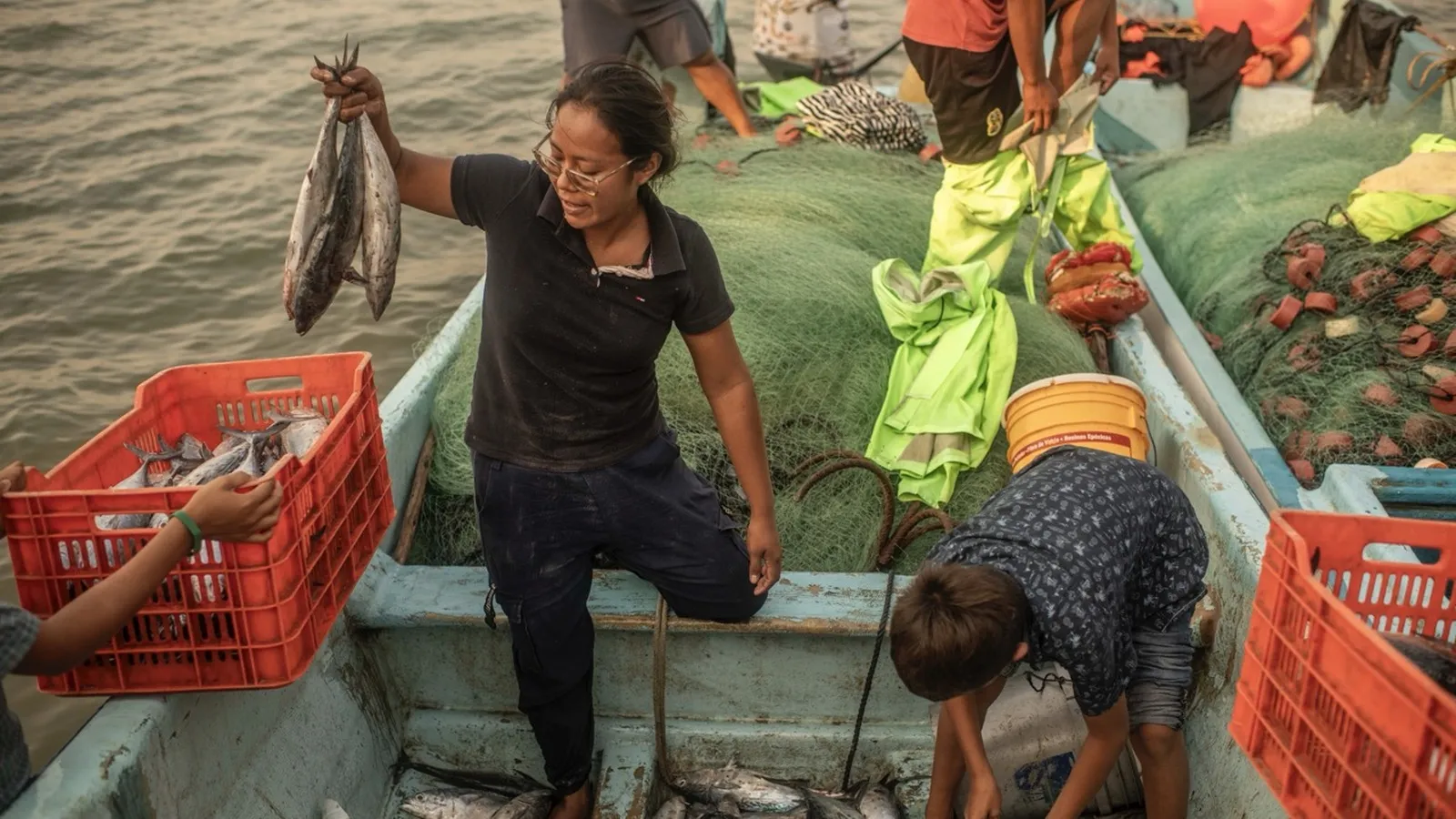
It is 3 a.m. along the vulnerable coastline of southeast Mexico, and the beach in El Bosque is quiet save for the rhythmic crash of the Gulf of Mexico against a rapidly shrinking shoreline. For Viviana Velázquez, 38, and her 13-year-old daughter, Marlene, this hour marks the familiar start of the daily catch. As wooden boats emerge from the dark horizon, Velázquez joins neighbors on the sand to help fishermen unload blocks of ice and heave heavy crates of bonito to a local cooperative. This traditional dawn labor, known locally as garrulear, has historically provided income, food, and social cohesion for the families of El Bosque, a small fishing village nestled on a narrow peninsula in Tabasco State.
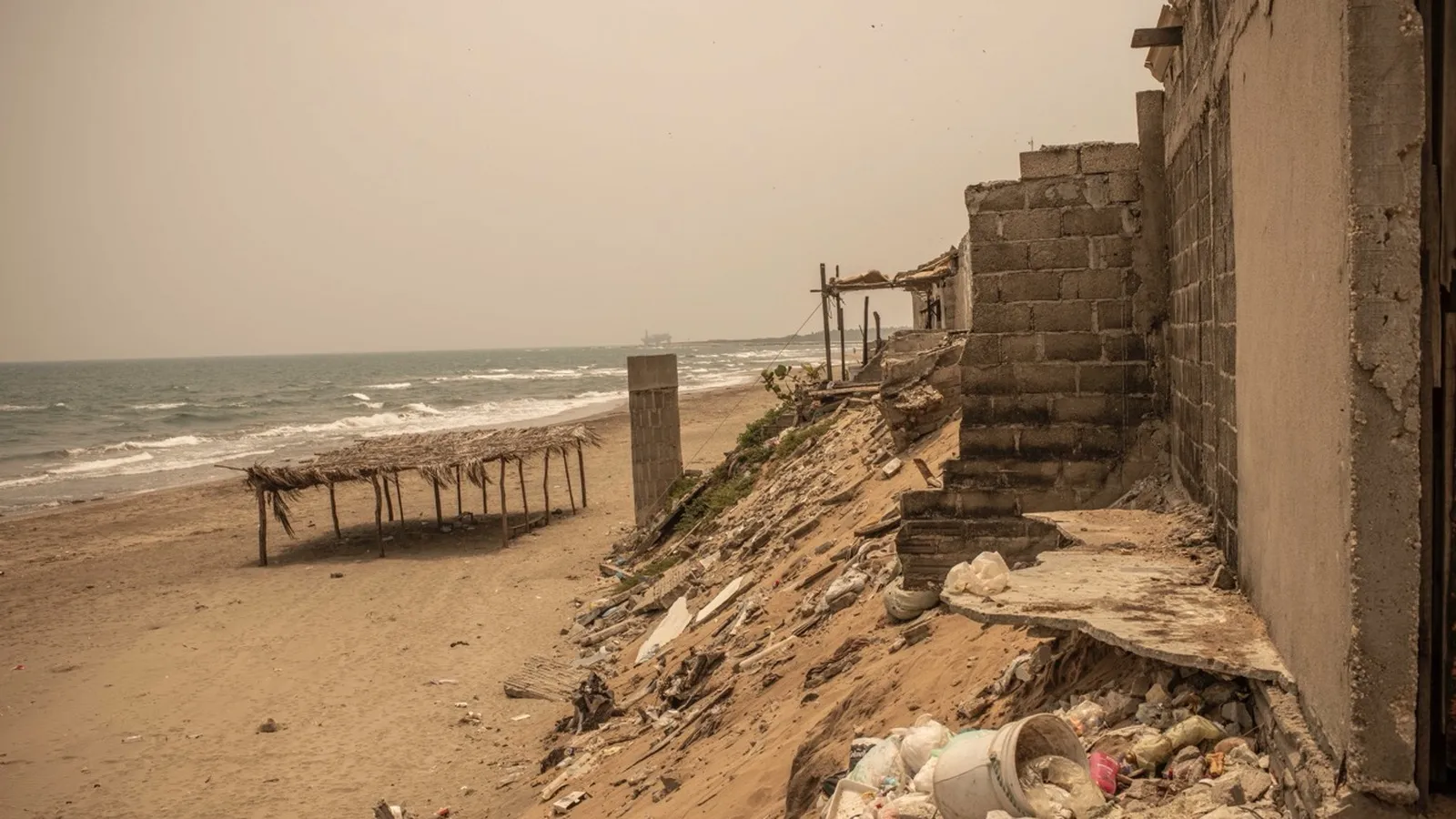
Today, however, those moments are increasingly rare. Sea level rise and severe coastal erosion have dismantled the community, forcing residents inland and transforming El Bosque into a stark global symbol of climate displacement. In late 2024, the Mexican government inaugurated a new inland settlement, Nuevo Bosque, located 7.5 miles away near the city of Frontera, designed to house fifty-one displaced families. Yet, while the relocation was initially heralded as a domestic triumph for climate adaptation, two years on, it has exposed deep cultural, economic, and systemic vulnerabilities. Former residents now grapple with profound grief, precarious finances, and a lack of foundational infrastructure, highlighting the complex human toll exacted when climate change forces communities from their ancestral homes.
The Chronology of an Erasure: From Thriving Peninsula to Submerged Ruins
The foundation of El Bosque dates back to the early 1980s, when landless families from the neighboring state of Veracruz arrived seeking economic opportunity. Settling on a lush
peninsula densely covered with mangroves—hence the name El Bosque, meaning “the forest”—residents built a livelihood rooted in commercial and local fishing. The area became famous throughout Tabasco for regional delicacies like crab tamales, ceviche, and fish empanadas, drawing visitors from nearby cities and providing a stable, if modest, living.
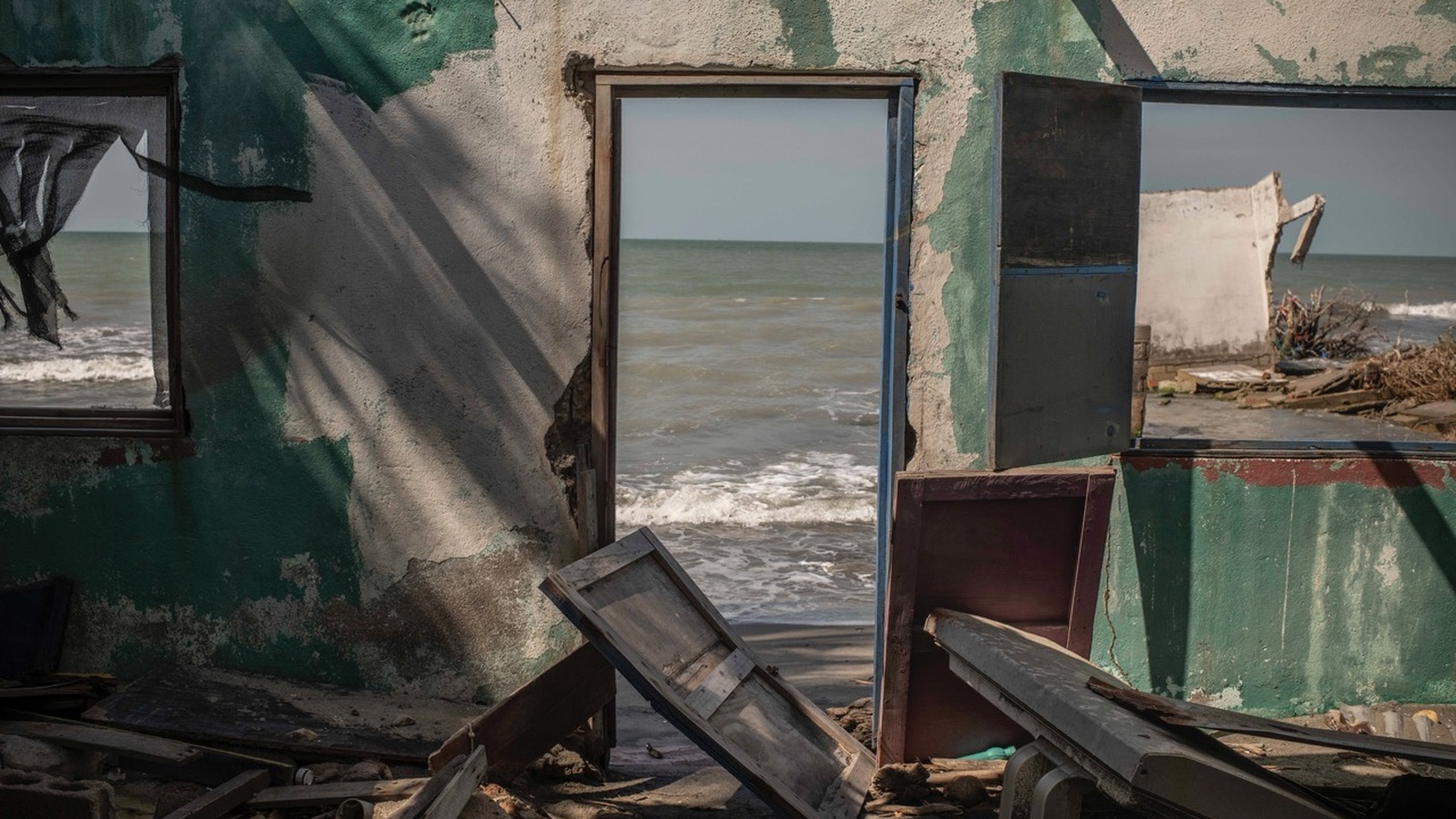
The structural collapse of the village accelerated dramatically in the early 2020s. In February 2022, an intense storm surge breached homes along the seafront, prompting initial relocations further inland. By November of that same year, subsequent floods swept away an entire row of houses, rendering the local kindergarten and primary school entirely unusable. Children huddled indoors, terrified by the unrelenting sound of waves crashing against structural supports.
Despite the encroaching sea, many families, including Velázquez and her husband, Javier Rodriguez, resisted leaving, clinging to makeshift dwellings constructed of sticks and metal sheeting even after municipal power grids failed. They stayed to preserve their access to the water. It was not until New Year’s Eve in 2024—a month after receiving keys to a uniform row house in Nuevo Bosque—that Velázquez and her family finally abandoned the coast for good.
Scientific projections suggest that El Bosque’s disappearance was accelerated, though not entirely caused, by anthropogenic climate change. According to Lilia Gama, an ecologist and coastal erosion expert at the Juárez Autonomous University of Tabasco, natural hydrological dynamics between the Usumacinta River and the Gulf of Mexico would have eventually merged the waterways. However, global warming turbocharged this timeline. Rising sea levels, fueled by melting polar ice sheets and thermal expansion, have intensified storm surges and tidal action worldwide. Scientists warn that extreme coastal flooding events that historically occurred once a century could become annual occurrences by 2100. Furthermore, modeling by Climate Central indicates that up to half of Tabasco State, home to approximately 2.5 million residents, could become uninhabitable or highly vulnerable by the end of the century.
Nuevo Bosque: The Complex Realities of Planned Relocation
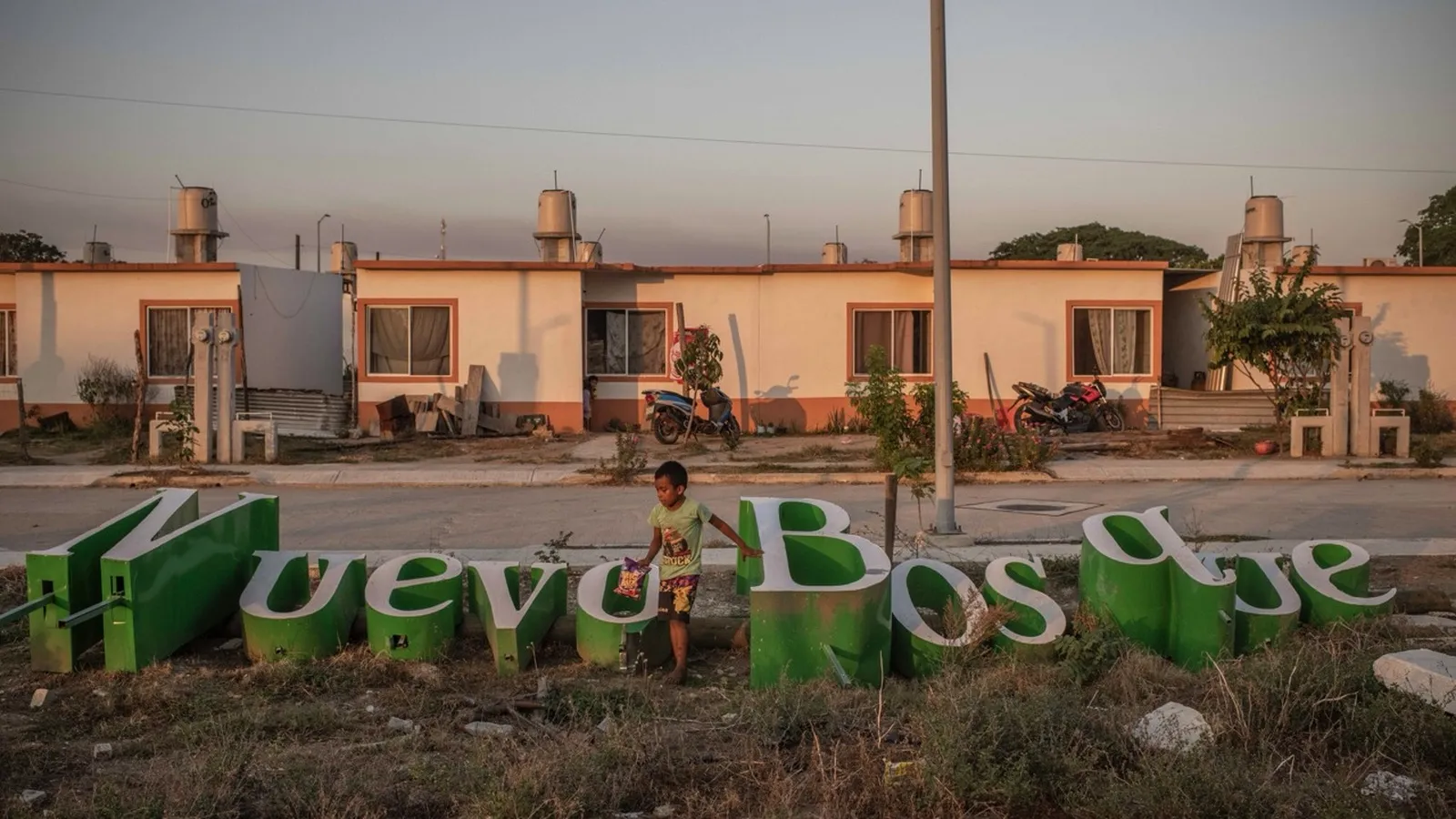
The establishment of Nuevo Bosque was celebrated as a milestone for state-sponsored climate adaptation. Built to withstand flooding for an anticipated three decades, the neighborhood features identical single-story row houses equipped with basic utilities, a basketball court, and a community playground. For many, the proximity to Frontera has brought tangible benefits, including reliable internet access, mobile connectivity, and closer proximity to regional hospitals.
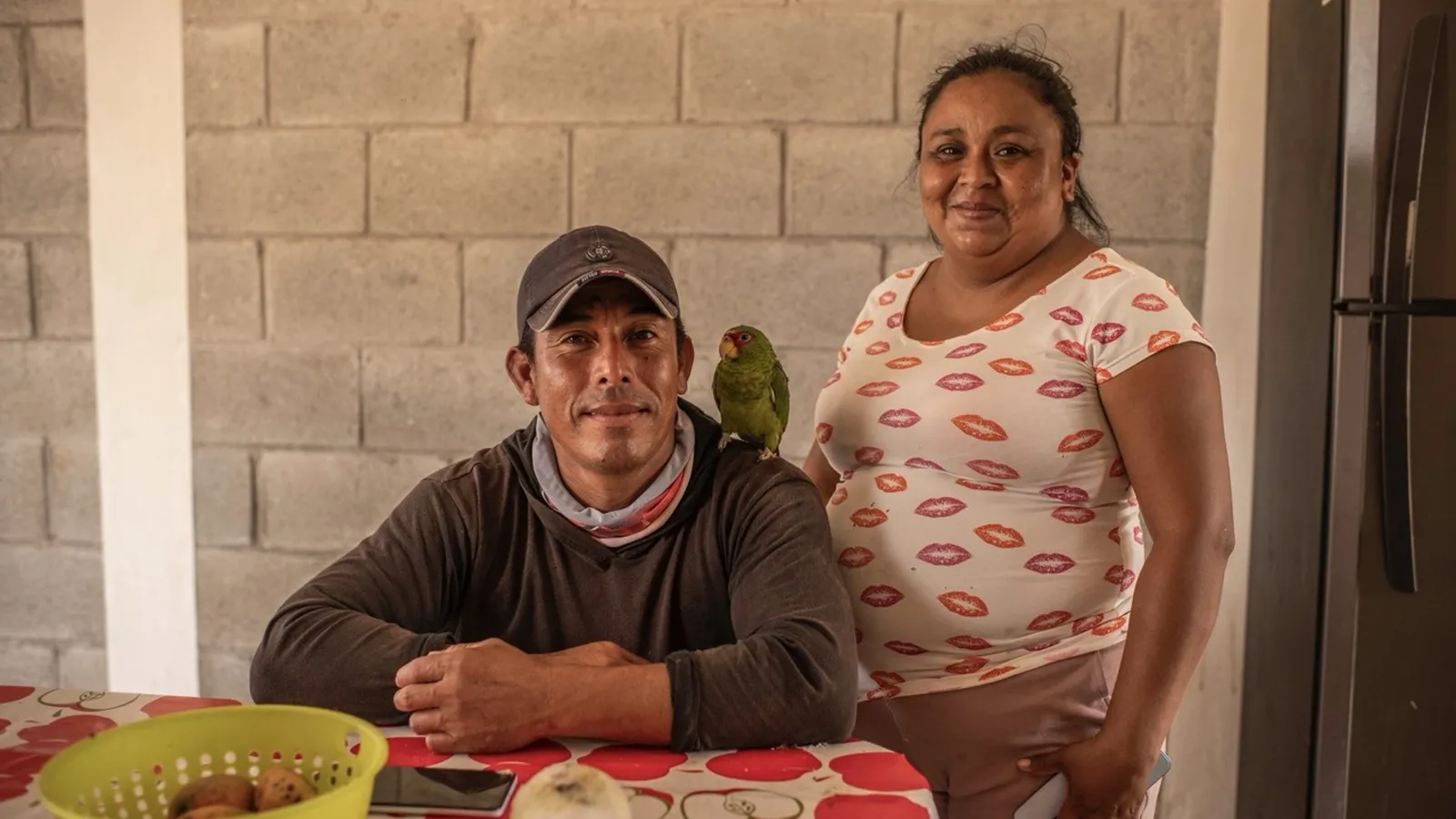
Nevertheless, the transition has generated severe socio-economic strain. The standard residential lots feature yards too small to accommodate the backyard poultry farming that many families relied upon in El Bosque. Access to affordable, nutrient-rich seafood has plummeted, replaced by a sedentary lifestyle heavily dependent on processed foods and sugary beverages delivered to doorsteps. Numerous residents report significant weight gain and heightened anxiety. Velázquez describes experiencing insomnia, chronic stress, and physical palpitations since the move. “We are grateful, but I am still grieving,” she told reporters. “I miss everything about El Bosque: the cool breeze, my friends, our whole life.”
Crucial civic infrastructure was conspicuously absent during the settlement’s inauguration. Nuevo Bosque opened without running water or a permanent primary school. For nearly six years since their original school flooded in late 2020, children have endured severe educational interruptions. Current classes are held inside a cramped, unairconditioned static trailer where students frequently sweep away overnight rainwater. Tabasco’s soaring temperatures, exacerbated by climate change, have forced local education authorities to mandate early dismissals at 11:30 a.m. to protect students from extreme heat. Teacher Isabel Mayo Cerino noted the toll on youth development: “This was supposedly a planned relocation, and yet nobody thought about education. A community without a school isn’t a proper community.”
The Industrial Paradox: Oil Infrastructure and Sacrifice Zones
The plight of El Bosque unfolds against a broader regional backdrop where climate vulnerability and fossil fuel extraction heavily intersect. Mexico remains the eleventh-largest oil producer in the world, according to International Energy Agency data, while ranking among the top historical contributors to global greenhouse gas emissions. Domestically, the paradox is most acute in Tabasco, where state-backed industrial infrastructure permeates nearly every municipality.
The state hosts extensive networks of pipelines, refineries, and offshore rigs operated by Petróleos Mexicanos (Pemex), Latin America’s largest corporate polluter and one of the most indebted energy firms globally. Opened in 2022, the Dos Bocas oil refinery sits approximately 60 miles west of El Bosque, adjacent to residential neighborhoods like Lázaro Cárdenas del Río, colloquially known as La Petrolera because of its concentration of oil workers.
The facility has been plagued by operational accidents, including floods, fatal fires, and major chemical leaks. Local residents report a surge in acute respiratory illnesses, chronic headaches, and severe panic attacks. Air monitoring data for the region remains classified as state secret data until 2030, leaving communities largely in the dark regarding environmental health risks. Environmental advocates argue that these industrial corridors transform frontline communities into sacrifice zones, balancing national energy sovereignty against the severe health and safety of local populations.
Legal Precedents and the Evolution of Loss and Damage
The high-profile displacement of El Bosque has catalyzed a significant shift in international jurisprudence and domestic policy regarding climate accountability. The community’s legal battles have directly influenced landmark advisory opinions issued by regional and international tribunals.
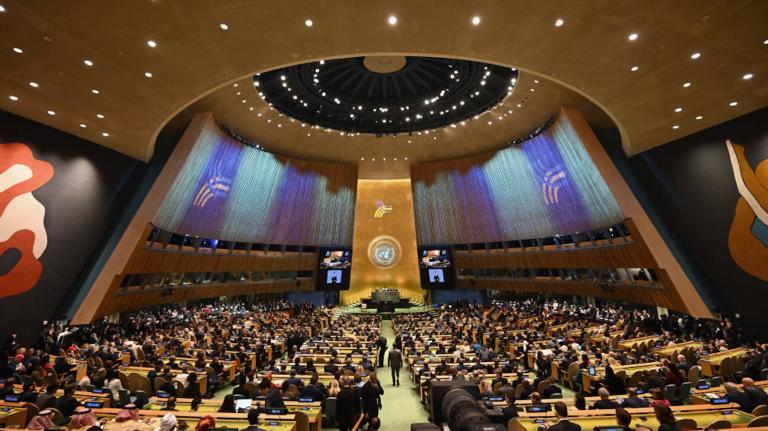
In May 2025, the Inter-American Court of Human Rights (IACHR) published a historic advisory opinion affirming that sovereign states possess a binding legal obligation under international human rights law to implement proactive climate adaptation measures, regulate polluting corporations, and prevent forced displacement. This was followed in July 2025 by an advisory opinion from the International Court of Justice (ICJ), which established that all nations must pursue deep, rapid cuts in greenhouse gas emissions to avoid incurring legal liability for climate-induced harms.
These legal advancements have redefined the concept of "loss and damage," a framework requiring financial compensation and reparations for communities experiencing irreversible climate impacts. Nora Cabrera, founder of the Mexico City-based environmental law firm Nuestro Futuro, argues that the El Bosque relocation exemplifies systemic policy failure rather than a pure humanitarian success. “The community has been made more vulnerable by the relocation—a level of regression that speaks to the process of climate injustice,” Cabrera stated. “The conditions for adaptation were never created. This amounts to an omission on the part of the Mexican state.”
Legal friction has also emerged regarding the criteria used to select residents for relocation. While fifty-one families received new homes in Nuevo Bosque, several long-term residents were excluded without formal explanation. Among them is Pablo Cardoza, whose seafront home was the first in El Bosque to be entirely destroyed by storm surges in September 2019. Despite subsequent displacement and economic hardship exacerbated by declining fish stocks, Cardoza and six other residents were omitted from government housing lists. In July, Nuestro Futuro filed a formal lawsuit on their behalf in the Mexican legal system, a case expected to test the state’s statutory obligations toward all climate-displaced citizens.
Policy Implications and Future Outlook
As the federal government under President Claudia Sheinbaum faces mounting internal pressure, administrative frameworks are slowly adapting. Mexico’s updated Nationally Determined Contribution submitted under the Paris Agreement explicitly acknowledges that climate change is causing loss and damage, signaling a potential shift toward formal reparations. Concurrently, federal agencies have allocated funds to update national risk atlases, noting that municipal disaster planning has historically relied on data several years out of date.
Nevertheless, experts emphasize that systemic challenges remain. With the World Bank projecting that up to 3 million Mexicans could be internally displaced by 2050 due to desertification, extreme heat, and sea level rise, urban centers like Mexico City, Monterrey, and Guadalajara face impending demographic pressures.
For the residents of Nuevo Bosque, the path forward remains defined by resilience amid lingering grief. As communities across Latin America look to El Bosque as a foundational test case for managed retreat, the overarching lesson remains clear: true climate adaptation requires not merely building houses, but preserving the cultural integrity, economic livelihoods, and human rights of those displaced by a warming planet.