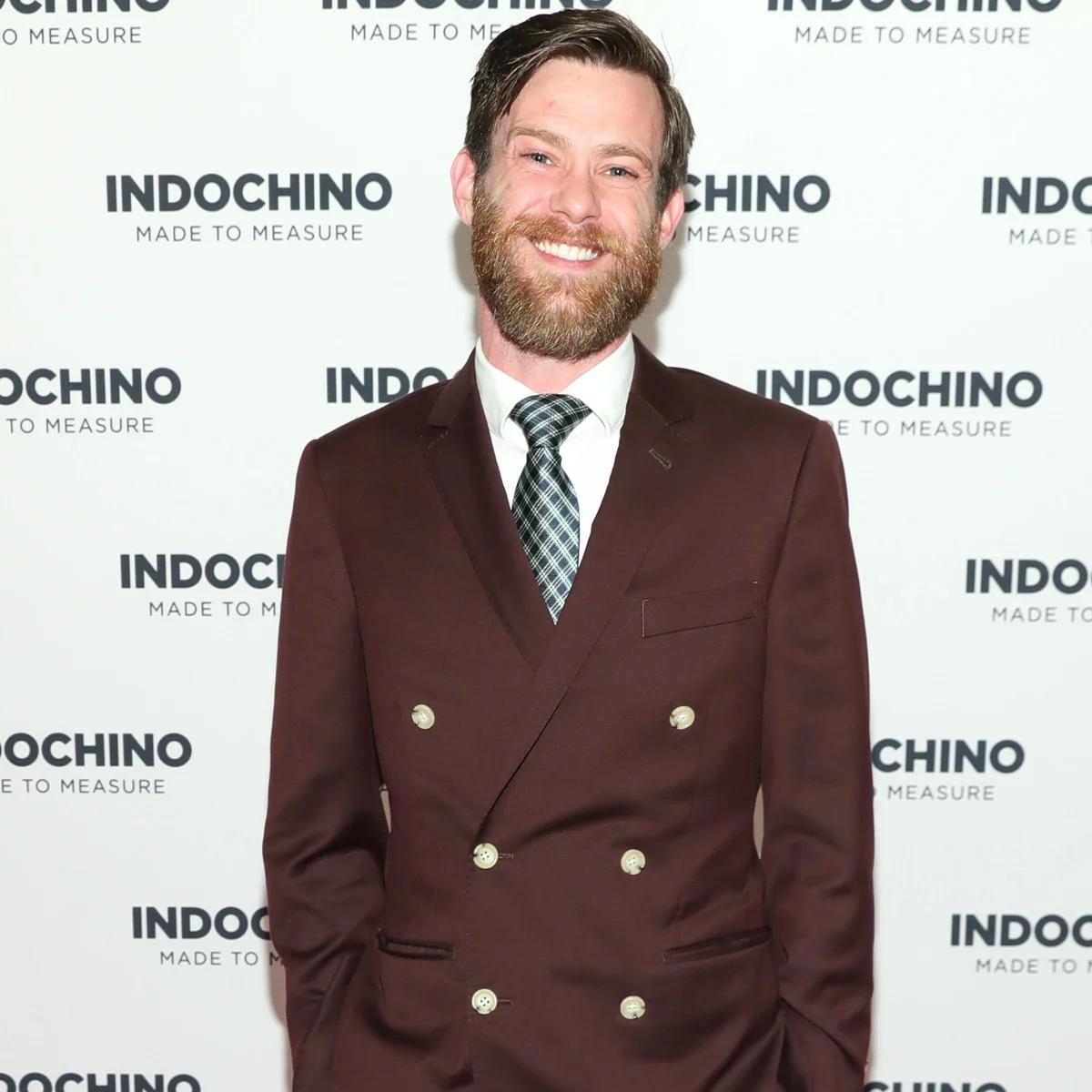
Former child actor Brandon "Bug" Hall, widely recognized for his childhood role as Alfalfa in the 1994 feature film adaptation of The Little Rascals, has launched a public fundraising campaign to assist his family as they navigate an unconventional, off-the-grid lifestyle ahead of the arrival of their sixth child. The financial appeal provides a rare window into the realities of the actor’s self-imposed departure from the mainstream entertainment industry, a transition he began years ago as part of a radical religious and philosophical shift.
The public plea for financial assistance highlights the friction between Hall’s professed commitment to a austere existence and the immediate economic pressures of supporting a rapidly growing family. As public interest in the lives of former child stars intersects with contemporary conversations about alternative lifestyles, Hall’s situation offers a compelling case study in the complexities of stepping away from wealth and fame.
The GoFundMe Campaign and Immediate Needs
In early November, Hall utilized the online fundraising platform GoFundMe to solicit financial contributions from the public. According to his statements on the campaign page, the appeal was launched out of absolute necessity as his wife, Jill, prepares to give birth to their sixth child within a matter of weeks.
Hall revealed that the family—currently consisting of two adults and five children, soon to be eight people total—resides in a camper van situated on newly acquired rural land in Mountain View, Arkansas. While the family managed to relocate to their property ahead of schedule, their remote setup remains incomplete. Hall confessed that they are a few critical materials short of rendering their living arrangements fully functional. Specifically, the actor noted that he has fallen behind on modest household expenses, including cellular phone service, propane to heat the camper, and an unexpected utility hookup service fee required to establish baseline infrastructure on the land.
Emphasizing that his family remains content with the hardships of rustic living, Hall underscored the urgency of the timeline. With the impending arrival of the newest addition to the household less than a month away, Hall stated his primary objective is to finalize the basic infrastructure of their homestead within a two-week window. Achieving this goal would allow him to temporarily pause his homestead development efforts, take on short-term odd jobs, and secure enough capital to cover immediate familial obligations prior to the birth.
Background and Evolution of the Vow of Poverty
The current financial strain comes nearly a year after Hall publicly detailed his decision to embrace a "vow of poverty" in an interview published in January. Following his definitive exit from the entertainment industry in 2020, Hall consciously relinquished the financial safety net generated by his early acting career.
Hall’s departure from Hollywood coincided with a highly publicized personal controversy in the summer of 2020, when the actor was arrested in Greer County, Texas, following allegations of inhaling air duster cans. Although Hall later confirmed to media outlets that he faced no formal criminal charges stemming from the incident, the event marked a profound turning point in his personal life. He subsequently chose to sever ties with the entertainment business entirely, abandoning the standard accumulation of wealth associated with professional acting.
In interviews following his career exit, Hall articulated a deliberate philosophy regarding personal finance. He stated that his overarching goal is to sustain a lifestyle completely detached from the ongoing requirement of a steady income. Rather than maintaining a traditional bank account or pursuing continuous employment, Hall adopted a reactive economic model: when an unavoidable financial deficit arises, he takes on temporary odd jobs or manual labor strictly to cover that specific expense, returning to his off-the-grid lifestyle immediately afterward.
In early 2025, Hall and his wife released video content via social media and video-sharing platforms elaborating further on their domestic arrangement. They described their household environment as a reflection of traditionalist, radical Catholic values, framing their physical isolation and material deprivation as a deliberate spiritual exercise rather than an involuntary punishment. On the recent GoFundMe page, Hall reiterated this ethos, asking supporters for prayers and spiritual sacrifices alongside—or instead of—monetary donations, addressing his community as the "Hall-Barnetts of the Holy Cross."
Broader Industry Context: The Exodus from Hollywood
Hall’s drastic lifestyle pivot is part of a broader, well-documented trend of prominent figures stepping away from the centers of the entertainment industry—primarily Los Angeles and New York—in search of alternative frameworks for living. Over recent years, a significant number of actors, musicians, and television personalities have publicly rejected the traditional Hollywood trajectory, opting instead for rural relocations, international moves, or early retirement.
This mass exodus is driven by a variety of personal and economic catalysts. For some, health crises serve as the primary catalyst. Academy Award-winning actor Antonio Banderas suffered a near-fatal heart attack in 2017, an event that prompted him to reevaluate his priorities, relocate to his native Málaga, Spain, and refocus his career on regional theater rather than commercial cinema. Similarly, actors such as Josh Hartnett have spoken candidly about intentionally distancing themselves from the hyper-focused, singular environment of Los Angeles to cultivate family life in rural settings, such as the English countryside, in pursuit of personal longevity and psychological balance.
For other public figures, political climates, shifting tax structures, and urban congestion have prompted permanent relocations. High-profile performers including Eva Longoria, Richard Gere, Christina Milian, and Rosie O’Donnell have transitioned their primary residences to international locales such as Spain, France, and Ireland. These moves are frequently contextualized by the desire to provide children with alternative educational systems, greater privacy, and a slower pace of daily life outside the relentless scrutiny of the American tabloid apparatus.
Furthermore, former child stars and long-tenured television actors frequently cite profound burnout and institutional disillusionment as primary reasons for abandoning the industry. Figures such as Jennette McCurdy, Jack Gleeson, and Leelee Sobieski have stepped away from lucrative acting careers to pursue entirely distinct paths—ranging from academic writing and psychological therapy to running boutique retail businesses—explicitly citing the emotional toll, lack of personal fulfillment, and intrusive nature of early fame.
Economic Implications and Public Response
The public reception of Bug Hall’s fundraising campaign highlights the complex parasocial relationship between former child stars and the public. When individuals who achieved early recognition experience financial distress later in life, public responses are often sharply divided between sympathy for the human realities of economic precarity and skepticism toward lifestyle choices that voluntarily reject financial stability.
Economically, Hall’s situation underscores the vulnerability of child actors who transitioned out of the industry before establishing long-term, diversified wealth or traditional career credentials. Unlike adult performers who build robust corporate portfolios or transition into behind-the-scenes production roles, child actors who exit the business abruptly during their formative years often face unique barriers when attempting to reintegrate into the traditional labor market, particularly if they deliberately choose remote isolation.
Despite acknowledging that his self-imposed poverty was a matter of personal choice, Hall’s decision to break his self-imposed rule against public fundraising illustrates the hard limits of radical self-reliance when compounded by the biological and medical costs of a growing family. As his community of supporters responds through both financial donations and digital sharing, the episode remains a stark illustration of the tension between ideological minimalism and the inescapable material requirements of modern family life.