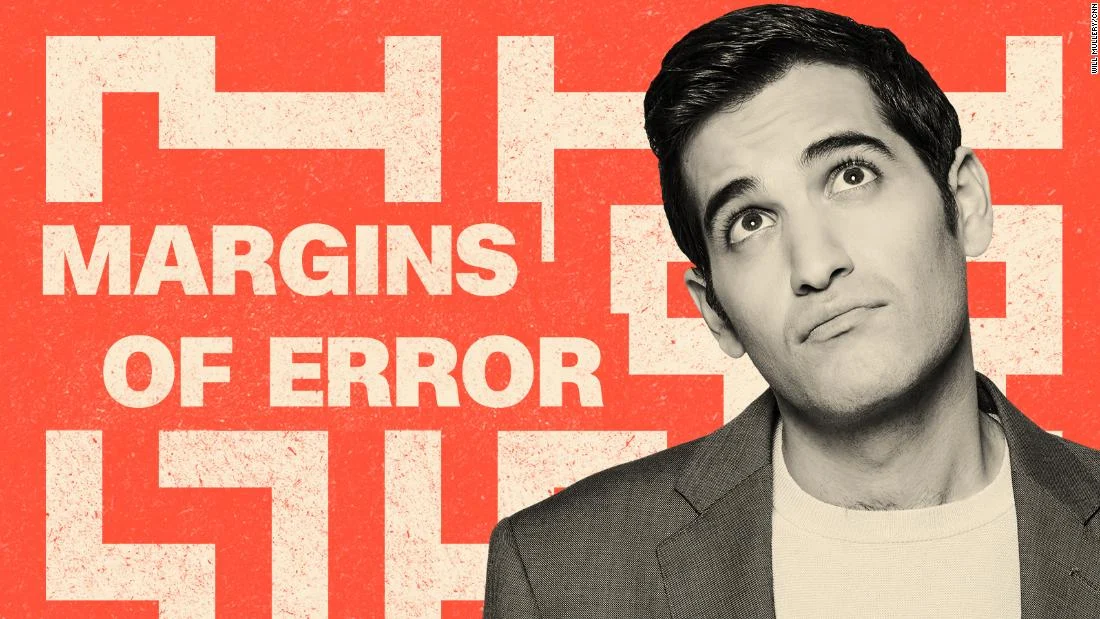
In an era defined by an unrelenting deluge of information, the ability to synthesize, interpret, and contextualize data has become a critical skill for navigating modern life. CNN’s Margins of Error, hosted by veteran data analyst Harry Enten, serves as a bridge between cold, hard statistics and the nuanced human experience. By peeling back the layers of complex calculations, the program explores what contemporary metrics reveal about the collective identity, cultural habits, and evolving beliefs of the American public. From the seemingly trivial, such as the social perception of eyewear, to the deeply structural, such as the U.S. resistance to the metric system, Enten utilizes a data-driven approach to challenge conventional wisdom and provide a clearer picture of the world.
The Methodology of Data Storytelling
Harry Enten, widely recognized for his work in political polling and statistical analysis, brings a rigorous, academic, yet accessible approach to his podcast. The premise of the show is rooted in the philosophy that data is not merely a collection of numbers, but a reflection of societal trends. By consulting with subject matter experts—ranging from sociologists and linguists to transportation engineers and psychologists—Enten creates a narrative that moves beyond simple arithmetic. The podcast effectively highlights the "margin of error" inherent in all human endeavors, reminding listeners that while data can illuminate truth, it is often subject to the limitations of human behavior and changing environments.
A Chronology of Investigation: Episodes and Themes
The podcast has covered a wide array of topics, reflecting a chronological progression of cultural inquiry throughout its 2022 run. Each episode functions as a standalone investigative piece, typically running between 30 and 45 minutes, designed to decode specific societal phenomena:
- May 3, 2022 – Linguistic Evolution: Enten examined the fading regional accents across the United States, investigating whether the rise of digital communication and mass media is leading to a homogenization of American speech patterns.
- May 10, 2022 – The Hygiene Debate: An exploration into the history of sanitation and the modern necessity of daily bathing, challenging long-held societal norms regarding cleanliness.
- May 17, 2022 – The Sociology of Eyewear: A deep dive into the evolution of "four-eyes" stereotypes and the strategic use of glasses in professional settings, including the courtroom.
- May 24, 2022 – The Economics of Joy: Featuring insights from app-based happiness researcher Matt Killingsworth, this episode analyzed the correlation between income levels and subjective well-being.
- May 31, 2022 – The Semantics of Diet: An investigation into the rebranding of "diet" sodas into "zero sugar" products and the psychological impact of food labeling.
- June 7, 2022 – The Metric Resistance: An analysis of the historical, political, and economic factors that have kept the United States anchored to the Imperial system of measurement.
- June 14, 2022 – The Decline of Romance: Using statistical trends regarding marriage, dating apps, and social interaction, Enten explored the changing landscape of human intimacy.
- June 21, 2022 – Weather Forecasting: A look at the technical advancements in meteorology and the complicating factors introduced by climate change.
- June 28, 2022 – The Underdog Effect: An analysis of why human psychology tends to favor the underdog, backed by research into sports and political history.
- July 5, 2022 – Optimizing Travel: An episode dedicated to the logistics of efficient transportation, featuring data on road trip optimization and airline boarding procedures.
Analytical Deep Dive: Why Data Matters
The implications of the topics covered in Margins of Error extend far beyond entertainment. For instance, the discussion on the metric system is not just about units of measurement; it serves as a case study for national identity and the friction between global integration and traditionalism. When Enten discusses the U.S. reluctance to abandon gallons and inches, he is effectively chronicling the "sunk cost fallacy" on a national scale—where the financial and logistical costs of changing a system outweigh the perceived benefits, despite the clear advantage of international standardization.
Similarly, the episode on "The Mysterious Disappearance of Love, Sex, and Romance" touches on significant demographic shifts. As statistics show a decline in traditional romantic milestones, the data suggests a broader restructuring of the social fabric. By applying a journalistic lens to these trends, the podcast forces listeners to consider whether these changes are transient or indicative of a permanent shift in how humans form social bonds.

Expert Contributions and Collaborative Insight
A defining feature of the podcast is the integration of high-level expert testimony. Enten does not rely solely on his own analytical capabilities; he actively seeks out those at the forefront of their respective fields. In the episode concerning the "underdog effect," for example, he engages with Neil Paine of FiveThirtyEight and expert researcher Nadav Goldschmied. By incorporating professional perspectives from sports figures like former Buffalo Bills player Coy Wire, the podcast provides a multifaceted view of the data. This synthesis of theoretical statistics and anecdotal, real-world application provides a robust evidentiary base for the conclusions reached in each episode.
Societal Context and Global Comparisons
The podcast often employs a comparative method, contrasting American habits with global standards. In the exploration of hygiene, the historical context of Ancient Roman bathing serves as a foil for modern industrial-era standards. By establishing this historical timeline, Enten illustrates that what we consider "natural" or "necessary" is frequently a product of cultural conditioning rather than an absolute biological requirement. This perspective is vital for a modern audience, as it encourages critical thinking regarding the influence of marketing and social pressure on individual behavior.
Implications for the Future of Data Literacy
The success and thematic consistency of Margins of Error highlight a growing public appetite for accessible, data-driven journalism. In a world where data is often weaponized to support conflicting narratives, a show that focuses on the methodology of analysis is essential. By teaching listeners how to ask the right questions—such as "what is the sample size?" or "what are the variables?"—Enten empowers his audience to be more discerning consumers of information.
The podcast also reflects a broader trend within major news organizations like CNN to diversify their content delivery mechanisms. Audio-first storytelling allows for a level of intimacy and depth that is often difficult to achieve in short-form television segments. By utilizing the long-form podcast format, Enten can explore the nuances of a topic, allowing for the inclusion of data that might otherwise be dismissed as "too complex" for a general audience.
Conclusion: The Persistent Search for Clarity
Ultimately, Margins of Error serves as a testament to the fact that the most mundane aspects of daily life—how we travel, how we speak, what we drink, and whom we root for—are governed by patterns that can be measured and understood. By documenting these patterns, Harry Enten does more than just present interesting trivia; he provides a roadmap for understanding the underlying mechanics of modern American culture.
As the program continues to investigate new frontiers, its value lies in its refusal to accept surface-level assumptions. Whether investigating the efficiency of airline boarding or the psychological roots of romantic decline, the podcast consistently demonstrates that when one pushes past the calculations, the results are rarely binary. Instead, they reveal a complex, messy, and fascinating portrait of the human condition. In the pursuit of knowledge, as Enten implies, the most important takeaway is often found precisely within the margins of error.