The BMW Group, parent company to BMW, Mini, and Rolls-Royce, has released its third-quarter financial and operational results for 2026, painting a complex portrait of an automaker navigating a fragmented global transition to electrification. While the company maintains a robust portfolio of battery-electric vehicles (BEVs) and plug-in hybrids (PHEVs), the data highlights a widening chasm between its performance in European markets and its struggles to gain significant traction within the United States.
According to the latest earnings report, 20% of the BMW Group’s global vehicle deliveries in the third quarter were exclusively all-electric models. When accounting for the addition of plug-in hybrid electric vehicles (PHEVs), the share of electrified models rises to 27.4%. Looking at the year-to-date performance from January through September 2026, EVs have accounted for 18.4% of total sales, with that figure reaching 26.1% when including the hybrid segment.
A Tale of Two Markets: Europe Versus the United States
The most striking takeaway from the Q3 report is the pronounced regionalization of EV adoption. Europe continues to serve as the primary engine for BMW’s electric transition, where policy support, charging infrastructure density, and consumer sentiment have aligned to drive significant volume. In Europe, 34.7% of all BMW Group sales were comprised of BEVs, with total electrified sales reaching a commanding 46.9% of the region’s quarterly volume.
In stark contrast, the United States presents a challenging landscape for the manufacturer. During the same period, only 4.7% of BMW, Mini, and Rolls-Royce vehicles sold in the U.S. were battery-electric. Even when incorporating plug-in hybrids into the data, the combined electrified share in the American market remains at a modest 11.4%. This performance places the U.S. at the bottom of the BMW Group’s global regions regarding electrification, trailing behind China—where EV sales accounted for 6.5%—and the broader Asia-Pacific, Eastern Europe, Middle East, and Africa regions, which collectively saw an 18% share for BEVs.
Industry analysts suggest that the "policy whiplash" mentioned in the report refers to the shifting landscape of federal tax credits, charging infrastructure investment uncertainty, and varying state-level mandates. Unlike the European market, which has benefited from long-term, consistent regulatory pressure and consumer incentives, the U.S. market has experienced volatile demand cycles that have forced manufacturers to recalibrate their supply chains and marketing strategies repeatedly over the last 24 months.
Product Portfolio and Availability Constraints
Part of the disparity in U.S. sales performance can be attributed to the specific product mix available to American consumers. While European buyers enjoy a diverse selection of electric offerings, including the iX2, the U.S. market has seen a more staggered rollout of the latest electrified models.
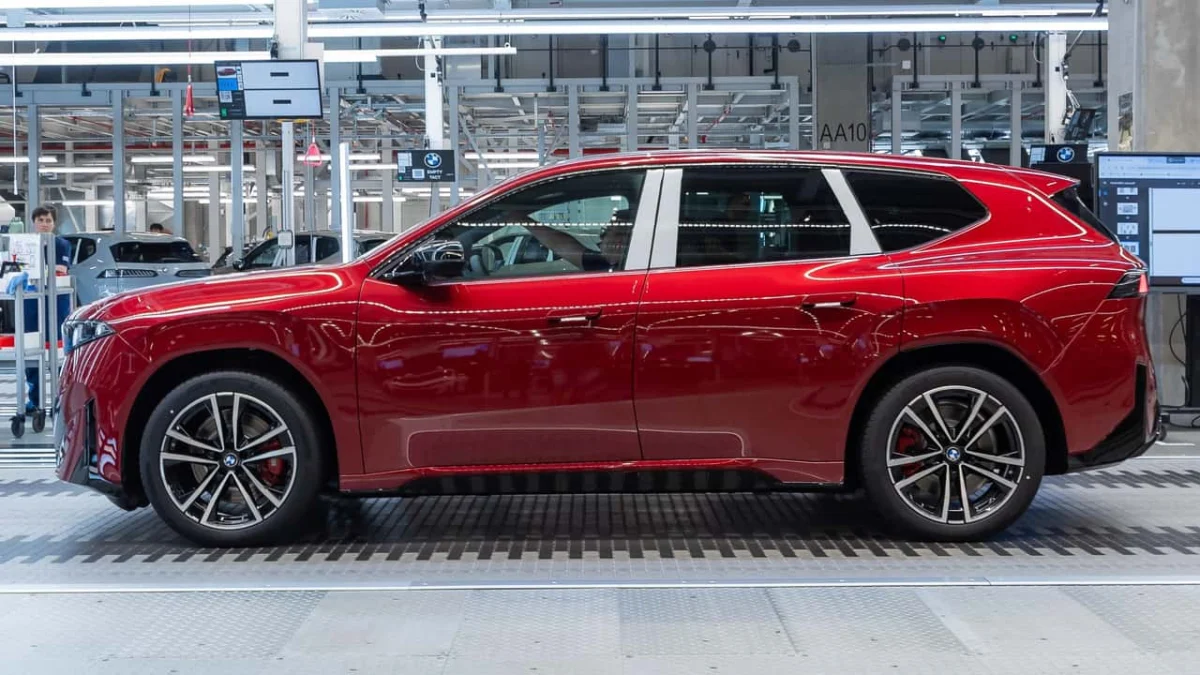
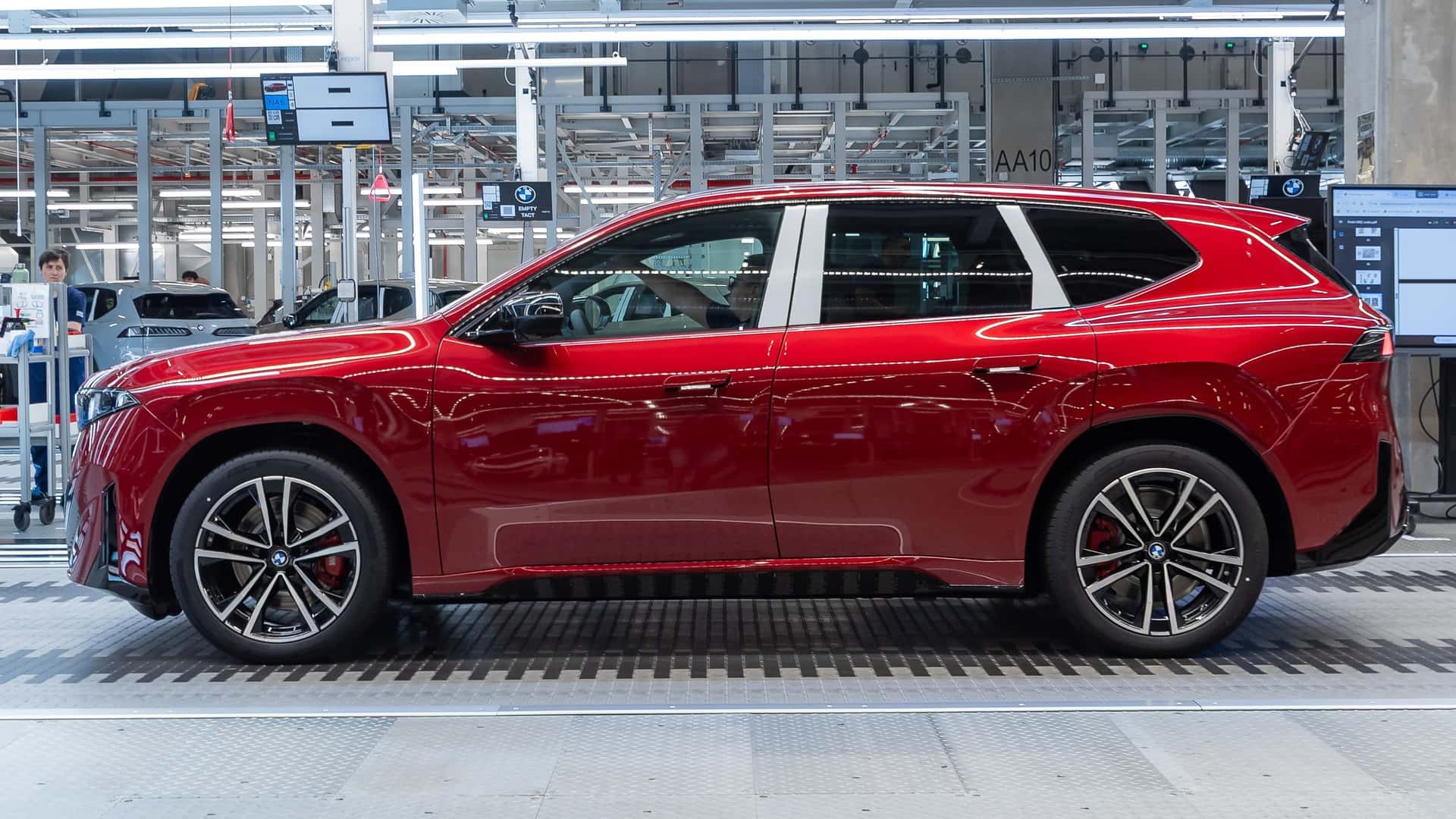
The BMW iX3 and i3, two models pivotal to the company’s volume strategy, are only now beginning to reach American dealerships in meaningful quantities. Furthermore, the luxury-focused i7, while a technological showcase for the brand, remains a low-volume vehicle that does not move the needle on overall market share.
The company is currently in a transitional phase as it pivots its manufacturing output toward the "Neue Klasse" vehicle architecture, which is expected to define the next generation of BMW’s electric fleet. However, the current lag in availability and the absence of specific segment-relevant EVs—such as the compact crossovers that dominate the American SUV-heavy market—have created a temporary ceiling for the company’s domestic growth.
Global Sales Trends and Performance Analysis
Despite the optimistic view of the 18.4% global EV share for the year to date, the raw numbers reveal a cooling trend in total volume. During the first nine months of 2026, the BMW Group sold 314,552 EVs and 131,653 PHEVs. Compared to the same period in 2025, this represents an overall 5.1% decline in sales of electrified units. Specifically, BEV sales dipped by 2.7%, while PHEV sales saw a more substantial decline of 10.3%.
The fact that the overall share of EVs grew from 18% to 18.4% in the face of falling sales indicates that the company’s internal combustion engine (ICE) sales are declining at an even faster rate than its electrified portfolio. This "share growth through volume contraction" is a common trend among legacy European automakers as they phase out older platforms in anticipation of new EV-first lineups.
The Strategic Outlook for 2027 and Beyond
The BMW Group’s strategy remains predicated on a "technology-open" approach, which allows for the production of both ICE and electrified vehicles on the same assembly lines. This flexibility is designed to hedge against the regional volatility seen in the U.S. market while maintaining high utilization rates in Europe.
However, the company faces mounting pressure to demonstrate that its upcoming models can resonate with a broader U.S. consumer base. With rivals such as Rivian, Hyundai, and Tesla continuing to capture specific market segments, BMW is under pressure to streamline its delivery timelines and improve the availability of its electric lineup.
The success of the iX3 and i3 in the North American market will likely serve as a litmus test for the company’s mid-term growth strategy. If these models fail to capture a larger portion of the U.S. luxury segment, BMW may be forced to revisit its regional pricing and allocation models to prevent further stagnation in its most profitable market.
Market Context: A Competitive Environment
The broader automotive sector is currently grappling with a similar slowdown in the pace of EV adoption. Recent market data from across the industry suggests that the "early adopter" phase has passed, and reaching the "mass market" consumer requires overcoming significant hurdles regarding price parity, range anxiety, and charging convenience.
Competitors have responded to these challenges in varied ways. Hyundai and Kia have pivoted heavily toward hybrids to capture buyers who are hesitant to make the full leap to BEVs, while brands like Ferrari are managing limited supply to maintain brand exclusivity. Rivian, meanwhile, is focusing on scaling production of its R2 platform to establish a foothold in the mid-size SUV market, directly challenging the space BMW aims to occupy with its future offerings.
For the BMW Group, the path forward involves balancing the aggressive, high-adoption mandates of the European Union with the more cautious, demand-driven landscape of the United States. While the third quarter of 2026 demonstrates that the company has a strong foundation, the path to 2027 will require a more precise execution of its regional product strategies and a commitment to overcoming the logistical bottlenecks that have kept its U.S. electric ambitions in a holding pattern.
As the company prepares for the final quarter of the year, all eyes will be on its inventory levels and whether it can successfully convert its strong global brand loyalty into a higher conversion rate for its electric fleet in the North American region. For now, the BMW Group remains in a state of transition—caught between the legacy of its internal combustion success and the long-term necessity of a fully electric future.