The automotive landscape is currently witnessing a significant shift in strategic partnerships, most notably the evolving relationship between the British luxury manufacturer Jaguar Land Rover (JLR) and the Chinese industrial giant Chery Automobile. Since the establishment of their 50:50 joint venture, Chery Jaguar Land Rover (CJLR), in 2012, the two entities have navigated a complex path of manufacturing, market expansion, and technological integration. As of November 2026, industry analysts are observing a pivotal moment where this long-standing "engagement" may transition into a deeper, more formalized corporate union, potentially reshaping the future of both firms.
Chronology of a Sino-British Partnership
The roots of this collaboration trace back to 2012, a period marked by rapid globalization within the automotive sector. Recognizing the necessity of a localized footprint to penetrate the Chinese luxury market, JLR entered into a landmark agreement with Wuhu-based Chery. This partnership resulted in the construction of a state-of-the-art production facility at 1 Land Rover Road in Changshu, Jiangsu Province.
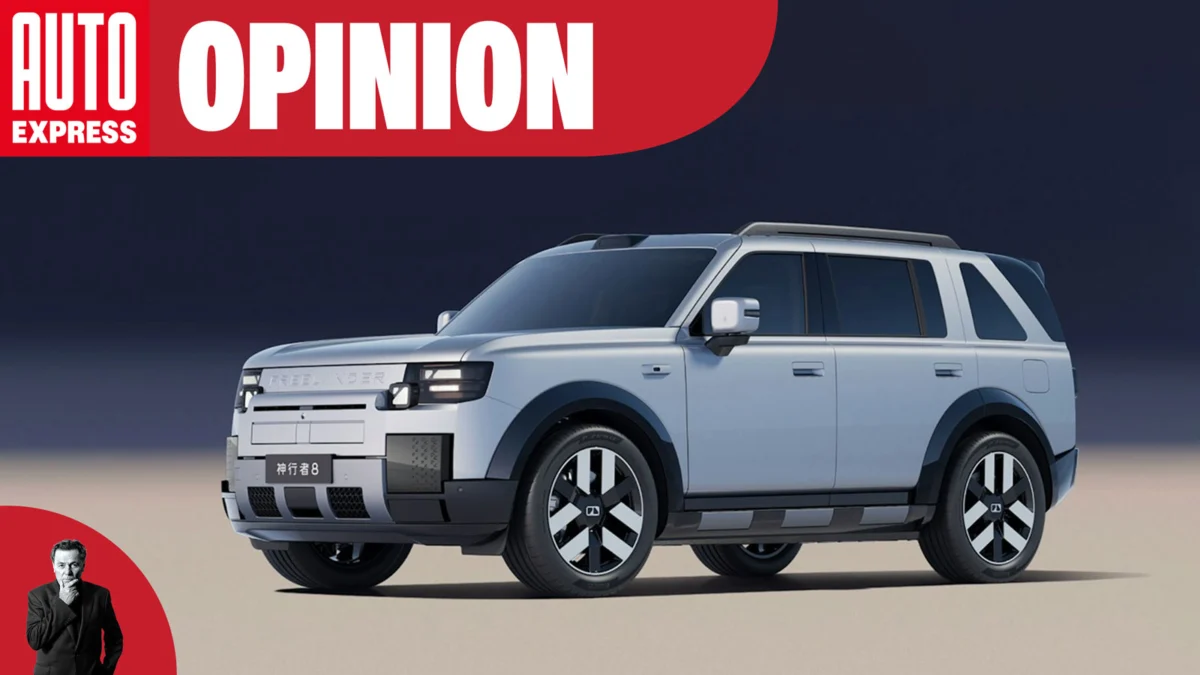
Initially, the plant focused on the localized assembly of JLR products to circumvent high import tariffs. However, the operational model has evolved significantly over the past fourteen years. While JLR has shifted its focus regarding which models are manufactured in China, the facility has repurposed its capabilities to support a broader range of vehicles. Recent developments have seen the production of Chery-engineered models—such as the Freelander 8—which utilize the architecture and expertise fostered through the joint venture, yet are marketed independently of the traditional Land Rover dealer network.

The Strategic Shift to Independent Branding
The emergence of the Freelander 8 marks a departure from the traditional model-sharing agreements of the early 2010s. By decoupling the Freelander brand from the primary Land Rover sales channel, the venture has created a distinct market segment. This strategy allows the partners to capture entry-level luxury demand without diluting the prestige of the core Range Rover and Defender product lines.
Market analysts suggest that this bifurcation is a tactical response to the saturation of the traditional luxury market. By leveraging the manufacturing efficiency of the Changshu plant and the supply chain robustness of the Chery Group, the venture is now producing vehicles that offer premium design sensibilities at a more competitive price point. This shift is consistent with broader trends where established manufacturers are increasingly comfortable with sub-branding and technology licensing to maintain volume in developing markets.

Supporting Data and Market Dynamics
To understand the potential for a deeper merger, one must examine the scale of the operations involved. Chery Group has experienced exponential growth, consistently outperforming many of its domestic peers in both domestic sales and international exports. Its portfolio, which now includes brands like Omoda, Jaecoo, and the emerging iCaur sub-brand, demonstrates an aggressive multi-brand strategy.
In contrast, JLR remains a boutique luxury player within the Tata Motors conglomerate. While JLR has maintained strong margins through its "Reimagine" strategy, it lacks the sheer volume and manufacturing capacity of its Chinese counterpart. The integration of Chery’s CSH (Chery Super Hybrid) technology into the JLR ecosystem represents a critical opportunity for the British firm. By utilizing these existing power units, JLR could potentially reduce its R&D overheads for entry-level models, effectively addressing the "baby Land Rover" segment—a project that has been discussed in industry circles for decades but has previously struggled with the cost-benefit analysis of internal development.
The Role of Tata Motors and Corporate Governance
The future of any further integration rests heavily on the strategic vision of Tata Motors. Since acquiring the Jaguar and Land Rover brands from Ford in 2008, Tata has acted as a stabilizing force. However, the current economic climate in the automotive industry, characterized by the heavy capital expenditure required for electrification and software-defined vehicles, is forcing a re-evaluation of long-term ownership models.
There is speculation regarding the potential for a partial divestment or a deeper cross-shareholding agreement between Tata and Chery. Such a move would mirror the historical precedents set by major manufacturers who have successfully utilized regional partnerships to scale. For Tata, the primary concern remains the preservation of brand heritage while ensuring the commercial viability of the Midlands-based manufacturing hubs. Whether Tata chooses to maintain full control or invites a deeper involvement from Chery remains the defining question for the next fiscal cycle.

Implications for Global Manufacturing
The potential "marriage" of these two firms carries implications that extend beyond their own balance sheets. Should the collaboration deepen, it would likely set a blueprint for how European heritage brands can survive the transition to a global, software-led, and volume-intensive industry. The utilization of "best man" expertise—such as the contributions of design luminaries like Ian Callum and Gerry McGovern—underscores the value of British design pedigree when married to Chinese manufacturing agility.
If the two firms move toward a more formal merger or an expanded joint-venture scope, we could see the emergence of a new tier of luxury-accessible vehicles. This would involve:

- Economies of Scale: Utilizing shared platforms across both Chery’s mass-market brands and JLR’s premium line.
- Technological Exchange: Integrating Chery’s hybrid and battery management systems into JLR’s future entry-level portfolio.
- Manufacturing Optimization: Utilizing the Changshu facility as a global export hub for high-volume, premium-tier models.
Official Responses and Industry Sentiment
While neither JLR nor Chery has released a formal statement confirming a change in their current status, recent corporate communications from both sides have emphasized a "long-term commitment" to their shared goals. Chery has explicitly stated its desire to pursue a closer relationship with its British partner, a signal interpreted by many as an invitation to move beyond the current joint-venture framework.
Industry observers note that the success of the Freelander 8 launch will likely serve as the litmus test for any future expansion of the partnership. If the market response aligns with internal sales projections, the argument for deepening the ties becomes significantly more persuasive for the boardrooms in both Wuhu and Coventry.
Broader Economic Context
The automotive sector in 2026 is defined by a race to decarbonize while simultaneously managing rising costs. For a company the size of JLR, the cost of competing in every segment of the market is prohibitive. A closer relationship with a partner that has already mastered the art of high-volume, low-cost, and high-tech manufacturing is not merely a strategic luxury—it may be a necessity.
Furthermore, the geopolitical and economic climate necessitates that firms establish deep roots in the markets where they intend to grow. A closer union between a British marque and a Chinese industrial leader would provide a robust hedge against trade volatility. As the industry moves toward the 2030 targets for emissions and technological transition, the ability to pivot and share costs will separate the manufacturers that thrive from those that merely survive.
Conclusion
The relationship between Jaguar Land Rover and Chery is no longer just a localized production arrangement; it is a fundamental component of their global strategies. As the industry evolves, the pressure to consolidate, share, and scale will only increase. Whether through a full-scale merger, an expanded joint venture, or a new model of corporate collaboration, the trajectory suggests that the "dating" phase is drawing to a close. The automotive industry will be watching closely to see if this "match made in heaven" can successfully navigate the complexities of international corporate governance to define a new era of global vehicle production. The integration of British design heritage with Chinese manufacturing scale, if handled with the necessary regulatory and strategic care, could prove to be one of the most consequential developments in the modern motor industry.