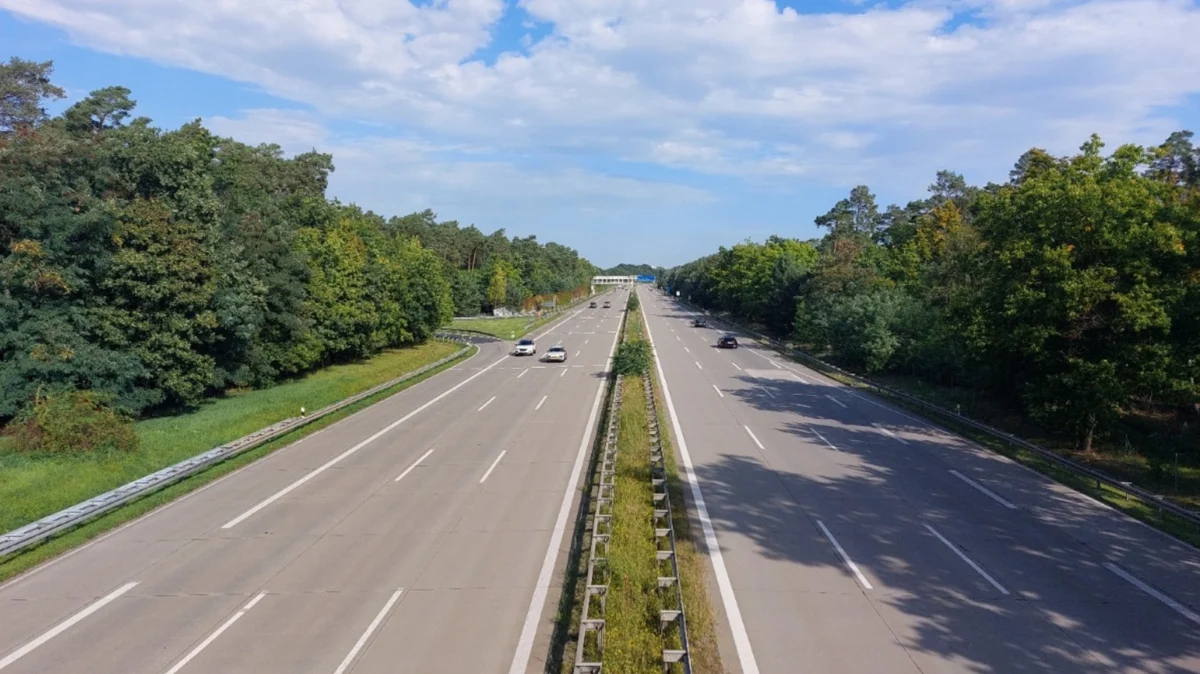
The German Autobahn remains one of the most misunderstood and mythologized pieces of civil engineering in the modern world. To the uninitiated international traveler, the word "Autobahn" evokes images of a lawless asphalt ribbon where speed is the only currency and limits are a relic of the past. However, the reality of the Bundesautobahn (BAB) system is far more complex, governed by a rigid framework of federal laws, precision engineering, and a cultural commitment to driver discipline that is unparalleled globally. While the prospect of driving at speeds exceeding 150 mph is a significant draw for automotive enthusiasts, the system functions not through a lack of rules, but through the strict adherence to them. Understanding the intricate balance between high-speed freedom and stringent legal requirements is essential for anyone planning to navigate Germany’s primary highway network.
The Structural and Historical Foundation of the Autobahn
The development of the Autobahn is a story of engineering evolution that spans nearly a century. While often associated with the mid-20th century, the first high-speed road in Germany, the AVUS in Berlin, was opened in 1921. This was followed by the first public dual-carriageway motorway between Bonn and Cologne in 1932. Today, the network encompasses over 8,000 miles (13,000 kilometers) of roadway, making it one of the densest and longest high-speed systems in the world.
Unlike many American interstates, which are often constructed with a 28-centimeter (11-inch) thick concrete base, the Autobahn is engineered for durability and extreme stress. The pavement can be up to 80 centimeters (31 inches) thick, designed to withstand the immense thermal expansion of the European climate and the mechanical forces of vehicles traveling at double the speed of standard traffic. This engineering excellence allows for the "Richtgeschwindigkeit" or advisory speed limit of 130 km/h (81 mph), a benchmark that serves as the legal pivot point for insurance and liability.
The Myth of Universal Speed Freedom
The most pervasive misconception regarding the Autobahn is that it is entirely devoid of speed limits. In reality, approximately 30% of the network is subject to permanent speed restrictions, and many other sections are regulated by dynamic traffic management systems. These restrictions are typically found in urban areas, near hazardous interchanges, or on stretches undergoing maintenance. Permanent limits usually range from 80 km/h (50 mph) to 120 km/h (75 mph).
Furthermore, the "Streckenbeeinflussungsanlagen"—automated overhead gantries—can impose temporary speed limits based on real-time data. These gantries monitor traffic density, weather conditions (such as fog or heavy rain), and accidents. If a digital sign displays a limit, it is as legally binding as a permanent metal sign. German law enforcement utilizes highly sophisticated "Blitzer" (speed cameras) and unmarked patrol vehicles to enforce these zones. For a tourist, the transition from an unrestricted zone to a restricted zone can happen in seconds; failing to decelerate immediately often results in heavy fines and the potential loss of driving privileges within German borders.
The Legal Mandate of Lane Discipline: Rechtsfahrgebot
In many countries, lane choice is often treated as a matter of personal preference or casual convenience. In Germany, lane discipline is a strictly enforced legal mandate known as Rechtsfahrgebot. This rule dictates that all drivers must stay in the right-most available lane unless they are actively overtaking another vehicle.
The left lane is reserved exclusively for passing. Cruising in the left lane, even at high speeds, is a violation of the law. Once an overtake is completed, the driver must return to the right lane as soon as it is safe to do so. This system ensures that the fastest vehicles always have a clear path on the left, reducing the need for sudden braking and preventing "undertaking" (passing on the right).
Passing on the right is strictly forbidden on the Autobahn and is viewed as one of the most dangerous maneuvers a driver can perform. The penalties for undertaking are severe, as the driver being passed on the right may not expect a vehicle to be there when they attempt to return to the slower lane. The only exception to this rule is in heavy, slow-moving traffic (Stau), where vehicles in the right lane may move slightly faster than those in the left, provided the speed is low and the maneuver is done with extreme caution.
The High Cost of Negligence: Fuel and Maintenance
German law views the operation of a motor vehicle on the Autobahn as a serious responsibility. One of the most surprising rules for international drivers is the illegality of running out of fuel. Under the German Road Traffic Act (StVO), stopping on the Autobahn is prohibited except in cases of "unavoidable emergency," such as a medical crisis or a sudden mechanical failure.
Because fuel levels are entirely within the driver’s control, running out of gas is classified as a preventable incident and, therefore, an act of negligence. Stopping on the shoulder for a preventable reason introduces a significant hazard to other motorists traveling at high velocities. If a driver runs out of fuel, they face substantial fines, and if the stoppage results in an accident, the driver can be held criminally liable for "dangerous interference with road traffic." This strictness extends to the general maintenance of the vehicle; tires must be rated for the speeds the vehicle is traveling, and mechanical integrity is non-negotiable.
The Rettungsgasse: A Masterclass in Emergency Response
Traffic congestion, or "Stau," is an inevitable reality of the Autobahn, particularly during the summer holiday season (Ferienzeit). When traffic slows to a crawl or comes to a complete halt, German law requires the immediate formation of a Rettungsgasse, or emergency corridor.
The procedure is standardized across the country:
- Vehicles in the far-left lane must pull as far to the left as possible, often onto the shoulder or against the median.
- Vehicles in all other lanes to the right must pull as far to the right as possible within their lanes.
This creates a clear path between the far-left lane and the adjacent lane for emergency vehicles. The critical aspect of this rule is proactivity; drivers must form the Rettungsgasse the moment traffic begins to stall, rather than waiting for sirens to be heard. Failure to form the corridor, or worse, using the corridor to bypass traffic, results in immediate and heavy penalties, including license suspension. This collective discipline is a primary reason why German emergency services can reach accident sites significantly faster than their counterparts in many other nations.
Situational Awareness and the Physics of High Speed
The final and perhaps most vital rule for the Autobahn is the mastery of situational awareness. When traveling at 200 km/h (124 mph), a vehicle covers approximately 55 meters (180 feet) every second. At these speeds, the closing distance between a standard sedan and a high-performance supercar is deceptive.
Drivers are trained to check their mirrors constantly—not just for the presence of a car, but for the speed of that car. A common mistake for foreign drivers is moving into the left lane to pass a truck while a vehicle is approaching from behind. If that approaching vehicle is traveling at 250 km/h (155 mph), it can close a half-mile gap in less than 15 seconds. High-speed driving requires a constant calculation of speed differentials. German drivers often use their left turn signal while in the passing lane as a courtesy to indicate they are still overtaking, and flashing high beams is a legal (though often debated) way to notify a slower driver that a faster vehicle is approaching from behind.
The Political and Environmental Future of the Autobahn
The unique status of the Autobahn is a frequent topic of debate in the German Bundestag. Environmental groups and the Green Party have long advocated for a universal speed limit of 130 km/h to reduce carbon emissions and noise pollution. Data from the German Environment Agency (UBA) suggests that a universal limit could reduce CO2 emissions by millions of tons annually.
However, the German automobile industry and organizations like the ADAC (Allgemeiner Deutscher Automobil-Club) have historically resisted these changes, citing the Autobahn’s safety record. Statistically, the Autobahn is among the safest road networks in the world. According to the Federal Statistical Office (Destatis), the number of fatalities per billion kilometers traveled on the Autobahn is often lower than on US interstates or even on German rural roads where speed limits are strictly enforced. This safety is attributed to the high quality of driver training, vehicle maintenance standards (the "TÜV" inspections), and the very rules—like the Rettungsgasse and Rechtsfahrgebot—that keep traffic moving predictably.
Conclusion: A Culture of Responsibility
Driving on the Autobahn is not a right, but a highly regulated privilege. The system works because the German driver’s license process is one of the most rigorous in the world, costing upwards of $2,500 and requiring dozens of hours of professional instruction, including high-speed and nighttime driving.
For the international visitor, the Autobahn offers a unique opportunity to experience automotive engineering at its limit. However, that experience is contingent upon respecting the laws that govern the asphalt. By maintaining lane discipline, respecting dynamic speed limits, ensuring vehicle readiness, and contributing to emergency corridors, drivers can safely navigate the "Mecca" of the motoring world. The Autobahn is a testament to the idea that with great speed comes the necessity for even greater responsibility.