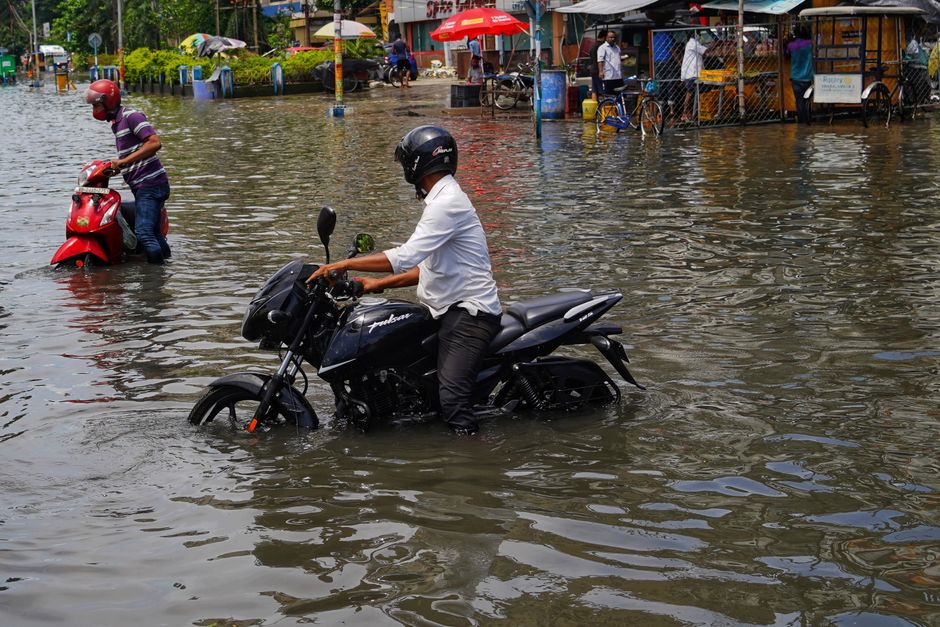
Nearly 100 Missing One Week After Devastating Floods Ravage Nigerian Town: Survivors Search for Loved Ones Amidst Widespread Destruction
The muddy, debris-strewn landscape of [Town Name], located in [State Name], Nigeria, paints a grim picture one week after torrential rains unleashed catastrophic floods. The scale of the disaster is still unfolding, with an estimated nearly 100 individuals still unaccounted for. These missing persons are feared to have been swept away by the raging waters that tore through homes, businesses, and infrastructure with terrifying speed and force. Survivors, many of whom have lost everything they own, are now engaged in a desperate, heartbreaking search for their missing family members and neighbors, their hope dwindling with each passing hour. The immediate aftermath saw a heroic, albeit chaotic, rescue effort by local communities and a limited number of emergency responders, but the sheer magnitude of the destruction has overwhelmed available resources, leaving many areas inaccessible and the full extent of the human toll tragically unknown.
The floods, triggered by [specific cause of flood, e.g., prolonged, relentless rainfall compounded by the release of water from a nearby dam, a natural dam breach, overflowing riverbanks], began on [Date of initial flood]. The initial downpour was relentless, turning streets into raging rivers and inundating low-lying areas within hours. Eyewitness accounts describe scenes of utter pandemonium as residents scrambled to higher ground, many with nothing but the clothes on their backs. Families were separated in the chaos, children lost, and the elderly and infirm, unable to flee quickly, became trapped in their homes as the water levels surged. The sound of rushing water, the splintering of wood, and desperate cries for help are etched into the memories of those who survived. The immediate focus for many was simply survival, finding any patch of land above the water and clinging to life.
One week on, the floodwaters have receded in some areas, revealing a devastating landscape of pulverized buildings, submerged vehicles, and a thick layer of viscous mud that coats everything. The smell of decay hangs heavy in the air, a stark reminder of the lives lost and the profound disruption. The search for the missing is a relentless and emotionally draining endeavor. Community members, fueled by a desperate hope, are sifting through the wreckage, calling out names, and digging through mud-caked debris, their faces etched with a mixture of grief, exhaustion, and unwavering determination. Each piece of cloth, each personal belonging unearthed, is a painful reminder of those who are gone, and a flicker of hope for those still searching. Local hospitals and temporary shelters are overwhelmed with the injured and displaced, adding another layer of urgency to the crisis.
The economic impact of the floods is catastrophic. [Town Name] was a [brief description of the town’s economic activity, e.g., bustling agricultural hub, a significant trading center]. Vast swathes of farmland have been rendered unusable, crops destroyed, and livestock washed away. Businesses, from small market stalls to larger enterprises, have been decimated, their inventory submerged and their premises reduced to rubble. This loss of livelihoods will have long-term consequences, threatening food security and economic stability for the entire region. Many residents relied on their daily earnings from these businesses and farms, and their immediate future is now uncertain, facing widespread unemployment and extreme poverty in the wake of the disaster. The infrastructure damage is also extensive, with roads washed out, bridges collapsed, and power lines downed, severely hindering relief efforts and communication.
Relief efforts are underway, but are proving to be woefully inadequate given the scale of the devastation. The Nigerian government has pledged assistance, and various non-governmental organizations (NGOs) and international aid agencies are beginning to mobilize. However, the remoteness of some affected areas, coupled with the damaged infrastructure, presents significant logistical challenges. Essential supplies such as food, clean water, medical aid, and temporary shelter are urgently needed. The lack of adequate sanitation in the makeshift camps where the displaced are seeking refuge raises serious concerns about the potential for disease outbreaks, particularly waterborne illnesses like cholera and typhoid. Medical teams are working tirelessly to treat the injured and prevent the spread of infection, but resources are stretched thin.
The stories emerging from the survivors are harrowing. [Include a brief, anonymized anecdote or general description of survivor experiences, e.g., "One woman recounts how she watched helplessly as the floodwaters rose, taking her home and her young son with it, before she was pulled to safety by neighbors. Another family lost three generations in the deluge, their home collapsing in seconds."] These personal narratives underscore the profound human tragedy unfolding in [Town Name]. The psychological toll on survivors is immense, with many grappling with trauma, loss, and the uncertainty of their future. Support services, including counseling and psychosocial assistance, are desperately needed but are currently scarce.
The national and international community is being urged to increase their support for the affected region. The immediate need is for humanitarian aid, but long-term recovery will require substantial investment in rebuilding infrastructure, restoring livelihoods, and providing ongoing support to the displaced population. The resilience of the Nigerian people is undeniable, and communities are already working together to support one another. However, the magnitude of this disaster demands a coordinated and sustained response from all levels of government and from international partners. The search for the missing continues, a stark and tragic testament to the destructive power of nature and the urgent need for preparedness and effective disaster response mechanisms. The coming weeks and months will be critical in determining the future of [Town Name] and its inhabitants as they navigate the arduous path towards recovery and rebuilding their lives from the ruins. The global search for effective flood mitigation strategies and early warning systems is amplified by this devastating event.
