The booming market for energy drinks and high-stimulant dietary supplements has drawn intense new scrutiny from the medical community following the presentation of striking preliminary research at the American Heart Association’s Scientific Sessions 2026. Investigators examining federal safety databases discovered an unexpectedly high frequency of serious cardiovascular emergencies—including cardiac arrests and heart attacks—associated with products containing concentrated doses of caffeine and other stimulants. While the findings do not definitively prove causation, they highlight a potentially severe public health risk, particularly among younger demographics who frequently consume these unregulated beverages and pre-workout powders under the assumption that they are entirely benign.
The investigation centered on an analysis of the U.S. Food and Drug Administration’s adverse event reporting systems, shedding light on a multi-billion-dollar industry that has largely operated outside the rigorous pre-market safety evaluations required for pharmaceutical drugs. With sales soaring past $20 billion in 2024 and continuing to climb, experts emphasize that public awareness regarding the cardiovascular dangers of excessive caffeine consumption has not kept pace with aggressive marketing campaigns that pitch these products as harmless lifestyle accessories.
Chronology of the Emerging Safety Crisis and Research Timeline
The modern landscape of caffeinated beverages and dietary supplements has evolved rapidly over the past two decades, transforming from niche athletic products into ubiquitous grocery store staples. To understand the trajectory of these safety concerns, researchers examined data spanning an eight-year window from 2017 through 2025.
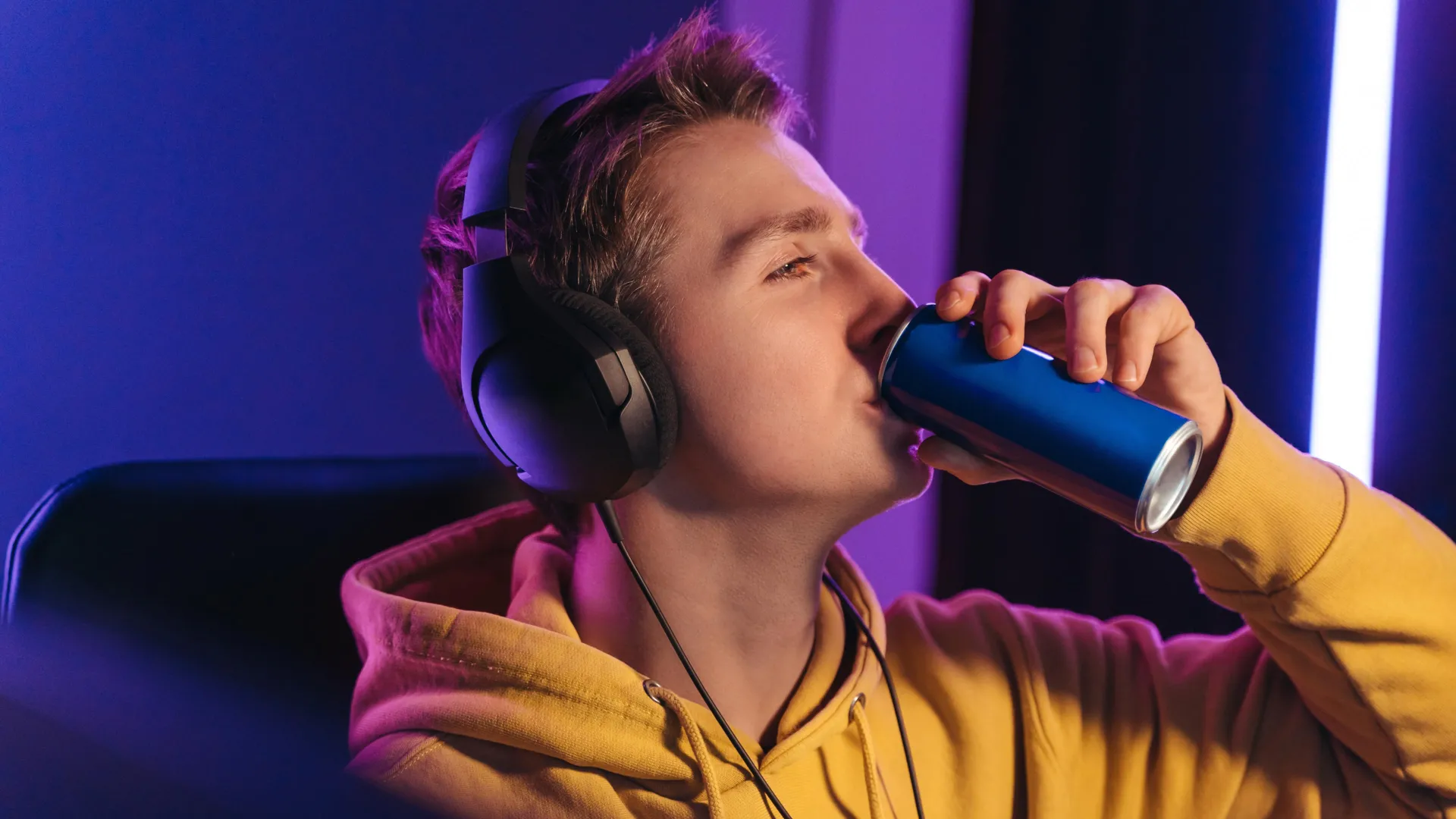
During this period, the consumption patterns of adolescents and young adults shifted dramatically, with energy drinks becoming a staple for studying, gaming, and athletic endurance. Concurrently, the concentration of active ingredients in these formulations escalated. While traditional caffeinated beverages contained modest amounts of stimulants, modern pre-workout supplements and specialty energy drinks began featuring caffeine concentrations up to twelve times higher than standard brewed coffee, often paired with secondary stimulants such as guarana, green tea extracts, and synephrine.
The culmination of this trend materialized at the American Heart Association’s Scientific Sessions 2026, where lead researcher Sai Samayamanthula and his team presented their comprehensive evaluation of FDA safety reports. By analyzing nearly three decades of accumulated adverse event data within their specific 2017–2025 study window, the research team identified a disproportionate clustering of severe cardiac events linked directly to stimulant-based products. This presentation has since ignited broader discussions among cardiologists, regulators, and public health officials regarding the need for more systematic post-market surveillance of dietary supplements.
Detailed Breakdown of the FDA Safety Data Analysis
To conduct their investigation, the research team performed a retrospective review of 28,345 adverse event reports submitted to federal safety databases between 2017 and 2025. Among these records, 854 entries specifically involved energy drinks or dietary supplements containing caffeine or other recognized stimulants. The remaining 27,491 reports formed a diverse control and comparison group, encompassing widely consumed products such as standard soft drinks, meal replacement shakes, protein bars, and general vitamins that lacked high-potency stimulant ingredients.
The researchers meticulously categorized the products based on their chemical composition. The stimulant category was defined broadly to include caffeine, methylxanthines (such as theobromine, guarana, yerba mate, and concentrated coffee or green tea extracts), and sympathomimetics (including synephrine, yohimbine, ephedra, DMAA, and higenamine).
When comparing the frequency of specific medical outcomes between the stimulant group and the comparison group, the researchers observed striking statistical disparities in how often cardiac events appeared in the reports. However, study authors and independent experts have issued strong caveats regarding the interpretation of these figures. The data reflects reporting frequencies within a voluntary adverse event database rather than a controlled epidemiological trial tracking a representative sample of the general population. Consequently, the findings indicate a profound safety signal—demonstrating that serious heart complications are disproportionately documented in conjunction with stimulant products—rather than establishing a direct, baseline risk multiplier for individual consumers.
Vulnerability Among Young Adults and Physiological Mechanisms
Perhaps the most alarming aspect of the research is the demographic concentration of the reported incidents. Individuals between the ages of 18 and 34 accounted for a disproportionately large share of the cardiovascular emergencies linked to caffeinated and stimulant-containing products.
Medical professionals and cardiologists have long understood that excessive caffeine intake can trigger acute cardiovascular stress. Most healthy adults can safely metabolize up to 400 milligrams of caffeine daily—roughly equivalent to five eight-ounce cups of regular brewed coffee—without experiencing adverse health effects, according to the 2026 American Heart Association Scientific Statement on caffeine and cardiovascular disease. However, a single commercial energy drink or specialized pre-workout supplement can deliver a massive bolus of caffeine and complementary stimulants that pushes an individual well past this threshold in a matter of minutes.
The physiological mechanisms connecting high-dose stimulants to cardiac events are well-documented in clinical literature. Caffeine and related compounds act as central nervous system stimulants, increasing heart rate, elevating blood pressure, and heightening myocardial oxygen demand. In susceptible individuals, these acute hemodynamic changes can provoke severe arrhythmias, coronary vasospasm, or electrical instability in the heart.
Researchers suggest several hypotheses to explain why young adults appear particularly vulnerable in the safety reports. Younger consumers may utilize high-stimulant products with greater frequency or in larger quantities, often combining them with intense physical exertion, inadequate sleep, or substances such as alcohol. Furthermore, younger populations may harbor undiagnosed, congenital heart conditions—such as long QT syndrome, hypertrophic cardiomyopathy, or subtle conduction system abnormalities—that remain entirely asymptomatic until triggered by an extreme surge of dietary stimulants.
Regulatory Gaps and Industry Oversight
A central theme emerging from the 2026 scientific findings is the regulatory framework governing the energy drink and supplement industries. Under current United States law, the FDA classifies energy drinks, herbal extracts, and dietary supplements as foods rather than pharmaceutical drugs.
This classification exempts manufacturers from conducting the rigorous, pre-market clinical trials and safety evaluations that pharmaceutical companies must complete before introducing a new medication to consumers. While the FDA monitors products after they reach the market and maintains the authority to recall items found to be dangerous, the burden largely rests on post-market surveillance systems, such as voluntary adverse event reporting databases.
Because these products are marketed as everyday beverages and displayed alongside ordinary soft drinks and bottled water in convenience stores and supermarkets, consumers naturally perceive them as entirely safe. Sai Samayamanthula, the study’s lead author and a fourth-year medical student at the University of Virginia School of Medicine, emphasized the psychological disconnect between product presentation and actual biological risk.
"These products are marketed as everyday pick-me-ups and sold next to soda and bottled water, so most people assume they carry no real risk," Samayamanthula noted. "For many healthy people, if these products are consumed occasionally, the risk is probably small. However, individuals who consume energy drinks or other stimulant-containing supplements regularly can quickly exceed the recommended daily limit for caffeine, so it’s important for people to know that there may be a risk of cardiovascular harm with these products."
Expert Perspectives and Methodological Limitations
While the study provides compelling data regarding the association between stimulants and cardiac emergencies, leading cardiologists caution against overinterpreting the results as definitive proof of direct causation.
Dr. Gregory M. Marcus, a prominent professor of medicine at the University of California, San Francisco School of Medicine and associate chief of Cardiology for Research at UCSF Health, served as the chair of the 2026 American Heart Association scientific statement on caffeine and cardiovascular disease. Though not directly involved in the new study, Dr. Marcus weighed in on its implications and inherent limitations.
"This study raises concerns that products with very high amounts of caffeine may be harmful to the cardiovascular system," Dr. Marcus stated. "Although there are biological reasons why that connection could be possible, the study does not prove that caffeine products cause these events, because other factors may have influenced the results found in this analysis. More research is needed to understand whether these stimulant products are truly responsible for the reported heart-related events."
Dr. Marcus highlighted the methodological constraints inherent in analyzing voluntary reporting databases. Because reports are submitted voluntarily by consumers, healthcare providers, and manufacturers, the database is subject to reporting biases and lacks a complete denominator. The data cannot account for the total number of individuals who consume these products safely without experiencing complications, nor does it capture individuals who suffered cardiac events but never filed a formal report. Consequently, it is mathematically impossible to calculate an individual’s absolute risk of experiencing a heart attack or cardiac arrest solely based on these registry figures.
Broader Public Health Implications and Recommendations
Despite these limitations, public health researchers and clinical practitioners agree that the findings serve as a vital warning sign. The identification of a strong signal linking high-stimulant products to severe cardiac events underscores the need for proactive medical screening and heightened consumer education.
Clinicians are being encouraged to expand their routine intake evaluations, particularly when treating younger patients who present with unexplained symptoms such as palpitations, chest pain, dizziness, or syncope (fainting spells). By specifically asking patients about their consumption of energy drinks, pre-workout powders, and herbal stimulant supplements, healthcare providers can identify potential dietary triggers before catastrophic events occur.
Furthermore, public health advocates are calling for improved transparency within the supplement industry. This includes clearer labeling of total caffeine content per container—rather than per serving, which can easily mislead consumers who drink an entire multi-serving beverage in one sitting—as well as prominent warning labels regarding the cardiovascular risks associated with excessive stimulant intake.
As research into the long-term and acute cardiovascular effects of highly concentrated dietary stimulants continues to evolve, the medical community urges moderation and mindfulness among consumers. While an occasional cup of coffee or moderate caffeine intake remains well within safe physiological parameters for the majority of adults, the unchecked proliferation of high-potency stimulant products demands a more rigorous approach to both personal consumption and federal safety oversight.