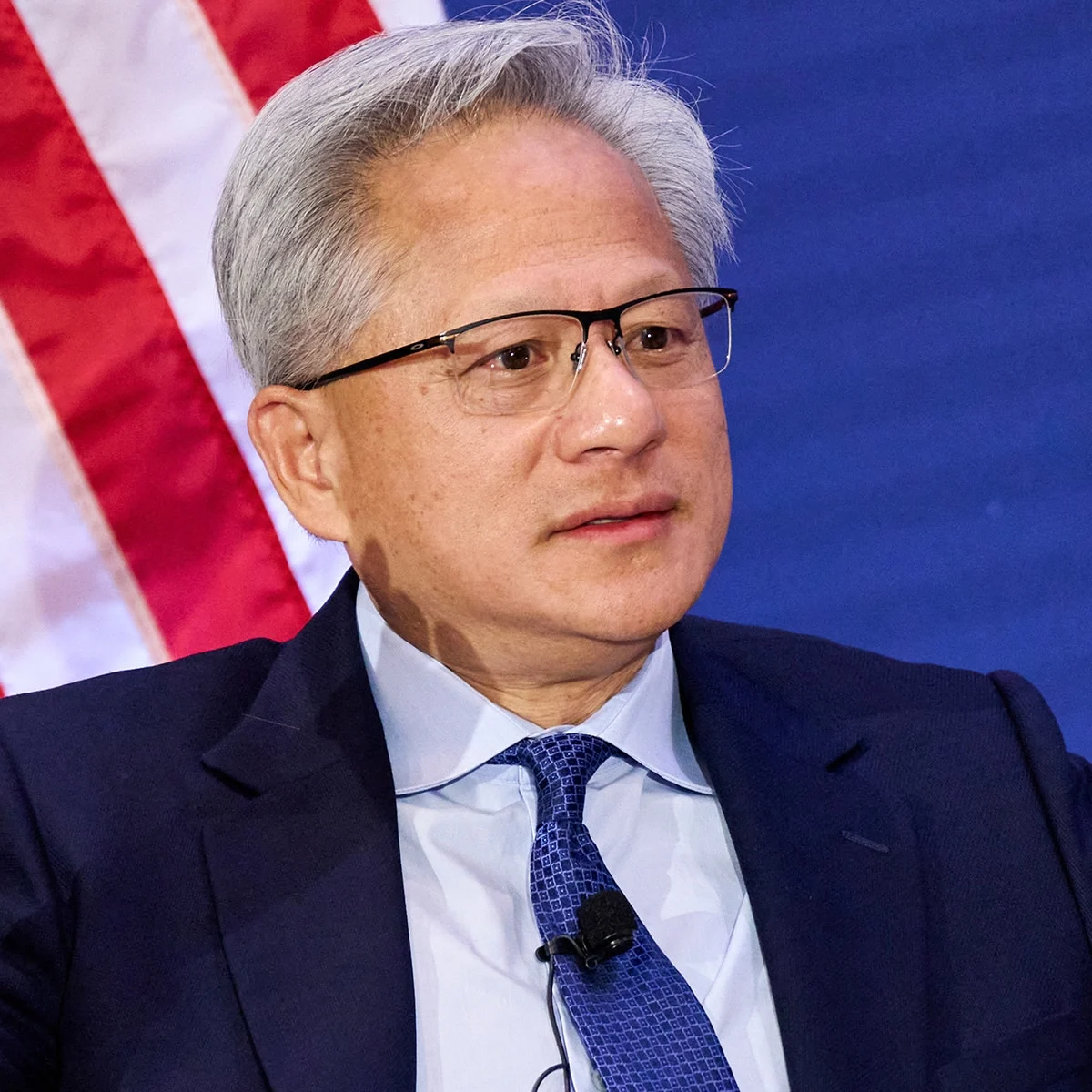
The intersection of global geopolitics, corporate governance, and high-profile personal scandal collided unexpectedly when Nvidia Chief Executive Officer Jensen Huang publicly admitted to an extramarital affair with a woman whom U.S. intelligence officials suspect of operating as a foreign intelligence asset. The revelation, which has sent shockwaves through Silicon Valley and Washington alike, reads less like a standard corporate misdemeanor and more like a geopolitical thriller, instantly transforming one of the world’s most influential technology leaders into the center of a national security inquiry.
The fallout from the disclosure has triggered an immediate independent investigation by Nvidia’s Board of Directors, forced a rare public confession from one of the tech industry’s most revered executives, and drawn sharp scrutiny from U.S. lawmakers. While the unfolding narrative contains elements of international intrigue—including alleged ties to China’s Ministry of State Security—both the company and its embattled chief executive maintain that core proprietary technology and American national security remain uncompromised.
The Confession and Corporate Apology
The scandal broke into the public domain following the release of a company-wide memorandum issued by Huang, which was subsequently published on Nvidia’s official newsroom portal. In the November 8 message, the 63-year-old billionaire and father of two adult children did not attempt to deflect blame or minimize the gravity of his actions.
"I was unfaithful to my wife. My actions hurt her and our children. There is no excuse for what I did. I am deeply sorry," Huang wrote in the statement. He continued, "Throughout my life, my family has given me love and support. They deserve my honesty and loyalty. Instead, I let them down and damaged the life we built together. I take full responsibility for what I did and the hurt I caused, and I accept the criticism that comes with it."
Recognizing the gravity of his position at the helm of the world’s premier artificial intelligence infrastructure and gaming hardware powerhouse, Huang directly addressed his employees and shareholders. Standing at the apex of the AI revolution, Huang noted that leading Nvidia has been the privilege of his life, adding that his primary responsibility is to serve stakeholders and remain worthy of their trust.
"I have fallen short of that responsibility," Huang acknowledged. "I am fully committed to NVIDIA and will work to earn back your confidence."
The Geopolitical Dimension: Allegations Involving Alice Huang
While the personal dimensions of the scandal are striking, the primary gravity of the situation stems from the identity of the woman involved and the conclusions drawn by federal intelligence agencies. According to extensive investigative reports published by The New York Times and the Financial Times, alongside confirmations provided to NBC News by sources familiar with the matter, the woman involved is Alice Huang (no relation to the Nvidia CEO), a Chinese businesswoman.
U.S. intelligence assessments concluded that Alice Huang was recruited to act as an intelligence operative for China’s Ministry of State Security. In the realm of modern corporate espionage, relationships between high-ranking executives of critical infrastructure companies and suspected foreign agents represent a classic vulnerability, frequently categorized by security analysts as a potential vector for intelligence gathering or leverage.
The revelation immediately caught the attention of federal oversight committees and national security hawks in Washington. Reports indicate that lawmakers, including prominent figures such as Senator Marco Rubio, began reviewing the implications of the relationship, questioning whether the world’s leading designer of advanced artificial intelligence chips could have inadvertently exposed sensitive operational vectors or strategic economic data to a foreign adversary.
In stark contrast to the findings of U.S. intelligence agencies, the Chinese government has forcefully denied the allegations. Speaking on November 9, Chinese Ministry of Foreign Affairs spokesperson Guo Jiakun dismissed the reports during a press briefing, characterizing the claims as entirely groundless. According to statements reported by The Associated Press, Guo stated, "The so-called Chinese spy allegation is unsubstantiated," and dismissed the accusations as "nothing but smears."
Alice Huang herself has not issued a public statement addressing the allegations, nor has she responded to formal requests for comment from major journalistic outlets including The New York Times.
Chronology of Events
The unfolding timeline reveals a rapid escalation from private intelligence assessments to a sweeping public crisis:
- November 7: U.S. intelligence agencies formally brief key stakeholders, and sources confirm to outlets like NBC News that investigations have identified Alice Huang as a suspected operative for China’s Ministry of State Security, noting her historical engagement with Jensen Huang.
- November 8: Jensen Huang issues a candid, company-wide memorandum confessing to the extramarital affair and taking full personal responsibility. Simultaneously, The New York Times and the Financial Times publish investigative reports detailing the national security implications and the identity of Alice Huang.
- November 8: Nvidia’s Board of Directors releases an official statement announcing the initiation of an independent investigation into the matter, while reassuring the public that initial reviews suggest no compromise of company secrets or national security.
- November 9: Beijing formally responds through Ministry of Foreign Affairs spokesperson Guo Jiakun, labeling the intelligence community’s suspicions as unsubstantiated smears.
- Ongoing: Federal oversight bodies monitor the situation, while Nvidia’s independent board committee continues its exhaustive review of the executive’s actions and potential exposure areas.
Nvidia Board Response and Corporate Governance
As the corporation grapples with the fallout, Nvidia’s Board of Directors has moved swiftly to establish a perimeter around the company’s core operations. In a formal statement released in tandem with Huang’s confession, the Board announced the immediate launch of an independent investigation to determine the exact nature and scope of the relationship, as well as any potential risks to proprietary assets.
Crucially, the Board sought to reassure financial markets, enterprise clients, and federal regulators regarding the integrity of the company’s intellectual property. The statement explicitly noted that the Board currently has no reason to believe that "either national security or NVIDIA secrets were compromised" as a result of the executive’s personal conduct.
Furthermore, despite the gravity of the allegations involving a foreign intelligence suspect, the Board expressed a vote of confidence in its foundational leader. "The Board has confidence in Jensen and his leadership team and will provide further updates as appropriate," the directors stated, signaling that an immediate ousting of the visionary CEO is unlikely barring catastrophic findings from the independent probe.
Huang, for his part, has pledged total transparency and cooperation with the internal inquiry. In subsequent remarks emphasizing his patriotism, Huang stated, "I love our country and our company. I am committed to protecting NVIDIA and supporting America’s national security. I am proud and grateful to be an American."
Broader Economic and National Security Implications
The scandal arrives at a uniquely sensitive juncture for Nvidia and the broader technology sector. As the undisputed titan of the artificial intelligence hardware market—producing the specialized graphics processing units (GPUs) that power everything from generative AI large language models to advanced military simulations—Nvidia sits at the very center of U.S. technological hegemony.
In recent years, the geopolitical competition between the United States and China over semiconductor technology has intensified dramatically. Washington has implemented stringent export controls designed to restrict China’s access to advanced AI chips, making Nvidia both a critical national asset and a primary target for foreign intelligence operations seeking to bridge technological gaps.
Security experts note that corporate executives at the vanguard of critical infrastructure sectors frequently find themselves targeted by sophisticated foreign intelligence services utilizing human intelligence assets, commonly referred to in security parlance as "honey traps." While the independent board review has yet to uncover evidence of a security breach, the mere fact that the CEO of a foundational AI enterprise engaged in an intimate relationship with an individual suspected of espionage highlights vulnerabilities in executive security protocols.
The implications of the investigation extend far beyond corporate governance. Should the independent review or subsequent federal inquiries uncover any transfer of sensitive knowledge—even inadvertently—it could trigger severe regulatory penalties, congressional hearings, and potentially force a reassessment of how executive leadership is vetted and secured against foreign influence operations.
For now, Nvidia’s leadership remains intact as markets and regulators await the definitive conclusions of the independent board investigation. As the intersection of tech supremacy and international espionage continues to evolve, the case of Jensen Huang stands as a stark reminder that in the era of artificial intelligence, the security of a nation may rely as heavily on the personal discretion of its corporate titans as it does on its traditional defense infrastructure.