The runways of New York Fashion Week (NYFW) frequently dictate the upcoming season’s must-have items, setting the tone for retail markets worldwide. During the recent collections showcased in New York City, a distinct trend emerged across multiple major designer showcases: the ubiquitous presence of the silk scarf and bandana. Far from being a traditional, highly polished accent of decades past, the lightweight silk accessory returned to the forefront of contemporary fashion with a modern, genderless, and seasonless versatility. Fashion analysts and industry insiders have identified this resurgence as one of the most accessible and practical trends to transition seamlessly from the runway to everyday consumer wardrobes.
The Evolution of the Silk Scarf: From Old Hollywood to Modern Runways
Historically, silk scarves have occupied a revered place in sartorial history. Throughout the mid-20th century, icons of old Hollywood—such as Audrey Hepburn, Grace Kelly, and Brigitte Bardot—popularized the head-wrapped silk scarf as a symbol of effortless elegance, luxury, and practical protection against the elements during convertible rides or ocean voyages. Later, corporate and high-fashion circles adopted the accessory as a rigid statement of polish, often tied neatly around the neck or affixed to the handle of designer handbags.
However, the modern revival observed during New York Fashion Week dismantles these traditional styling constraints. Contemporary designers and independent accessory brands are challenging the notion that silk scarves require formal or conservative attire. Yong Wang, co-founder of the handmade silk hair accessory brand OLAH, noted the shift in philosophy driving the current trend.
“What feels exciting now is that there are no rules anymore,” Wang observed. “In the past, silk scarves were often styled in a very polished or traditional way, but today people are approaching them with much more creativity. The modern approach is also much more genderless and seasonless. Silk scarves are no longer reserved for a certain type of dresser or occasion.”
This evolution reflects a broader movement within the fashion industry toward utilitarian yet luxurious accessories. Consumers are increasingly seeking items that offer both aesthetic value and functional benefits—such as hair protection and comfort—without demanding an exorbitant financial investment.
Chronology and Integration into Fall and Winter Wardrobes
The integration of silk scarves into autumn and winter collections represents a notable departure from seasonal dressing norms. Traditionally, heavier fabrics such as wool, cashmere, and chunky knits dominate cold-weather fashion calendars. The prominent feature of lightweight silk during September collections signaled a deliberate shift toward transitional, layer-friendly styling.
As temperatures begin to drop, fashion stylists recommend using silk bandanas and square scarves to offset the heavy, neutral layers typical of autumn wardrobes. According to industry trend reports tracking street style outside major NYFW venues, attendees layered silk accessories in unexpected ways weeks before the official retail push for fall items.
The styling timeline for the trend typically spans three distinct phases:

- Early Fall Transition (September–October): Consumers utilize silk scarves as lightweight neckerchiefs or head coverings to combat brisk morning air without overheating during unseasonably warm afternoon temperatures.
- Peak Autumn Layering (November): Silk squares and bandanas are integrated with oversized blazers, leather jackets, and vintage denim, serving as a subtle pop of texture or contrast against heavier fabrics.
- Year-Round Functional Integration (December and Beyond): Hair-focused applications gain traction, with wearers utilizing mulberry silk scarves to reduce frizz and friction caused by winter wool hats and scarves.
Comprehensive Styling Guide: How to Wear the Trend
The versatility of the silk scarf lies in its adaptability across various parts of the body and wardrobe configurations. Industry experts and stylists have categorized the most effective ways to incorporate silk accessories into daily wear based on current street style data and runway presentations.
1. The Head-Wrapped Statement
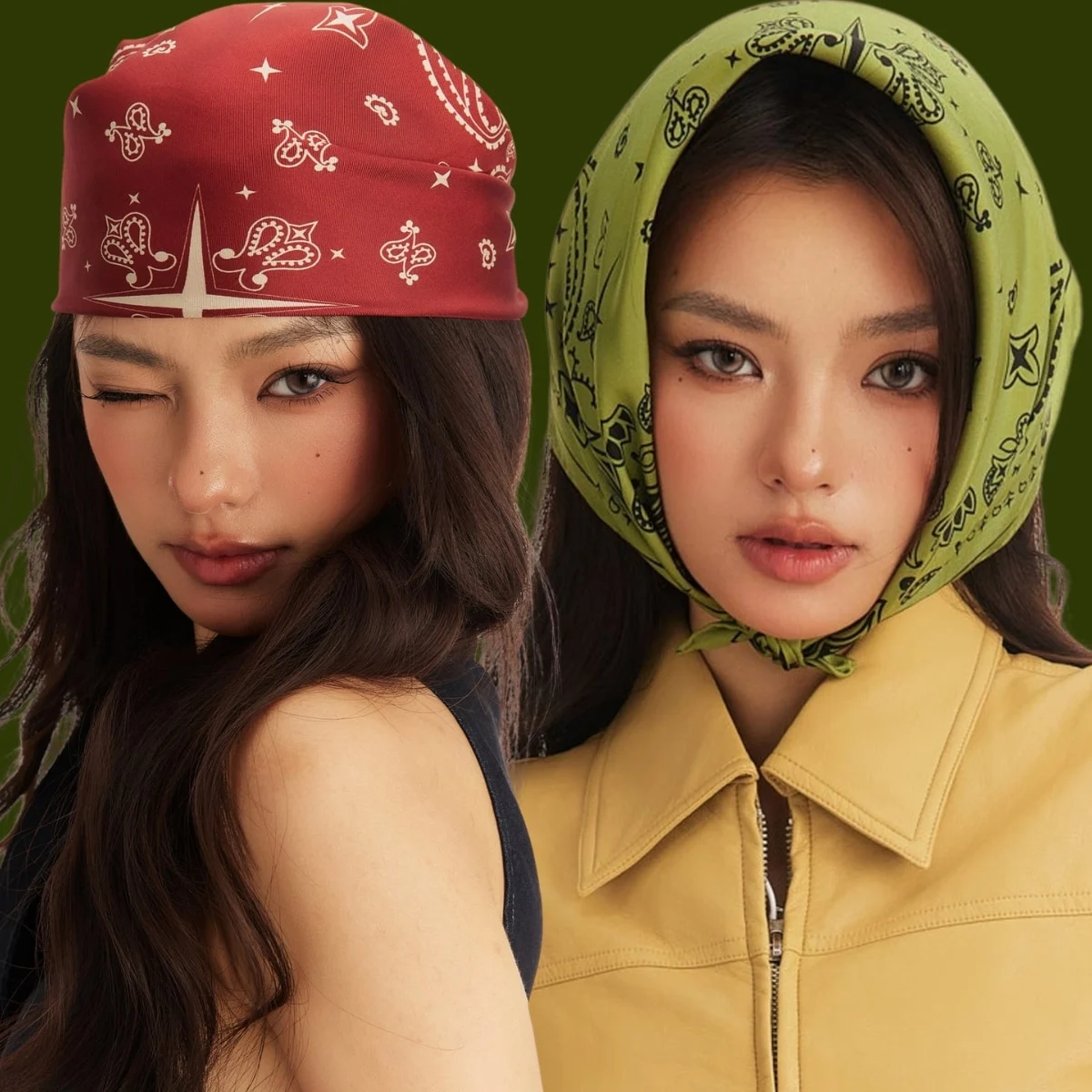
Styling a silk scarf around the head remains one of the season’s most visually striking applications. Beyond its aesthetic appeal, which evokes classic cinematic glamour when paired with modern streetwear like leather outerwear or tailored blazers, the technique serves a functional purpose. Tying a scarf securely around the head helps maintain hairstyles during windy autumn days. For individuals with finer hair types where smooth silk might slip, stylists recommend securing the knot at the nape of the neck or utilizing bobby pins for stability.
2. The Neckerchief Approach
For environments or weather conditions that do not yet warrant heavy winter scarves, the neckerchief method offers a preppy, sophisticated alternative. Depending on the dimensions of the scarf—whether a standard square or a longer rectangular format—wearers can tie the knot neatly at the front, drape it casually to the side, or let the ends fall loosely over the shoulders. This method immediately elevates basic ensembles, such as a plain white t-shirt and denim, requiring minimal effort from the wearer.
3. Waist and Hip Accents
For those preferring to keep accessories away from the face and neck, threading a silk scarf through belt loops or tying it dynamically around the waist and hips introduces an unexpected element of movement, color, and texture. This approach breathes new life into standard denim or trousers, offering a customized look that breaks up monochromatic outfits.
4. Hair Care and Protection
Beyond visual styling, silk accessories have gained significant traction within the beauty and wellness sector. High-grade mulberry silk—particularly variations measured at 16 momme or higher—possesses natural properties that minimize friction against hair cuticles. Wearing a silk scarf as a headband, scrunchie wrap, or nighttime bonnet helps reduce frizz, breakage, and moisture loss, merging personal style with practical hair maintenance.
Market Overview and Accessible Luxury Options
The accessibility of the silk scarf trend has contributed significantly to its widespread adoption. While luxury fashion houses offer high-end interpretations, numerous independent designers and accessible retailers provide 100% mulberry silk options that mimic the quality and hand-feel of designer counterparts without prohibitive price points.
Key market offerings demonstrating the breadth of the trend include:
- OLAH Paisley Silk Bandana Scarf: Crafted from 100% mulberry silk with hand-rolled edges, offering traditional patterns in classic colorways designed for multi-purpose wear.
- Onllh Mulberry Silk Light Scarves: An economical entry point for consumers experimenting with lightweight neckerchiefs and diverse color palettes.
- Hello Updo 100% Silk Head Scarf: Focused specifically on hair health, utilizing high-momme mulberry silk to reduce friction and eliminate frizz.
- Gap 100% Silk Bandana: Showcasing contemporary seasonal hues, such as chocolate brown paired with playful polka dots, aligning with autumn color theory.
- Quince 100% Silk Printed Square Scarf: Offering a fluid, luxurious drape suitable for neck, head, or waist styling at an accessible direct-to-consumer price point.
- Andantino Mulberry Silk Square Scarf: Providing an array of vibrant shades and patterns, reinforcing the affordability of the trend.
- Madewell Medium Silk Bandana: Ranging across numerous bold and neutral colorways to cater to diverse styling preferences.
- Lost Pattern Retro Polka Silk Bandana Scarf: Featuring vintage-inspired motifs, olive green tones, and meticulous hand-stitched finishing for a sophisticated aesthetic.
Economic and Cultural Implications
The resurgence of the silk scarf trend highlights a broader consumer shift toward versatile, high-utility wardrobe investments. In an economic climate where consumers increasingly scrutinize discretionary spending on apparel, multi-functional accessories that can be worn across different seasons and body placements represent high cost-per-wear value.
Furthermore, the democratization of the trend—fueled by accessible direct-to-consumer brands and fast-fashion interpretations alike—demonstrates the powerful influence of runway reporting and social media street style documentation. As consumers continue to blur the lines between casual streetwear and elevated tailoring, the silk scarf remains uniquely positioned as a timeless yet adaptable staple for the foreseeable future.