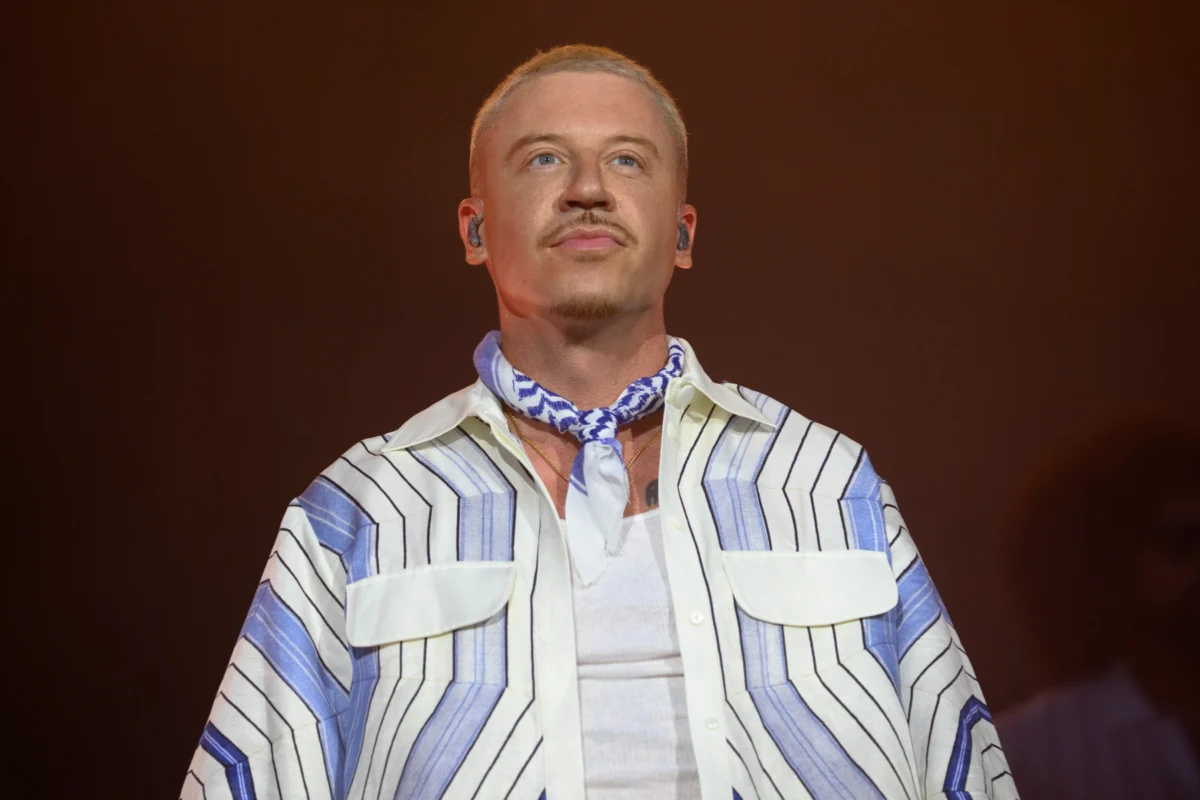
The intersection of celebrity activism, geopolitical discourse, and the corporate control of performance venues has culminated in a significant industry rupture, as rapper Macklemore announced a $1 million donation to humanitarian organizations supporting Palestinians. This financial commitment arrives in the wake of his forced departure from Ed Sheeran’s "Loop" tour, a move the rapper alleges was orchestrated by New England Patriots owner Robert Kraft. The controversy, which has dominated music industry headlines throughout the week, has sparked a broader conversation regarding free speech, the influence of stadium owners in artistic programming, and the role of high-profile figures in shaping international policy debates.
Chronology of the Dispute
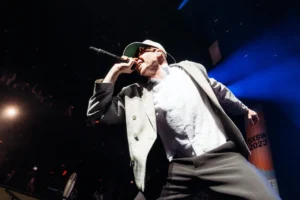
The escalation of tensions began earlier this month during a performance at MetLife Stadium in New Jersey. During the set, Macklemore, a vocal proponent of Palestinian rights, utilized the platform to express solidarity with the people of Gaza and the West Bank. He explicitly called for a "Free Palestine" and projected imagery documenting the humanitarian crisis and destruction occurring in the region.
Following the performance, the artist faced immediate pushback from pro-Israel advocacy groups who characterized his rhetoric as inflammatory. According to subsequent statements provided by Macklemore, Robert Kraft—the billionaire owner of the New England Patriots and an influential figure in the venue management landscape—took a direct role in addressing these grievances. Macklemore alleged that Kraft informed Ed Sheeran that he would not be permitted to perform at Gillette Stadium, a venue owned by the Kraft Group, while Macklemore remained on the bill.
The situation worsened when, according to the rapper, Kraft allegedly rallied other venue owners across the country to present a unified ultimatum to Sheeran: keep Macklemore on the tour and lose access to multiple major stadiums. By Monday, the pressures exerted on the tour’s logistical operations resulted in the official announcement that Macklemore would be removed from the remainder of the tour’s lineup.
The Humanitarian Response
In a formal statement released Wednesday, Macklemore addressed the controversy by shifting the focus back to the humanitarian crisis in the Middle East. He pledged $1 million—representing his total net earnings from the tour—to a coalition of six relief organizations: the Palestine Children’s Relief Fund, HEAL Palestine, the Gaza Soup Kitchen, Medical Aid for Palestinians, the United Nations Relief and Works Agency (UNRWA) USA, and Anera.
"Whatever we disagree about, perhaps we can agree on this: Palestinian lives are worth protecting," Macklemore wrote in his announcement. He explicitly challenged Robert Kraft to match the donation, framing the contribution as an effort to support those working on the ground in a region facing extreme resource scarcity.
The rapper noted that his contribution was a "least costly form of solidarity," emphasizing that his primary intent was to center the lives of medical professionals, aid workers, and civilians currently caught in the conflict. He reiterated that while he recognizes the importance of charitable aid, he believes the current situation in Gaza and the West Bank requires fundamental, long-term political change to address the systemic nature of the occupation.
Official Responses and Industry Repercussions
Robert Kraft confirmed his decision to block Macklemore from performing at Gillette Stadium, citing the artist’s "recent actions" and "material shared from the stage." In an official statement, a representative for Kraft noted that the decision was based on what the organization described as a "broader history of antisemitic rhetoric and imagery" that they believe is offensive to the Jewish community. Kraft’s camp did not directly respond to the allegations regarding his coordination with other stadium owners to remove the artist from other tour dates.
Ed Sheeran, caught in the middle of the dispute, expressed his frustration in a public statement. He noted that he spent the week attempting to mediate between the various parties involved but was ultimately unable to resolve the impasse. Sheeran emphasized his desire to "build bridges," though the result was a significant fracturing of his touring support.
The aftermath saw a domino effect of professional solidarity. Several other opening acts, including Lukas Graham and Aaron Rowe, withdrew from the North American leg of the tour in protest. Additionally, the traditional Irish folk band Beoga ceased their performances with Sheeran, and the artist Finneas announced his departure from the upcoming South American leg of the tour.
The Role of Venue Owners in Artistic Expression
The incident has highlighted the immense, often opaque power wielded by major stadium owners in the entertainment industry. Unlike public squares, stadiums are private entities that grant owners significant latitude to dictate who may perform based on the content of their message.
Legal experts and industry analysts note that while artists generally enjoy the protection of free speech, those protections do not shield them from the consequences of private contracts. When a venue owner deems an artist’s political stances to be a violation of their code of conduct or contrary to their corporate values, they hold the contractual leverage to deny them access. This case serves as a prime example of the "chilling effect" that can occur when private entities act as arbiters of permissible public discourse.
Broader Implications for Political Activism in Music
The controversy surrounding Macklemore is part of a larger trend of artists facing professional consequences for taking stances on the Israel-Palestine conflict. Throughout the past year, various musicians have been pressured by fans, managers, and venue representatives to remain neutral or to avoid specific political statements.
Supporters of Macklemore argue that the pressure campaign against him is an attempt to silence dissenting voices regarding the war in Gaza. Conversely, groups that advocated for his removal argue that his rhetoric, particularly when projected to large, captive audiences at major sporting venues, moves beyond political critique and into the realm of harmful, antisemitic discourse.
The political fallout has extended to government officials as well. Representatives such as Alexandria Ocasio-Cortez have voiced support for the artist, framing the situation as a dangerous precedent for corporate censorship. Meanwhile, other lawmakers have defended the rights of venue owners to protect their brand and their communities from what they describe as hateful rhetoric.
Data on Humanitarian Needs in the Region
The organizations Macklemore has chosen to fund are currently operating under extreme duress. According to data from the United Nations and various international aid agencies, the humanitarian situation in Gaza has reached a critical threshold. The destruction of medical infrastructure has left thousands without access to basic surgical care, clean water, or vaccinations.
- Palestine Children’s Relief Fund: Focuses on providing specialized medical care for children who cannot be treated locally due to the collapse of the healthcare system.
- Medical Aid for Palestinians (MAP): Works to provide emergency medical supplies and essential healthcare services to hospitals currently operating under critical shortages.
- Anera: Primarily involved in the distribution of food, water, and hygiene kits to displaced families in both Gaza and the West Bank.
Macklemore’s move to tie his earnings to these specific organizations serves to highlight the scale of the crisis. By donating $1 million, he is not only providing immediate financial relief but also drawing public attention to the operational challenges these groups face, such as the restricted flow of aid across border crossings and the constant threat to personnel on the ground.
Conclusion: An Uncertain Future for Touring Artists
As the "Loop" tour continues—with the next scheduled performance set for Philadelphia—the broader implications of this dispute remain to be seen. The music industry is currently grappling with how to balance the rights of artists to express personal political convictions against the business interests of multinational stadium conglomerates.
For now, the standoff between Macklemore and the interests represented by figures like Robert Kraft serves as a focal point for the wider global debate over the Israeli-Palestinian conflict. Whether this will lead to a new standard for contractual clauses in touring agreements or if it will embolden other artists to take similar stances remains a point of intense speculation. For the moment, the primary result of this public conflict has been a massive infusion of capital into humanitarian aid for a region defined by its ongoing instability and urgent, unmet needs.