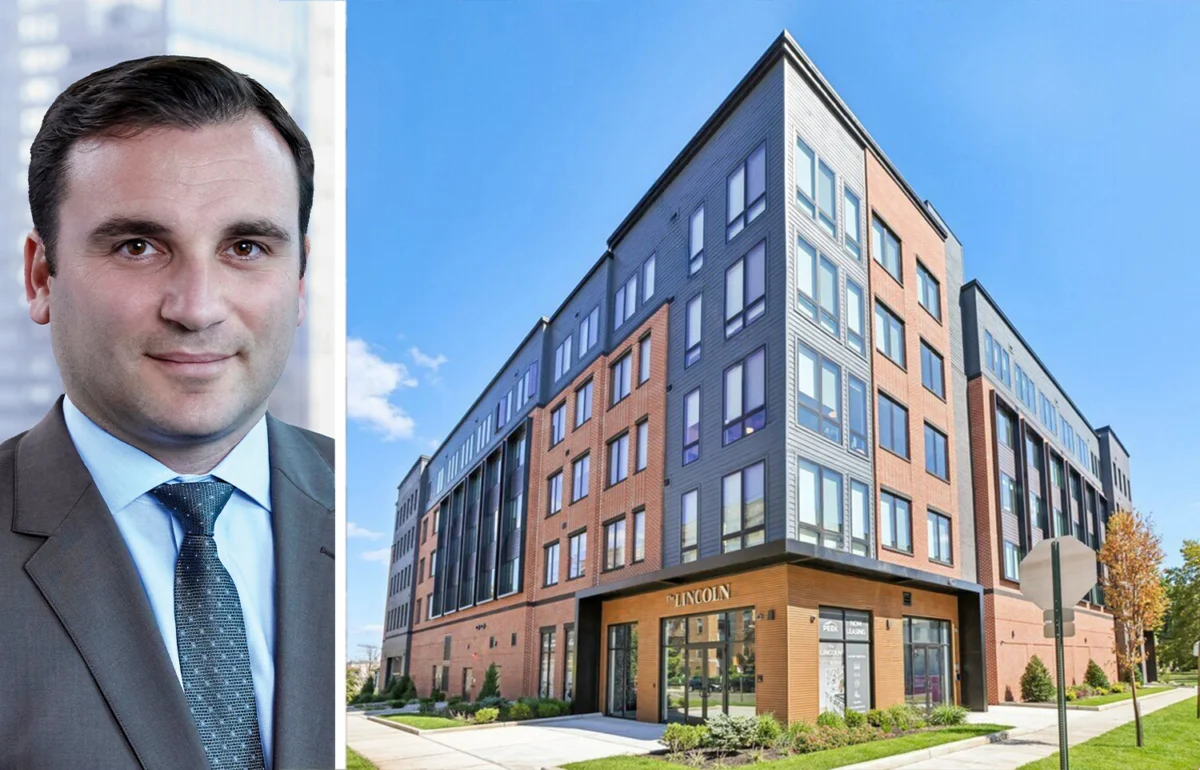
Orange, New Jersey, has solidified its position as a burgeoning hub for transit-oriented luxury living with the successful financial stabilization of The Lincoln, a prominent 102-unit residential development located at 407 Highland Avenue. PEEK Capital, an investment arm of the well-established regional developer PEEK Properties, announced this week that it has secured a $29.5 million bridge loan to facilitate the next stage of the property’s lifecycle. This strategic financing, provided by Lightstone Capital—the real estate debt platform of the Lightstone Group—marks a critical milestone for the project, which only recently received its final certificate of occupancy in September 2024.
The transaction, which was expertly facilitated by Daniel Cohen of the advisory firm Ackman-Ziff, serves dual purposes: it provides the necessary capital to fuel the building’s ongoing lease-up phase while simultaneously refinancing the initial construction debt provided by Amboy Bank earlier in the year.
A Strategic Move in a Competitive Market
The decision to transition from construction financing to a bridge facility underscores the rapid pace at which the Essex County multifamily market is evolving. By securing this $29.5 million infusion, PEEK Properties is effectively able to repatriate equity early in the leasing process, a move that provides the developer with increased liquidity to pursue other projects within its robust pipeline.
“Peek Properties is a best-in-class sponsor, and Lightstone executed flawlessly on this pre-stabilization bridge loan, which allowed Peek to repatriate equity early in the leasing process,” Daniel Cohen said in a statement following the deal’s closing.
For Lightstone Capital, the loan represents a calculated bet on the strength of the New Jersey suburban rental market. Eugene Rozovsky, senior managing director at Lightstone Capital, emphasized that the firm remains bullish on well-positioned assets that are nearing the stabilization threshold. “Newly built multifamily properties with proven sponsorship track records have always presented attractive lending opportunities as they transition towards stabilization,” Rozovsky noted.
The Evolution of The Lincoln and the Orange Pipeline
The Lincoln stands as a physical manifestation of the urban revitalization efforts currently transforming Orange and neighboring East Orange. Spanning a full city block and rising five stories, the project is designed to cater to a demographic of commuters who have been increasingly priced out of the soaring rental markets in New York City and Jersey City.
The building’s proximity to transit—specifically its location just one block from the New Jersey Transit Highland Avenue station—is its primary competitive advantage. This transit-oriented development (TOD) allows residents a seamless commute into Newark and Midtown Manhattan’s Pennsylvania Station, positioning the property as an ideal base for professionals working in the New York metropolitan area.
The development is a cornerstone of PEEK Properties’ broader strategy in Essex County. The firm currently maintains a significant footprint in the area, with a portfolio that includes at least six new construction multifamily projects in Orange and several value-add renovations in East Orange. According to Philip J. Evanski, managing partner of PEEK Capital and PEEK Properties, the interest in the project has remained resilient. “The Lincoln continues to attract strong interest from prospective residents, and this refinancing marks an important milestone in the life cycle of the property,” Evanski stated.
Market Context: Why Orange is Seeing Growth
The surge in high-end rental development in Orange is not an isolated phenomenon but rather part of a structural shift in the Northern New Jersey real estate landscape. As remote and hybrid work models have stabilized, the demand for "suburban luxury" has intensified. Renters are increasingly seeking amenities-rich, modern construction that offers more square footage than what is typically affordable in Manhattan or Brooklyn, without sacrificing access to regional transit hubs.
Data from the region indicates that towns like Orange and East Orange are experiencing a renaissance driven by significant private capital investment. These municipalities have benefited from proactive zoning changes that encourage high-density residential development near train stations. For developers, these towns offer a lower cost of entry compared to the primary gold-coast markets like Hoboken or Jersey City, yet they provide similar connectivity to major job centers.
The Lincoln’s successful financing follows a broader trend of activity for Lightstone Capital. The firm has been aggressively expanding its footprint in the multifamily debt space, signaling a confidence in the resilience of residential assets despite broader macroeconomic headwinds, such as high interest rates and construction costs. For instance, in July, the platform provided a $34 million loan to refinance the Kaya Apartments in San Diego, illustrating that their strategy of backing high-quality, transit-proximate multifamily assets is being applied on a national scale.
Chronology of Development
The journey of 407 Highland Avenue from a development site to a stabilized asset reflects the typical, yet high-stakes, timeline of modern urban construction:
- Pre-2024: PEEK Properties identifies the Highland Avenue site as a strategic location for luxury multifamily development, citing its transit accessibility.
- Early 2024: PEEK secures $20.5 million in construction financing from Amboy Bank to commence work on the 102-unit building.
- September 2024: The construction reaches completion, and the property receives its final certificate of occupancy. Leasing efforts for the one- and two-bedroom residences officially begin.
- Late 2024: Following strong initial interest from prospective tenants, PEEK Capital negotiates the $29.5 million bridge loan with Lightstone Capital.
- Closing: The transaction is finalized, allowing for the repayment of the Amboy Bank construction loan and the initiation of the stabilization phase.
Implications for Future Development
The successful financing of The Lincoln serves as a positive indicator for developers operating in secondary markets. It demonstrates that institutional lenders remain eager to participate in deals where the sponsor has a proven track record and the asset is located in a high-demand, transit-rich corridor.
However, the transaction also highlights the shifting reliance of developers on bridge financing. As projects move from the construction phase to the operational phase, the ability to secure bridge loans is critical for managing capital stacks and ensuring that cash flow can be reinvested into the next generation of projects.
As PEEK Properties continues its aggressive expansion in Orange, the market will likely watch how the remaining units at The Lincoln lease up. If the project continues to maintain its current momentum, it could pave the way for further investment in the Highland Avenue corridor, potentially incentivizing additional retail and service-oriented development in the immediate vicinity to support the growing residential population.
For the residents of Orange, the project represents a modernization of the local housing stock. For the broader investment community, it serves as a case study in how transit-oriented development can successfully bridge the gap between suburban living and urban accessibility, providing a blueprint for sustainable growth in the post-pandemic real estate economy.
With this latest infusion of capital, The Lincoln is well-positioned to complete its lease-up phase and transition into a stabilized, income-generating asset, cementing its role as a key player in the ongoing transformation of the Orange housing market. As interest rates fluctuate and market conditions evolve, the ability of firms like PEEK Capital to secure such financing will remain a vital component in the continued evolution of New Jersey’s residential landscape.