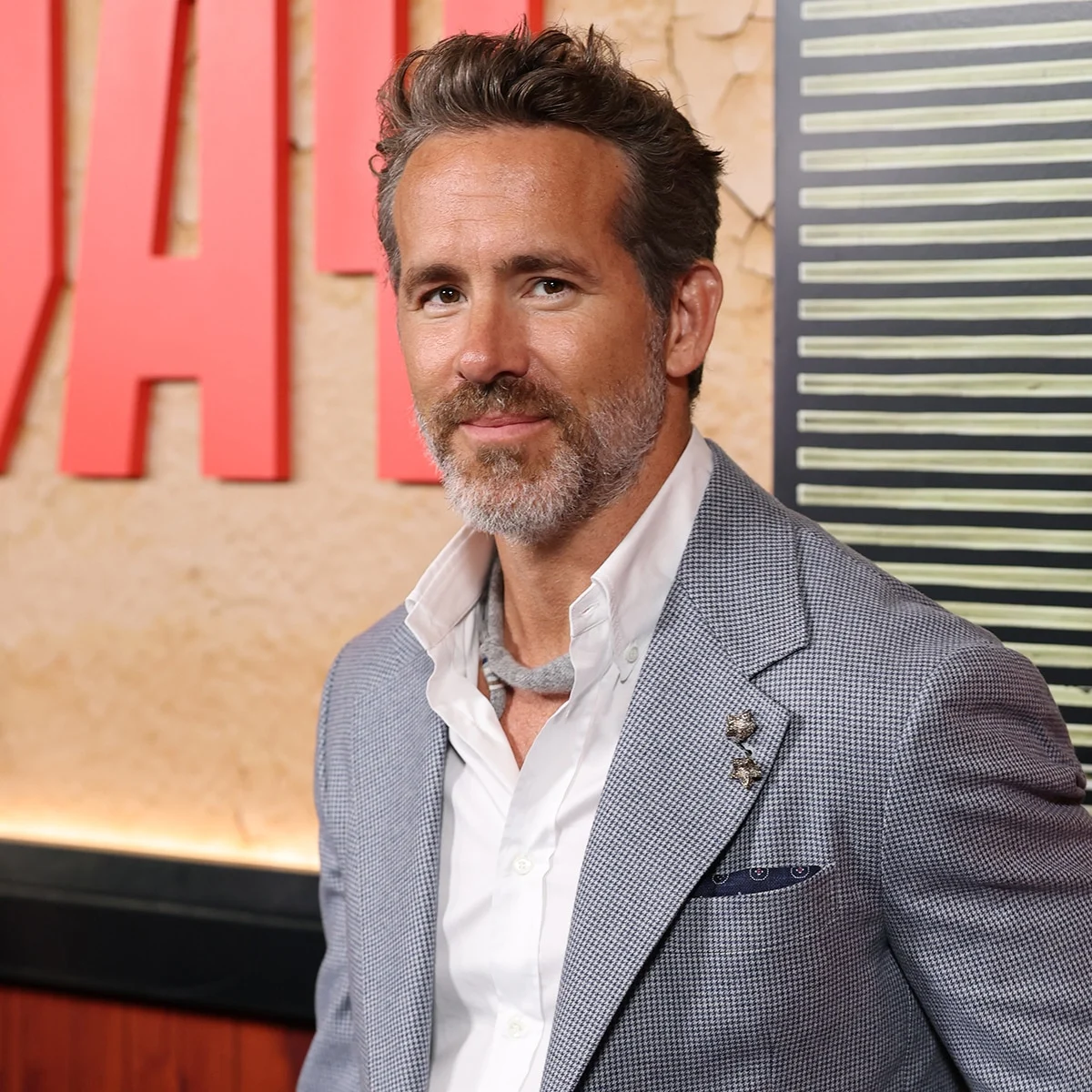
Ryan Reynolds has recently offered a humorous glimpse into his acting preparation methods, joking on social media that he underwent months of intense emotional and physical conditioning to star in the 2019 film Pokémon Detective Pikachu. In an Instagram post shared on November 10, the actor quipped that he "prepped for months" for his role as the voice and facial-capture model of the titular character, jokingly claiming that he isolated himself from the outside world and subsisted entirely on ketchup—a nod to the iconic animated creature’s well-known dietary preference. Alongside the commentary, Reynolds posted a clip of himself singing the classic Pokémon theme song, maintaining his signature comedic style.
Beyond the online humor, however, the actor’s real-world physical transformations for cinema have been well-documented throughout his extensive career. Reynolds, who shares four children—James, Inez, Betty, and Olin—with his wife, actress Blake Lively, has frequently spoken about the rigorous nutritional and exercise regimens required to meet the demands of action-heavy film franchises.
The Evolution of Cinematic Physicality and Dieting
The demands of modern Hollywood blockbusters often require actors to undergo dramatic physical transformations within tight production windows. For Reynolds, the approach to diet and fitness has evolved significantly over more than two decades in the entertainment industry. While promotional material and social media posts often highlight the lighter side of his profession, the actor has previously emphasized that preparing a physique for a specific character requires discipline comparable to a full-time occupation.
In a 2019 interview with Fighters Only, Reynolds detailed the strict protocols he followed to prepare for physically demanding roles, noting that structured preparation makes lifestyle changes more manageable. "The diet aspect becomes a job, the working out becomes a job—and people can do that in their own life, but with prepping for a role it’s easier," Reynolds explained. "I think people should treat it seriously and fully invest if they want to make changes in their own lives."
Chronology of Transformation: From Blade: Trinity to Deadpool
To understand the scope of Reynolds’ physical preparation, industry analysts often point to his breakout action role in the 2009 film Blade: Trinity. Playing the vampire hunter Hannibal King, Reynolds underwent a radical body transformation that required substantial caloric intake paired with heavy weight training.
Reflecting on that period, the actor revealed that he consumed approximately 3,200 calories per day to support muscle hypertrophy while simultaneously lowering his overall body fat percentage. "I had a goal, and for three to four months leading up to it I would train six days a week," Reynolds stated. "I gained 25 pounds of muscle while keeping my body fat low. That time taught me so much. Now my training is more functional and less aesthetic—although that certainly comes with it."
As his career progressed into franchises like Deadpool, the focus shifted from sheer mass to a lean, athletic physique capable of sustaining high-intensity stunt work inside restrictive costumes. Because cinematic physical requirements vary drastically from one project to the next, Reynolds adapted his nutritional intake to emphasize specific macronutrients.
Nutritional Staples of a Leading Man
Maintaining a lean yet muscular frame for superhero cinema necessitates a highly regulated diet. Reynolds has shared that his staples for maintaining a defined physique center around lean proteins, complex carbohydrates, and healthy fats.
When preparing for roles that require a lean, shredded appearance, such as his portrayal of Wade Wilson in the Deadpool series, his daily menu typically incorporates:
- Proteins: Whole eggs, tuna wraps, grilled chicken breast, broiled fish, and whey protein isolates mixed strictly with water.
- Carbohydrates: Brown rice, oatmeal, and whole-grain alternatives.
- Healthy Fats: Avocados, almond butter, raw almonds, and various seeds.
- Micronutrients: Extensive portions of fresh vegetables, green salads, apples, and protein bars.
Rather than adhering to traditional three-square-meal structures, Reynolds distributes his nutritional intake across approximately six smaller meals per day to maintain energy levels and support metabolic function during grueling shooting schedules.
Broader Industry Trends and Celebrity Nutritional Habits
The rigorous physical demands placed on actors have sparked broader conversations within the entertainment industry regarding health, wellness, and sustainable fitness. While leading men often bulk up or lean down for high-profile action films, public interest frequently extends to the everyday dietary habits of celebrities outside of active film production.
To satisfy public curiosity regarding what public figures consume on a regular basis, a wide range of actors, athletes, and lifestyle personalities have opened up about their personal go-to snacks. These preferences highlight a diverse spectrum of dietary choices, ranging from strict clean-eating regimens to childhood comforts.
Fresh Produce and Whole Foods
Many public figures emphasize whole, unprocessed foods to maintain energy levels throughout hectic production days and personal engagements:
- Lauren Conrad relies on fresh fruit and raw nuts to keep easily accessible snacks on hand between scheduled meals.
- Kate Hudson leans toward crisp, sliced apples while working from home, noting the satisfying crunch that appeals to both adults and children.
- Maggie Q and Brooke Burke advocate for the simplicity of raw macadamia nuts and fresh fruit, citing them as foundational elements of a balanced lifestyle.
- Naomi Osaka incorporates cups of fresh grapes or berries alongside homemade green drinks tailored with specialized electrolyte beverages for flavor without excessive refined sugar.
Creative Customizations and Comfort Snacks
Conversely, many celebrities balance health-conscious routines with nostalgic or unconventional flavor combinations:
- Lana Condor has expressed a distinct preference for canned oysters, highlighting their high content of protein, magnesium, and vitamin C, which she consumes straight from the can or paired with traditional crackers.
- Chloe Trautman details a specific recipe involving thinly sliced Honeycrisp apples paired with melted peanut butter mixed with honey to replicate a caramel-like consistency without the mess.
- Raye Boyce enjoys a simplified homemade crêpe alternative consisting of a flour tortilla warmed with salted butter in a pan and topped with Nutella.
- Francia Raisa and Kelsey Owens embrace comfort foods, favoring options like spicy corn snacks, fruit topped with chili-lime seasoning, or commercially produced flavored cheese crackers.
Implications for Public Health and Fitness Culture
The willingness of high-profile individuals to share both the grueling realities of method preparation and their personal dietary habits carries significant cultural implications. Fitness experts note that transparency regarding the intense labor behind cinematic physiques helps demystify unrealistic body standards. When actors like Ryan Reynolds openly discuss the structured planning, caloric surplus, and multi-month training timelines required for specific roles, it reinforces the message that physical transformations are the result of professional guidance and sustained effort rather than instantaneous lifestyle choices.
At the same time, the broader spotlight on everyday snacking habits humanizes public figures, demonstrating that maintaining a healthy lifestyle often accommodates simple, accessible foods—ranging from artisanal avocado dishes to comforting childhood snacks. As public interest in health, wellness, and entertainment intersecting continues to grow, the dialogue surrounding nutrition remains an integral component of celebrity culture.