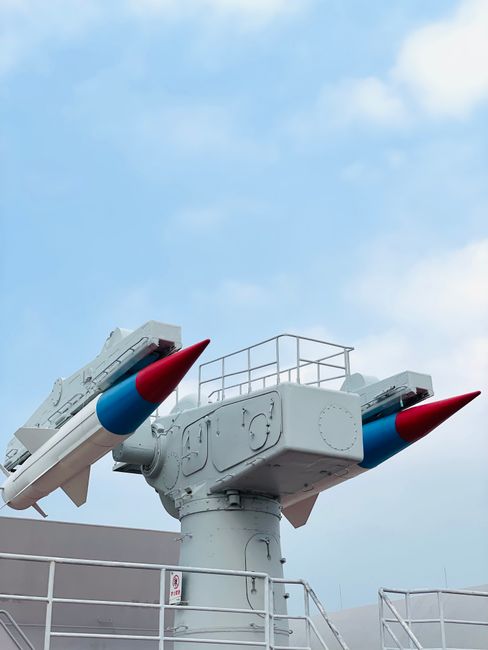
Category Defense Military: Strategic Fortification and Area Control
Category defense, in a military context, refers to a strategic doctrine and operational methodology focused on establishing and maintaining control over specific geographic areas or operational domains to deny their use to adversaries and preserve them for friendly forces. This concept is not limited to static fortifications in the traditional sense, but encompasses a dynamic and multi-layered approach to defending defined "categories" of operational space. These categories can range from critical geographic features like mountain passes, straits, or urban centers, to vital infrastructure such as airfields, ports, or communication nodes, and even extend to intangible domains like the electromagnetic spectrum or cyber space. The core objective of category defense is to create an environment of unassailable control within a designated area, thereby shaping the operational landscape to the advantage of the defending force and imposing prohibitive costs or unacceptable risks on any adversary attempting to penetrate or contest it.
The historical evolution of category defense is deeply intertwined with the development of military technology and strategy. Early forms can be seen in ancient fortifications, such as hill forts, city walls, and the Great Wall of China, designed to physically block enemy advances and create secure zones. The advent of gunpowder and artillery necessitated the development of more sophisticated fortifications, leading to the rise of star forts and Vauban-style defenses, emphasizing layered fields of fire and robust construction. In the 20th century, the concept evolved further with the rise of mobile warfare and total war. The Maginot Line, while ultimately circumvented, represented a massive investment in static defense designed to channel enemy forces into pre-prepared kill zones. Conversely, the Soviet Union’s defense-in-depth strategies, exemplified during World War II, focused on creating multiple lines of defense to absorb and attrit enemy thrusts while allowing for counter-offensives. The Cold War saw the development of sophisticated integrated air defense systems (IADS) and naval task forces, embodying category defense in the air and at sea respectively. Today, the principles of category defense are being re-evaluated and adapted to meet the challenges of hybrid warfare, information warfare, and the increasing importance of non-kinetic means of control.
The fundamental principles underpinning military category defense are interconnected and synergistic. Control of Terrain/Space: The most basic element is the ability to dominate the physical or operational space designated for defense. This involves establishing a physical presence, employing sensors, and utilizing force projection to deny ingress and egress to hostile entities. Layered Defense: Category defense rarely relies on a single defensive barrier. Instead, it employs multiple, overlapping layers of defense, each designed to detect, delay, and defeat enemy forces at different stages of their approach. This can include early warning systems, anti-access/area denial (A2/AD) capabilities, direct combat forces, and rear-area security elements. Denial of Key Assets: The objective is not merely to prevent an enemy from entering an area but to deny them the ability to achieve their objectives within that area. This involves targeting and neutralizing enemy offensive capabilities, logistical support, and command and control structures that are essential for their operations. Synergy of Forces and Technologies: Effective category defense relies on the seamless integration of various military branches, specialized units, and advanced technologies. Air, land, sea, cyber, and space assets must operate in concert to create a comprehensive defensive umbrella. Adaptability and Resilience: While category defense aims for a high degree of control, it must also be adaptable to evolving threats and resilient in the face of enemy probing attacks or determined assaults. This involves contingency planning, redundant systems, and the ability to rapidly reconstitute defensive capabilities.
The strategic objectives of implementing category defense are multifaceted and crucial for national security and military effectiveness. Preventing Enemy Access and Operations: The primary goal is to make it prohibitively difficult or impossible for an adversary to operate freely within a designated area, whether for offensive maneuvers, intelligence gathering, or logistical support. Shaping the Operational Environment: By establishing dominance in a particular category, a defending force can dictate the terms of engagement, forcing adversaries to operate on unfavorable ground or with significant disadvantages. Protecting Vital Assets and Populations: Category defense is essential for safeguarding critical infrastructure, population centers, and strategic resources from attack or seizure. Preserving Freedom of Action for Friendly Forces: A secure defensive zone allows friendly forces to operate with greater confidence, plan offensive operations, and conduct logistical movements without fear of significant disruption from enemy forces operating within the protected area. Deterrence: A credible and robust category defense posture can serve as a powerful deterrent, discouraging potential adversaries from initiating conflict or undertaking aggressive actions due to the anticipated high costs and low probability of success. Information Dominance: In modern warfare, control over the electromagnetic spectrum and information networks is increasingly vital. Category defense extends to securing these domains, preventing enemy electronic warfare, cyberattacks, and disinformation campaigns, while ensuring unimpeded communication and data flow for friendly forces.
The implementation of category defense requires a sophisticated understanding of operational art, military engineering, and technological integration. Geographic Considerations: The selection of areas for category defense is heavily influenced by geography. Natural choke points, defensible terrain, and proximity to strategic objectives are key factors. Intelligence, Surveillance, and Reconnaissance (ISR): A comprehensive ISR architecture is fundamental to early warning, threat identification, and the continuous monitoring of the protected area. This includes satellites, drones, electronic intelligence, human intelligence, and ground sensors. Anti-Access/Area Denial (A2/AD) Capabilities: This is a cornerstone of modern category defense, employing a range of weapons systems and strategies designed to prevent enemy forces from accessing or operating within a defined area. Examples include anti-ship missiles, advanced air defense systems, mines, submarines, and cyber capabilities. Integrated Air Defense Systems (IADS): These systems combine ground-based and airborne radars, missile batteries, and command and control elements to create a layered defense against aerial threats, from tactical aircraft to ballistic missiles. Naval Blockades and Sea Control: In maritime environments, category defense involves establishing control over vital sea lanes, straits, and coastal approaches through naval presence, mine warfare, and anti-submarine capabilities. Fortifications and Obstacles: While not solely reliant on static structures, engineered defenses like minefields, anti-tank ditches, fortified positions, and hardened shelters remain important components, particularly in land warfare. Command, Control, Communications, Computers, and Intelligence (C4I) Systems: Robust and secure C4I networks are essential for coordinating defensive efforts, disseminating intelligence, and maintaining situational awareness across all layers of defense. Logistics and Sustainment: Maintaining a sustained defensive posture requires a resilient logistical network capable of resupplying forces, repairing equipment, and evacuating casualties.
The application of category defense is highly context-dependent, varying significantly based on the operational environment, the nature of the adversary, and the objectives of the defending force. Land-Based Category Defense: This often focuses on securing critical geographic features like mountain passes, river crossings, or urban centers. It involves the establishment of defensive lines, fortified strongpoints, minefields, and the integration of artillery, armor, and infantry with air support. The defense of cities, as seen in urban warfare scenarios, represents a complex form of category defense where the urban fabric itself becomes both a defensive asset and a challenging operational environment. Maritime Category Defense: This aims to control sea lanes, straits, and coastal waters. It involves naval forces, submarines, maritime patrol aircraft, coastal defense batteries, and mine warfare to deny enemy naval access and protect shipping. The defense of a naval base or port is a prime example. Air Domain Category Defense: This involves establishing air superiority and defending against enemy air and missile attacks through integrated air defense systems, fighter aircraft, and electronic warfare capabilities. The protection of airfields and key command centers is paramount. Cyber and Electromagnetic Spectrum Defense: This increasingly critical aspect of category defense focuses on protecting friendly networks and systems from cyberattacks, jamming, and electronic intrusion, while simultaneously degrading enemy C4I capabilities and denying them freedom of action in the cyber and electromagnetic domains. The defense of critical national infrastructure, military networks, and communication systems falls under this category. Space Domain Defense: As reliance on space-based assets grows, so does the need for their defense. This can involve protecting satellites from anti-satellite weapons, ensuring the integrity of space-based ISR, and denying adversaries the use of space for offensive purposes.
Challenges and limitations are inherent in any military strategy, and category defense is no exception. Cost and Resource Intensity: Establishing and maintaining effective category defenses can be incredibly expensive, requiring significant investment in personnel, equipment, infrastructure, and ongoing maintenance. This can strain national budgets and divert resources from other critical areas. Static Nature and Vulnerability to Circumvention: While modern category defense aims for dynamism, heavily fortified or fixed defensive positions can be vulnerable to enemy flanking maneuvers, siege tactics, or the development of novel technologies that can overcome existing defenses. The Maginot Line serves as a historical cautionary tale. Intelligence Failures and Surprise: The effectiveness of category defense relies heavily on accurate and timely intelligence. A failure to anticipate an adversary’s intentions, tactics, or technological advancements can render defenses obsolete or ineffective. Surprise attacks can exploit weaknesses. Adaptability to Asymmetric Threats: Category defense, particularly in its more conventional forms, can struggle against asymmetric threats such as insurgency, terrorism, or unconventional warfare, which often operate outside defined battle spaces and exploit civilian populations. Maintaining Morale and Willpower: Prolonged defensive operations can be demoralizing for defending troops, especially if they are subjected to constant attrition without the prospect of decisive offensive action. The psychological aspect of defense is crucial. Technological Obsolescence: The rapid pace of technological advancement means that defensive systems can become outdated quickly, requiring continuous upgrades and reinvestment to maintain their effectiveness against evolving threats.
The future of category defense will be shaped by ongoing technological advancements and the evolving nature of conflict. The integration of artificial intelligence (AI) and autonomous systems will likely play a significant role in enhancing ISR capabilities, optimizing defensive responses, and potentially even operating unmanned defensive platforms. Advanced cyber and electronic warfare capabilities will become even more crucial for denying adversaries freedom of action in the digital and electromagnetic domains. The concept of "networked defense," where dispersed but interconnected defensive assets can collectively create a robust defensive posture, will gain prominence. Furthermore, the blurring lines between kinetic and non-kinetic warfare will necessitate category defense strategies that encompass information operations, psychological warfare, and the manipulation of public opinion alongside traditional military measures. The emphasis will increasingly be on creating multi-domain defensive ecosystems that are resilient, adaptable, and capable of denying adversaries the ability to achieve their objectives across all operational environments. This includes the defense of critical supply chains, civilian infrastructure that supports military operations, and the overarching information environment. The ability to rapidly shift from defensive postures to offensive capabilities within a defended category will also be a key determinant of success. The focus will be on creating "no-go" zones for adversaries, not just physically, but also in terms of their ability to achieve strategic or operational goals.
