SpaceX has
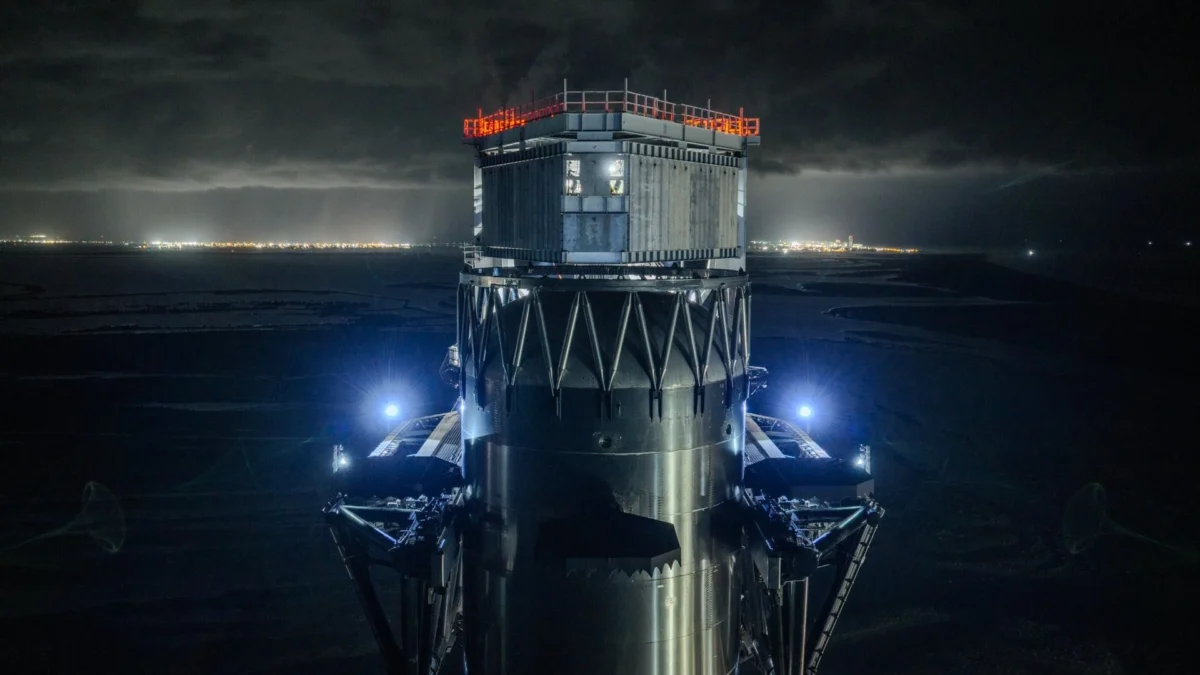
advanced preparations for its upcoming milestone mission, moving the Super Heavy Booster 22 to the orbital launch mount at the Starbase facility in South Texas. This critical logistics maneuver paves the way for the 15th integrated test flight of the Starship megarocket system, scheduled for liftoff on Friday, November 13, 2026. Setting a new benchmark in aerospace engineering, the upcoming test will feature an unprecedented attempt to recover both the first-stage Super Heavy booster and the upper-stage Starship spacecraft using the launch tower’s mechanical "chopstick" arms. If successful, it will mark the first full, dual-stage recovery of a fully reusable orbital-class launch vehicle in history.
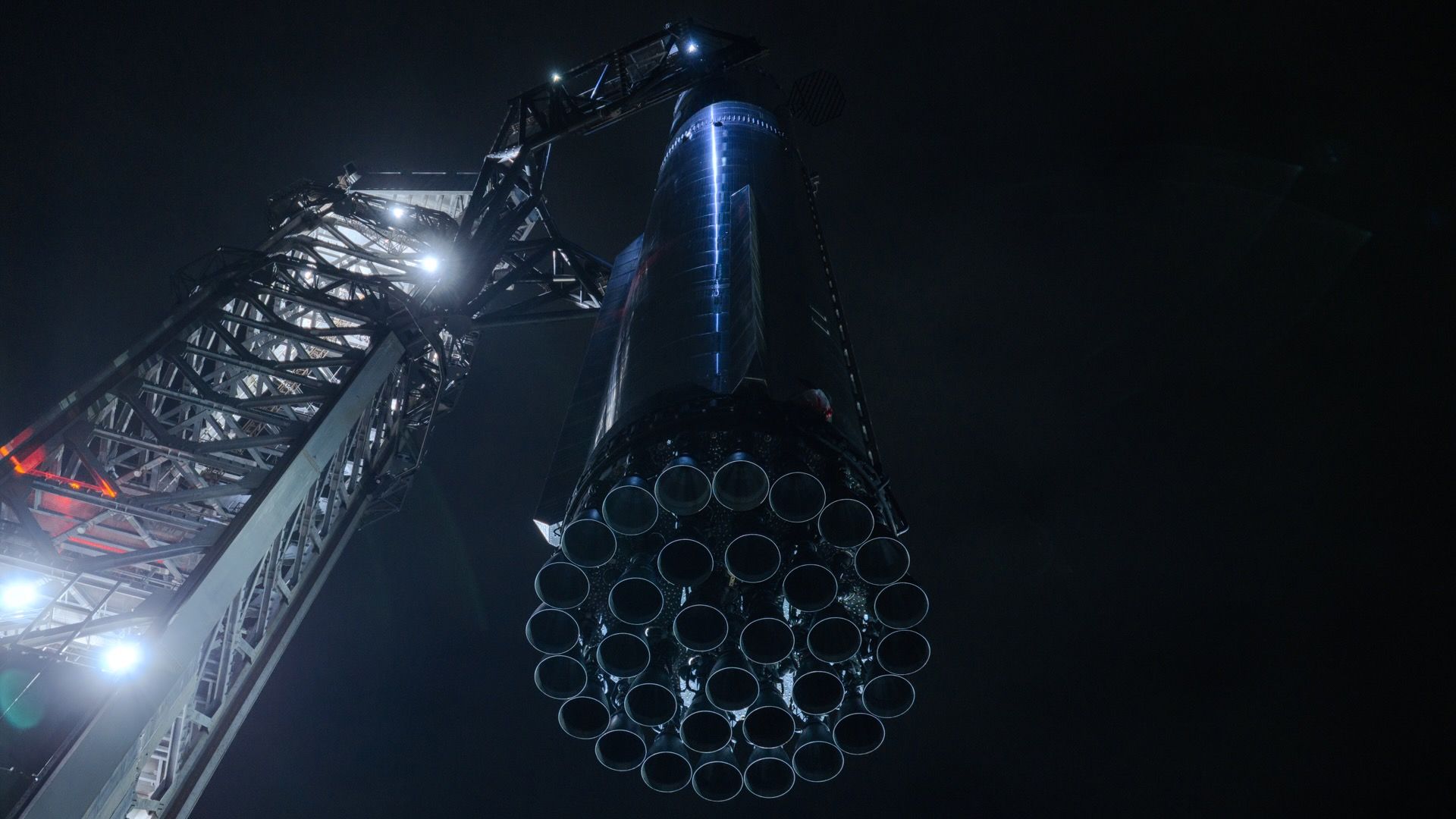
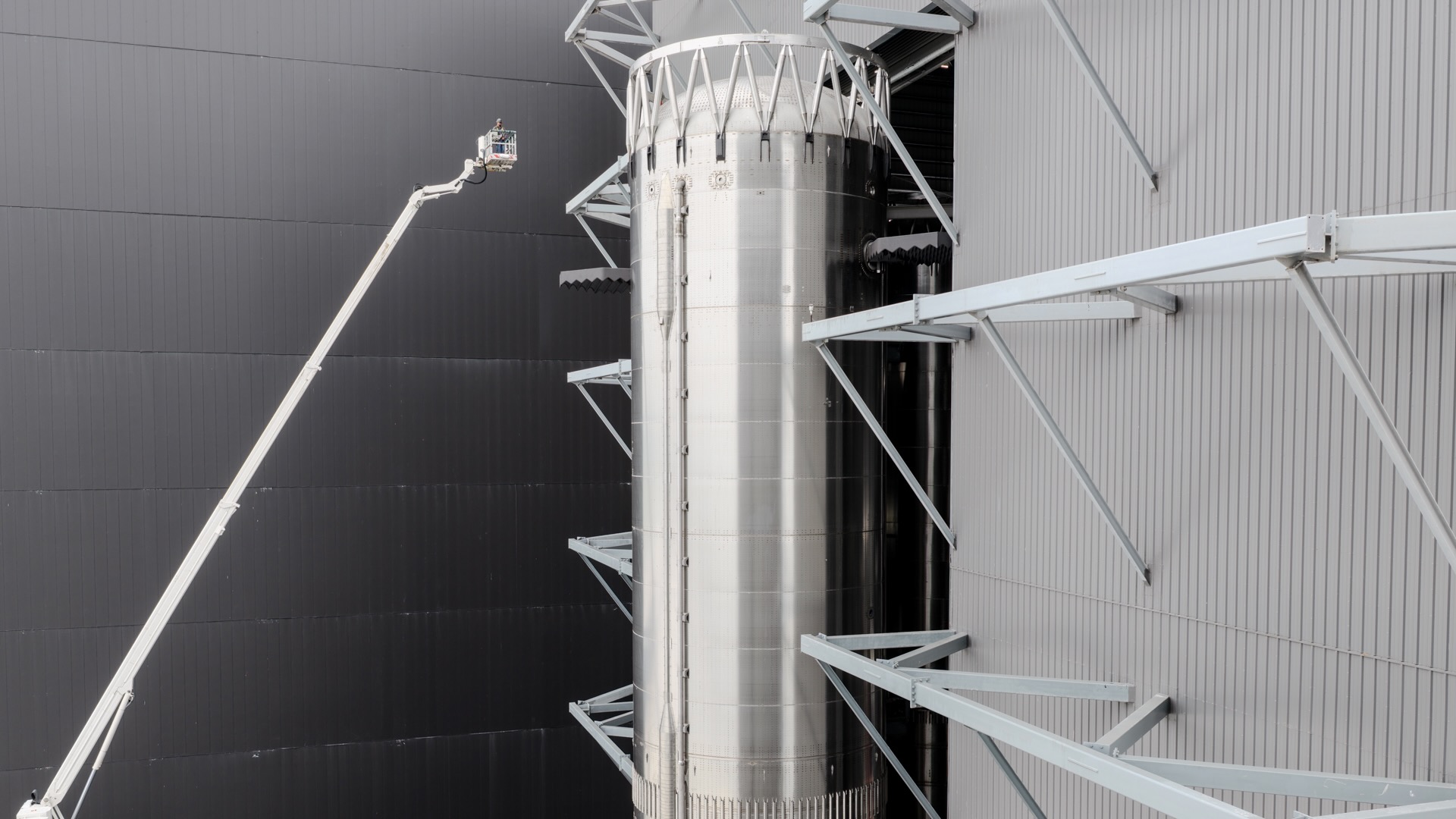
The preparations at Starbase underline the rapid iteration cycle that has come to define SpaceX’s development philosophy. Following its rollout from one of the facility’s expansive Mega Bay assembly buildings, Booster 22 was immediately mounted on the orbital launch pad to undergo comprehensive mechanical validation. Engineers subjected the giant vehicle—powered by a cluster of 33 next-generation Raptor engines—to final catch testing. This included a specialized suspended squeeze test designed to verify the structural integrity and precise load-bearing capabilities of the booster’s grid fins and load points when gripped at catch height by the colossal launch tower arms.
Chronology of Starship Evolution and Flight 15 Roadmap
The journey toward Flight 15 represents a culmination of years of rigorous iterative testing, structural enhancements, and regulatory navigation. Since the inception of the integrated flight test campaign, SpaceX has systematically pushed the operational envelope of the world’s most powerful launch vehicle.
The strategy of mechanical catch recovery was first validated on October 13, 2024, during Flight 5, when the Starbase launch tower successfully grabbed a returning Super Heavy booster out of the air on its inaugural attempt. That historic maneuver was subsequently repeated on subsequent missions, establishing a high degree of confidence in the precision guidance and grid-fin control authority required for pinpoint propulsive landings.
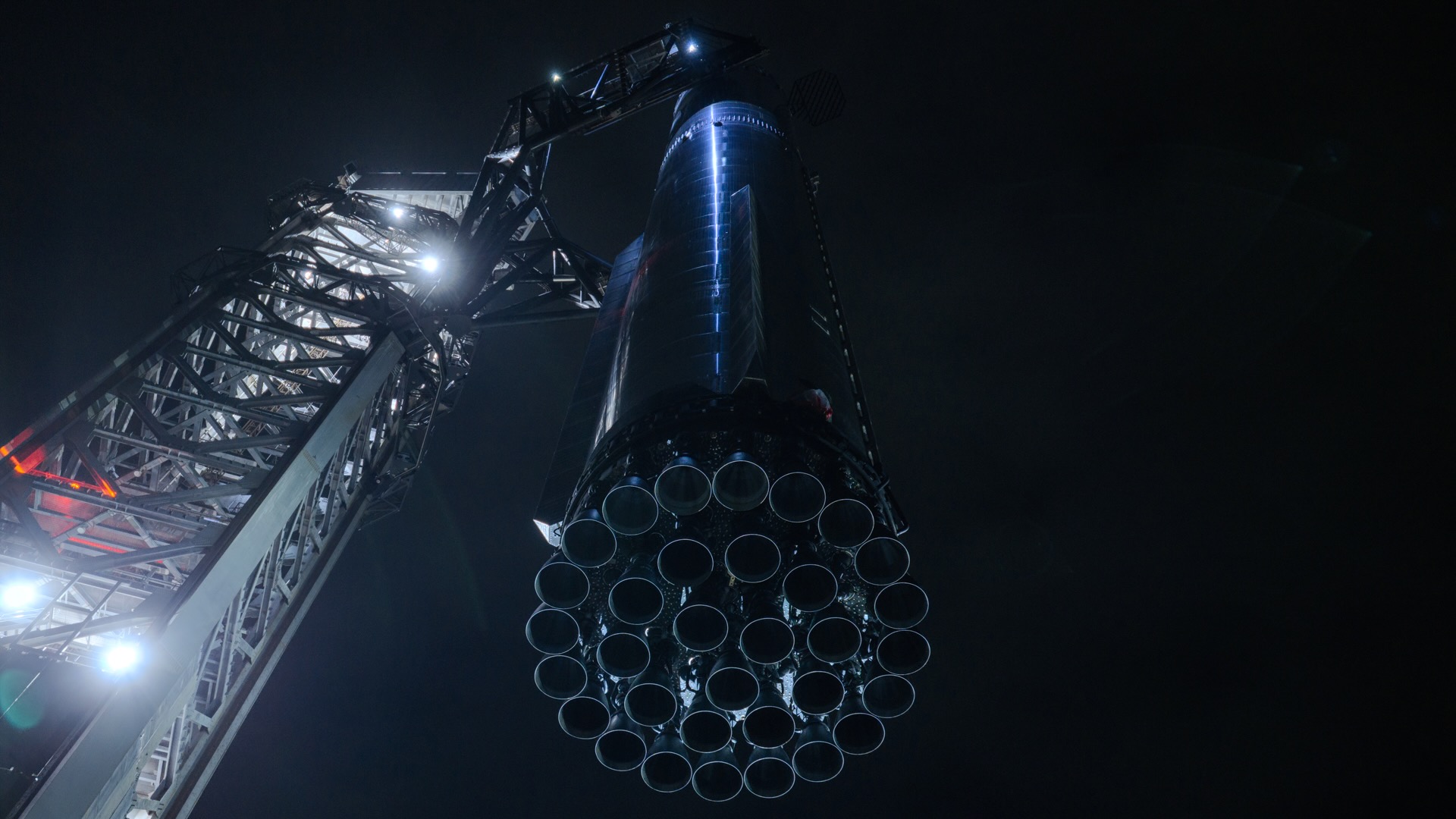
However, recovering the upper-stage Starship—commonly referred to as the "Ship"—remains an entirely different magnitude of technical difficulty. Unlike the booster, which performs a shorter suborbital trajectory before returning to the launch site, the upper stage travels significantly higher and faster, enduring extreme thermal loads during atmospheric re-entry before attempting a controlled descent.
The operational baseline for capturing the upper stage was unlocked only recently. During Flight 14 on September 28, 2026, SpaceX successfully achieved orbital insertion with Starship for the first time. Building on that data, Flight 15 will attempt to execute a simultaneous, or near-simultaneous, dual-catch architecture.
Mission Profile and Operational Timeline
According to the mission profile outlined by SpaceX, Flight 15 will lift off from Starbase within a 75-minute launch window opening at 5:45 p.m. EST (2245 GMT, 4:45 p.m. local Texas time) on Friday, November 13.
The sequence of events will test the limits of precision guidance, propulsion, and structural resilience:
- T+0:00: Liftoff of the fully integrated Starship megarocket powered by 33 Raptor engines on the Super Heavy booster and six engines on the Ship upper stage.
- T+approx. 2:42: Hot-staging separation, wherein the upper stage ignites its engines to pull away while the Super Heavy booster executes its flip maneuver.
- T+approx. 6:30: The Super Heavy booster returns to the Starbase launch site, where the tower’s mechanical arms are programmed to intercept and secure the vehicle.
- Post-Insertion and Deployment Phase: While the booster is recovered within minutes of liftoff, the Ship upper stage will embark on a much longer mission profile. It will spend approximately 22 hours in low Earth orbit (LEO), completing 14 circuits of the planet while systematically deploying a payload of 26 Starlink V3 broadband satellites.
- Return of the Ship: Following the completion of its orbital deployment duties, the Starship upper stage will re-enter the atmosphere, decelerate, and execute its own precision landing maneuver to be caught by the launch tower arms.
Broader Economic and Industrial Implications
The implications of achieving a fully reusable double-catch recovery system extend far beyond routine launch operations; they form the bedrock of SpaceX’s long-term commercial and infrastructural roadmap. Company leadership, including Chief Executive Officer Elon Musk, has emphasized that rapid reusability is the single most critical variable required to reduce the cost per kilogram to orbit and drastically scale up flight frequencies.
SpaceX has set an ambitious target of achieving up to 10,000 Starship flights per year by the end of the decade. This high-cadence operational tempo is considered mandatory to support the deployment of next-generation infrastructure, including the dense global coverage requirements of the Starlink V3 broadband constellation and the expanding computational footprint of advanced orbital data-center networks like Starmind AI.
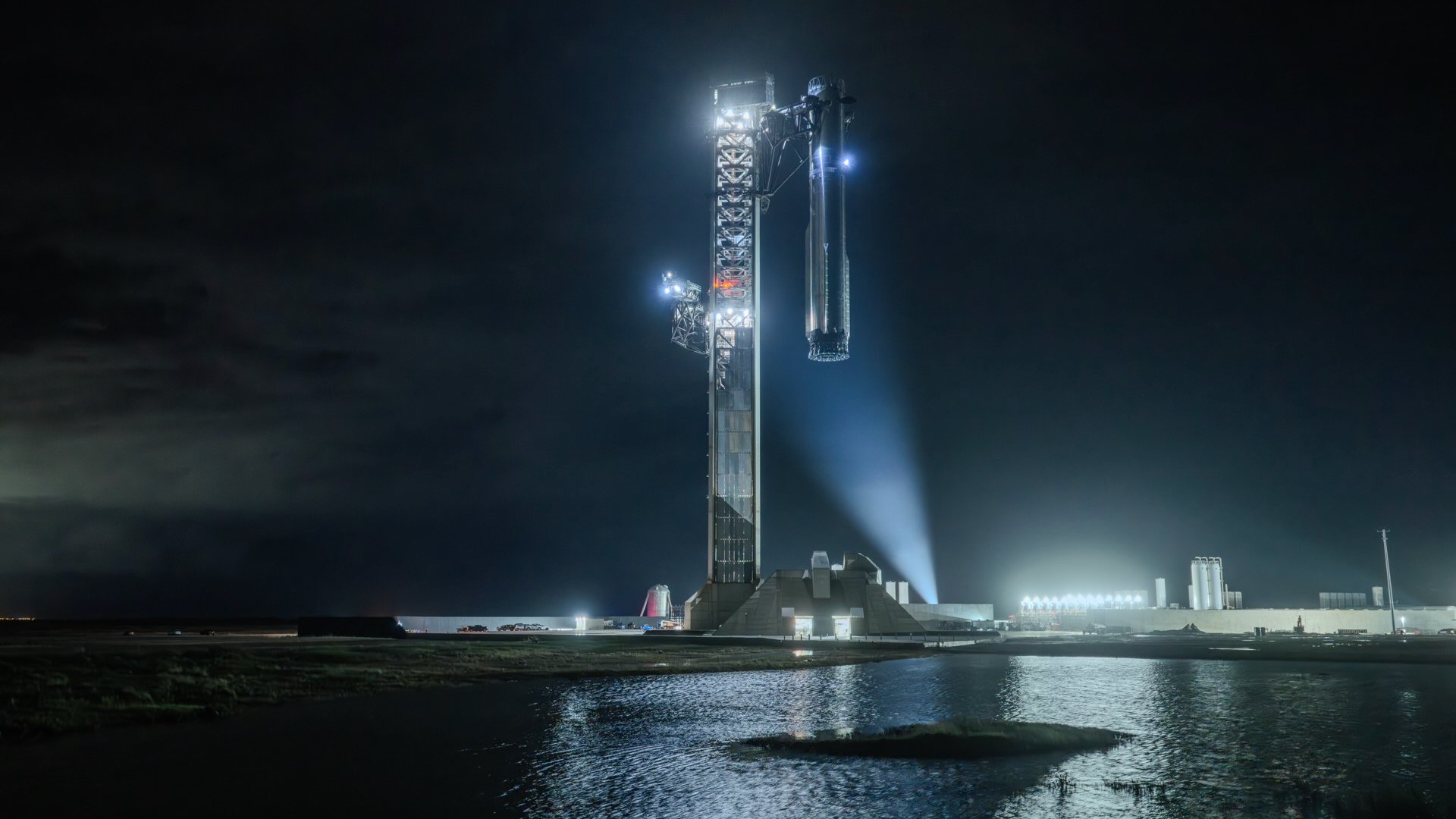
By eliminating the need for downrange ocean splashdowns or expendable hardware loss, the mechanical catch methodology minimizes turnaround times between flights, reduces refurbishment overhead, and conserves critical raw materials. If the dual-catch attempt during Flight 15 succeeds, it will validate the economic viability of true rapid reusability for heavy-lift architecture, signaling a monumental paradigm shift for the commercial aerospace industry and humanity’s future access to space.