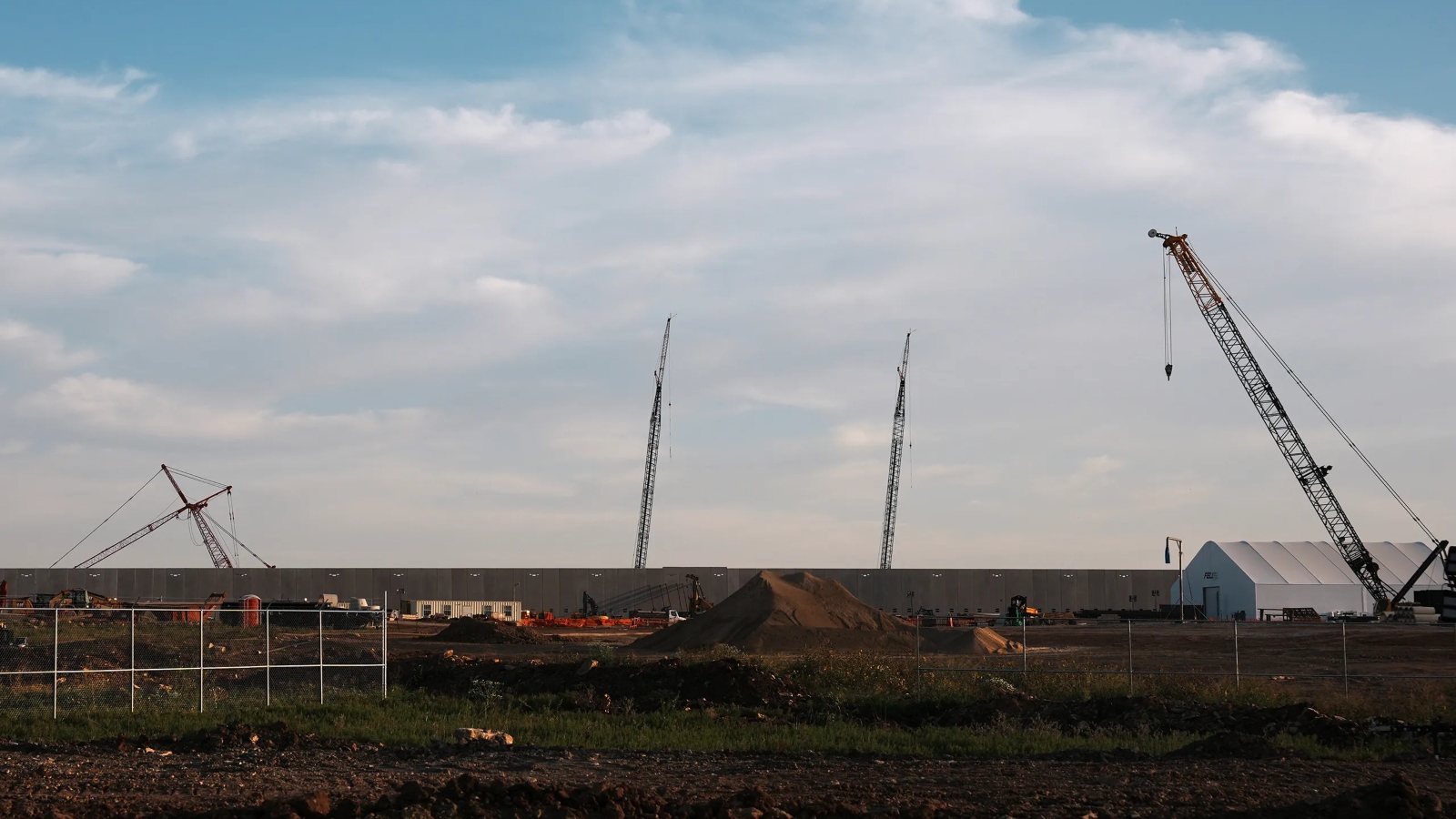
A new water tower in Turkey, Texas, carries a price tag of $3 million—a staggering sum for a municipality operating on an annual budget of just $500,000. Elsewhere across the Lone Star State, tech and data center corporations have financed $400,000 in museum upgrades in Stamford and funded a $10,000 first responders’ appreciation barbecue in Medina County. These localized investments are part of a massive, unprecedented wave of corporate spending. According to a recent Texas Tribune analysis, data center operators have injected more than $343 million into rural Texas communities over the past year.
This capital windfall addresses critical local deficiencies, funding everything from emergency services and school STEM programs to vital infrastructure repairs. Yet, this financial largesse arrives amid a complex backdrop of fierce public skepticism, skyrocketing energy demands, and legislative friction. While cash-strapped local governments welcome the influx of private wealth to stave off fiscal cliffs, a significant portion of the rural populace remains deeply suspicious of the true motives behind these corporate investments, fearing long-term dependencies and severe strains on local natural resources.
The Anatomy of a Corporate Gold Rush in Rural Texas
The rapid expansion of data centers across Texas is driven by the nationwide surge in artificial intelligence, cloud computing, and digital infrastructure demands. As tech giants hunt for vast tracts of land and cheap power, they have increasingly set their sights on rural Texas. These regions, however, have historically struggled with tight budgets, inflation, and the ripple effects of state-level property tax cuts that have constrained municipal revenue.

Into this fiscal vacuum have stepped companies like Google, Rowan Digital Infrastructure, QTS Data Centers, and Lancium. Utilizing their seemingly bottomless bank accounts, these corporations have positioned themselves as modern-day benefactors. The financial mechanisms vary: some companies establish recurring community action grants, others create targeted initiatives like Google’s Texas Water Impact Fund, and many deliver direct lump-sum donations to state and local funds.
Despite these contributions, the industry benefits from substantial government backing. A prior Texas Tribune analysis revealed that the state will forgo at least $3 billion in sales tax revenue over a two-year period due to targeted tax exemptions designed to spur the data center sector. This juxtaposition—massive state tax breaks coupled with localized philanthropic investments—has fueled an ongoing debate over the net value of data centers to the Texas economy.
Public Skepticism and the Battle for Community Trust
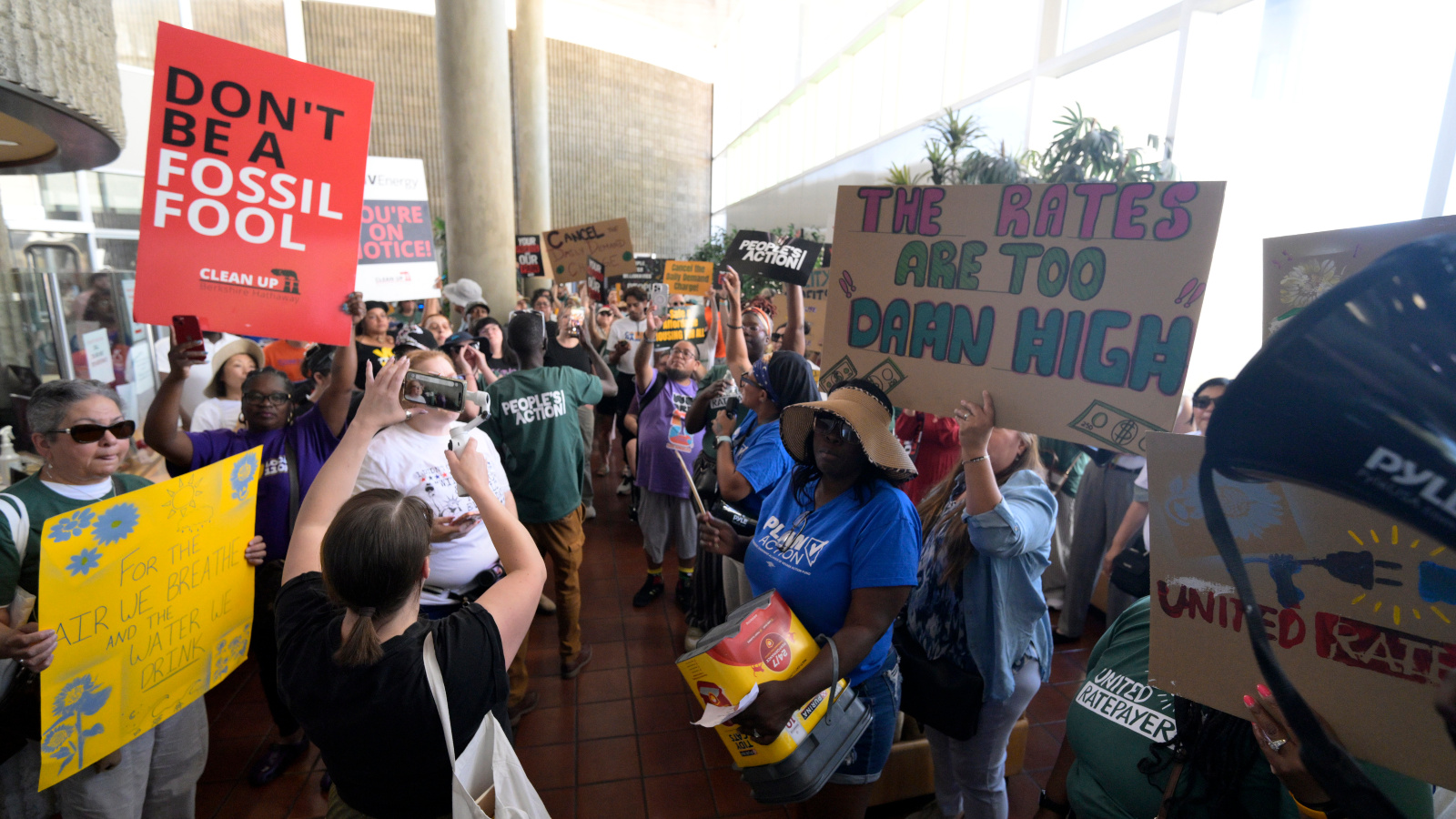
Despite the millions injected into local economies, data centers face a major public relations hurdle. An August poll conducted by the Texas Politics Project, a nonpartisan research hub, revealed that 57 percent of respondents opposed the construction of a data center in their communities. Citizens frequently voice anxieties regarding soaring electricity bills, depletion of local water tables, and strain on housing markets.
This opposition is not merely rhetorical. Across the state, grassroots pushback has altered or halted corporate plans. In East Texas, a major data center development was completely scrapped following intense community backlash. Meanwhile, in Lubbock, city leaders enacted a 90-day moratorium on large-scale data center projects after a citizen-led petition demanded a pause to study the long-term impacts.
Corporate PR strategies have evolved in response to this hostility. Companies are increasingly deploying community engagement tactics, such as hosting monthly neighbor dinners, open houses, public hearings, and establishing dedicated communication channels to address resident concerns directly. Industry representatives argue that these transparency efforts are essential to ensuring that multi-billion-dollar developments harmonize with local visions rather than steamrolling them.
Case Studies: Crisis, Infrastructure, and Corporate Intervention
The tension between skepticism and necessity is acutely visible in towns grappling with acute infrastructure failures.
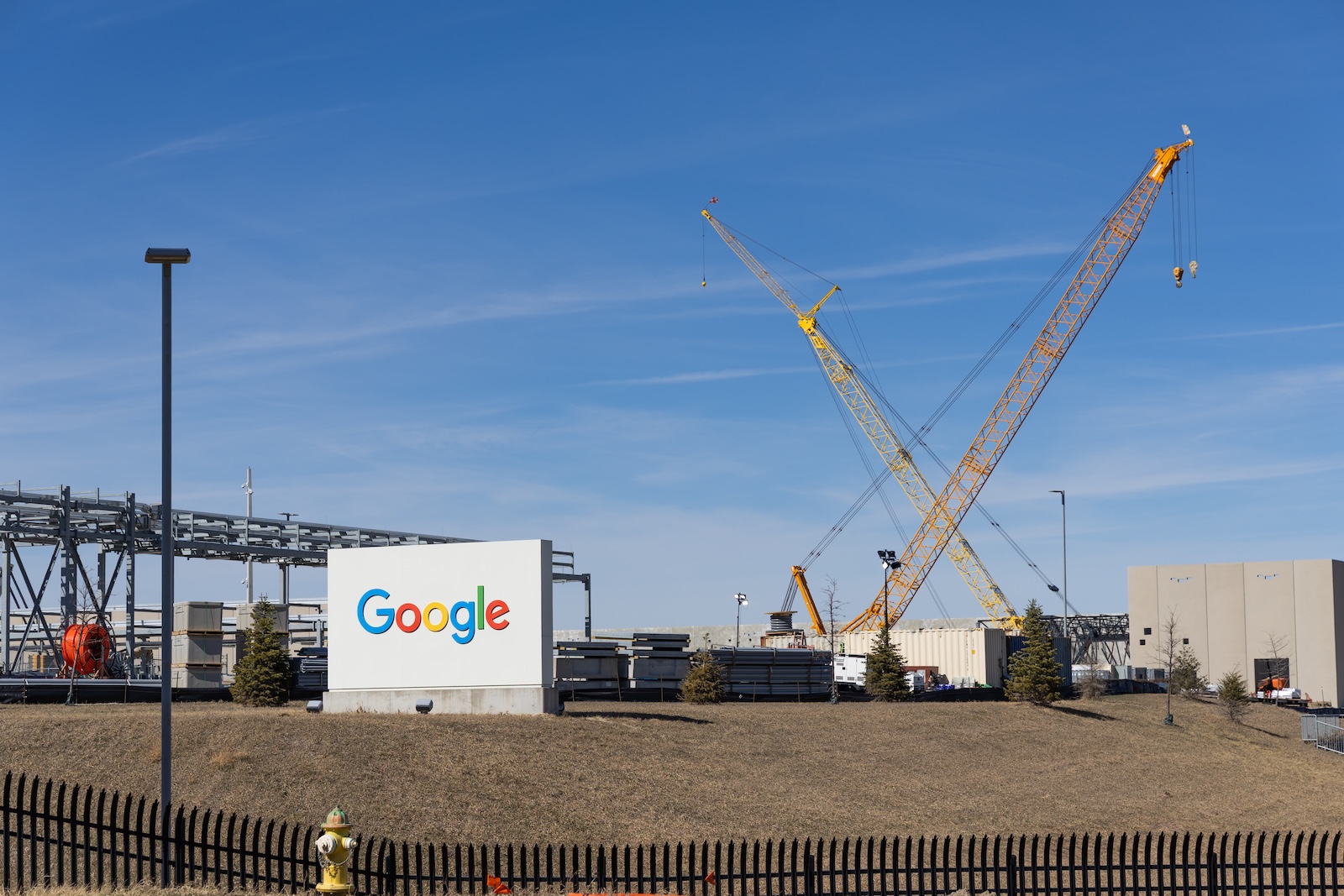
In Temple, a city of roughly 96,000 residents located 70 miles north of Austin, recovery efforts were already severely strained two years after a devastating tornado destroyed hundreds of properties, including the beloved Sammons Community Center. When Rowan Digital Infrastructure proposed a massive $4.2 billion data center campus comprising six facilities in East Temple, it also brought substantial financial relief. Rowan committed $38 million to Temple’s public infrastructure—including $25 million for the South Temple Water Infrastructure Capital Program and $10 million for an aquifer storage and recovery initiative. Furthermore, the company pledged $3 million toward a proposed $15 million bond to rebuild the Sammons Community Center. Temple Mayor Tim Davis lauded the proactive investment, noting that the company began funding community needs before the facilities were even operational or generating revenue.
In smaller municipalities, corporate intervention has often meant the difference between functionality and disaster. In Turkey, a Panhandle town of roughly 275 residents, the municipal water tower failed after years of known deterioration, leaving residents without running water for weeks. With a budget incapable of covering the replacement costs, Turkey found an unexpected savior in QTS Data Centers, which stepped in to fund a replacement estimated between $3 million and $5 million.
Similarly, in Childress, a town of over 5,800 residents facing a severe water crisis compounded by severe drought and a month-long boil-water notice, data center operators mobilized. Employees from IREN distributed bottled water to elderly and vulnerable residents. Meanwhile, Lancium initiated a project to construct a 16-mile pipeline connecting its private water wells in the Blaine Aquifer directly to the city’s storage tanks, promising to deliver 1 million gallons of treated water daily at no cost to the municipality.
Economic Realities and the Spectre of Boom-and-Bust Cycles
For local officials like Childress City Manager Kevin Hodges and Turkey City Manager Lynette Findley, partnering with data center operators is an exercise in pragmatic survival. With the Texas Legislature persistently implementing property tax limitations, small-town budgets are squeezed tighter than ever. Proponents argue that the tax revenues and direct infrastructure contributions from data centers offer a lifeline that prevents municipal service cuts.

However, community advocates and local journalists urge caution. Suzanne Bellsnyder, an editor and publisher of two Panhandle newspapers and a rural advocacy writer, points to the historical precedent of the oil and gas boom-and-bust cycles that previously shaped the region. Towns built entirely around the economic footprint of a single industry often face devastating declines when that industry shifts or departs. Bellsnyder acknowledges that executive intentions may be genuinely collaborative, but she warns against communities trading their long-term autonomy for short-term corporate charity.
As Texas continues to navigate the nationwide race for digital infrastructure, the ultimate legacy of the data center boom remains unwritten. Whether these corporate investments will bridge the deep divides between tech developers and rural residents, or merely serve as a temporary salve for systemic municipal funding shortages, will depend heavily on sustained governance, transparency, and the resilience of local communities.