For most of the 20th century, the prevailing scientific model of human origins was envisioned as a tree: a singular trunk representing our earliest ancestors, dividing into distinct, isolated branches that eventually produced modern Homo sapiens. Each species of hominin was viewed as a discrete entity, a neat, self-contained twig on a grand evolutionary structure. Under this traditional paradigm, Homo sapiens emerged from Africa, expanded across the globe, and systematically displaced every other archaic human relative encountered along the way. In this narrative, groups like Neanderthals and Homo erectus were evolutionary dead ends—unfortunate cousins who vanished without contributing to the genetic heritage of those who followed.
However, over the last three decades, this "replacement" theory has undergone a radical, evidence-based revision. A landmark study recently published in the journal Nature, led by researcher Qiaomei Fu of the Chinese Academy of Sciences, provides the most definitive evidence to date that our evolutionary history is far more complex than a branching tree. By successfully recovering biological information from the tooth enamel of Homo erectus fossils dating back 400,000 years, the research team has shattered the illusion of isolated lineages, revealing a history defined by constant, routine interbreeding.
The Technological Breakthrough: Beyond DNA
The primary hurdle in studying deep-time human evolution has always been the fragility of genetic material. DNA is notoriously unstable, typically degrading within tens of thousands of years in warm or temperate climates. Consequently, researchers studying specimens from the Middle Pleistocene—roughly 400,000 years ago—were previously limited to morphological analysis, which relies on the physical shape of bones and teeth.
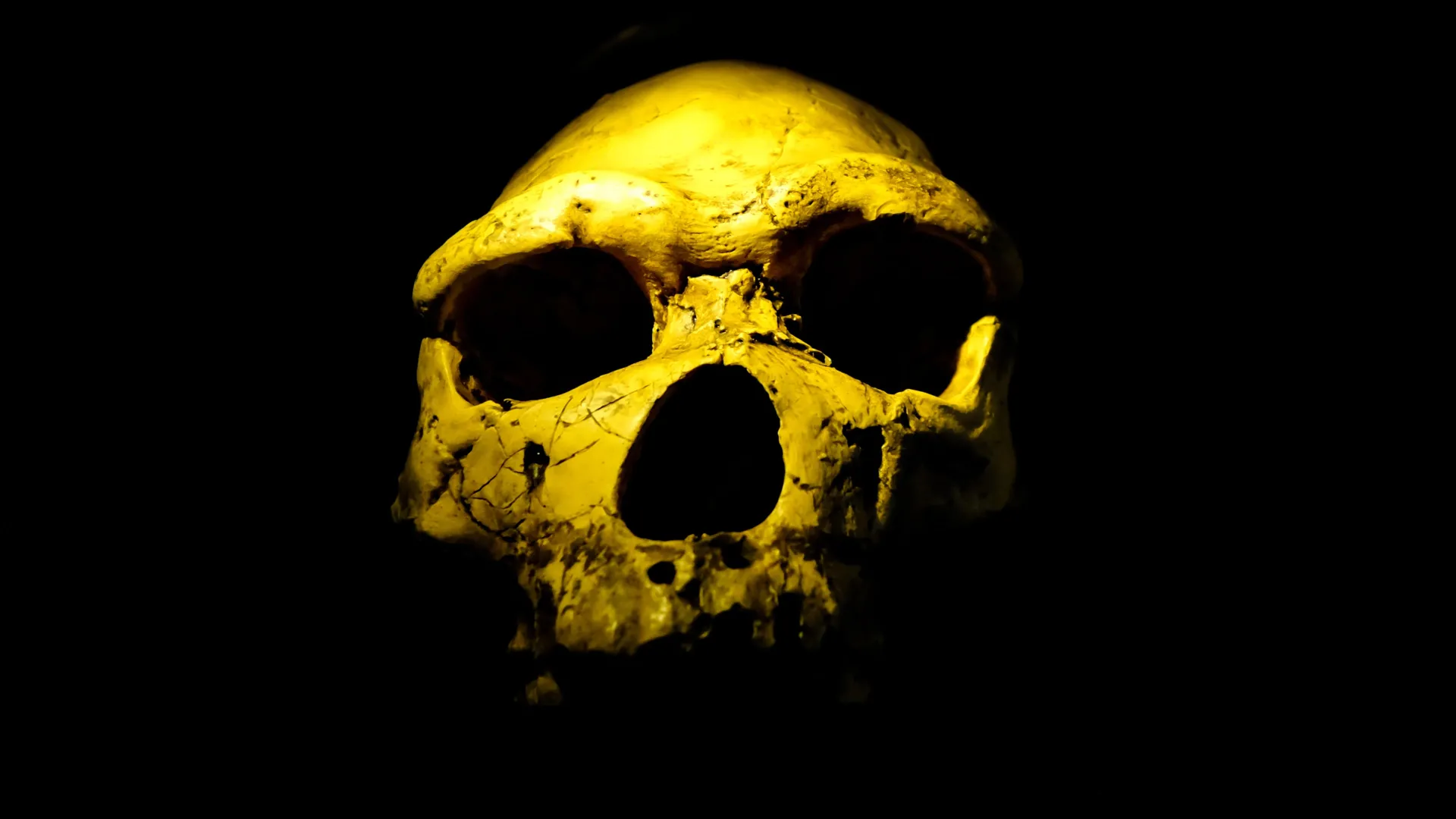
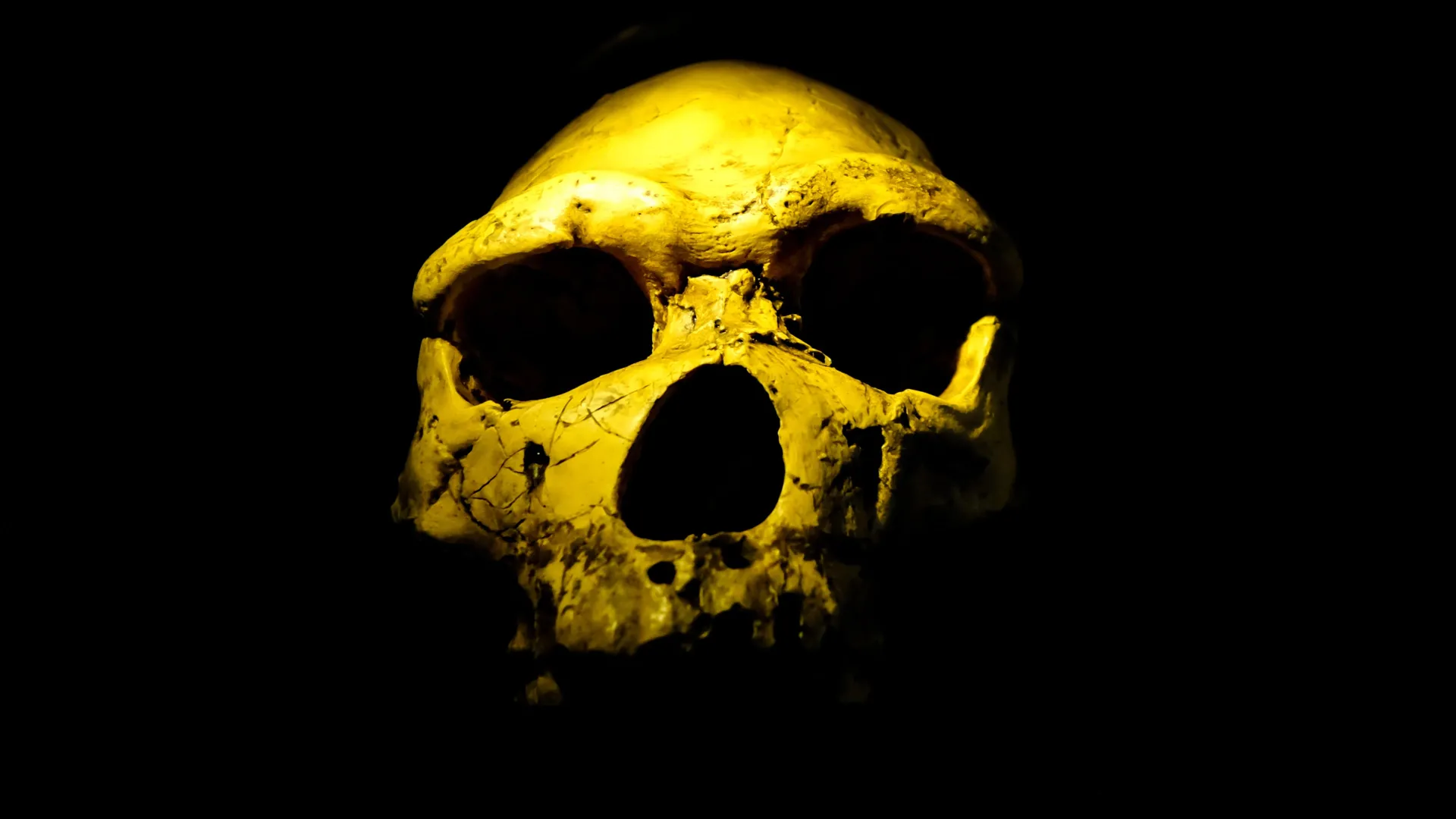
The breakthrough in the Nature study lies in the use of paleoproteomics. Tooth enamel is the hardest biological tissue in the vertebrate body, and its protein structures are significantly more resilient than DNA. By extracting these ancient proteins, the research team was able to identify molecular markers that have survived for nearly half a million years. The study focused on six teeth sourced from three distinct sites in China: the famous Zhoukoudian cave system (the source of the iconic "Peking Man" fossils), Hexian, and Sunjiadong.
The analysis revealed a previously unknown amino acid variant present in all six specimens. This molecular signature acts as a biological "bar code," definitively grouping these specimens as Homo erectus and settling long-standing debates regarding the classification of the enigmatic Hexian fossils. More importantly, the discovery of a second, shared variant linked these ancient populations to the Denisovans—an elusive group of archaic humans previously known primarily from a single cave site in Siberia.
Chronology of a Tangled Lineage
To understand the significance of these findings, one must look at the timeline of human migration and interaction. Homo erectus is widely recognized as the first hominin to successfully migrate out of Africa, with evidence of their presence in Eurasia dating back nearly two million years. For over a million years, they were the most geographically widespread human ancestor in existence.
The new data suggests a clear sequence of genetic exchange:
- 400,000 Years Ago: Homo erectus populations in East Asia interbred with the ancestors of the Denisovans.
- Intervening Millennia: These genetic variants persisted within Denisovan populations, who continued to occupy vast stretches of Asia.
- The Modern Era: As anatomically modern humans expanded out of Africa, they interbred with Denisovans. Through this secondary contact, specific genetic traits—including those originally inherited from Homo erectus—were integrated into the modern human gene pool.
Today, this ancient legacy remains detectable. Researchers found that the specific protein variant identified in the 400,000-year-old teeth appears in contemporary populations in the Philippines and India at frequencies of 21% and 1%, respectively. This distribution pattern is entirely consistent with introgression—the transfer of genetic material between species—occurring via Denisovan intermediaries.
The Mosaic Genome: Implications for Modern Humanity
The discovery that Homo erectus contributed to the genetic makeup of living people in South-East Asia and Oceania forces a paradigm shift in how we define "human." We no longer view ourselves as a pure, singular lineage that emerged from Africa. Instead, our genomes are mosaics, constructed from the contributions of multiple archaic groups, each of which had spent hundreds of thousands of years adapting to their specific regional environments.
Supporting data from recent years underscores the frequency of this interbreeding:
- Non-African Populations: Carry approximately 2% Neanderthal DNA.
- Papuans and Aboriginal Australians: Possess an additional 2–5% Denisovan ancestry.
- West African Populations: Exhibit signatures from an as-yet-unidentified "ghost" archaic lineage.
These percentages are not merely historical footnotes; they have tangible biological consequences. Studies have shown that some of the Denisovan-derived variants in modern Papuan genomes influence immune function, potentially providing advantages in local environmental conditions. While the functional implications of the specific Homo erectus variant found in the study remain under investigation, the precedent suggests that interbreeding provided a rapid mechanism for adaptation, allowing modern humans to thrive in diverse ecosystems.
Scientific Community Response and Future Directions
The publication of the Nature study has been met with significant enthusiasm from the paleoanthropological community. Experts note that the success of the proteomic approach provides a new "toolkit" for examining human ancestors that were previously thought to be beyond the reach of molecular analysis.
"The old tree model is effectively obsolete," says one independent researcher familiar with the study. "We are moving toward a ‘braided river’ model. Just as a river has multiple channels that split and merge, ancient human populations were constantly coming together, exchanging genetic material, and drifting apart."
This perspective is particularly relevant for the study of "ghost populations"—human lineages such as Homo floresiensis (the "hobbit" of Flores, Indonesia) and Homo luzonensis (from the Philippines). These species survived until relatively recently, with Homo floresiensis existing as late as 100,000 years ago. Because no DNA has been recovered from these fossils, their role in the human story has remained speculative.
The proteomic method demonstrated by Fu and her team offers a viable path forward. If protein extraction is possible from 400,000-year-old enamel, then it is technically feasible to apply the same rigor to the fossils of these younger, mysterious lineages. Determining whether these populations were absorbed into the modern human lineage—or if they vanished without a trace—could provide the missing pieces of our species’ evolutionary puzzle.
A Legacy of Survival
The most profound implication of this research is the recognition that no ancient human lineage is truly a "dead end." Even if a species did not survive as a distinct population, their biological legacy persists. Every time we map the human genome, we find the echoes of those who came before us.
The Peking Man fossils, once viewed as merely a curiosity from a bygone era of human history, are now understood to be active contributors to the biological reality of millions of people living in Asia today. This study reinforces the notion that the history of our species is one of deep connectivity. By moving away from the rigid, exclusionary tree model and embracing the complexity of a braided evolutionary path, we are beginning to see a more accurate, and perhaps more inclusive, reflection of what it means to be human.
As paleoproteomics continues to mature, we can expect a wave of new discoveries that will further dismantle the remaining pillars of the old replacement story. Each new molecular thread identified in the enamel of ancient teeth helps to weave a more complete tapestry of our origins, revealing a past where contact, exchange, and adaptation were the rule, not the exception. The story of human evolution is no longer one of conquest and replacement, but one of encounter and integration.