The international fashion landscape has entered a pivotal phase of visual storytelling as the world’s leading luxury houses and contemporary labels release their latest seasonal campaigns. These visual narratives, captured by some of the most influential photographers in the industry, represent more than mere advertisements; they are strategic maneuvers designed to capture market share in an increasingly fragmented global economy. From the technical outerwear of Moncler to the heritage-driven aesthetics of Chanel and the avant-garde surrealism of Alexander McQueen, the current cycle of fashion imagery reveals a sector grappling with the need for both digital virality and traditional brand prestige.

The Strategic Importance of Seasonal Visual Narratives
In the multi-billion dollar global luxury market, the release of a seasonal campaign serves as the primary communication tool between a creative director’s vision and the consumer. The current wave of campaigns features a diverse array of creative directions, ranging from the poolside leisure of Burberry to the intricate, underwater dreamscapes of McQueen. These images are meticulously crafted to resonate across multiple platforms, from high-gloss print magazines to short-form video content on social media.

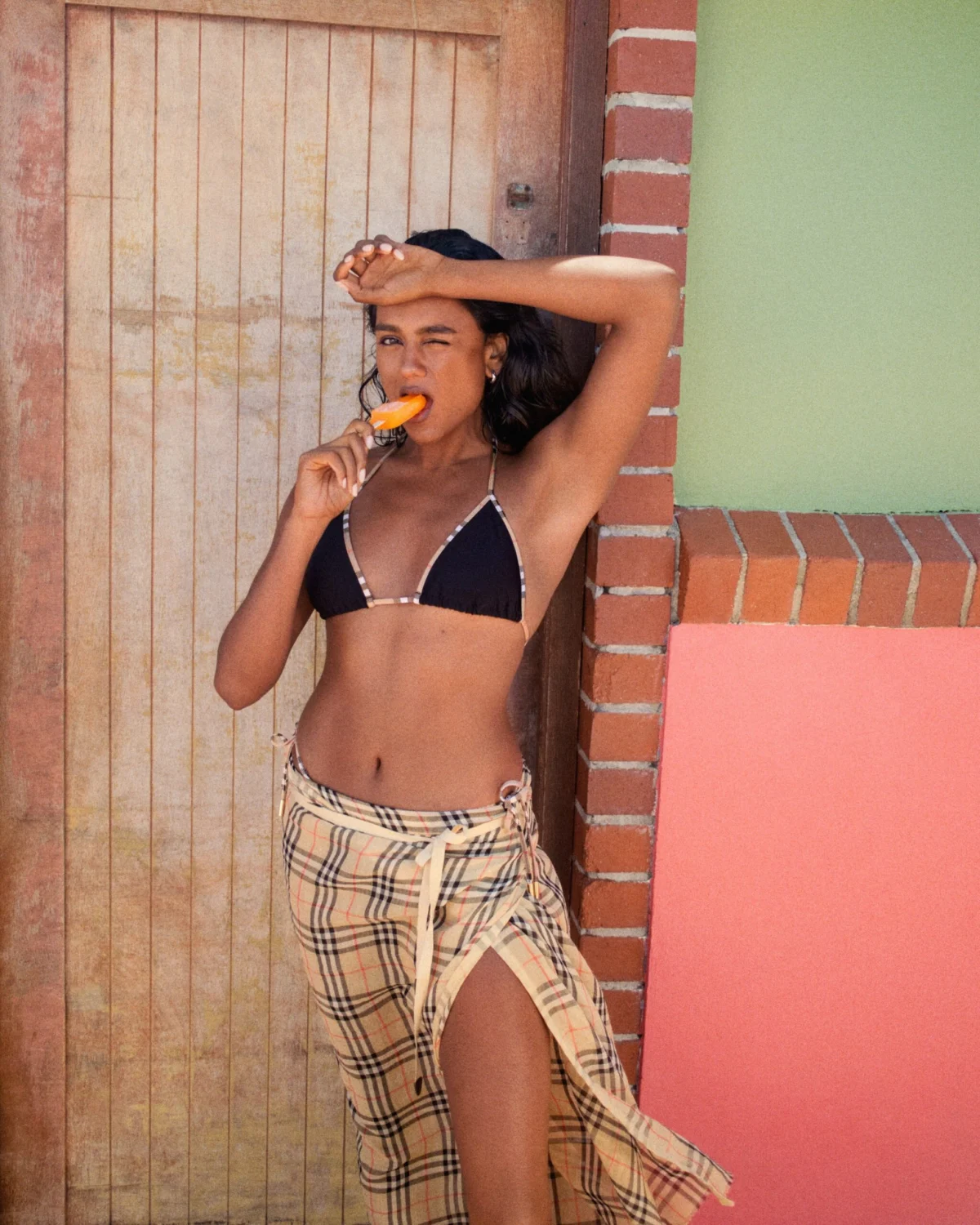
For heritage brands like Chanel and Burberry, these campaigns are an exercise in brand maintenance and evolution. Burberry’s recent imagery, captured by acclaimed photographer Ryan McGinley, emphasizes a relaxed, outdoor lifestyle that seeks to reconcile the brand’s rugged British heritage with a modern, aspirational luxury. By placing models in poolside environments, the brand signals a shift toward lifestyle-oriented luxury that extends beyond its traditional trench coats and heavy woolens.

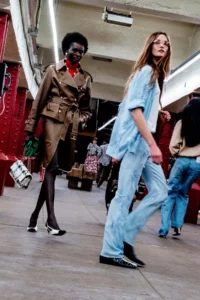
Conversely, brands like Moncler continue to bridge the gap between high-performance technical gear and high-fashion aesthetics. Their latest visuals, which feature striking pops of color and textured outerwear, highlight the brand’s dominance in the "luxury utility" space. This segment has seen significant growth as consumers increasingly prioritize functionality alongside brand status.

High-Profile Collaborations and the Role of the Fashion Photographer
The success of these campaigns often hinges on the choice of photographer, as the creative synergy between the brand and the lensman defines the season’s "mood." The current roster of campaigns features an elite group of image-makers, including Steven Meisel, Tim Walker, Craig McDean, and the duo Inez and Vinoodh.

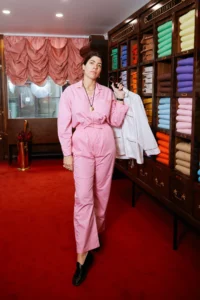
Steven Meisel’s work for Miu Miu and Aerie demonstrates the photographer’s unique ability to elevate both high-luxury and accessible retail brands. For Miu Miu, Meisel uses a vibrant, color-blocked set to emphasize the brand’s playful yet sophisticated identity. Interestingly, his involvement with Aerie, a brand known for its focus on body positivity and accessible price points, suggests a "democratization of the fashion image," where mass-market retailers utilize high-fashion talent to enhance their brand equity.

Tim Walker’s contribution to the McQueen campaign further pushes the boundaries of fashion photography. Known for his whimsical and often surreal style, Walker’s underwater scenes for the house of McQueen serve as a tribute to the brand’s history of theatricality and avant-garde innovation. These images are designed to be "scroll-stopping," providing the brand with the high-impact visual capital necessary to maintain its position as a leader in creative fashion.

Market Context and Economic Supporting Data
The release of these campaigns occurs against a backdrop of complex economic indicators for the luxury sector. According to recent reports from Bain & Company and Altagamma, the global luxury goods market reached approximately €362 billion in 2023, but growth has begun to normalize following a post-pandemic surge. In 2024, the industry is expected to see a more modest growth rate of 4% to 6%, as consumers in key markets like the United States and China become more selective in their spending.

Supporting data suggests that the "leather goods" category remains the most resilient segment of the luxury market, which explains the prominent placement of handbags in the campaigns for Chanel, Stella McCartney, and Ganni. For instance, Stella McCartney’s visuals prominently feature large, stylish handbags against minimalist backgrounds, emphasizing the product’s form and the brand’s commitment to sustainable, vegan materials. Ganni, a leader in the "contemporary luxury" space, utilizes leopard print ensembles and matching bags to tap into the current consumer trend for expressive, maximalist accessories.

| Brand Category | Key Visual Trend | Primary Photographer | Strategic Goal |
|---|---|---|---|
| Heritage Luxury (Chanel) | Relaxed Elegance | Craig McDean | Brand Longevity |
| Technical Luxury (Moncler) | Color Saturation | Internal/Moncler | Utility & Style |
| Contemporary (Ganni) | Print Maximalism | Gray Sorrenti | Youth Engagement |
| Avant-Garde (McQueen) | Surrealism/Underwater | Tim Walker | Artistic Prestige |
| Accessible (Aerie) | Interior Lifestyle | Steven Meisel | Brand Elevation |
Chronology of the Seasonal Cycle
The unveiling of these campaigns follows a strict industry chronology that aligns with the global fashion calendar.

- Post-Runway Analysis: Following the conclusion of the international fashion weeks in New York, London, Milan, and Paris, design houses finalize the "hero pieces" that will lead their commercial efforts.
- Campaign Production: During the late spring and early summer months, production teams, photographers, and stylists execute the shoots, often in remote or highly controlled studio environments.
- Digital Teasing: Brands begin releasing "behind-the-scenes" snippets on platforms like Instagram and TikTok to build anticipation among younger demographics.
- Full Reveal: The official launch typically occurs in late summer (for Fall/Winter collections) or early spring (for Spring/Summer collections), coinciding with the arrival of the garments in flagship stores and online retailers.
- Omnichannel Integration: The images are then integrated into window displays, digital billboards, and personalized e-commerce experiences.
Official Responses and Industry Sentiment
While luxury houses rarely issue formal press releases for every campaign image, the sentiment from creative directors and CEOs emphasizes a commitment to "storytelling over selling." In recent shareholder meetings, executives from LVMH (the parent company of many luxury brands) and Kering have noted that the "desirability" of a brand is its most valuable asset.

Industry analysts at McKinsey & Company have observed that the most successful campaigns in the current climate are those that provide a "holistic brand world." A spokesperson for the industry noted, "Today’s consumer is not just buying a product; they are buying into a narrative. Whether it is the sustainable ethos of Stella McCartney or the rebellious spirit of Jean Paul Gaultier, the campaign must serve as a credible entry point into that world."

Furthermore, the inclusion of brands like Ray-Ban and Ganni alongside the likes of Chanel highlights the "interconnectedness" of the modern wardrobe. Consumers are increasingly mixing high-end luxury with contemporary labels, a trend that retailers are reflecting in their marketing strategies by emphasizing versatile, "fashion-forward" outfits.

Broader Impact and Implications for the Future
The current shift in fashion marketing reflects broader societal and technological changes. The rise of Artificial Intelligence in image generation has, paradoxically, led to a renewed appreciation for high-production, human-led photography. The intricate underwater work of Tim Walker or the precision of Craig McDean’s portraiture for Chanel serves as a bulwark against the perceived "sterility" of AI-generated content.

Moreover, the emphasis on sustainability—most notably in the Stella McCartney campaign—indicates that "ethical luxury" is moving from a niche concern to a central pillar of brand identity. As regulatory bodies in the European Union and the United States introduce stricter "greenwashing" laws, brands are using their seasonal campaigns to visually demonstrate their commitment to responsible production.

The visual landscape of the current fashion season is a testament to the industry’s resilience and its ability to adapt to a changing world. By blending high-art photography with strategic commercial goals, brands like Burberry, Moncler, and McQueen are not just selling clothes; they are defining the cultural aesthetic of the moment. As the global economy continues to fluctuate, these visual narratives will remain the primary vehicle through which the fashion industry communicates its value, its dreams, and its enduring relevance to the global consumer.

In conclusion, the convergence of these diverse campaigns suggests a period of "aesthetic pluralism" in fashion. There is no single dominant trend; instead, there is a collection of distinct "brand universes" competing for attention. From the striped, abstract patterns of Jean Paul Gaultier’s bodysuits to the quiet, vintage-inspired interiors of the Aerie campaign, the industry is offering a broad spectrum of identities for the modern consumer to adopt. As these images circulate through the digital and physical worlds, they will continue to shape our understanding of luxury, style, and the power of the image in the 21st century.