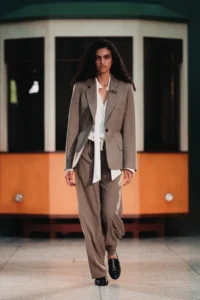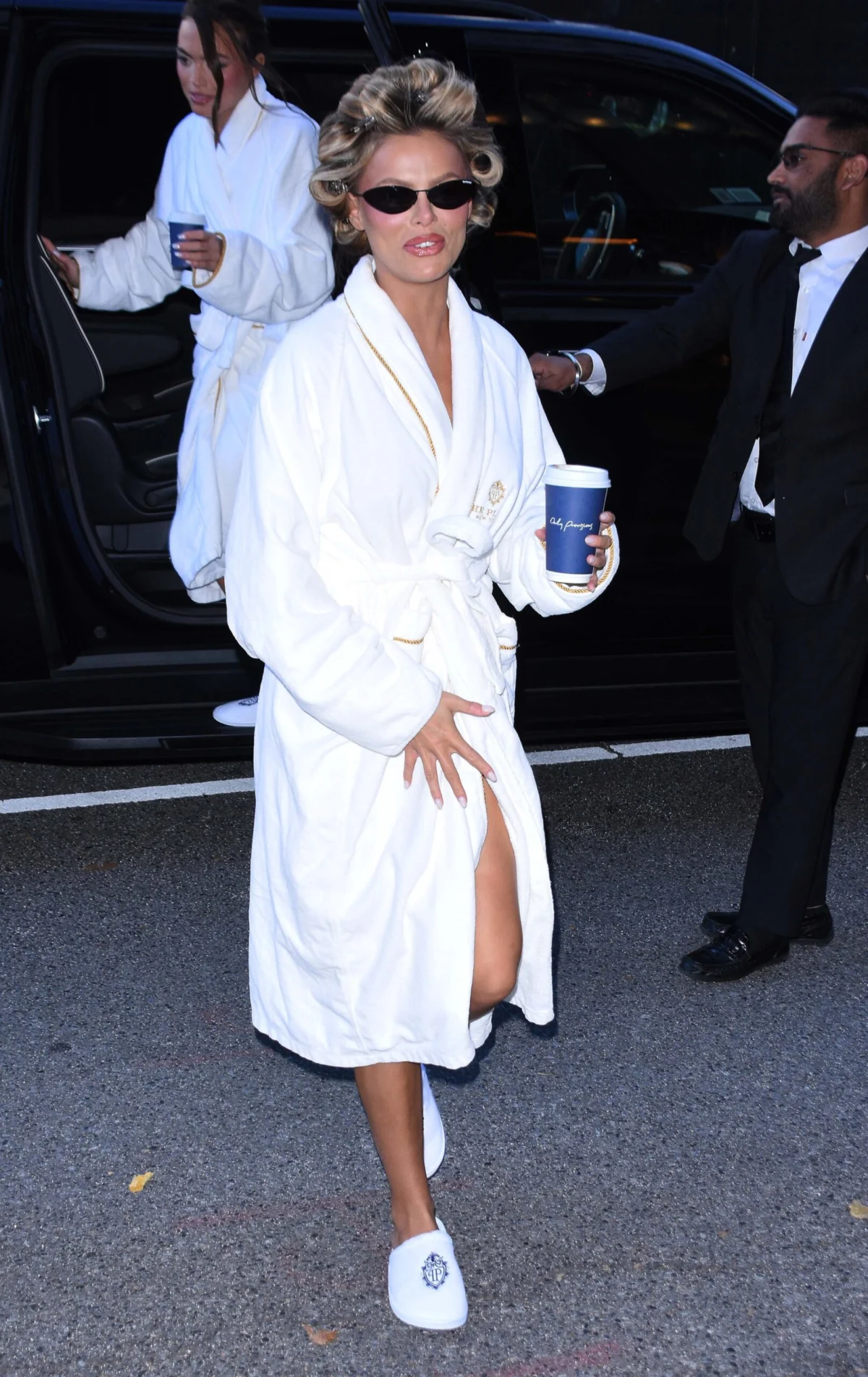
The traditional boundaries of footwear have undergone a profound transformation over the last decade, as the once-private domain of house slippers has effectively migrated into the public sphere of daily high-fashion and street-style wardrobes. What was once considered an item of domestic utility—reserved exclusively for carpeted floors and private mornings—has evolved into a versatile accessory that now complements tailored coats, straight-leg denim, and professional attire. This shift represents more than a mere trend; it is a fundamental realignment of consumer values, prioritizing long-term comfort without sacrificing the aesthetic rigor of modern dressing.
The Evolution of the Casual Footwear Market
The transition of the slipper from a bedroom staple to a fashion-forward street shoe began in earnest during the mid-2010s, a period marked by the broader "athleisure" revolution. As professional codes of dress softened, the footwear industry identified a vacuum in the market: consumers were no longer satisfied with the stark dichotomy between rigid formal footwear and purely functional, low-quality house slippers.
According to market research data from the footwear sector, the "comfort-first" category has seen a compound annual growth rate (CAGR) of nearly 6% since 2020. This growth is largely driven by a demographic of urban professionals who, following the global shift in workplace environments, have demanded footwear that offers the structural support of a shoe with the plush interior of a slipper. Consequently, brands have begun to treat the slipper not as a peripheral item, but as a core product category requiring the same level of design innovation as luxury sneakers or boots.
Design Innovation: The Intersection of Utility and Aesthetic
The current market landscape is characterized by a "hybridization" of styles. Legacy brands and emerging labels are actively re-engineering the slipper to withstand the rigors of city life. This includes the integration of durable, vulcanized rubber outsoles, high-grade shearling linings, and weather-resistant exteriors.
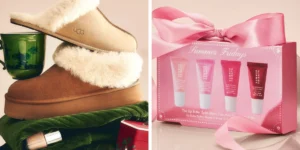
Ugg, a brand historically synonymous with the sheepskin boot, has been at the forefront of this evolution. By introducing Western-inspired silhouettes and refined design details, the company has effectively bridged the gap between the rugged durability of a cowboy boot and the soft, cushioned experience of a house shoe. This strategy acknowledges that the modern consumer seeks a "relaxed alternative" that does not compromise on the visual language of current fashion trends.
Similarly, the collaborative efforts between specialized footwear labels, such as Brunch, and lifestyle brands like Madhappy, underscore a shift toward the "lifestyle product." The recent introduction of crochet-knit slippers lined with shearling serves as a prime example of this trend. By utilizing materials traditionally reserved for high-end knitwear, these brands have transformed the slipper into a tactile fashion statement. Joshua Sitt, co-founder of Brunch, notes that the conceptual goal was to elevate the "hotel slipper" archetype—an object previously associated only with temporary travel—into a permanent, daily-wear essential.
The Timeline of the Slipper Renaissance
The journey of the slipper into the fashion spotlight can be categorized into three distinct phases:

- The Foundation (2010–2018): The rise of the "cozy" movement, characterized by the normalization of athletic gear in non-athletic settings. Slippers began appearing in casual, neighborhood-focused street style, primarily in urban centers.
- The Catalyst (2020–2022): The global health crisis served as an unprecedented accelerator. As work-from-home culture became the norm, the distinction between indoor and outdoor footwear began to erode. Consumers invested in higher-quality slippers that could transition from a home office to a grocery store run.
- The Professionalization (2023–Present): Established luxury and outdoor brands—including Hunter, Simkhai, and Alo—officially entered the category. These companies are now applying technical specifications to slipper construction, ensuring the products are suitable for walking, commuting, and social events.
Broadening the Market: Industry Perspectives
The movement is not limited to boutique brands. Major outdoor labels, including Hunter, have recognized that their customer base requires footwear that serves as a transitional piece. The inclusion of slipper-adjacent designs in their collections signals that the industry no longer views slippers as a "disposable" or "occasional" purchase.
Industry analysts suggest that the "pilates-to-coffee" demographic is a primary driver of this demand. For these consumers, a shoe must be functional enough for low-impact physical activity while remaining sufficiently polished for social interaction. Alo, which has established a dominant presence in the athletic-leisure space, has capitalized on this by creating slip-ons that maintain a sleek, minimalist profile, proving that the "slipper" can indeed be a legitimate component of a curated wardrobe.
Socio-Economic Implications and Future Outlook
The rise of the high-end slipper has forced a re-evaluation of how consumers allocate their clothing budgets. Historically, slippers were often viewed as an afterthought—a secondary purchase often acquired as a gift or a wedding favor. As Joshua Sitt observed, when consumers were previously asked about their footwear investments, the response was often minimal. Today, the slipper has become a "considered purchase," where consumers evaluate durability, material sourcing, and brand aesthetics.
This change in consumer behavior has significant implications for retail. Brands are moving away from seasonal, low-cost slipper production toward year-round, high-margin collections. The longevity of the trend is supported by the fact that it aligns with a larger, permanent shift toward ergonomic fashion. As more people prioritize comfort in their daily lives, the incentive to return to restrictive, uncomfortable footwear diminishes.
Furthermore, the environmental aspect of this shift cannot be ignored. By investing in a high-quality, durable slipper that can be worn both inside and outside, consumers are theoretically reducing the need for multiple, lower-quality pairs of shoes. This aligns with the broader industry trend toward "slow fashion," where quality and utility are prioritized over rapid consumption.
Conclusion
The evolution of the slipper is a microcosm of the changing relationship between the individual and their environment. We have moved past the era where footwear was strictly categorized by its utility; today, the lines are blurred in favor of comfort, versatility, and personal expression. Whether it is a Western-inspired slip-on paired with denim or a knit, shearling-lined option worn with wool trousers, the modern slipper has earned its place as a staple of the contemporary wardrobe.
As brands continue to experiment with materials, structural support, and design, the slipper will likely remain a fixture in fashion retail for the foreseeable future. The days of the "crickets" response when asked about one’s slipper collection are ending; in their place is a new, considered approach to footwear that recognizes the home as an extension of the world, and the world as a place that, increasingly, values the comfort of the home.