For consumers navigating the transition from internal combustion engines to electric propulsion, the primary hurdle remains the perceived complexity and availability of charging infrastructure. While public charging has historically been viewed as a potential dealbreaker for nearly half of all prospective electric vehicle (EV) shoppers, the landscape in 2024 has shifted dramatically. Infrastructure development is now keeping pace with—and in many corridors, exceeding—the volume of new EVs entering the highways. Technological advancements have led to quicker, more consistent charging sessions during long-distance travel, and a major industry-wide consolidation around a single connector standard is effectively removing the barriers to entry for new owners.
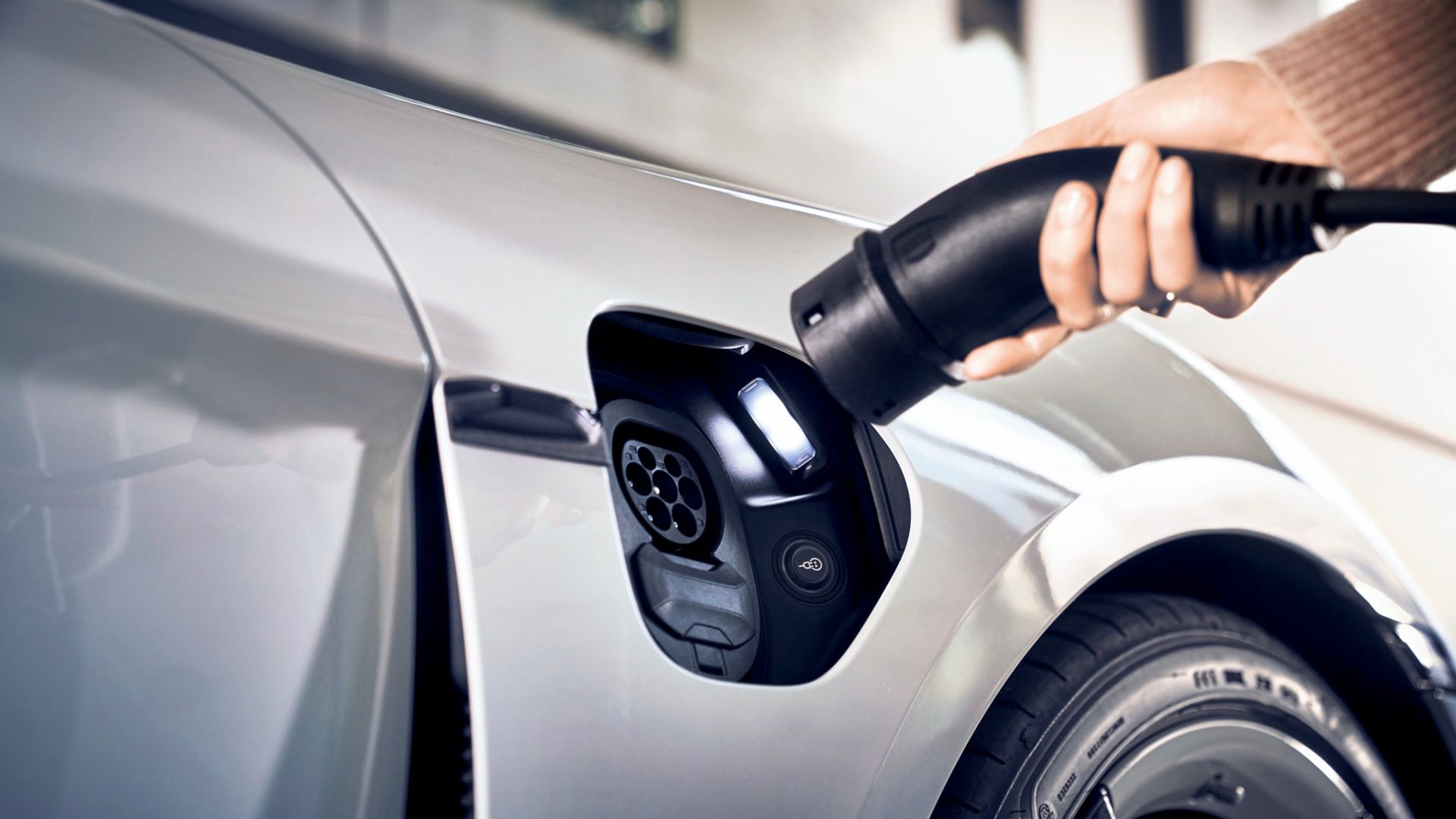
Transitioning to EV ownership requires a fundamental shift in how drivers perceive "fueling." Unlike the traditional model of driving a vehicle until the tank is nearly empty and then visiting a specialized station to fill it in minutes, EV ownership favors a "top-off" approach similar to smartphone usage. This paradigm shift—moving from a "running-on-empty" mindset to a "charge-nightly" routine—is the cornerstone of a successful EV ownership experience. As the industry matures, understanding the technical nuances of AC and DC power, connector types, and home installation requirements has become essential knowledge for the modern driver.
The Evolution of EV Charging Standards: A Brief Chronology
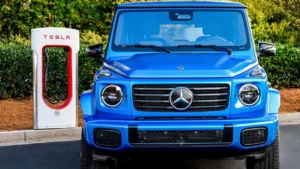
The path to the current charging landscape began in earnest in 2011 with the domestic launch of the Nissan Leaf and the Chevrolet Volt. At that time, the industry was fragmented. The Nissan Leaf utilized the Japanese-developed CHAdeMO standard for fast charging, while most other manufacturers eventually coalesced around the Combined Charging System (CCS). Simultaneously, Tesla developed its own proprietary network, known as the Supercharger network, which utilized a sleeker, more integrated connector.

By 2023, the industry reached a pivotal turning point often referred to as the "Great NACS Pivot." Led by Ford and General Motors, nearly every major automaker selling vehicles in North America committed to adopting Tesla’s North American Charging Standard (NACS), now officially standardized as J3400 by SAE International. This move ensures that by 2025 and 2026, the majority of new EVs will share a universal plug, granting them native access to the most reliable fast-charging network in the world. This consolidation is supported by the federal government’s National Electric Vehicle Infrastructure (NEVI) Formula Program, a $5 billion initiative aimed at creating a coast-to-coast network of high-speed chargers.
Technical Foundations: Understanding AC and DC Power
To master EV charging, one must distinguish between Alternating Current (AC) and Direct Current (DC). Electricity from the power grid and residential outlets is AC. However, batteries can only store energy as DC. Therefore, every EV is equipped with an "onboard charger" that converts AC power from a wall outlet or home station into DC power for the battery.
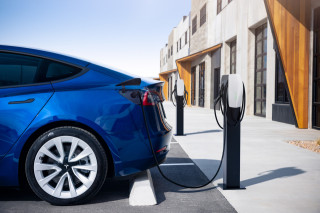
AC charging is typically categorized into Level 1 and Level 2. Level 1 (L1) uses a standard 120-volt household outlet. It is the slowest method, providing roughly 3 to 5 miles of range per hour. While insufficient for most full-battery electric vehicles (BEVs) with long commutes, it remains a viable option for plug-in hybrids (PHEVs) with smaller battery packs. Level 2 (L2) charging utilizes 240-volt circuits—the same used by heavy appliances like electric dryers. L2 charging is the "gold standard" for home use, capable of replenishing most EV batteries overnight by providing between 15 and 45 miles of range per hour.
DC Fast Charging, often referred to as Level 3 (L3), bypasses the vehicle’s onboard charger to deliver high-voltage DC power directly to the battery. This allows for significantly higher speeds, with modern stations delivering between 50 kW and 350 kW. At a 350 kW station, a compatible vehicle can charge from 10% to 80% in as little as 18 minutes. However, the charging speed is not linear; it follows a "charging curve" where the rate slows down significantly after the battery reaches 80% capacity to protect the chemical integrity of the cells.
The Geography of Charging: Home, Destination, and Fast Charging
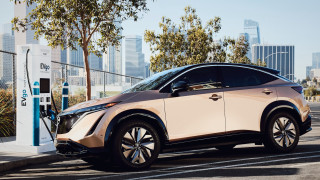
Industry data suggests that approximately 80% of EV charging occurs at home. For those with access to a garage or dedicated parking spot, the home charger serves as the primary "fueling" station. Beyond the home, "destination chargers" are typically Level 2 AC units found at hotels, workplaces, and shopping centers. These are intended for vehicles that will be parked for several hours.
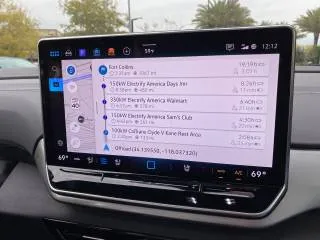
The third pillar is the DC fast-charging network, intended for mid-journey replenishment during road trips. In 2024, the reliability of these stations has become a focus for both private companies and the federal government. New regulations require stations funded by the NEVI program to maintain a 97% uptime, addressing a long-standing complaint regarding broken or non-functional public chargers. Furthermore, "Plug & Charge" technology (ISO 15118) is becoming more prevalent, allowing the vehicle to communicate directly with the charger and handle payment automatically, eliminating the need for multiple smartphone apps or credit card swipes.
Home Installation and the 80% Rule
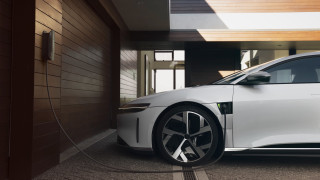
Installing a home charging station, or "Electric Vehicle Supply Equipment" (EVSE), requires careful electrical planning. A critical safety standard in electrical work is the "80% Rule," which dictates that a continuous load should not exceed 80% of the circuit’s maximum capacity. For example, a 50-amp circuit should only be used to power a 40-amp charger.
As EV batteries grow in size, some manufacturers are offering chargers capable of 19.2 kW, which requires a 100-amp circuit. For many older homes with 100-amp or 125-amp total service, such an installation is impossible without a costly utility service upgrade. However, experts note that a 40-amp circuit providing 7.7 kW is more than adequate for the vast majority of drivers, providing a full charge overnight even for large electric SUVs. Electricians now frequently recommend "load-balancing" or "smart-sharing" hardware for households with multiple EVs, allowing two cars to share a single circuit safely.
The Future of Charging: Wireless and Bidirectional Capabilities
While cables remain the standard, the future of EV charging includes wireless inductive technology. Companies like WiTricity and Siemens are developing pads that can be installed on garage floors, allowing a vehicle to charge simply by parking over them. While currently more expensive than wired stations, wireless charging offers a "set-and-forget" convenience that could eventually extend to "dynamic charging," where coils embedded in highways charge vehicles while they are in motion.
Perhaps the most significant "wildcard" in the industry is bidirectional charging. This technology allows the EV to act as a mobile power plant. Categorized as Vehicle-to-Home (V2H), Vehicle-to-Grid (V2G), or Vehicle-to-Load (V2L), it enables owners to power their homes during blackouts or sell energy back to the grid during peak demand hours. Major manufacturers like Ford, General Motors, and Tesla have all committed to integrating bidirectional capabilities into their future lineups. This transforms the EV from a mere transportation tool into a critical component of the residential and national energy ecosystem.
Social Implications: The New Etiquette of the Road
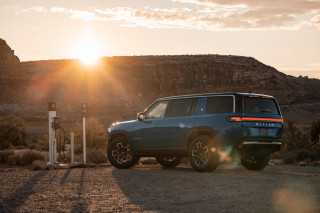
As the EV community grows from a niche group of early adopters to a mainstream demographic, a new set of social norms—charging etiquette—has emerged. Professional organizations and driver associations emphasize several key rules to ensure the infrastructure remains accessible to all.
First, the "parking is not charging" rule remains paramount. Occupying a charging stall after a session is complete is increasingly met with "idle fees" from network operators like Tesla and Electrify America. Second, drivers are encouraged to "match the charger to the car." A vehicle with a maximum intake of 50 kW should not occupy a 350 kW ultra-fast charger if a lower-speed unit is available, as this prevents faster-charging vehicles from utilizing the station’s full potential. Finally, the physical security of the equipment is a collective responsibility; properly holstering connectors after use prevents damage from moisture or accidental impact.
Analysis of Broader Impacts
The widespread adoption of EV charging infrastructure has implications far beyond the automotive sector. Utilities are now forced to modernize grids to handle localized surges in demand. However, through smart charging—where vehicles charge during off-peak hours—EVs can actually help stabilize the grid by utilizing excess renewable energy generated at night or during mid-day solar peaks.
Economically, the shift toward NACS and the influx of federal funding have created a "gold rush" in the charging sector. Companies that once competed on proprietary standards are now competing on "amenity-based" charging, where stations are located near high-quality retail, dining, and restrooms. This transition represents the final stage of the EV’s journey into the mainstream: it is no longer just about the car, but about the seamless integration of energy, technology, and lifestyle. As we move through 2024 and beyond, the "dealbreaker" of charging is rapidly becoming a relic of the past, replaced by a sophisticated, standardized, and increasingly invisible infrastructure.