The automotive industry is currently experiencing a profound shift in consumer and enthusiast sentiment, driven by a phenomenon often described by the adage that hindsight is 20/20. As the transition toward electrification, digital integration, and autonomous driving features accelerates, a growing segment of the motoring public is revisiting vehicles that were once dismissed or undervalued during their initial production runs. This retrospective appreciation is not merely rooted in nostalgia but is a calculated response to the loss of tactile interfaces, such as physical buttons and hydraulic steering systems, which once defined the driving experience. Among the vehicles currently undergoing a significant reputational recovery, the third-generation Toyota MR2, known as the MR2 Spyder, stands as a primary case study in how changing market conditions can transform a perceived failure into a celebrated classic.
The Evolution of the Toyota MR2: A Chronological Overview
To understand why the Toyota MR2 Spyder is garnering newfound respect, it is essential to examine the lineage of the MR2 nameplate. Introduced in 1984, the first-generation MR2 (AW11) was a revolutionary mid-engine sports car that prioritized lightness and agility. It was followed by the second-generation (SW20) in 1989, which moved the brand upmarket. The SW20 was larger, more powerful, and featured styling cues reminiscent of contemporary Ferraris, earning it the nickname "the baby Ferrari."
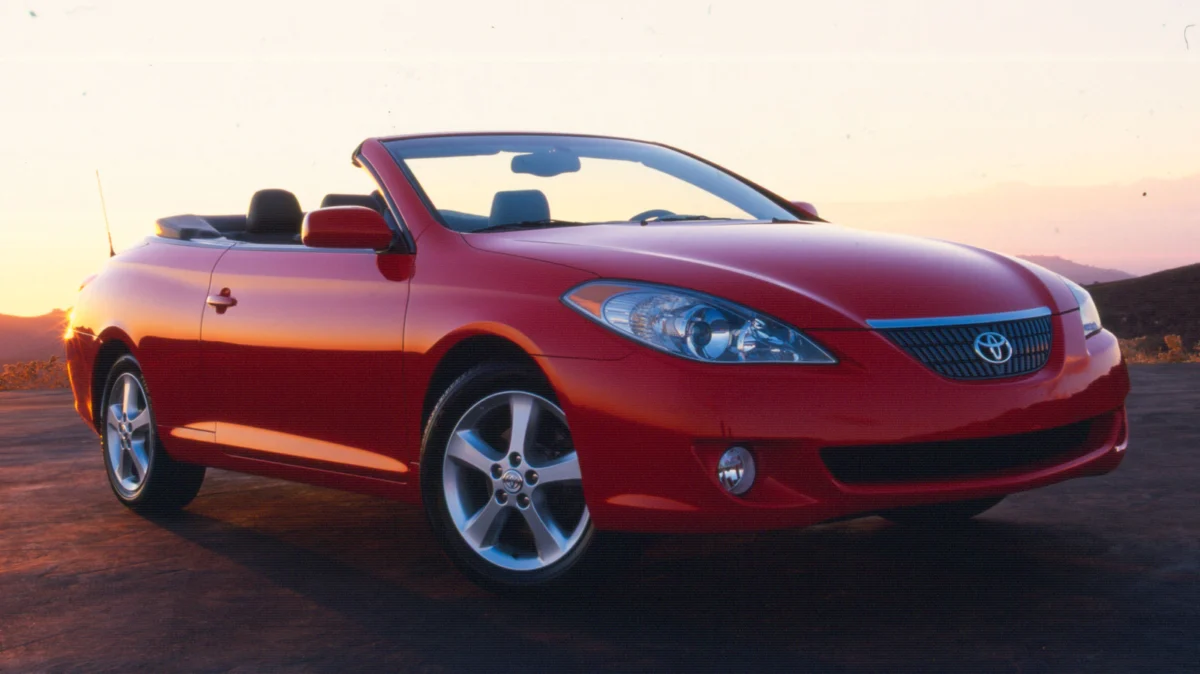
However, by the late 1990s, the sports car market was shifting. Toyota responded with the third-generation ZZW30, rebranded as the MR2 Spyder in the United States, the MR-S in Japan, and the MR2 Roadster in Europe. Launched in 1999 for the 2000 model year, the Spyder represented a radical departure from the SW20. It discarded the turbochargers and the grand-tourer ambitions of its predecessor in favor of a strictly open-top, lightweight philosophy. At the time, enthusiasts were critical of this pivot. The loss of a high-performance "GT" trim and the move toward a "cutesy" aesthetic were seen by many as a regression.
Technical Specifications and Market Context
The MR2 Spyder was engineered with a singular focus on weight reduction and handling dynamics. While its predecessors had grown increasingly heavy, the ZZW30 weighed in at just under 2,200 pounds (approximately 996 kg). For comparison, the contemporary Porsche Boxster weighed nearly 2,800 pounds, and even the Mazda MX-5 Miata of the era was comparable or slightly heavier depending on the trim.
Under the hood—or rather, behind the driver—sat the 1.8-liter 1ZZ-FED inline-four engine featuring VVT-i (Variable Valve Timing with intelligence). It produced 138 horsepower and 125 lb-ft of torque. While these figures were modest compared to the 200+ horsepower turbocharged SW20, the Spyder’s power-to-weight ratio allowed for a 0–60 mph time of roughly 6.8 to 7.0 seconds.
Despite these engineering achievements, the car faced stiff competition. The turn of the millennium saw a "roadster renaissance" with the release of the Honda S2000, the BMW Z3, and the refreshed Mazda Miata. The MR2 Spyder was often criticized for its lack of practical storage space—having no traditional trunk, only small bins behind the seats—and its divisive "frog-like" front fascia.
The Shift in Enthusiast Sentiment
Two decades after its debut, the narrative surrounding the MR2 Spyder has shifted from criticism of its limitations to admiration for its purity. This change in heart is largely attributed to the current state of the automotive market, where vehicles have become increasingly heavy, complex, and visually aggressive.
Industry analysts note that the "imposing and aggressive" design language prevalent in modern SUVs and trucks has created a counter-cultural demand for "whimsical" and "approachable" designs. The MR2 Spyder, once mocked for its soft lines, is now viewed as a refreshing alternative to the "angry" aesthetic of the 2020s. Furthermore, the simplicity of its mechanical components makes it an attractive option for enthusiasts who are wary of the long-term maintenance required for modern turbocharged engines and complex infotainment systems.
The respect for the Spyder also stems from its "analog" nature. In an era where electric power steering (EPS) often results in a numb road feel, the MR2 Spyder’s communicative steering and mid-engine balance offer a level of driver engagement that is increasingly rare. As modern cars transition to steer-by-wire and brake-by-wire systems, the tactile feedback of a lightweight, mid-engined roadster from the early 2000s has become a premium commodity.
Comparative Data: Then vs. Now
The following data illustrates the widening gap between the era of the MR2 Spyder and the modern automotive landscape, highlighting why such vehicles are being re-evaluated:
| Feature | 2002 Toyota MR2 Spyder | 2024 Typical Sports Coupe |
|---|---|---|
| Curb Weight | ~2,195 lbs | 3,300 – 3,800 lbs |
| Steering | Hydraulic/Electric Hybrid | Full Electric (EPS) |
| Interior Interface | Physical Knobs/Buttons | Touchscreens/Haptic Sensors |
| Wheelbase | 96.5 inches | 105+ inches |
| Engine Complexity | Naturally Aspirated I4 | Turbocharged/Hybrid Systems |
This data underscores the "lightness" that defined the Spyder. Modern safety regulations, including crumple zones and multiple airbag systems, have made it nearly impossible for manufacturers to produce a car at the 2,200-pound mark today. Consequently, the MR2 Spyder is now respected as a pinnacle of a weight-class that no longer exists in the mass market.
Broader Implications for the Used Car Market
The renewed respect for models like the MR2 Spyder is reflected in market valuations. Data from automotive auction platforms such as Bring a Trailer and Cars & Bids show a steady appreciation in the value of well-maintained ZZW30 models. While they were once available for as little as $5,000 to $8,000 on the secondary market, low-mileage examples are now frequently commanding prices between $15,000 and $25,000.
This trend is not limited to Toyota. Other vehicles that were misunderstood at launch, such as the first-generation Honda Insight (for its uncompromising focus on aerodynamics) or the Pontiac Aztek (now respected for its pioneering crossover utility despite its styling), are seeing similar re-evaluations. Collectors and drivers are moving away from raw horsepower figures and toward "experiential" value—how a car makes the driver feel at legal speeds.
Official Industry Perspectives and Reactions
While Toyota has not officially commented on the rising cult status of the MR2 Spyder specifically, the company has acknowledged the importance of its "Three Brothers" sports car heritage (the Supra, Celica, and MR2). Akio Toyoda, the former CEO and current Chairman of Toyota, has been a vocal advocate for "fun-to-drive" vehicles, which led to the development of the GR86 and the GR Supra.
Rumors of a fourth-generation MR2 have circulated in the automotive press for years. Concept cars like the Toyota FT-Se, an all-electric mid-engine design, suggest that the company is looking at the MR2’s legacy of lightness and balance as a blueprint for future performance EVs. The fact that Toyota is even considering a return to the mid-engine layout is a testament to the enduring respect for the platform that the Spyder helped sustain.
Conclusion: The Enduring Value of Simplicity
The revaluation of the Toyota MR2 Spyder serves as a broader commentary on the evolution of consumer desires. When the vehicle was new, the market demanded more power, more luxury, and more "seriousness." Today, in a world of 4,000-pound electric sedans and screen-heavy dashboards, the market values what the Spyder offered all along: simplicity, lightness, and a playful character.
The respect now afforded to the MR2 Spyder is a reminder that automotive excellence is not always measured by 0–60 times or lap records at the Nürburgring. Instead, it is often found in the harmony between driver and machine—a quality that often becomes more apparent only after it has begun to disappear from the new car showrooms. As the industry continues its digital transformation, it is likely that more "analog" outliers from the late 90s and early 2000s will be pulled from the shadows of history and given the respect they were denied in their own time.