The onset of the winter season presents a significant challenge to both individual productivity and personal sartorial standards. As temperatures drop and meteorological conditions become increasingly volatile—characterized by icy precipitation and sub-freezing wind chills—the necessity for a structured, functional, and highly versatile wardrobe becomes paramount. Fashion industry analysts have observed a growing trend toward the "capsule wardrobe" methodology, a concept rooted in the intentional curation of high-quality staples that prioritize longevity and utility over rapid consumption cycles. By focusing on a lean, modular collection of garments, professionals can mitigate the "decision fatigue" associated with morning routines, ensuring that functionality remains consistent even when environmental conditions are at their most extreme.
The Evolution and Economic Context of Capsule Wardrobes
The capsule wardrobe concept, which gained significant traction in the 1970s through the work of boutique owner Susie Faux, has seen a resurgence in the 2020s. This shift is driven by a combination of economic factors—including the rising cost of high-quality textiles—and an increasing consumer emphasis on sustainability. According to a 2023 retail market analysis, the demand for "investment pieces" (items with a cost-per-wear ratio that justifies a higher initial price point) has increased by 14% year-over-year. Consumers are pivoting away from fast-fashion cycles, opting instead for natural fibers such as wool and cashmere, which offer superior thermal regulation compared to synthetic alternatives.
For the modern professional, a winter capsule is not merely a stylistic choice; it is a logistical necessity. In regions where average winter temperatures frequently dip below freezing, the failure to employ proper layering techniques can lead to reduced mobility and discomfort, which directly impacts performance in workplace settings.
Foundational Building Blocks: A Technical Assessment
To construct an effective winter wardrobe, one must approach garment selection through the lens of performance. The following categories represent the essential infrastructure required for navigating the winter season.
The Outerwear Imperative: Wool and Thermal Insulation
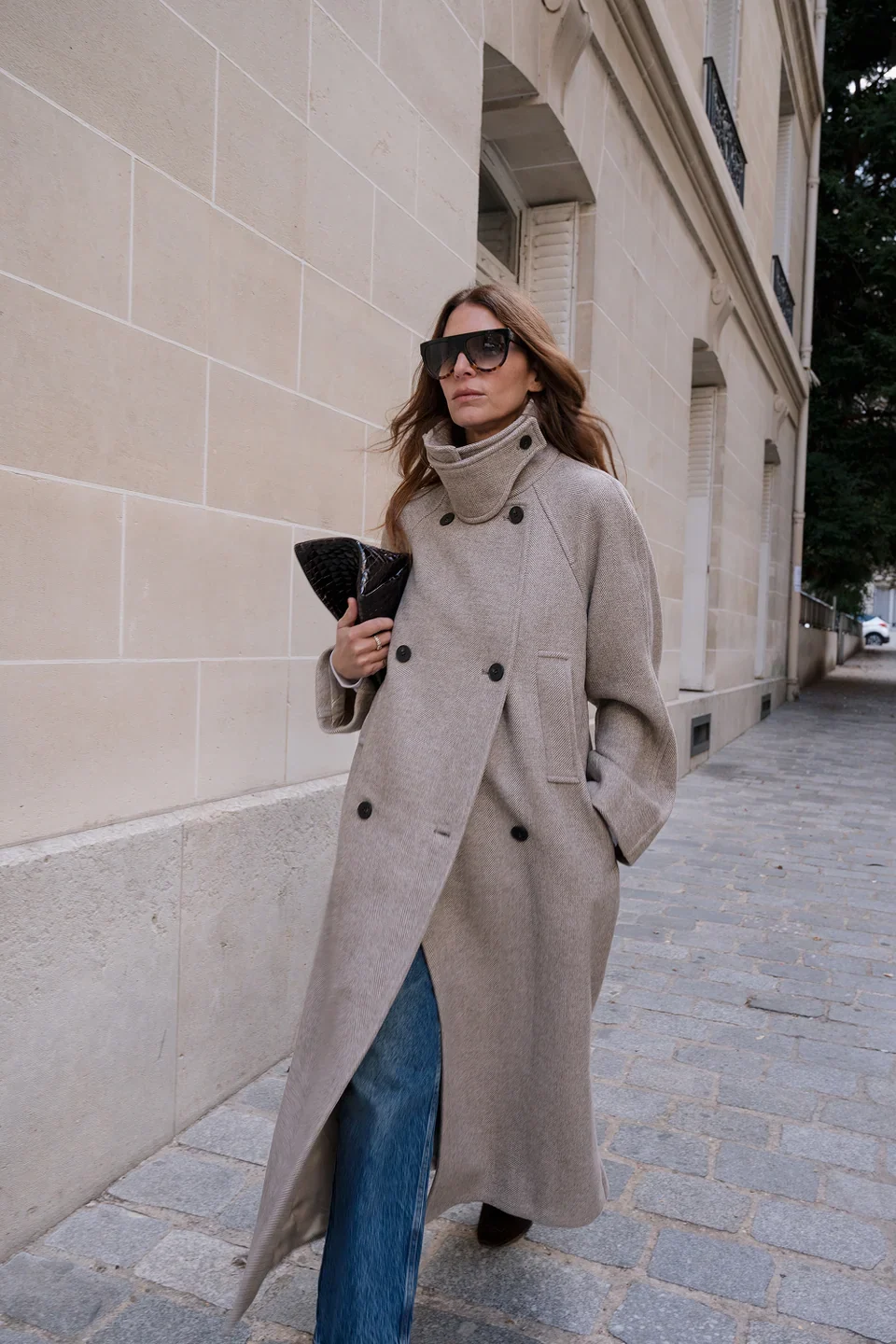
The wool coat serves as the primary barrier against the elements. From a textile science perspective, wool remains the gold standard due to its natural moisture-wicking properties and its ability to maintain structural integrity in high-humidity conditions. Unlike down-filled synthetic jackets, which can lose insulating properties if saturated, wool provides consistent warmth. Industry experts recommend seeking coats with a high percentage of virgin wool or cashmere blends to ensure durability, as these fabrics resist the pilling and wear often associated with cheaper, recycled-fiber blends.
Traction and Stability: The Engineering of Winter Footwear
Walking on frozen or slick surfaces poses a significant safety risk. Consequently, the transition from aesthetic-focused footwear to utility-driven designs is a critical winter adjustment. Modern lug-sole boots, often constructed with vulcanized rubber or treated leather, provide the necessary friction coefficient required to navigate icy urban infrastructure. Weatherproofing—typically achieved through specialized waxes or factory-applied membranes—is essential. Suede, while fashionable, is widely discouraged in high-precipitation environments due to its susceptibility to salt damage and moisture saturation, which can permanently compromise the leather’s structural fiber.
Layering Systems: Turtlenecks and Cashmere
The "layering system" is a common strategy in outdoor athletics that is increasingly being adapted for office environments. The turtleneck serves as a base or mid-layer, effectively sealing in body heat around the neck and throat, a key area for heat loss. When paired with high-quality cashmere knitwear, this combination provides maximum warmth without adding excessive bulk. Cashmere, though requiring a higher capital investment, offers a superior warmth-to-weight ratio, making it an ideal material for professional settings where heavy, cumbersome layers may be impractical.
The Role of Accessories in Thermal Regulation
Accessories often dismissed as purely aesthetic are, in fact, vital components of the body’s thermoregulation system. Heat loss from the head and extremities is a major contributor to core temperature drops.
- Headwear: The adoption of balaclavas, knit hoods, or traditional ushankas is supported by physiological data suggesting that protecting the head and ears significantly delays the onset of cold-induced discomfort.
- Scarves: Beyond their role as a fashion statement, scarves act as an adjustable thermal regulator. A heavy-gauge scarf allows the wearer to control the temperature of their upper body by adjusting the wrap, providing flexibility as one moves between outdoors and heated interiors.
- Shearling Accessories: Shearling, known for its dense wool pile, serves as an excellent insulator. Bags or gloves featuring shearling accents are not only durable but provide a functional layer of protection against the cold when handling frozen metal or exterior surfaces.
Industry Standards and Consumer Guidelines
The fashion industry has faced mounting pressure to refine its manufacturing practices, particularly regarding the use of animal products. Leading retail institutions, including ELLE and various luxury fashion houses, have implemented strict policies prohibiting the use of real fur. This shift has accelerated the innovation of high-quality faux-fur alternatives that mimic the texture and thermal capacity of traditional materials without the associated ethical concerns. Consumers are encouraged to verify product labels to ensure that garments meet these evolving sustainability and ethical standards.
Implications for Workplace Productivity
The psychological impact of dressing for the weather cannot be overstated. A study conducted by environmental psychologists indicates that individuals who are physically comfortable in their environment—specifically those whose clothing provides adequate protection from external temperatures—demonstrate higher levels of focus and lower levels of stress-related fatigue. By curating a selection of long-sleeve dresses, sturdy trousers, and durable knitwear, professionals can remove the friction of daily decision-making, allowing them to redirect that cognitive energy toward their professional responsibilities.
Future Trends and Sustainability Outlook
Looking ahead, the market for winter staples is expected to continue its focus on "circular fashion." This involves the repair and resale of high-quality coats and boots, extending the lifecycle of these items and reducing the environmental footprint of the fashion sector. Brands are increasingly offering repair services for their products, further reinforcing the shift toward durable, long-term ownership rather than seasonal disposal.
In summary, the transition into a winter-ready wardrobe is an exercise in resource management. By prioritizing materials that offer long-term performance, focusing on footwear that ensures safety on compromised surfaces, and adhering to a layering philosophy, individuals can maintain their professional standard while safely navigating the challenges of the winter season. The capsule wardrobe is not merely an aesthetic preference; it is a tactical response to the physical constraints of a changing climate, ensuring that style and survival remain perfectly in balance.