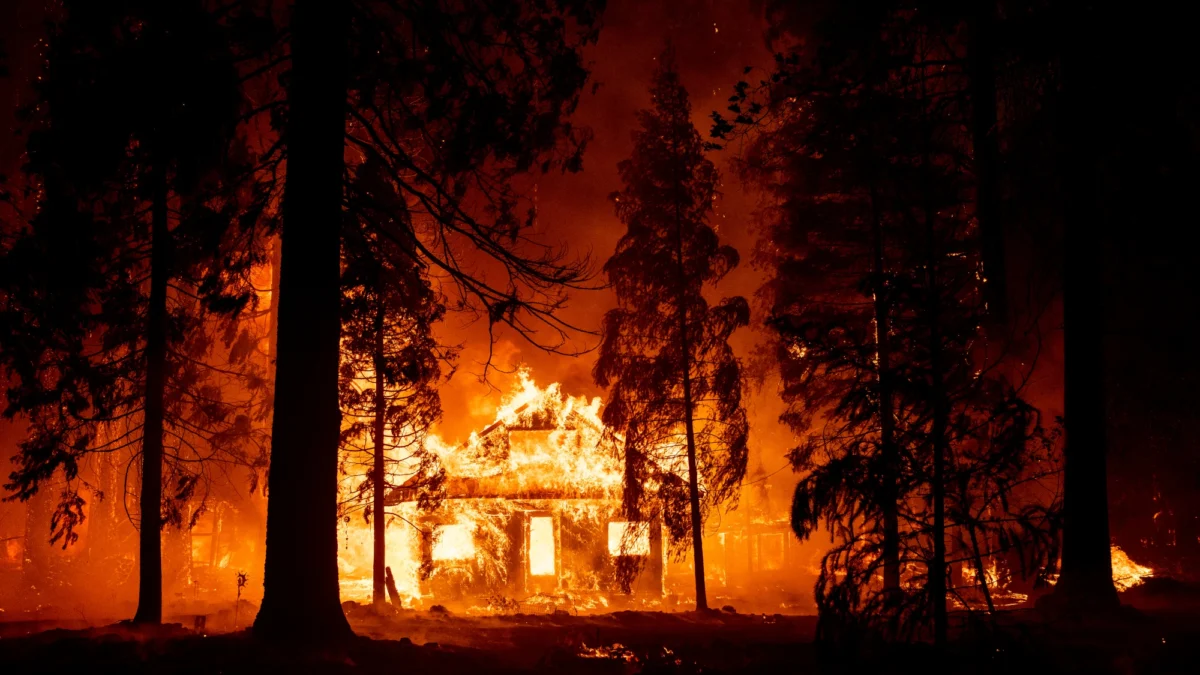
The modern American wildfire crisis is defined by a paradoxical tragedy: the very measures taken to protect forests are often the ones guaranteeing their destruction. For decades, federal land management agencies have operated under a doctrine of aggressive fire suppression. By treating every natural ignition as an immediate emergency to be stamped out with bulldozers, aircraft, and chemical retardants, the United States Forest Service and its partners have successfully choked off more than 98 percent of wildland fires. Yet, this high success rate in the short term has created a catastrophic long-term deficit, leaving continental-scale landscapes choked with accumulated brush, dead timber, and dense undergrowth.
This accumulated fuel load, combined with historic drought conditions and an extended fire season driven by climate change, has locked the American West into a self-perpetuating doom loop. As seasoned incident commanders, forest ecologists, and long-range policy experts look back on decades of rising suppression costs and increasingly explosive fire behavior, a consensus has emerged: the current strategy is failing, and the nation is paying an unsustainable price in both ecological health and public treasure.
The Anatomy of a Flawed Playbook: A Chronology of Suppression
The roots of the modern fire crisis trace back over a century of federal policy aimed at total fire exclusion. However, the modern manifestation of the crisis has accelerated dramatically over the last thirty years.
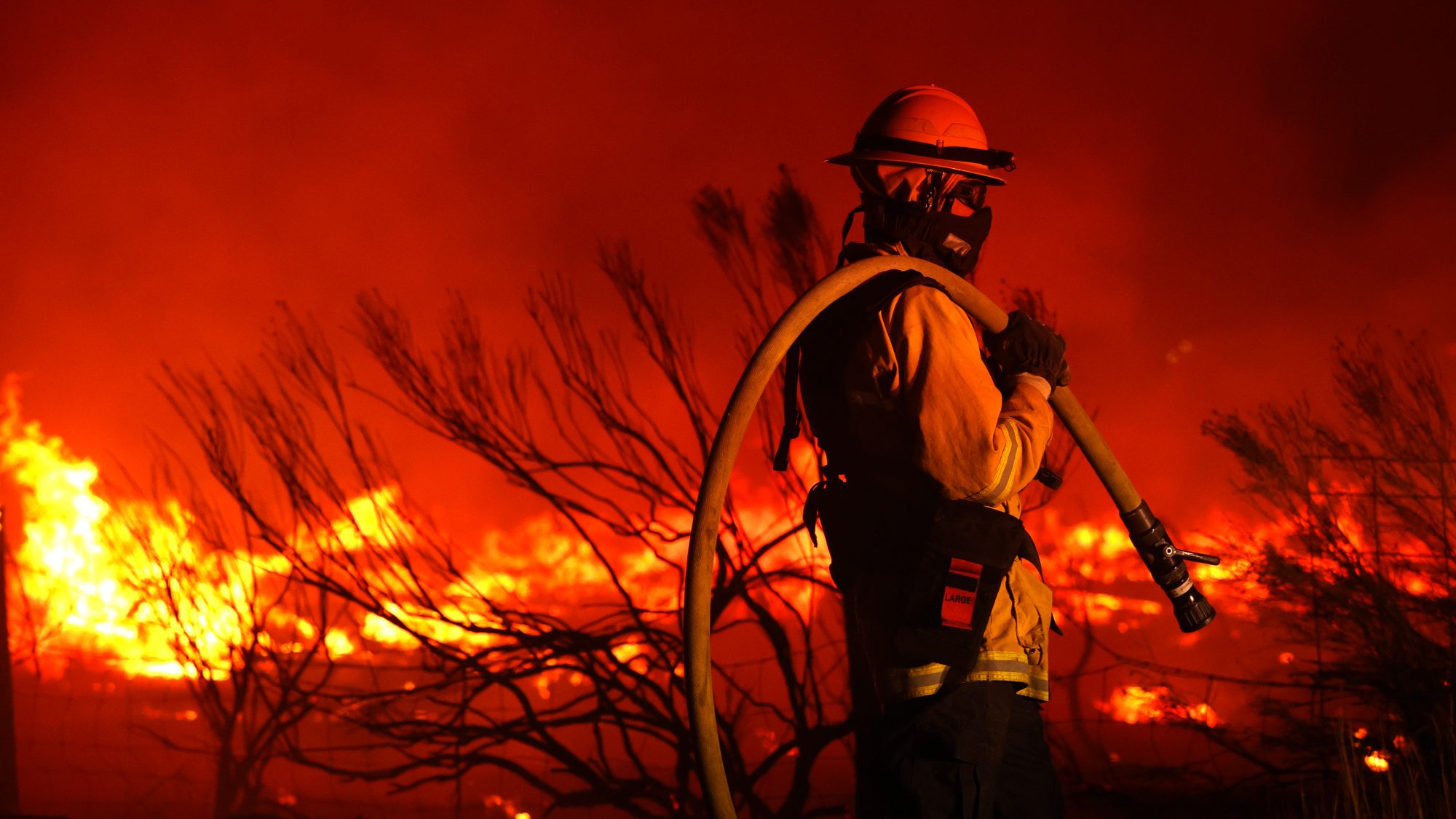
In August 2023, veteran U.S. Forest Service incident commander Dan Dallas found himself driving toward the Six Rivers National Forest in Northern California. Lightning strikes had ignited a sprawling web of canyons south of Orleans, threatening small communities nestled along the Klamath River on Karuk tribal land. Dallas, whose career has involved deploying to major incidents across the American West, was intimately familiar with the standard federal playbook: keep fires small, contain them quickly, and throw heavy machinery and aviation assets at the perimeter.
Yet, during his solitary drive from Colorado, a troubling realization crystallized. Dallas had repeatedly returned to the same regions multiple times over his career, fighting fires in the exact same footprints. He realized that aggressive containment was merely deferring ecological risk. "All I’m doing is deferring risk to this place," Dallas reflected. "I’m going to come back and protect it again."
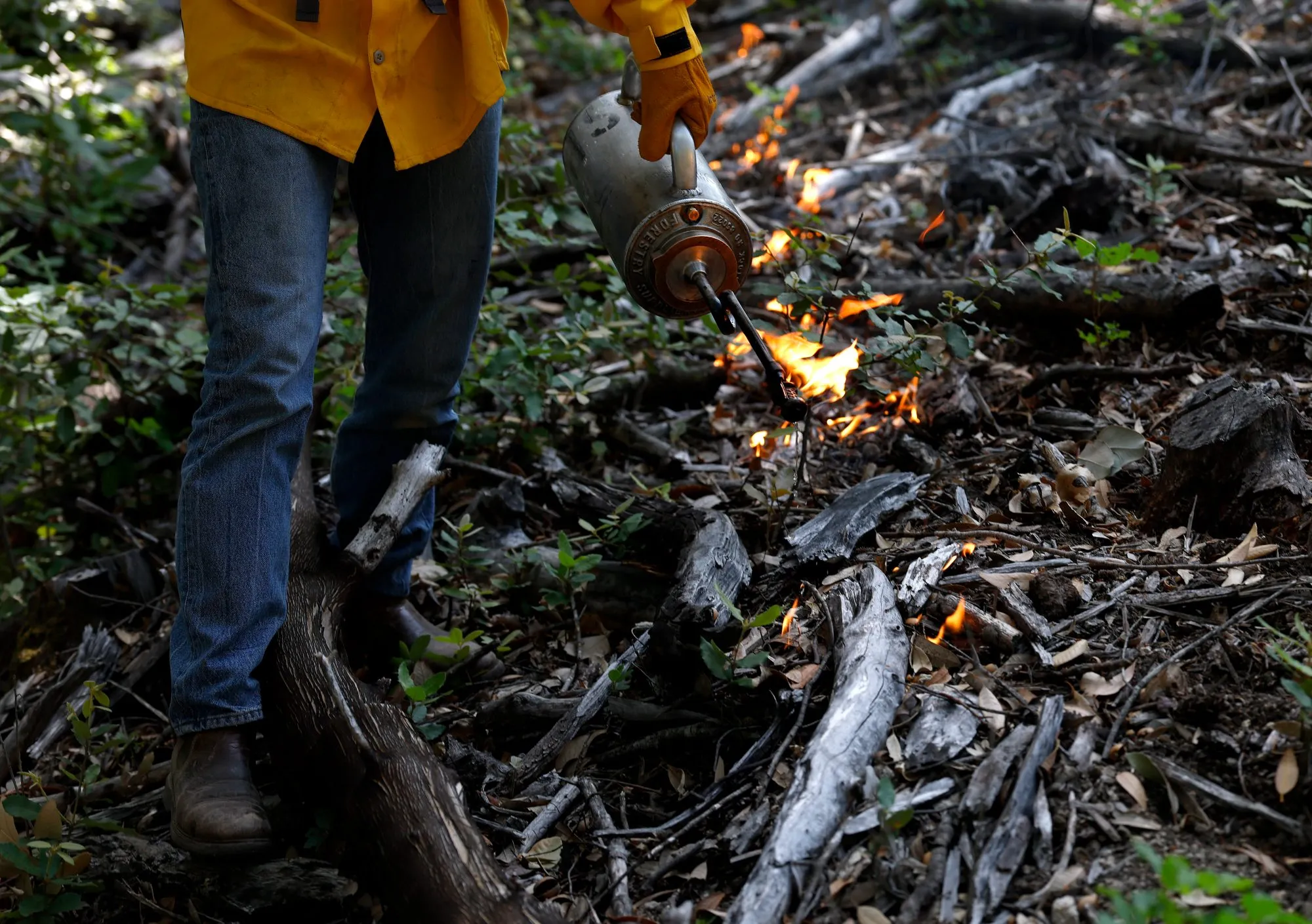
Upon arriving at Six Rivers, Dallas discovered that local forest supervisors and the Karuk Tribe shared his perspective. Favorable weather conditions—including morning fog rolling off the coast and recent mild rains—created an unexpected window resembling a prescribed fire season. Rather than tearing up the fragile landscape with heavy equipment, officials permitted the fire to creep along the forest floor across 50,000 acres. By clearing out accumulated underbrush at low intensity, the fire effectively reduced the fuel available for future, more destructive blazes.
While the Six Rivers strategy succeeded, it remains a rare exception in modern fire management. The broader trajectory of federal policy has swung back toward strict, uncompromising suppression, particularly under renewed administrative directives prioritizing full containment and expanded timber production on public lands.
Escalating Statistics and the Intermountain West Crisis
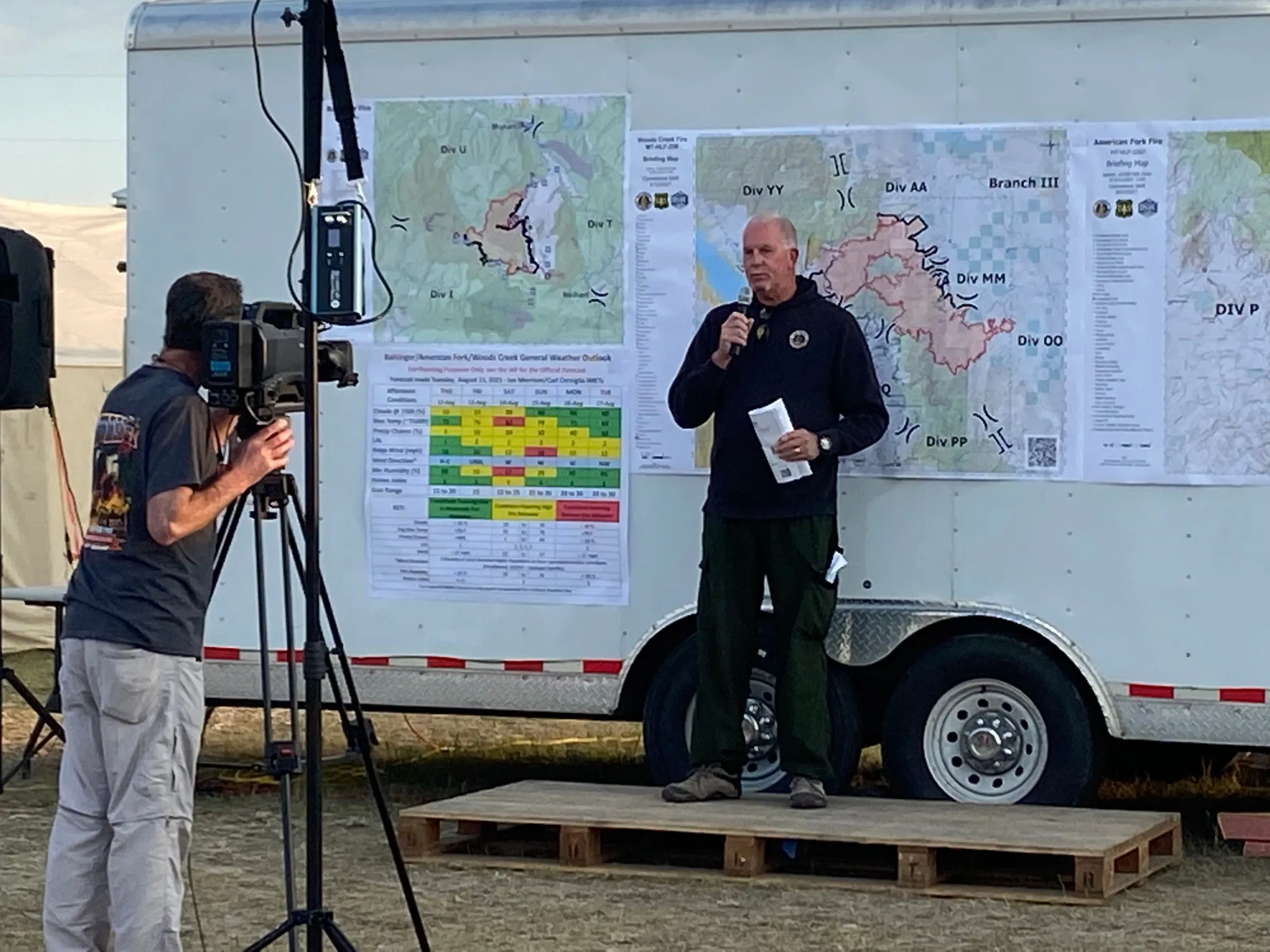
The consequences of universal fire suppression are clearly visible in contemporary federal reporting. According to National Interagency Fire Center (NIFC) data, the scale of wildland fires has outpaced historical averages by wide margins.
By late summer, nearly 73 percent of the Intermountain West experienced severe to exceptional drought, compounded by meager winter snowpacks that left timberlands primed to burn. Throughout the year, the U.S. government reported over 53,000 wildfires consuming more than 8 million acres—surpassing the decade’s average by approximately 3 million acres.
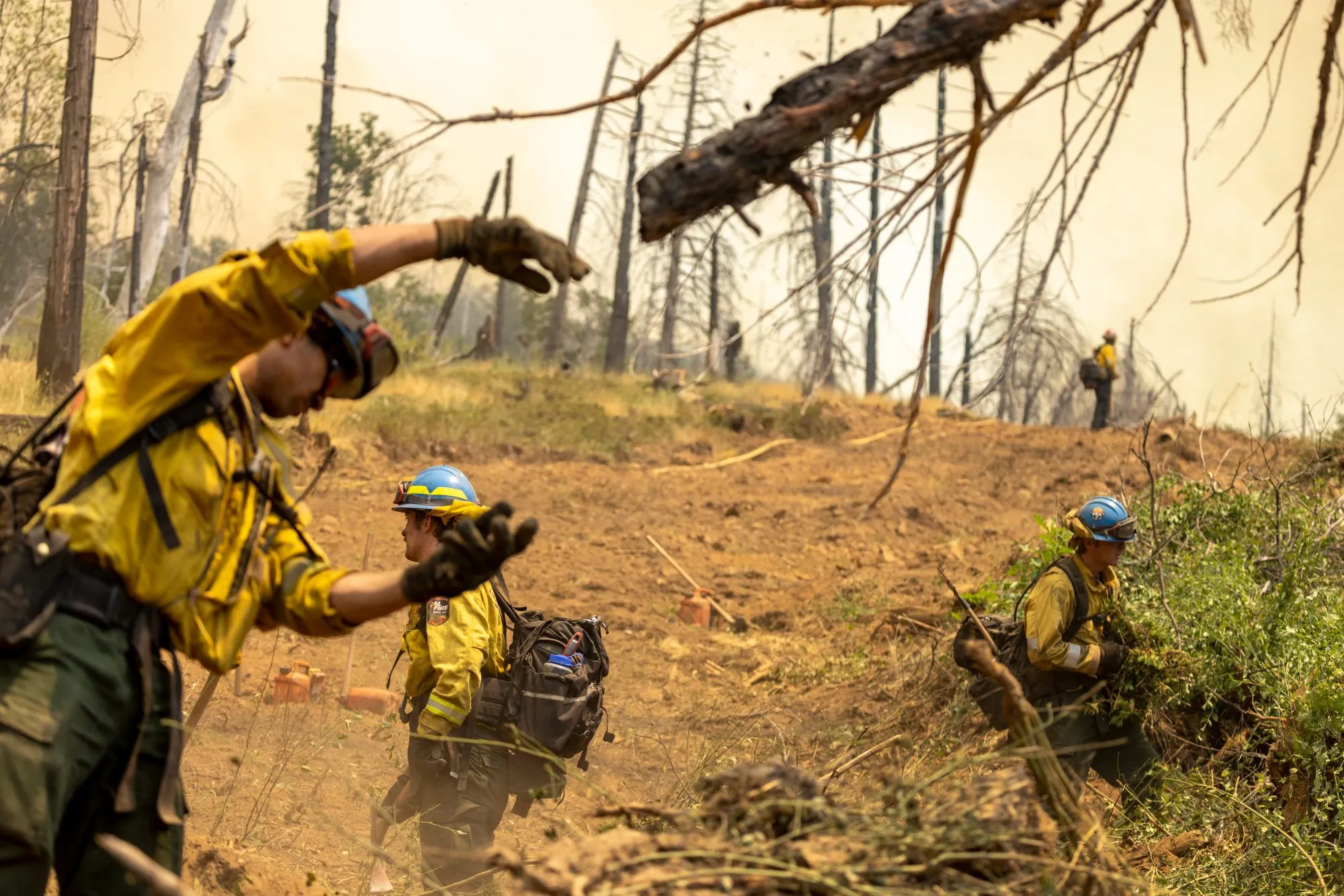
This unprecedented acreage has strained federal logistics to a breaking point. An August memo released by the National Multi-Agency Coordinating Group warned that resource availability remained critically low, with national commitments approaching all-time peak levels. Many requests for firefighting crews and aviation support from local jurisdictions went completely unfulfilled.
Financially, the burden has skyrocketed. Over the past three decades, federal spending on wildfire suppression has increased tenfold. While annual expenditures averaged roughly $450 million in the 1990s, suppression costs regularly exceed $3 billion annually, with peak years like 2021 scaling past $4.3 billion. Predictive modeling published in scientific journals warns that unmitigated climate trends could push annual suppression costs as high as $13 billion before the end of the century.
The 2013 Foresight Panel: A Warning Ignored
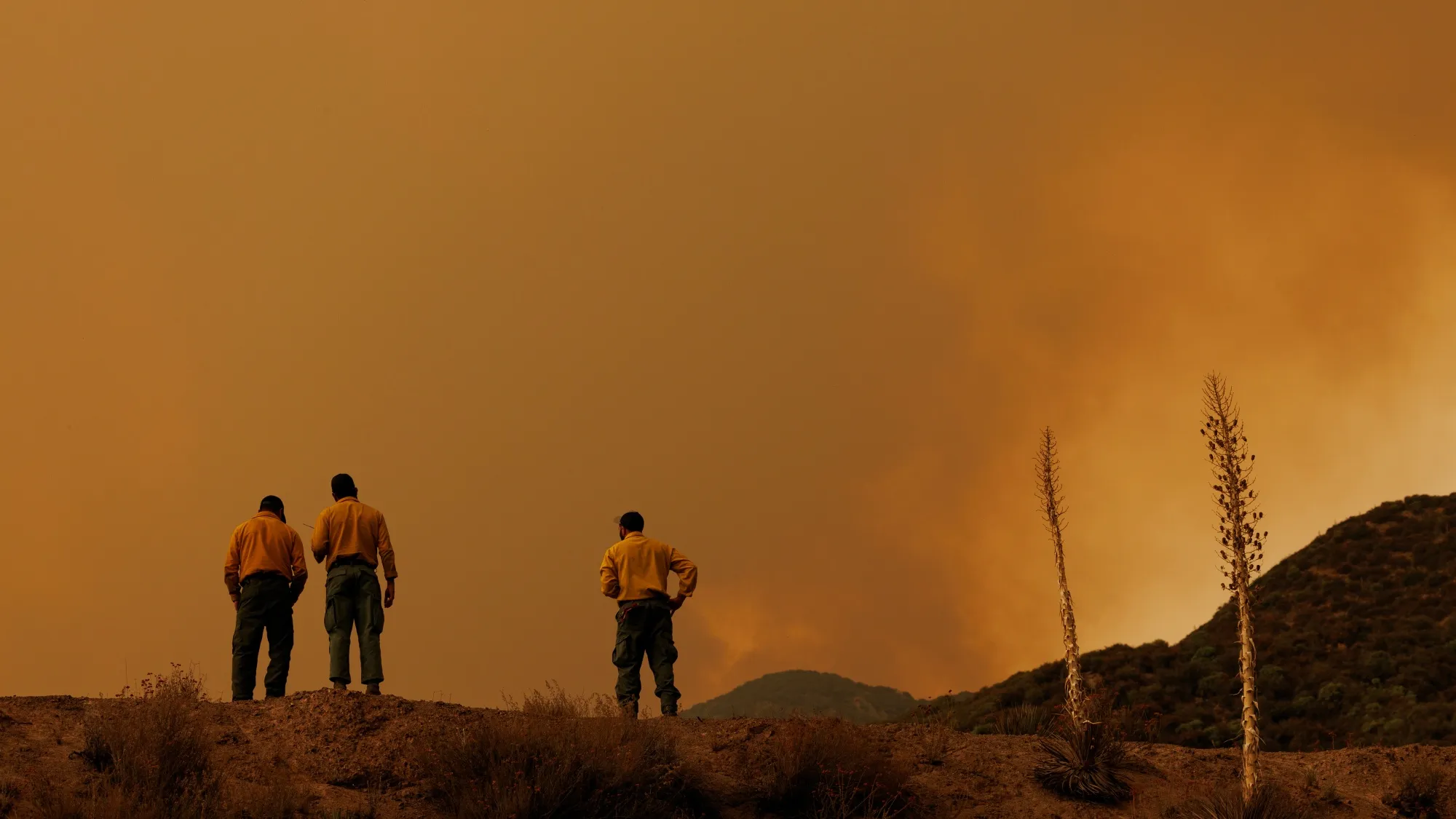
Long before the current crises peaked, the writing was already on the wall within the scientific and forecasting communities. In 2013, the U.S. Forest Service quietly convened a specialized foresight panel, bringing together futures studies luminaries, wildfire researchers, and even a science fiction author to map out the arc of American wildland fire over the coming decades.
The panel’s final report, titled Wildland Fire Management Futures: Insights from a Foresight Panel and published in 2015, delivered a stark conclusion: the existing fire suppression paradigm was mathematically and ecologically guaranteed to fail under plausible future conditions. The panel warned that if federal agencies failed to alter course, ecological risk would continue to escalate until fuel-rich landscapes experienced catastrophic resets—converting vast expanses of Western forests into permanent shrublands or grasslands and destroying countless human settlements in the process.
Forest ecologist Matt Hurteau of the University of New Mexico emphasizes that this outcome is dictated by basic physics and chemistry. Federal firefighters successfully contain over 98 percent of initial ignitions. However, the remaining 2 percent that escape containment under extreme weather conditions—high temperatures, low humidity, and fierce winds—account for the overwhelming majority of destroyed infrastructure and acreage.
"There is no doubt that our federal fire suppression apparatus is effective, that’s why we’re in the predicament we’re in," Hurteau noted. "It’s only under the most extreme conditions that things escape, and it’s been that way for decades."

Policy Divides: Prescribed Fire, Mechanical Thinning, and Full Suppression
Within the forestry and firefighting communities, profound disagreements persist regarding the correct path forward.
One camp, supported by numerous fire scientists and conservationists, argues that the only viable solution is to restore the natural role of fire by embracing managed wildfires and aggressively scaling up prescribed burns. Proponents argue that introducing controlled, low-severity fire is the only scalable method to clear out accumulated biomass across millions of acres of dense federal forests.
Conversely, a separate faction of foresters and political leaders contends that using wild fire as a management tool is far too volatile given modern climate extremes. Michael Rains, who led the Forest Service across five presidential administrations, argues that decades of neglect have left forests so overgrown that unplanned fires cannot safely be used as maintenance tools. Instead, this camp advocates for sweeping mechanical thinning—often pairing fuel reduction with a revitalization of the domestic timber industry by loosening environmental regulations on public lands.
Recent political directives have leaned heavily into this second approach. Federal mandates have doubled down on full suppression protocols—requiring the immediate extinguishment of all wildfires regardless of whether they threaten populated areas—while simultaneously pushing for expanded commercial timber production. Critics, including advocacy groups like Firefighters United for Safety, Ethics, and Ecology (FUSEE), argue that waging a perpetual war on wildfire is an exercise in throwing good money after bad.
Perverse Financial Incentives and Bureaucratic Inertia
The persistence of the suppression-heavy status quo is sustained by a framework of perverse budgetary and administrative incentives.
Emergency wildland fire suppression is funded essentially like a military conflict; whenever fires erupt during the dry summer months, Congress routinely authorizes unlimited supplemental funding. Kelly Martin, a former national park fire management chief and member of the Biden administration’s Wildland Fire Mitigation and Management Commission, points out the glaring imbalance: "There are no consequences for spending as much money as you possibly can to put that fire out. Prescribed burning is discretionary—emergency management is not. So, you end up with this really lopsided scale that tips the scale to the favor of suppression."
Compounding the financial bias is a severe personnel bottleneck. The specialized federal employees hired to plan and execute proactive fuel-reduction projects and prescribed burns are frequently pulled away to fight emergency wildfires for four to six months out of the year. Consequently, proactive forest management regularly stagnates precisely when seasonal weather windows open.
Private industry contractors face similar structural traps. Aviation and ground contractors rely heavily on short-term emergency deployment contracts during peak fire seasons to generate their annual revenue, discouraging long-term investment in preventative methodologies.
Broader Implications and the Human Cost
Beyond budgets and bureaucratic structures, wildland fire is governed by deep emotional and psychological currents. Annual media coverage frequently frames wildfires through a lens of military combat or apocalyptic invasion, broadcasting dramatic images of burning residential neighborhoods and displaced families. This visceral imagery reinforces political demands for absolute protection, making it difficult for the public and lawmakers to accept the controlled application of fire as an ecological necessity.
Furthermore, operational risk aversion heavily favors immediate suppression. As retired Forest Service researcher Dave Calkin explains, local forest managers face immediate professional liability if an experimental managed fire escapes control, yet receive no institutional credit if a suppressed fire eventually contributes to a catastrophic megafire years down the line. "It’s just easier to kick the problem down the road," Calkin noted.
As climate change continues to expand the geographical and temporal boundaries of the fire season, the human and ecological tolls mount. For incident commanders like Dan Dallas, who face chronic shortages of qualified management teams and resources, the system is rapidly approaching a breaking point. Unless federal policy evolves to prioritize proactive landscape-scale fuel reduction and community hardening over futile attempts at total exclusion, the American West will remain trapped in an escalating cycle of catastrophe—leaving firefighters to repeatedly return to the same charred landscapes, awaiting the next inevitable megafire.